
discover locations in himachal pradesh, ladakh, uttarakhand & more
“the landscape of a movie is part of the equation that creates the meaning of the movie” – Dennis Villeneuve ‘Dune: Part 1’
Directors and filmmakers from around the world have long recognized that outdoor locations can transcend mere backdrops to become essential narrative forces in cinema, shaping mood, character, and meaning in ways no studio set can replicate. Authentic locations offer something irreplaceable: the spontaneity of natural light, the accidents of weather and geography, and the psychological resonance of real places that no constructed set can duplicate. As cinema has embraced lighter, more portable equipment, location shooting has become not just economically feasible but aesthetically essential, revealing the artificiality of earlier studio-bound productions.
Satyajit Ray, India’s pioneering auteur, was profoundly influenced by location-based filmmaking after seeing Bicycle Thief in England, which gave him “the idea of how to make my own film. No stars, and mainly on location”. Ray championed natural light and spontaneity, stating, “When I’m shooting on location, you get ideas on the spot, new angles. You make not major changes but important modifications, that you can’t do on a set”. For Ray, locations offered creative freedom that studios could not match, allowing the spontaneity essential to his vision.
Why Locations Become Legends
Think about the films that stay with you forever. Middle-earth doesn’t exist without New Zealand; The Lord of the Rings transformed real valleys and snow-capped peaks into myth. Change the land, and the legend crumbles. The Grand Budapest Hotel built its memory-pink world from Görlitz and Central European spa towns; the architecture became the heartbeat of Wes Anderson‘s story. Legends of the Fall leaned on ranch country and the Rockies, making family love and loss feel vast, inevitable, cinematic.
And closer to home? That final reunion at Pangong Lake in 3 Idiots made friendship feel eternal. The lake didn’t just host the scene, it became the emotion that lingered long after the credits rolled. That’s the power of place.
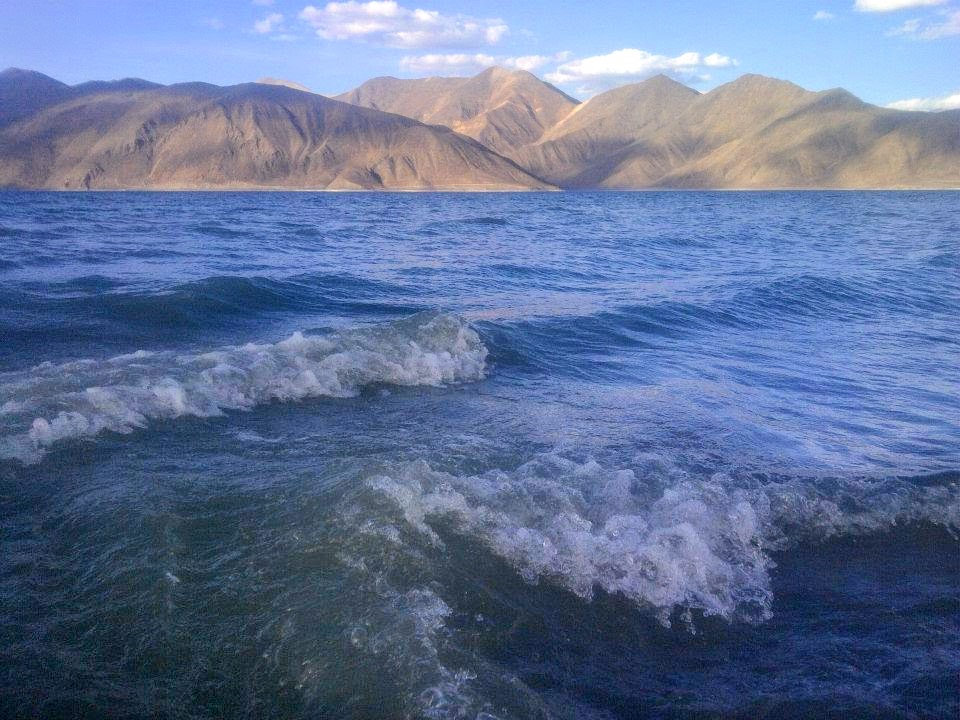
when locations transcend decoration to become narrative necessities, they function as silent characters whose presence is as essential as any dialogue or performance. The right outdoor setting can set mood, create authenticity, immerse audiences, and become part of the narrative itself, enhancing emotional impact in ways no constructed set can replicate.
What We Do: Your Vision. Our Canvas.
We are line producers and location producers specializing in mountain filming, Himalayan landscapes, and India’s most cinematic terrain. After your director’s brief, the real work begins: finding the exact look, securing clean access, capturing perfect light, and delivering the mood your story demands.
Heritage or modern. City pulse or wild expanse. Desert silence or monsoon drama. We keep a deep, curated library across Himachal Pradesh, Ladakh, Uttarakhand, Northeast India, Rajasthan, and Gujarat, backed by strong local partnerships and 15+ years of production experience.
Share the creative. We deliver what you envision
- Precision recces with photo documentation
- Seamless permits (DGCA, forest, heritage, Schools, Roads etc)
- Expert staging and logistics planning
- A bulletproof, ready-to-shoot plan
Location Spectrum: Natural & Man-Made Elements
Every location is an ‘element’ and we know how to get it right.
Lakes & Rivers
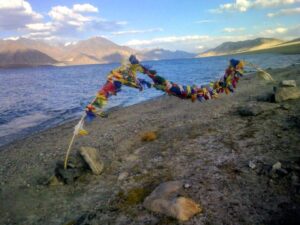
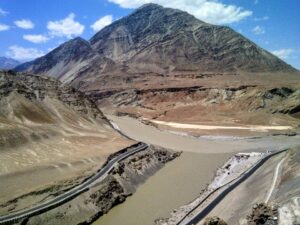
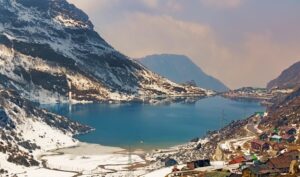
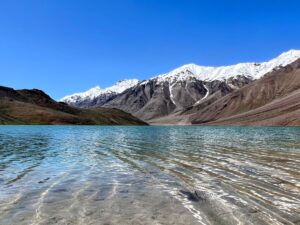
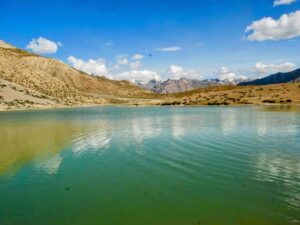
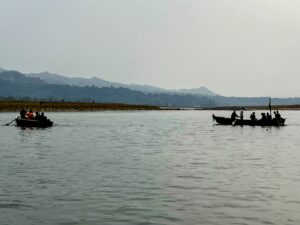
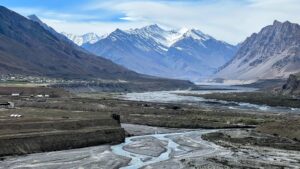
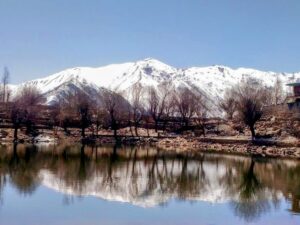
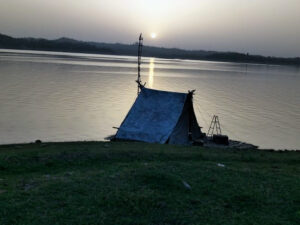
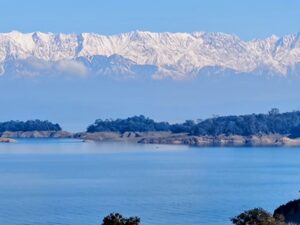
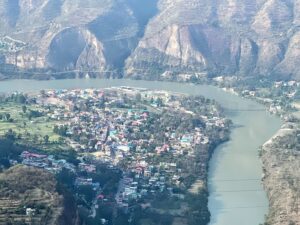
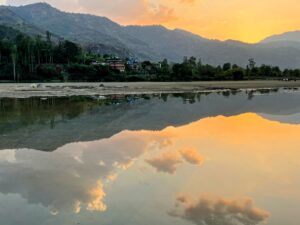
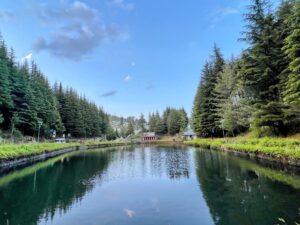
Imagine this: high-altitude mirror lakes where water holds sky and silence so perfectly, frames compose themselves, Pangong’s surreal blue, Tsomoriri’s mystical isolation, Chandratal’s pristine depth, Suraj Tal gleaming near Baralacha Pass. Then drop elevation and discover Rewalsar in Mandi, sacred water ringed by seven smaller lakes; Tani Jubbar near Shimla where folk legend whispers through mist; Renuka’s serpent-shaped calm; Tehri’s vast Uttarakhand expanse. But here’s what changes everything: Pong Dam-Maharana Pratap Sagar stretching like a vast inland sea with Dhauladhar’s white peaks commanding the backdrop. Move over, foreign locations. From powerful rivers; the Sutlej carving gorges, Beas shaping valleys, to intimate tributaries like the Uhl feeding remote Rajgundha, Tirthan’s crystal flow, Sangla’s claim as the most beautiful Himalayan valley, picture yourself capturing songs that breathe, reunions that resonate, travel sequences where movement becomes meditation. Gobind Sagar near Bilaspur adds small islands to the palette. The right water location doesn’t just look cinematic – it feels inevitable.
Mountains and Meadows
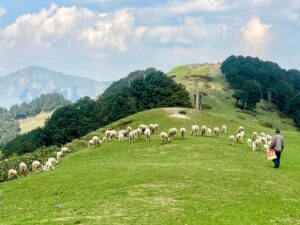
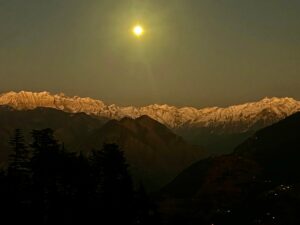
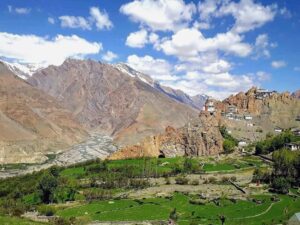
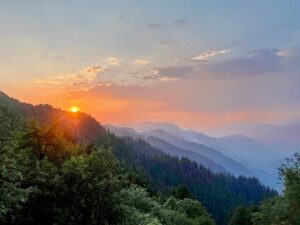
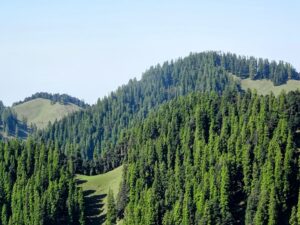
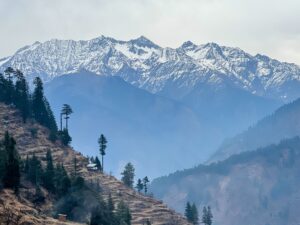
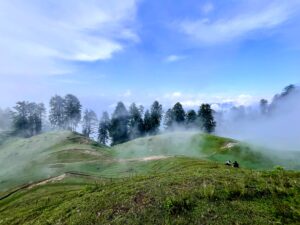
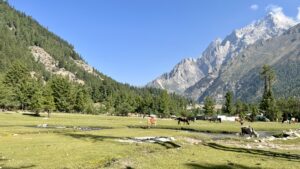
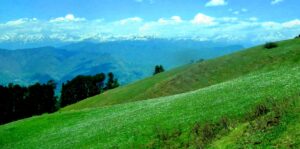
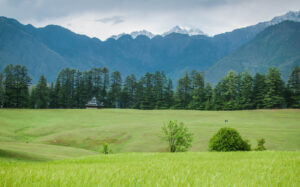
What happens when terrain adapts to your narrative? The Himalayan arc delivers exactly that; accessible slopes near Manali for commercial scale, remote Spiti valleys for stark minimalism, Narkanda near Shimla where snow season transforms everything, rolling alpine meadows where ensemble scenes unfold with natural choreography. Notice Devidarh near Mandi, Shikari Devi’s sanctuary silence, Baga Sarahan’s high-altitude mystique, Daranghati’s deep forested enclaves where civilization feels optional. Passes like Rohtang and Jalori don’t just provide elevation; they create tension you can taste in the thin air, weather drama that becomes character, transformation arcs written into the landscape itself. Offbeat villages; Jhanjehli, Chindi, Tons Valley hamlets; support crew in the most amazing places, proving remoteness doesn’t mean inaccessibility. Filmmakers who’ve shot here once keep coming back. There’s a reason for that.
Forests and Fog
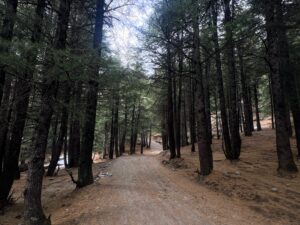
Step into Chail’s deep forests where the palace rises from deodar corridors and the world’s highest cricket ground defies expectation, feel the temperature drop five degrees, hear the silence deepen, watch mist wrap around everything until visibility becomes a creative constraint. These locations don’t need dressing. Dense canopies throughout upper Himachal, Narkanda’s pine-wrapped slopes, Daranghati’s untouched woodland where light filters through in shafts, forests deliver atmosphere money can’t manufacture. Mystery writes itself in shadows. Romance blooms in filtered golden hour. Thriller sequences gain weight when the canopy itself feels alive. From roadside perfection to multi-day immersion in Shikari Devi or Baga Sarahan territory. Choose your depth.
Orchards and Agriculture
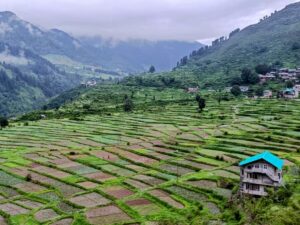
Here’s a landscape element most overlook: fruit bloom as cinematic moment. Apple orchards in upper Himachal and Kullu valleys transform with seasons, spring blossoms create natural confetti, autumn harvest adds texture and color, winter branches etch stark patterns against snow. Kinnow orchards in Kangra bring citrus gold to lower elevations. These working landscapes add authenticity without construction, romance without cliché, and economic activity that grounds any narrative in real life. Song sequences, contemplative walks, character transformation scenes, orchards offer frames that shift emotion with light and season.
plan your production now. reach out to us
Deserts and Salt Flats
Strip away every distraction. Rajasthan’s Thar dunes and Gujarat’s Rann of Kutch offer something rare, emptiness as canvas. Minimal horizons force focus on what matters: character, movement, the single vehicle crossing an infinite white expanse, the silhouette that becomes iconic because there’s nothing competing for attention. Epic scale without effort. Fashion sequences where every line reads clean. Automotive shoots where landscape becomes stage and nothing clutters the frame. When the story demands vastness, these locations don’t just deliver. They dominate
Sky and Weather
Here’s what most productions overlook: weather is free production value. Cloud formations building over the Dhauladhars above Pong Dam or Palampur’s tea gardens, crystalline blue at Western altitudes, unpredictable Himalayan drama that shifts light every fifteen minutes imagine capturing moments that can’t be recreated in post-production. Filmmakers who work these regions learn to read sky as character. Sometimes it collaborates. Sometimes it challenges. Always it enhances. The question isn’t whether to shoot natural weather. The question is: can your production afford not to?
let’s recce your vision
Houses and Heritage Buildings
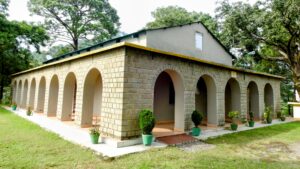
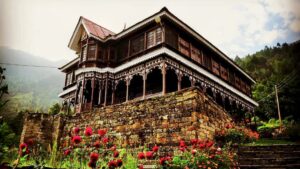
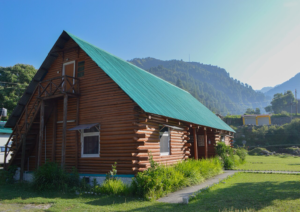
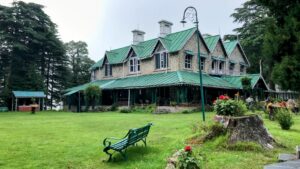
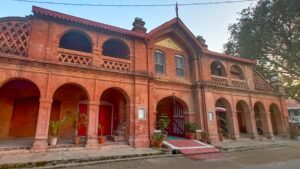
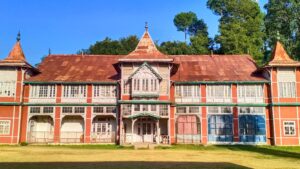
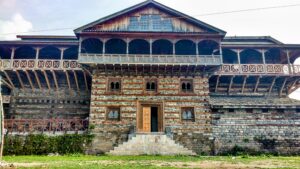
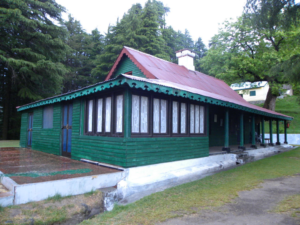
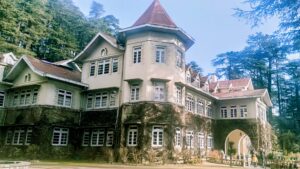
Walk into Chail Palace and notice something: the architecture already tells the story. Colonial-era bungalows across Shimla, Dharamshala’s Tibetan-influenced structures blending exile with mountain tradition, Palampur’s tea estate homes, heritage buildings throughout Chail, Kasauli, Shimla including the maharaja’s former summer retreat, these spaces don’t need construction. They breathe authenticity. Dak bungalows across valleys, traditional wooden homes in Kinnaur, modern cottages that blend contemporary and heritage, rural homestays in Tirthan or Sangla carrying generations of lived experience, dress them for the ‘twentieth century’ or shoot them as-is for present-day. Minimal intervention, maximum impact. Working heritage properties, abandoned structures awaiting transformation, contemporary homes that adapt with ease, access ranges from simple to coordinated, but the payoff? Unmistakable. Intimacy, architectural weight, history embedded in every frame.
Workplaces and Institutional Spaces
Hill-station courts still in session. Colonial clubs where members gather. Boarding schools with century-old classrooms. Dharamshala’s administrative buildings serving the Tibetan government-in-exile, unique political texture. Glass-and-steel regional offices in Palampur and emerging business districts. See how functional spaces become camera-ready sets without construction budgets? Corporate drama, courtroom sequences, educational narratives, government settings, infrastructure intact, authentic, and logistically simple. Productions that scout these locations discover something valuable: spaces that feel lived-in rather than built. The difference shows on screen. Audiences feel it even if they can’t name it.
Old Towns and Forts
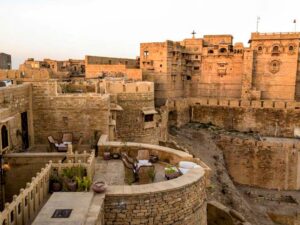
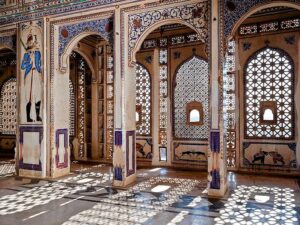
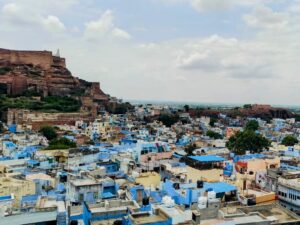
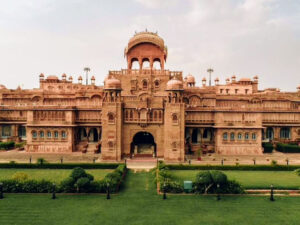
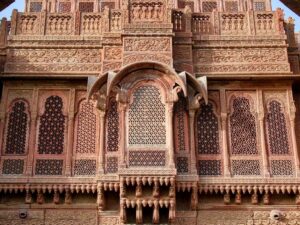
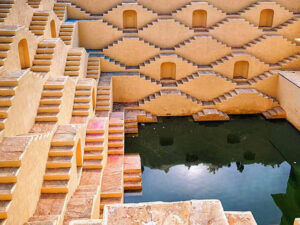
Chamba is folklore made tangible, ancient temples, chaugan grounds where festivals unfold, architecture preserving centuries in living form. Fort complexes rise from earth. Temple clusters deliver vertical drama. Mall Road promenades pulse with bazaar energy. Picture this: centuries of visual storytelling compressed into locations that anchor any era. Period pieces find texture and scale. Contemporary narratives borrow cultural weight. Access varies – tourist-friendly to restricted heritage requiring coordination; but filmmakers who’ve shot here understand: the logistics justify the cinematic payoff. Every. Single. Time. And did we forget to mention the palaces and havelis in Rajasthan and Gujurat, the unique architecture in the north-east, the havelis in Punjab, Darjeeling, Mussoorie, Nainital – and many more across the treasure that our country is.

Roads and Bridges
Mountain passes where elevation creates tension, Rohtang’s weather-dependent drama, Jalori’s forest-wrapped ascent that connects Kullu to Shimla sides. Forest avenues through Chail, Daranghati, Tons Valley—single-lane curves where every kilometer shifts landscape, every turn alters emotion. Modern steel bridges over Gobind Sagar, older spans crossing the Uhl toward Barot, infrastructure ranging from colonial hill roads to wide national highways. Desert stretches. Salt flat crossings. These routes don’t just connect locations. They become movement as metaphor: escape, pursuit, journey, transformation, arrival. The right road doesn’t just get your characters somewhere. It changes them on the way.
Unique Venues
Heritage rail lines where toy trains climb through clouds. Regional junctions that pulse with arrival energy. Dharamshala Airport, recently upgraded, offering access with Dhauladhar drama framing every approach. Civic squares holding centuries of footfall. Bus terminals vibrating with departure anxiety, imagine capturing threshold moments where movement meets stillness, where character arcs pivot on a platform, where time itself transitions in a single shot. Working stations with period architecture. Contemporary transit hubs blending function with visual storytelling. These spaces don’t just serve the story. They elevate it. Logistics favor productions that recognize opportunity when they see it.
Chail boasts the world’s highest cricket ground; picture establishing shots that defy expectation, sports sequences with mountain backdrop, or simply the surreal juxtaposition of manicured pitch against Himalayan wilderness. Venues like this offer pattern interrupt, audiences don’t expect what they’re seeing, which makes the frame unforgettable. These locations provide novelty with substance, quirk with cinematic legitimacy.
Why the Right Location Changes Everything
Locations don’t just fill frames, they anchor memories. They’re the breath between dialogue, the unspoken character that shapes every performance, the reason a scene stays with you long after the credits roll. This isn’t about finding a place. This is about discovering the place, the one that makes your story inevitable.
Share your vision, and watch what unfolds. Shortlists that feel right before logic explains why. Recces where every angle reveals itself, where light falls exactly as imagined. Permits that clear smoothly while others are still waiting. When the crew arrives, they step onto ground already humming with possibility, a shoot-ready canvas where cinematographers breathe easy, actors inhabit fully, and directors simply create.
Because when location intelligence meets creative instinct, the frame doesn’t just capture a moment; it holds it. Clients return not from obligation, but recognition: they’ve felt this alchemy before. Fifteen years of mountain filmmaking becomes your invisible advantage, the difference between a good shoot and the one everyone remembers.
The search has already begun in your mind. Now let’s make it real.