
Filming in Himachal Pradesh
104 Doors. One Legend
filming in himachal pradesh
Discover 104+ filming locations in Himachal Pradesh – forts, palaces, Dak bungalows, heritage villages, UNESCO railways, rain‑shadow deserts, inland seas, valleys, and high passes – crafted for films, web series, ads, music videos, documentaries, and reality. Shoot year‑round across four seasons with range and control. Open the door. Roll camera. Make the legend yours.
If India has a stage for stories that last, it’s here. Himachal Pradesh is not a location, it’s a master key: 104 doors across four seasons, unlocking every genre, every format, every emotion on cue. Open one and you’re on the Old Hindustan–Tibet Road, where history moves at 24 frames. Open another and GHNP(Great Himalayan National Park) hands your documentary instant credibility. Turn a few more and you’re inside Garli–Paragpur’s living heritage, Pong and Gobindsagar’s inland seas, UNESCO railways that turn motion into memory, and forts, palaces, Dak bungalows, monasteries, meadows, bridges, and cliff roads that behave like production design built by time.
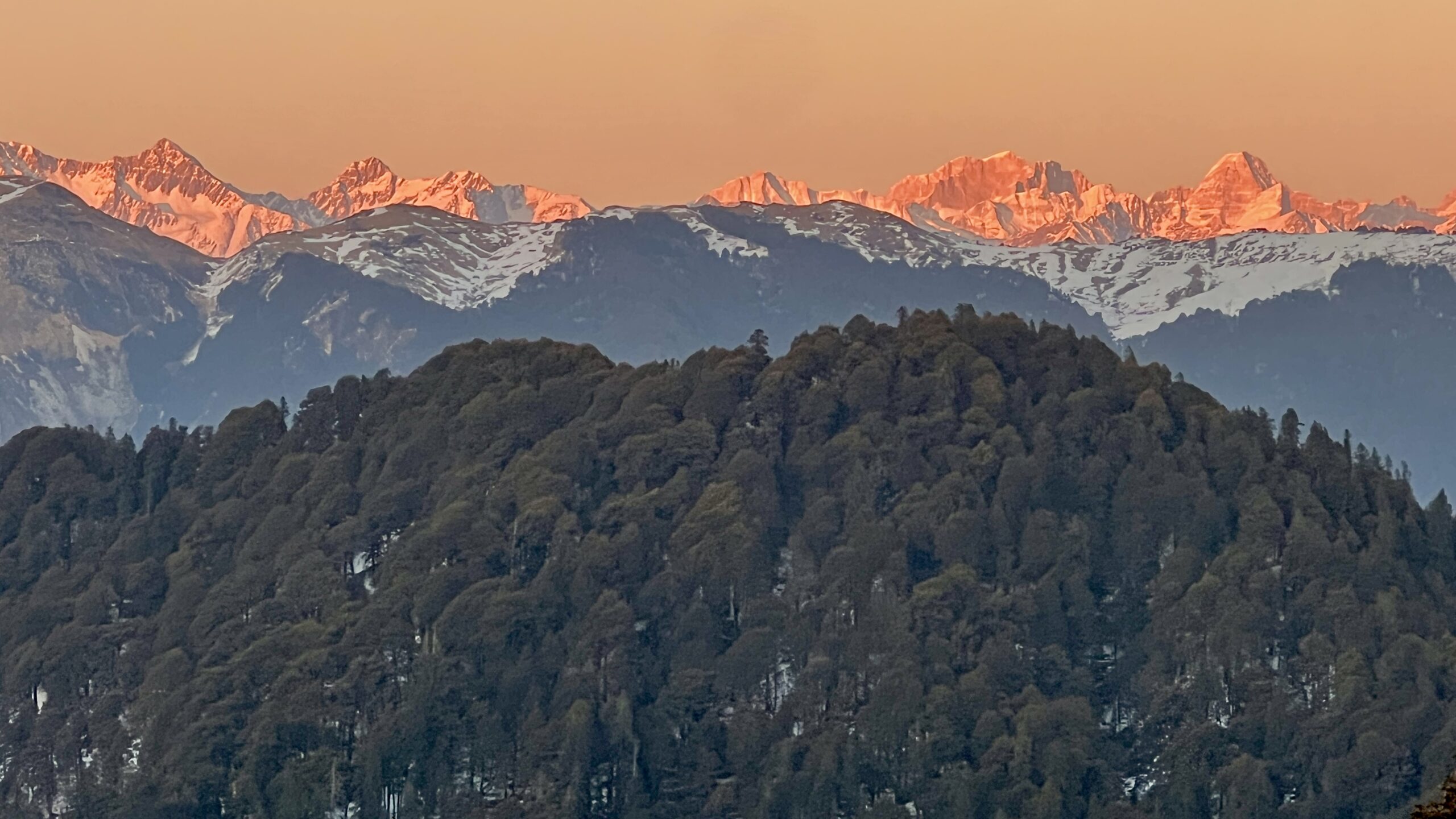
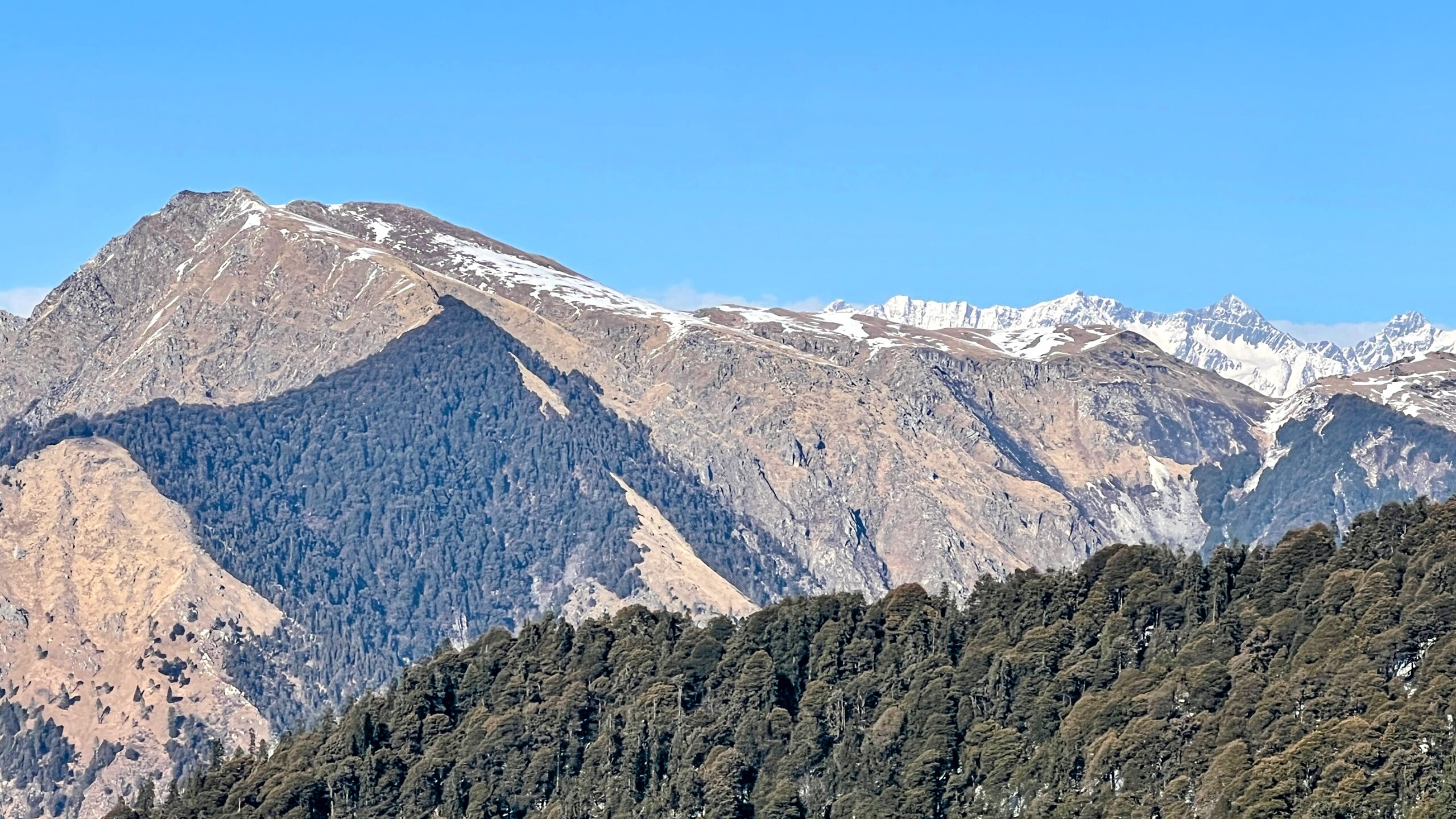
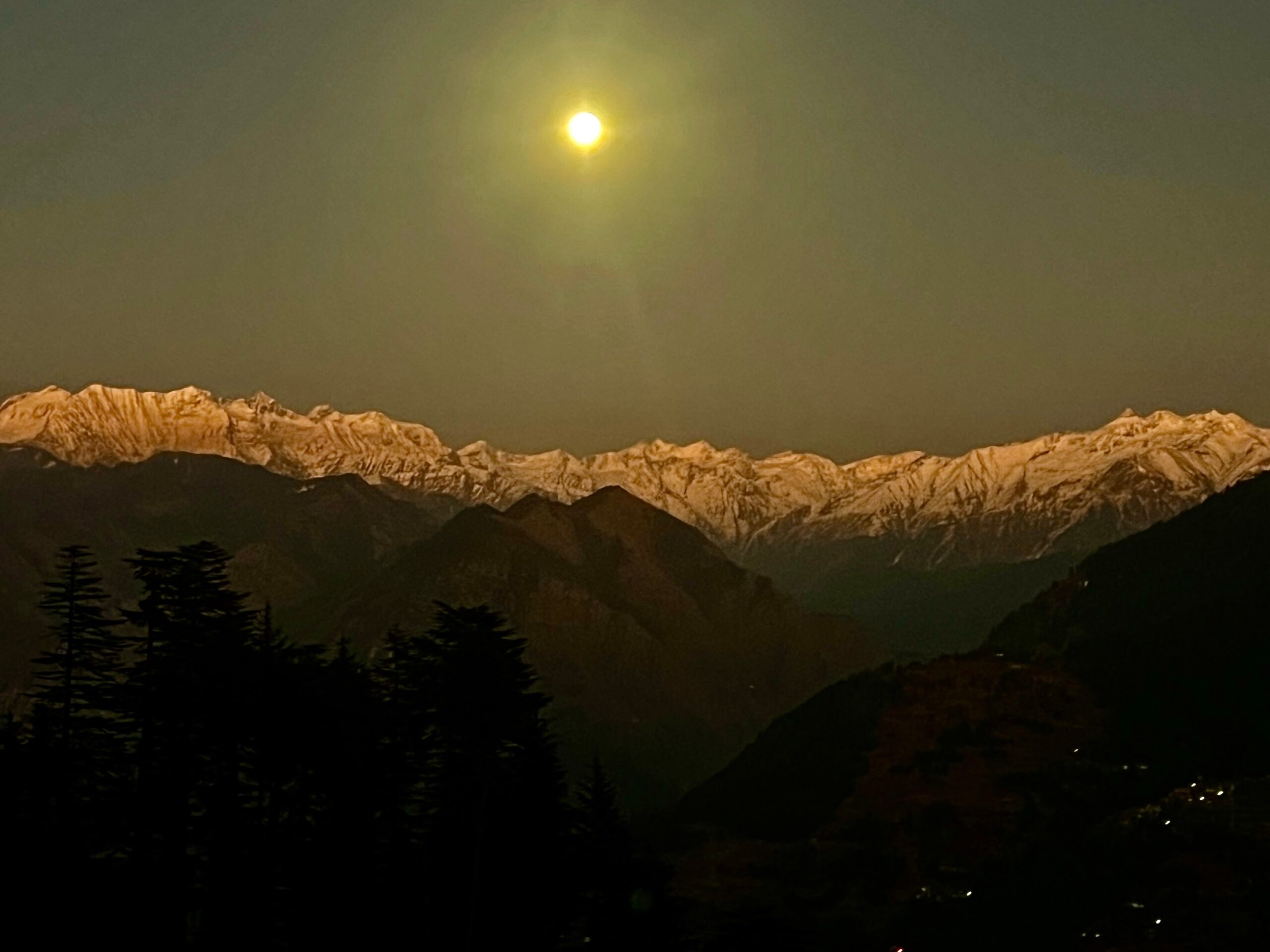
This isn’t a promise of scenery; it’s a blueprint for certainty. Spring gives you bloom and breath. Summer gives you reach and long light. Monsoon gives you mood, fog that turns close-ups into confessions, while the rain shadow of Spiti, Pangi, and Miyar keeps your call sheet honest. Winter gives you contrast, clarity, and night skies that make dialogue feel scored. Across the year, the frames don’t just look right, they behave right for schedules, crews, and brand tone.
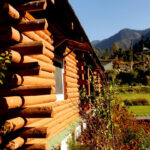
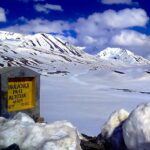
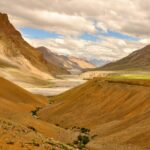
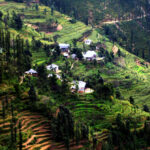
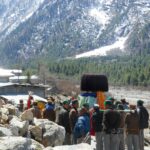
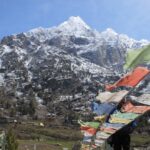
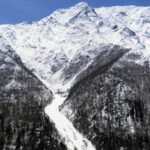
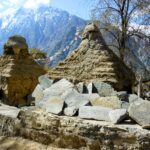
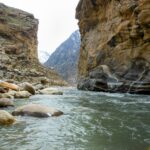
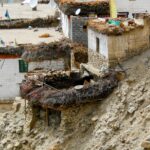
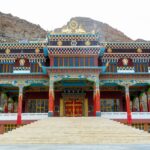
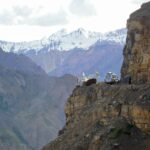
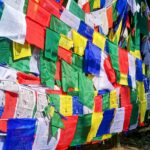
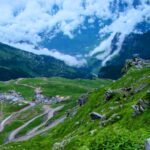
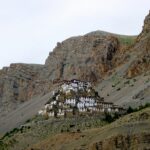
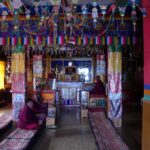
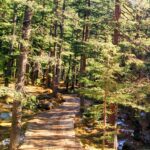
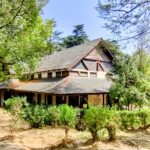
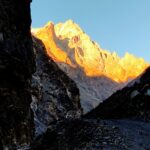
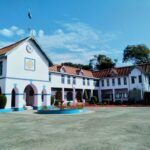
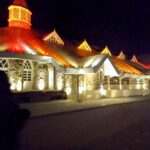

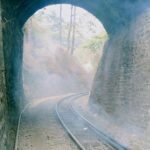
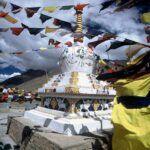
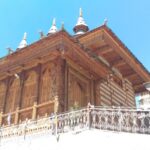
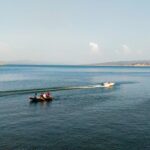

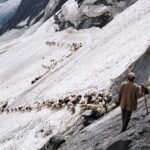
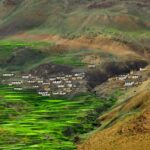
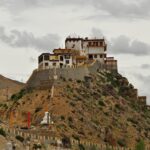
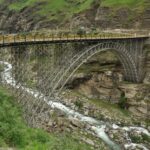
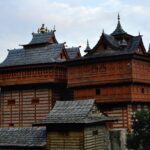
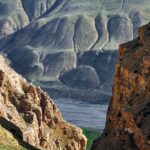
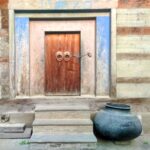
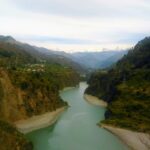
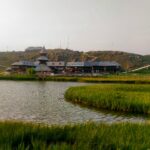
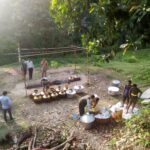
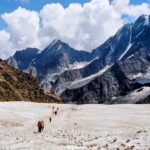
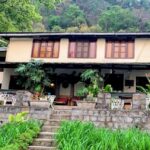
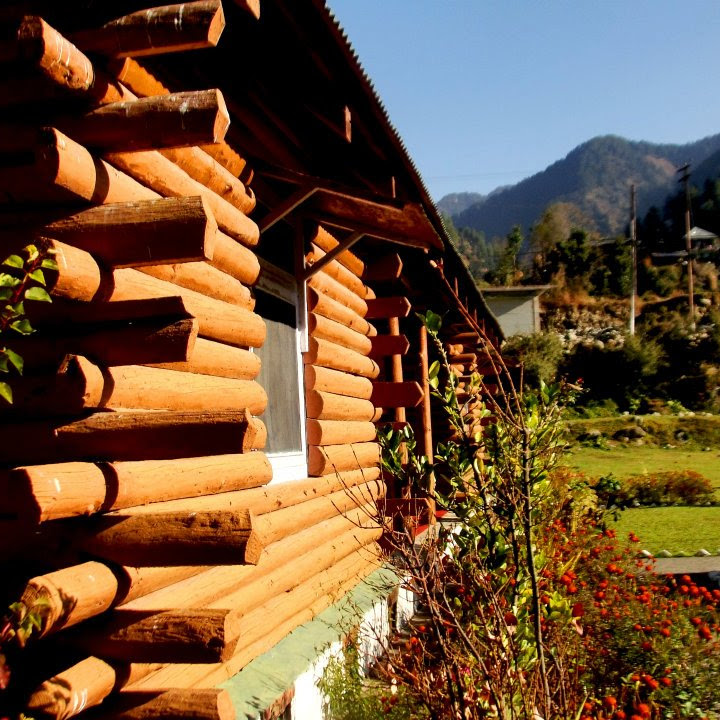
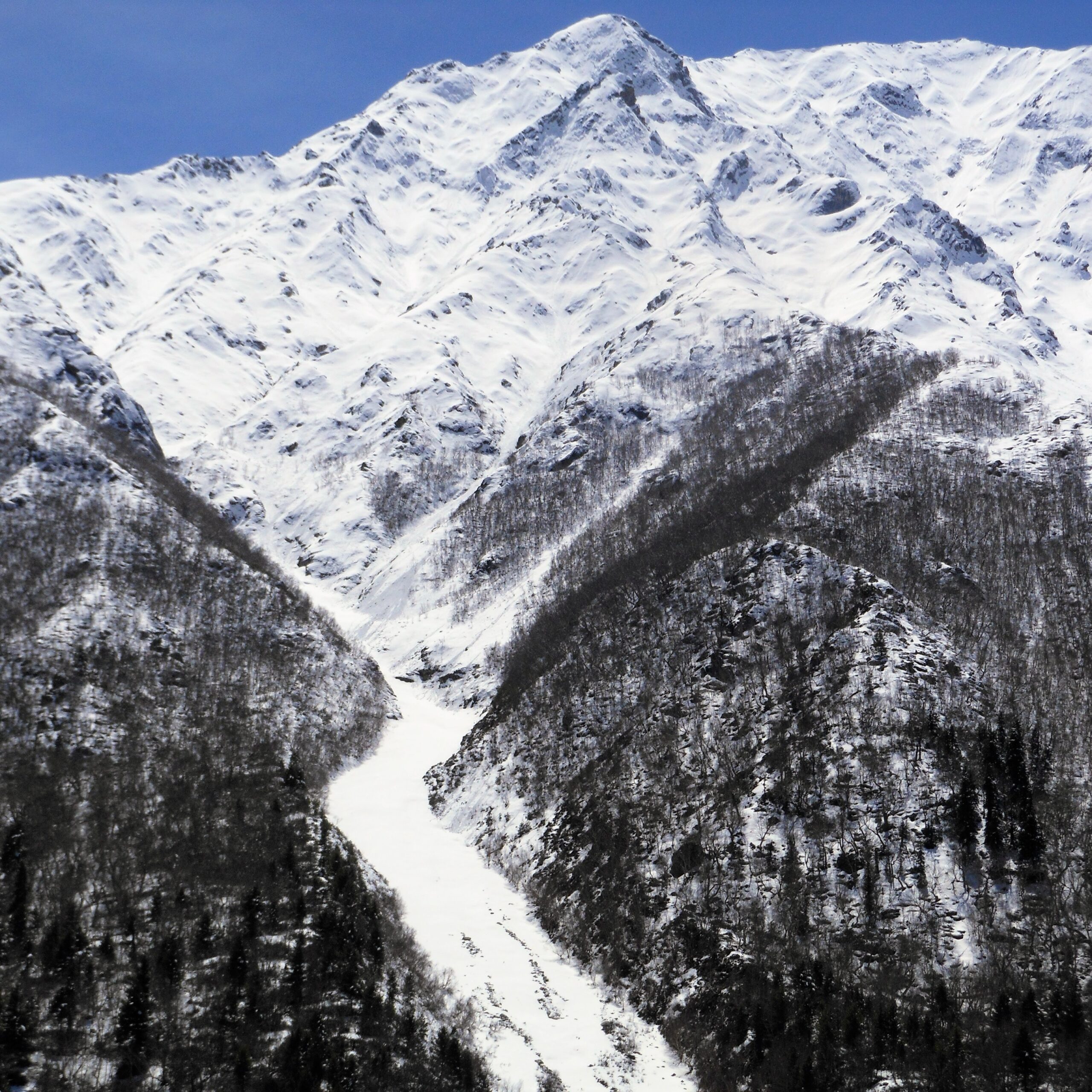
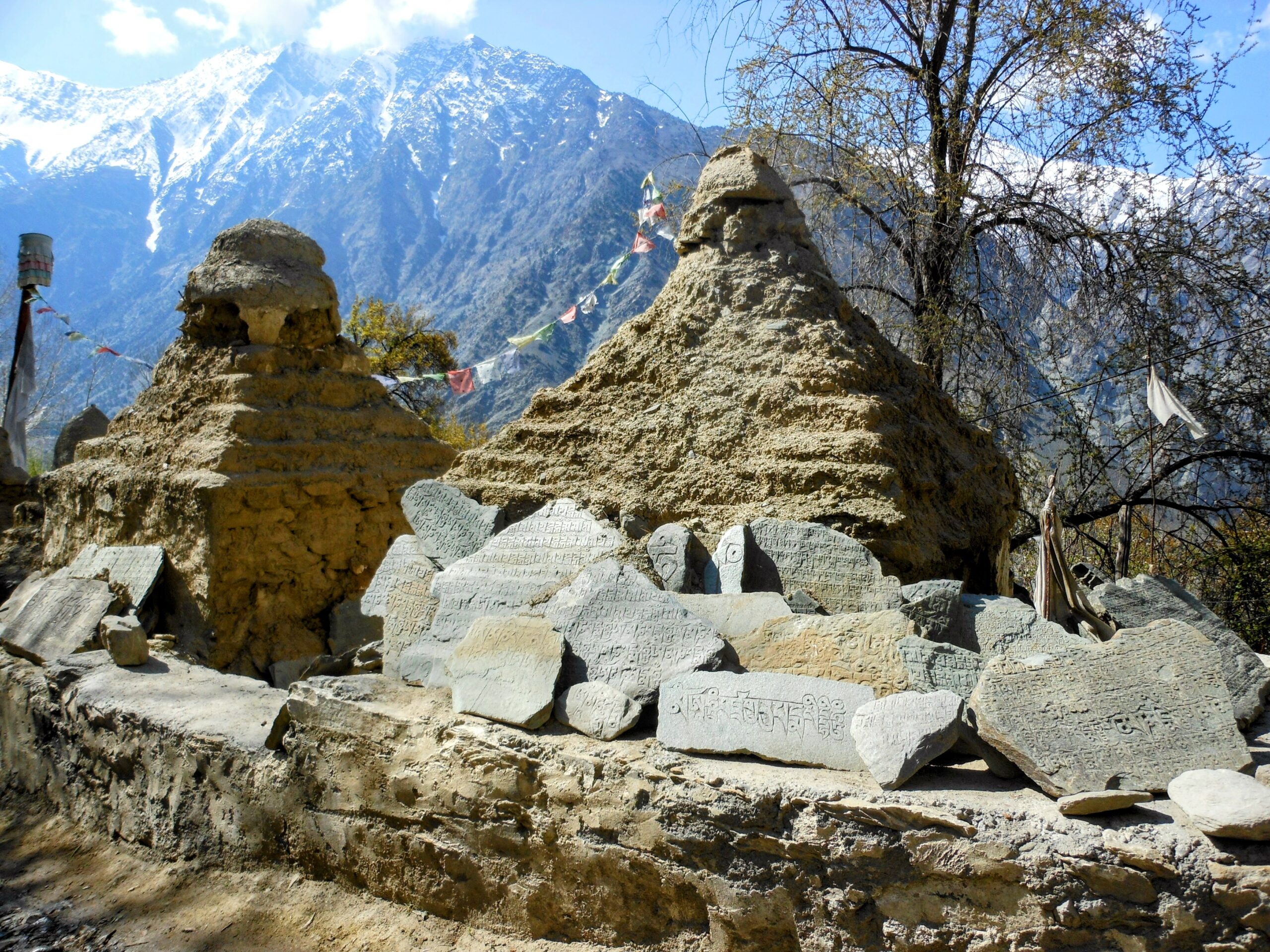
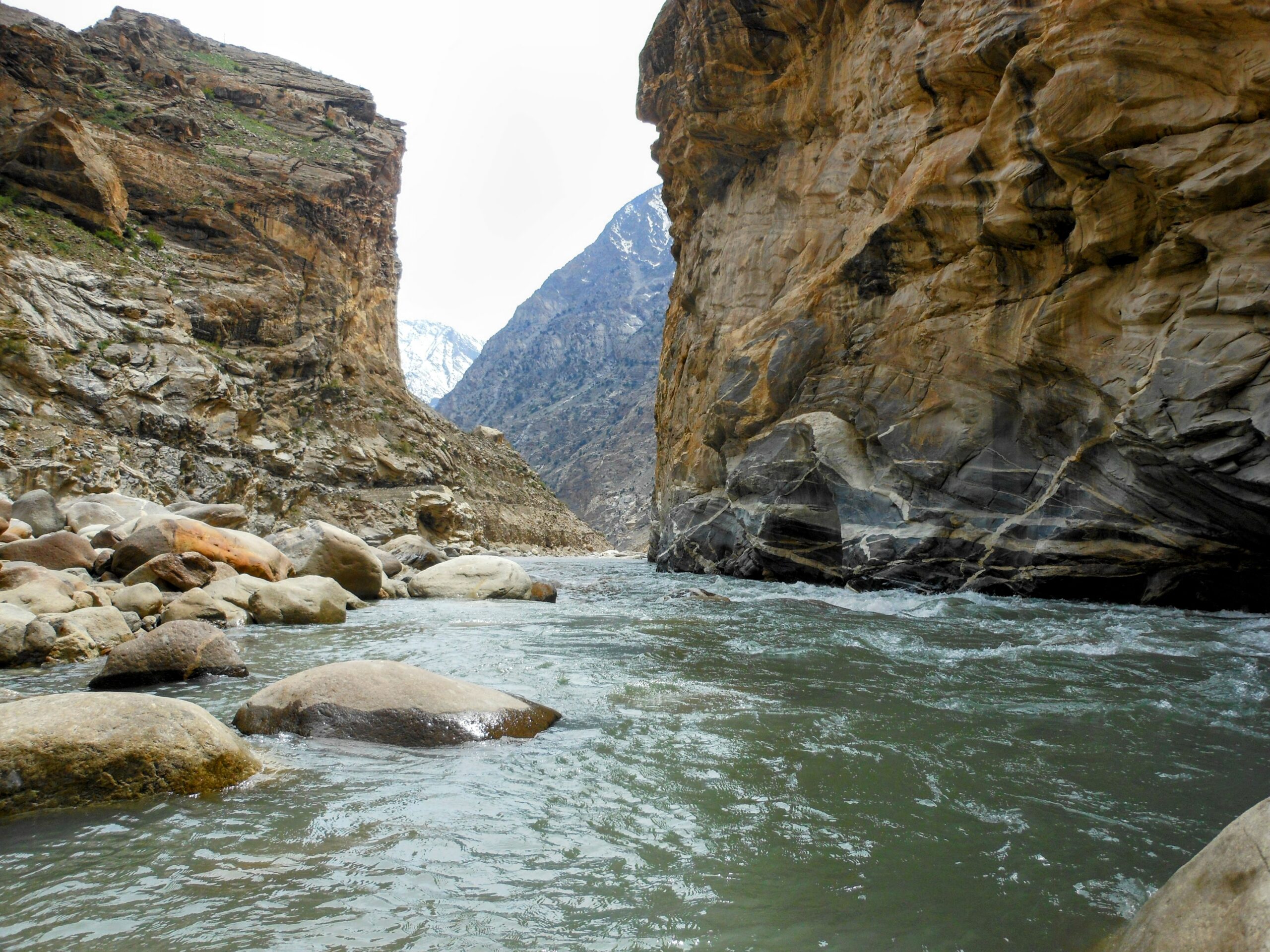
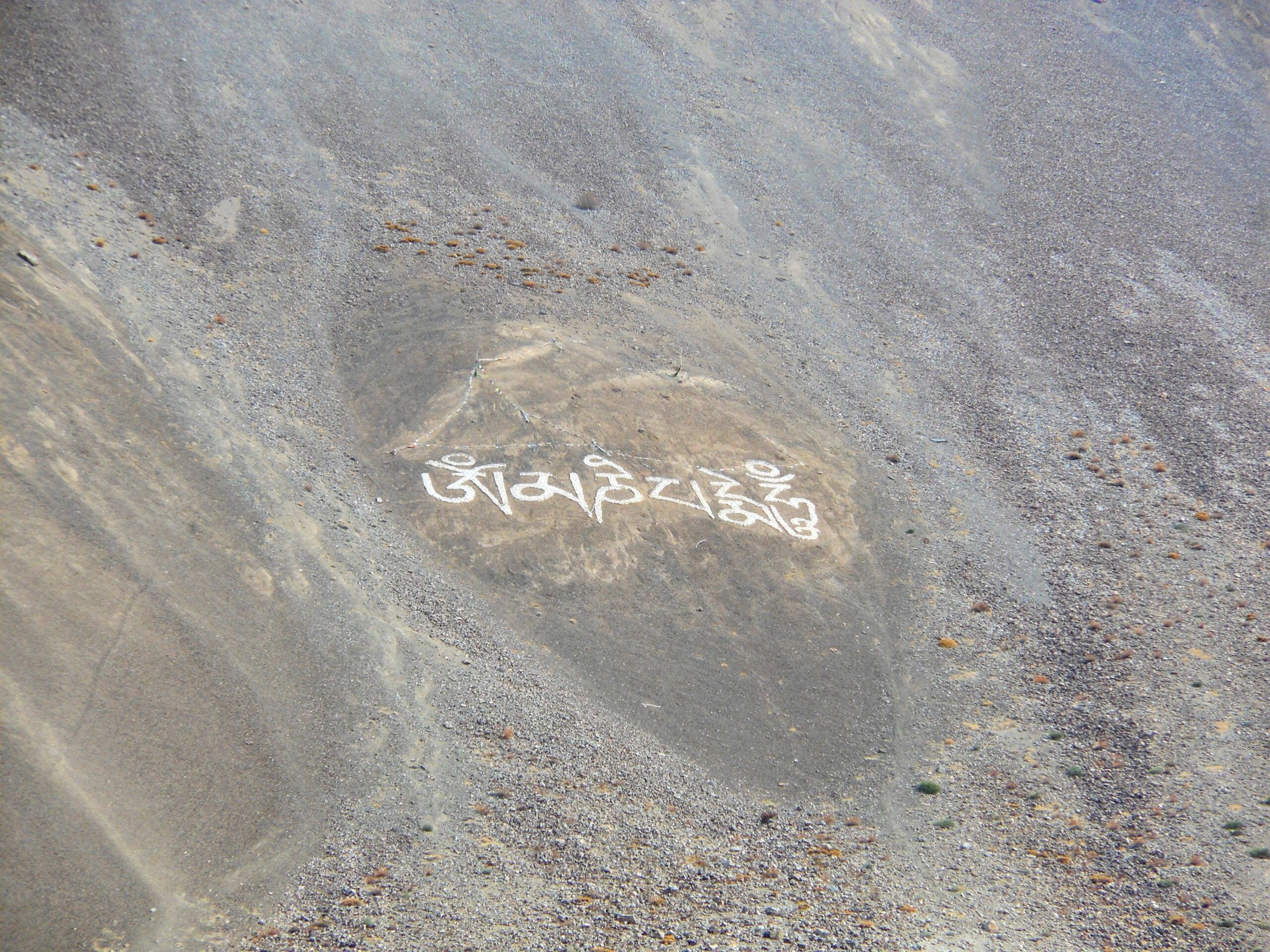
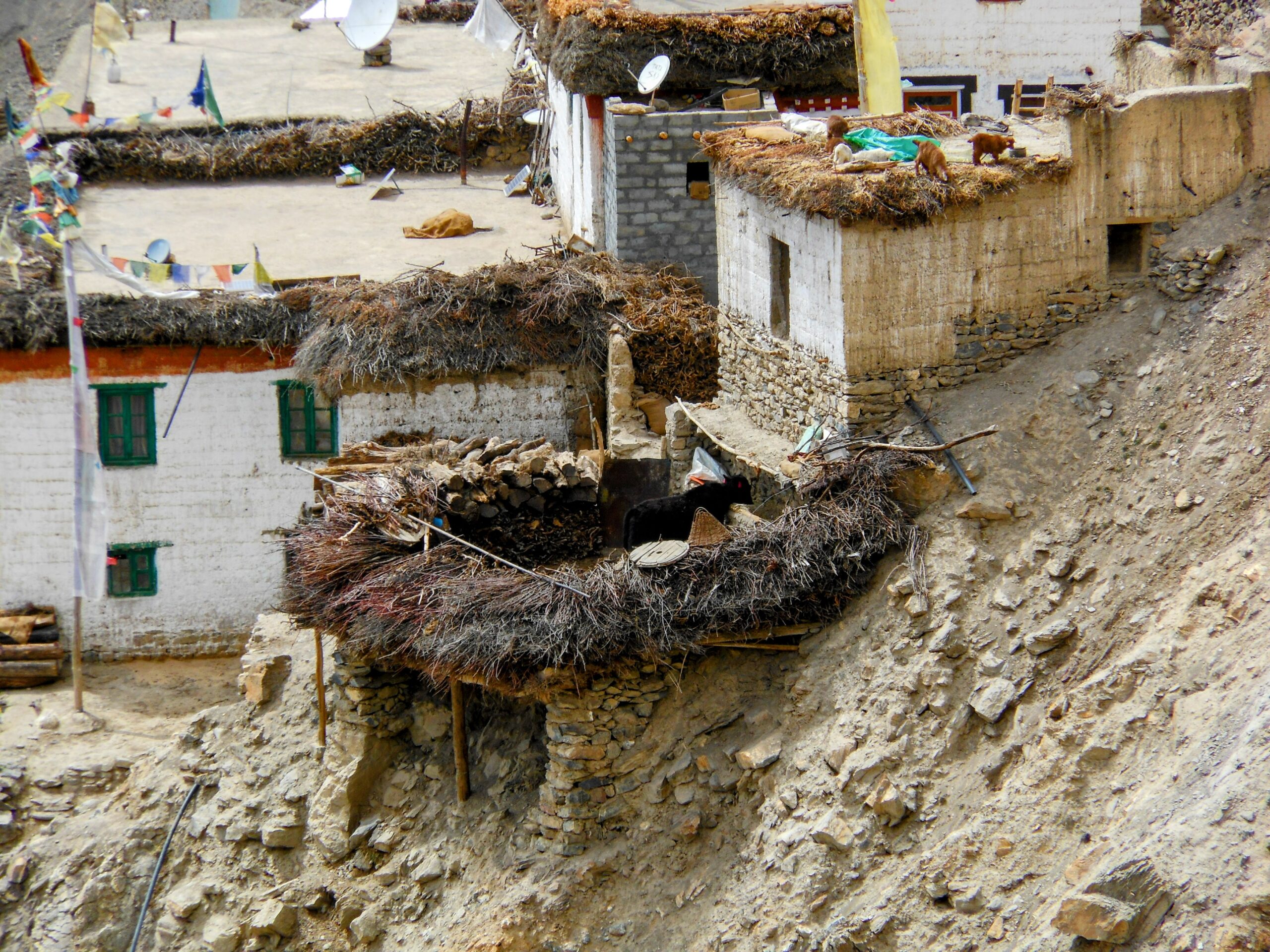
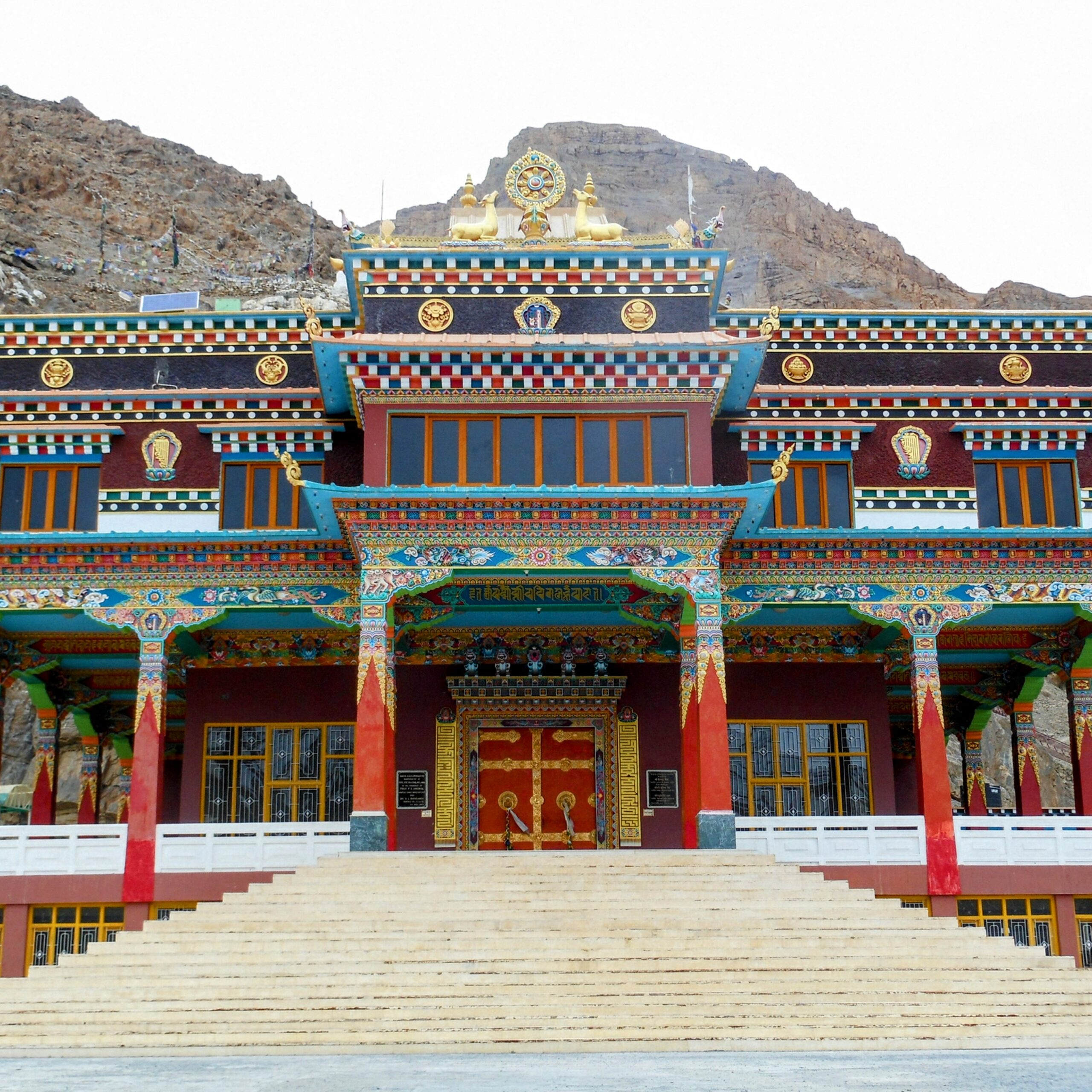
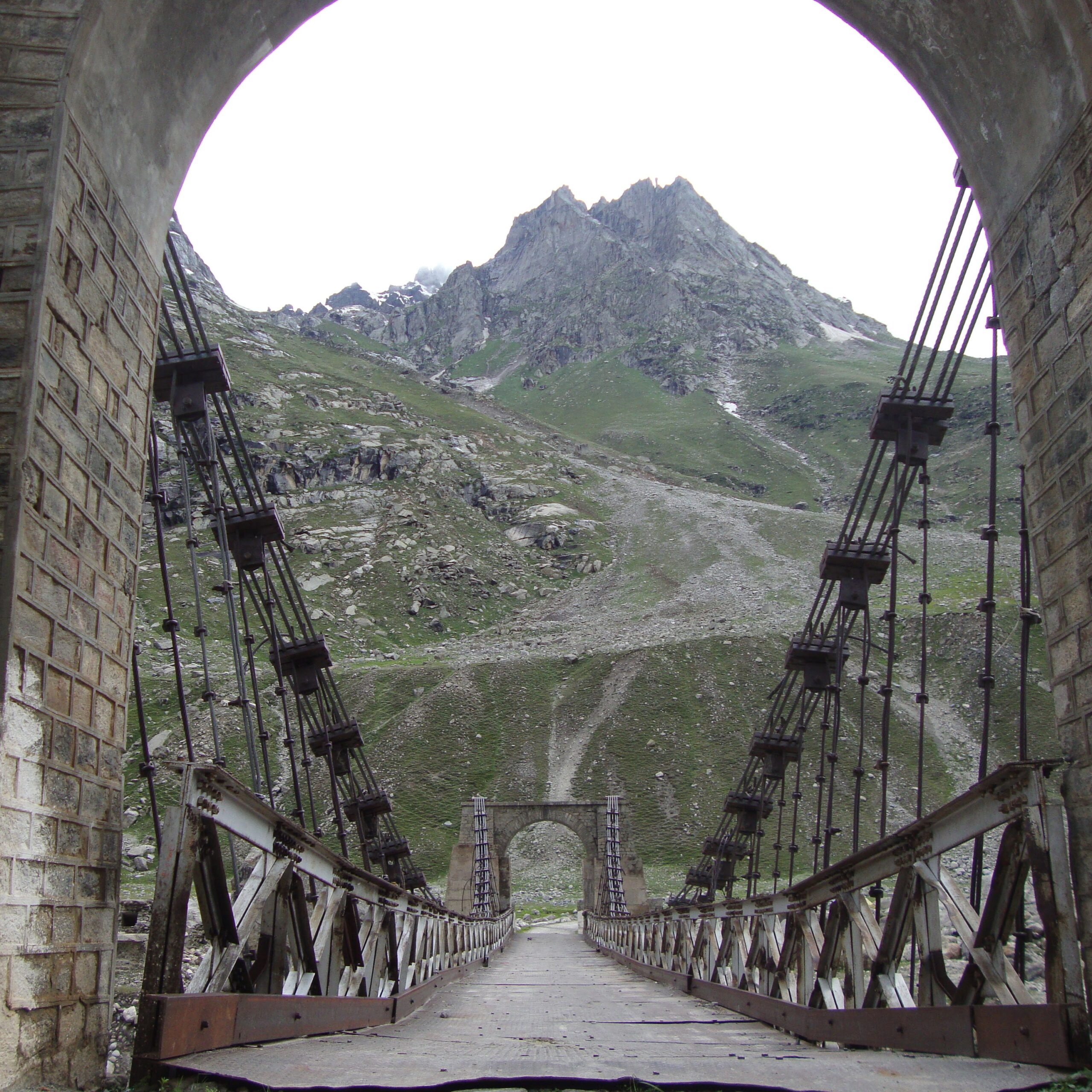
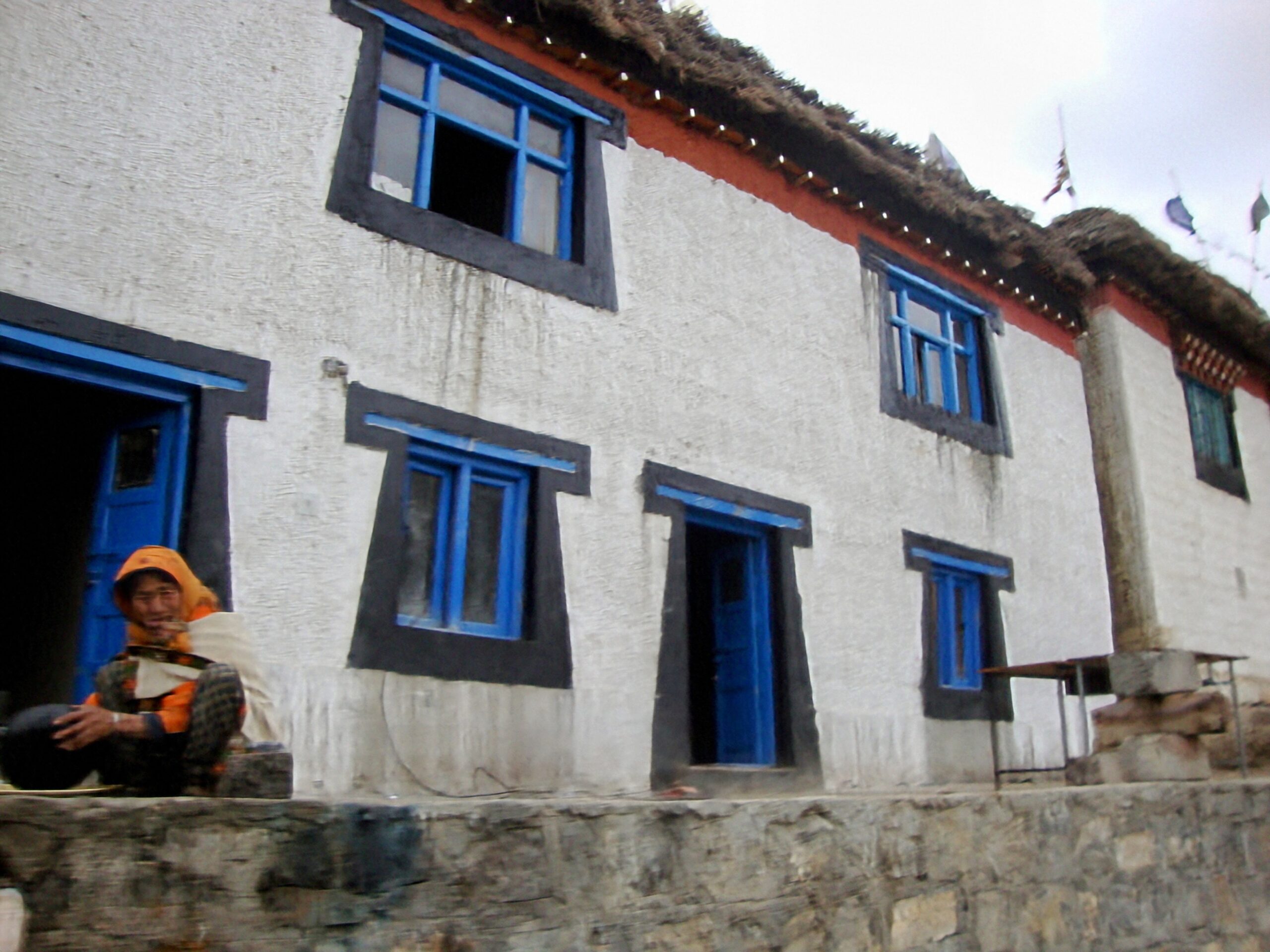
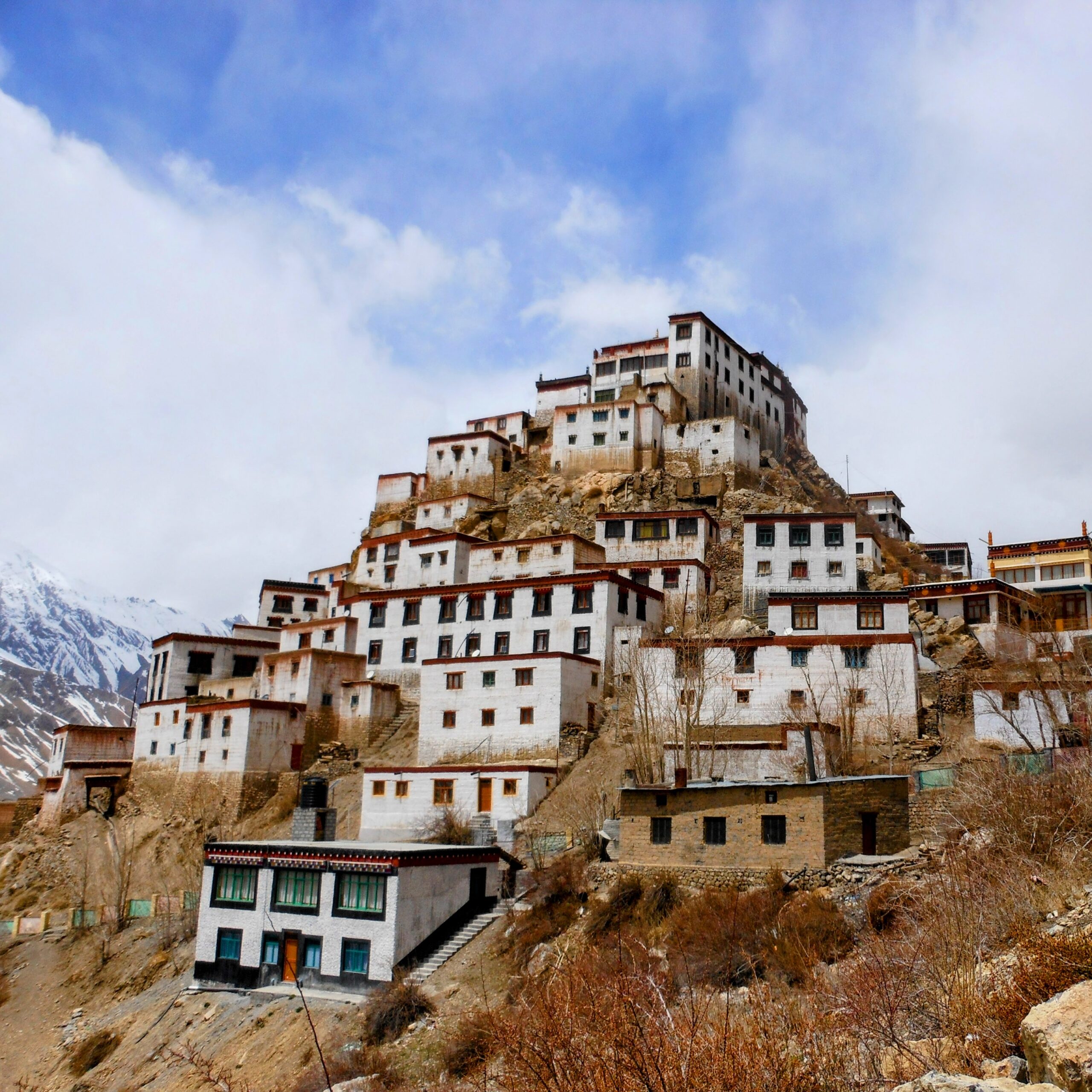
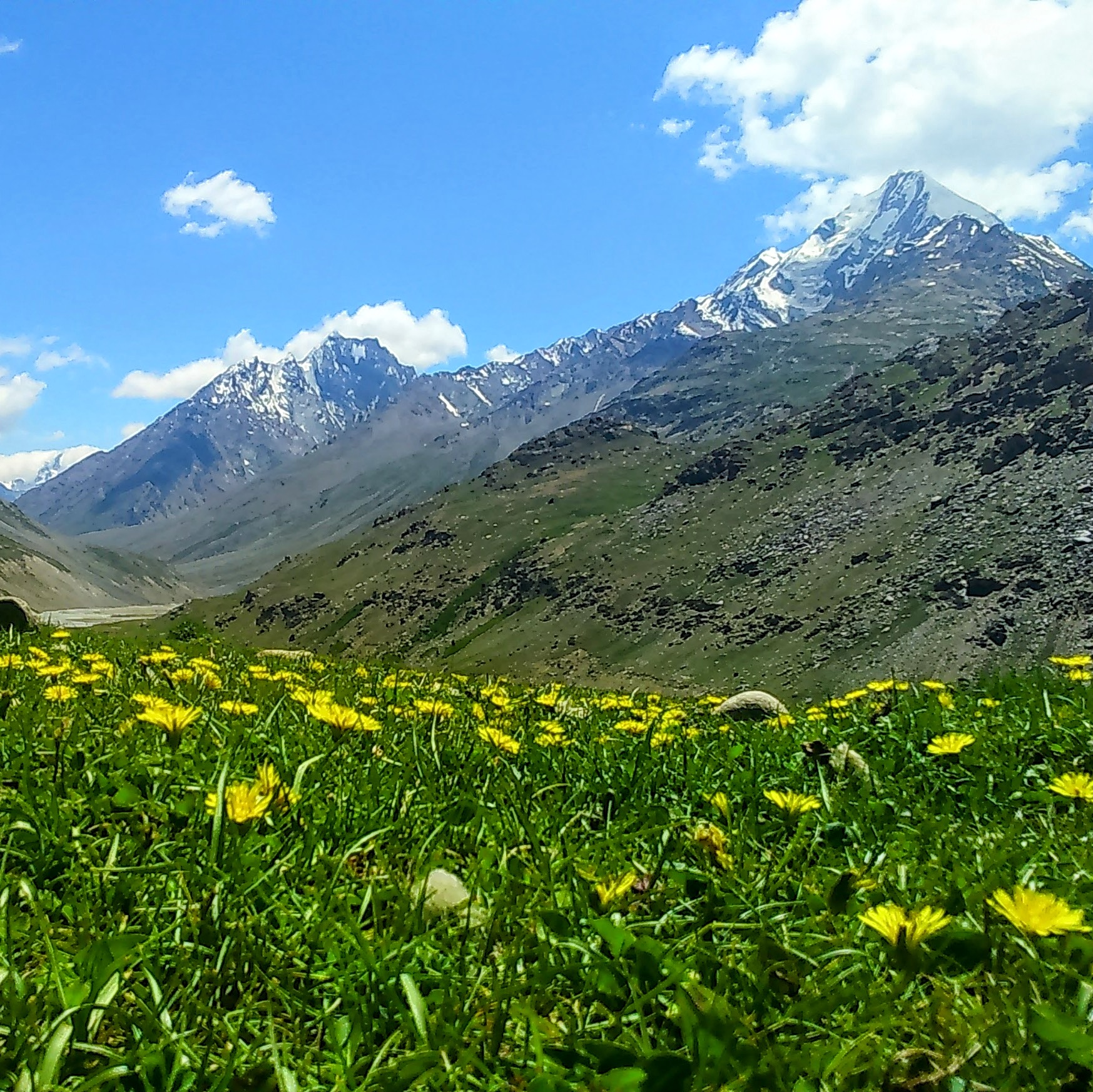
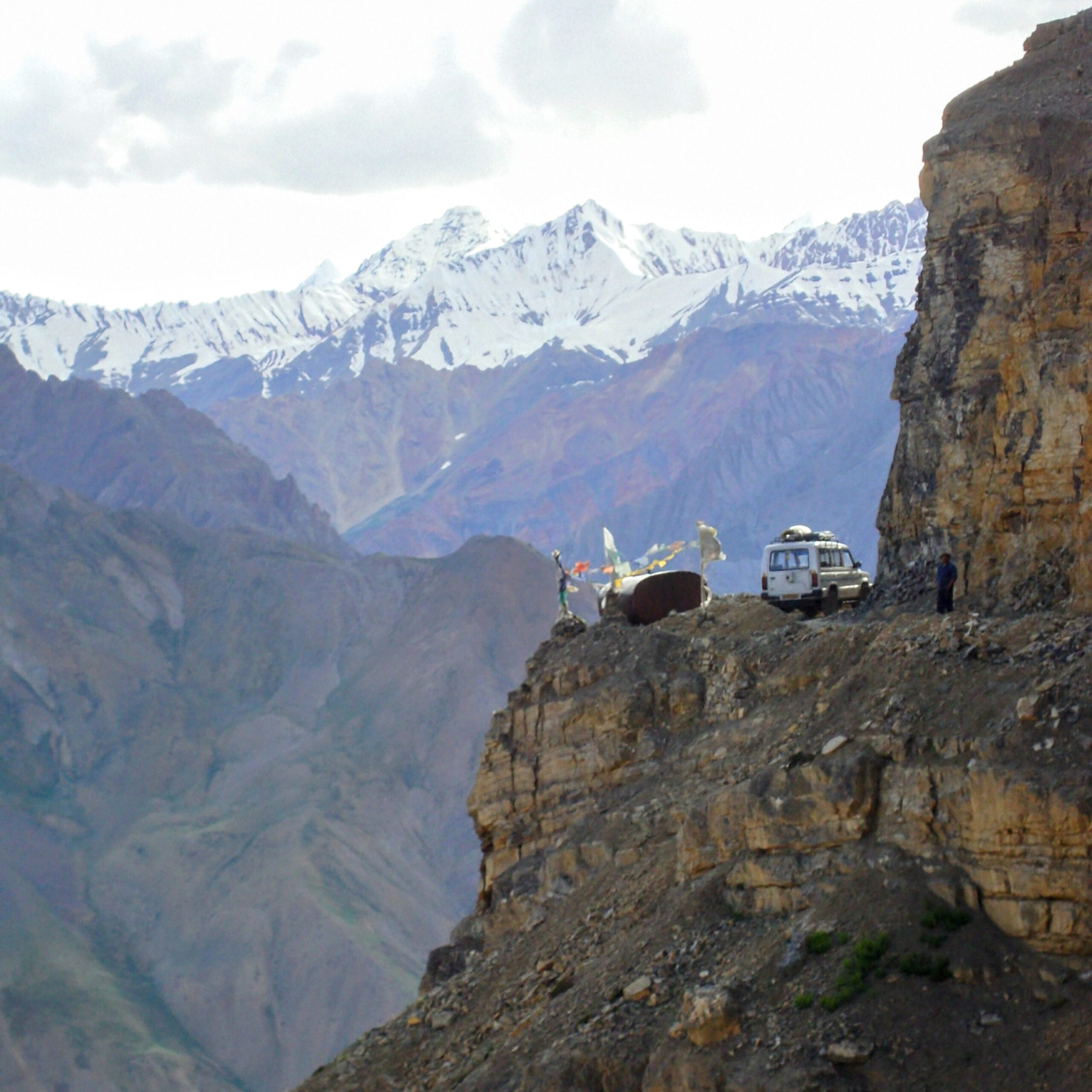
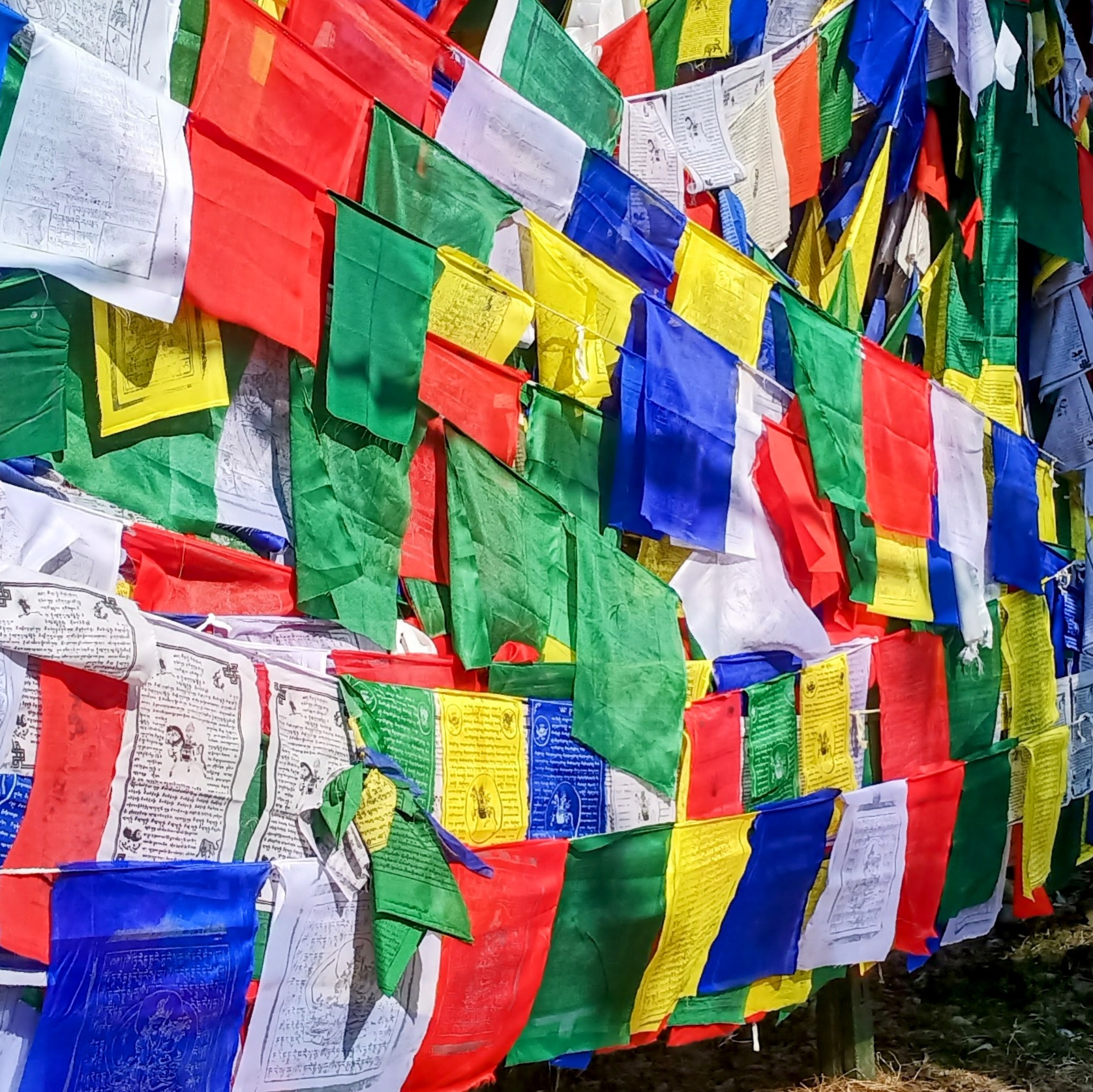
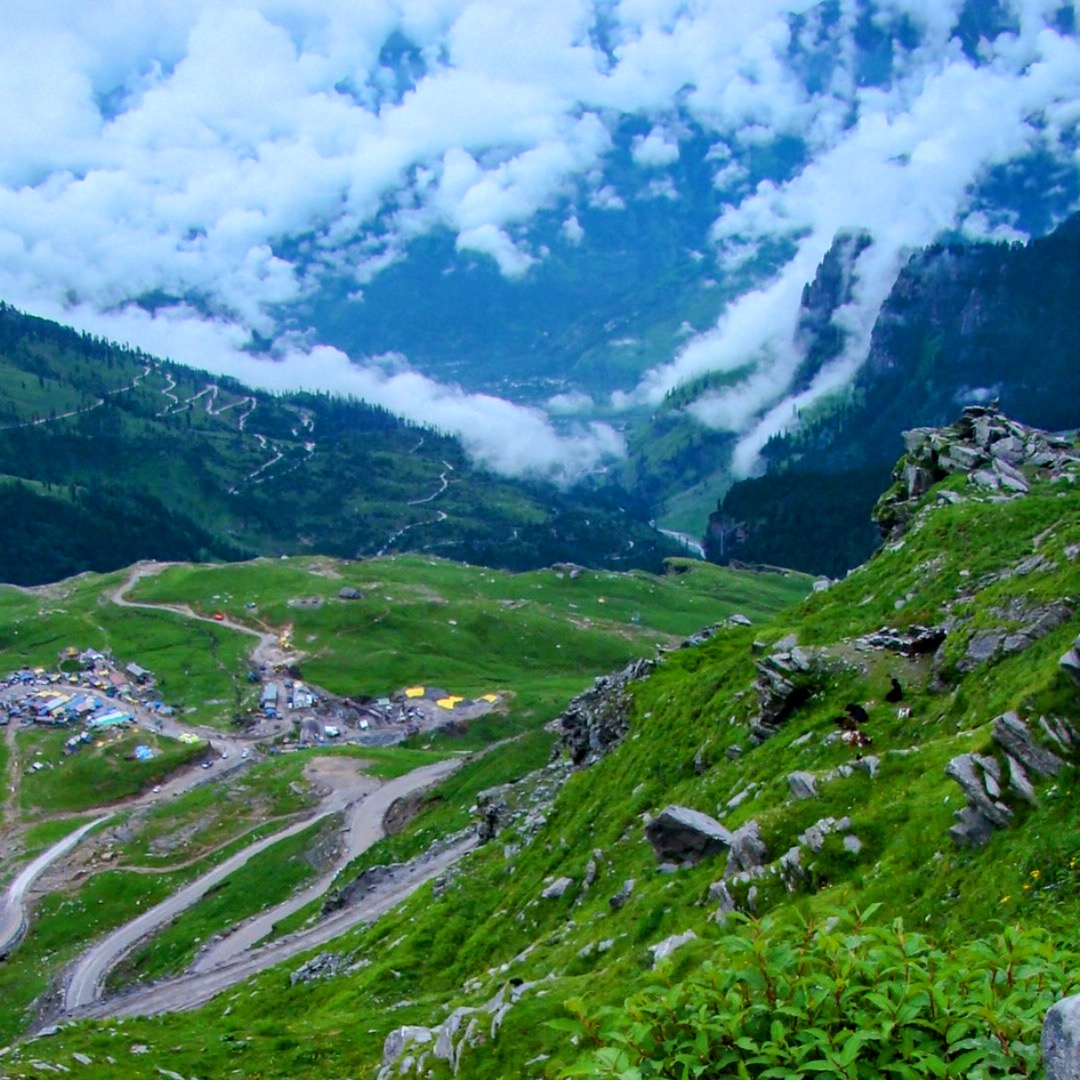
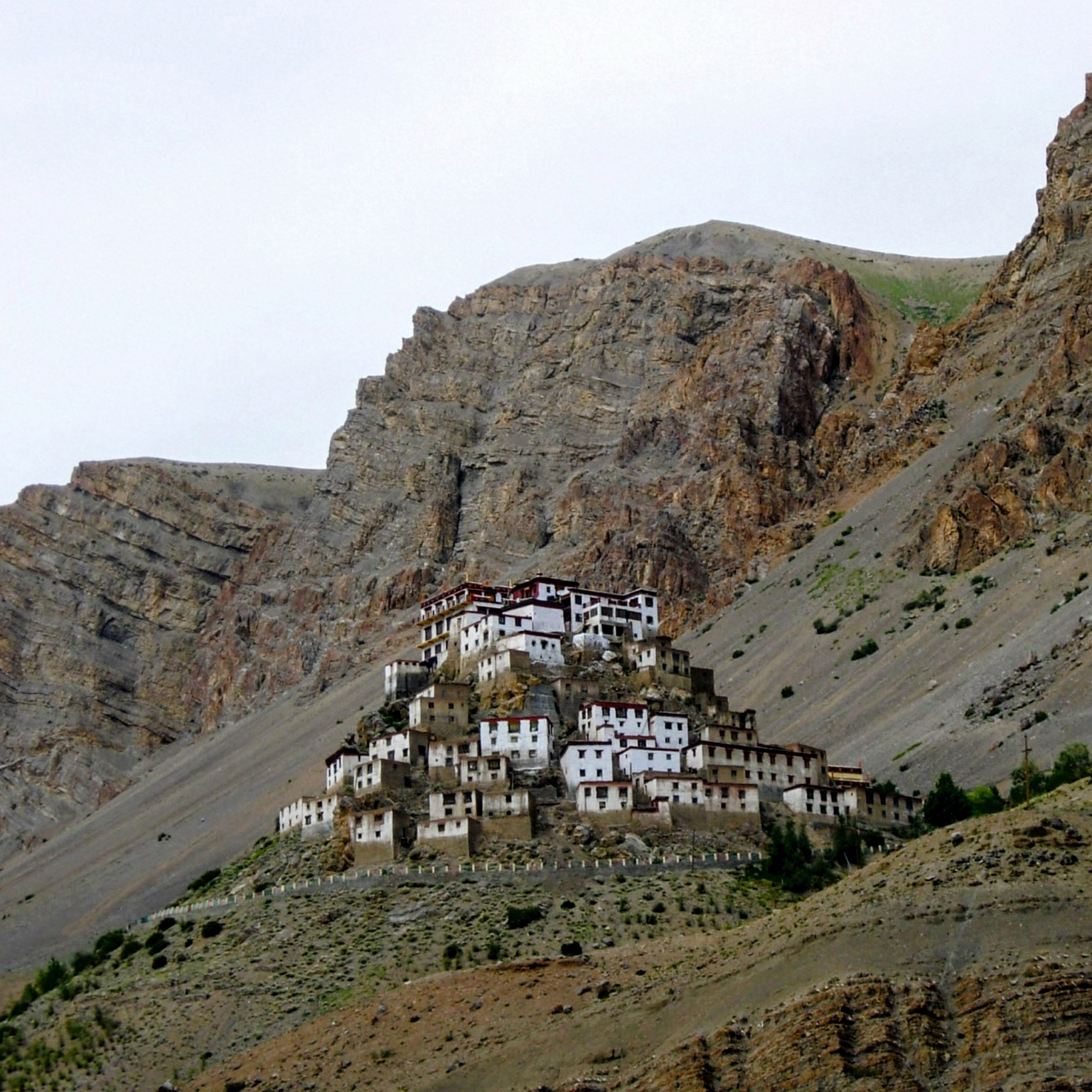
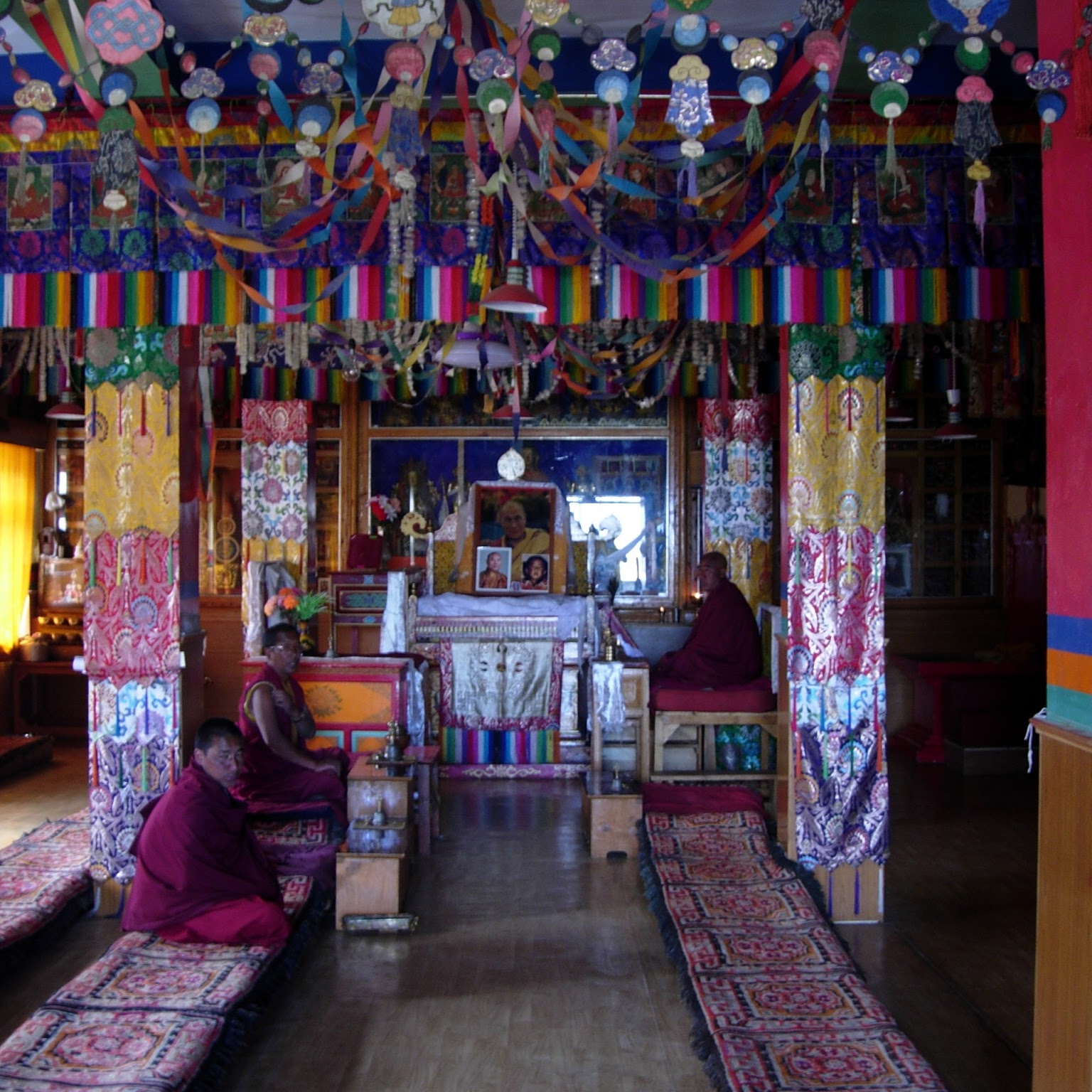
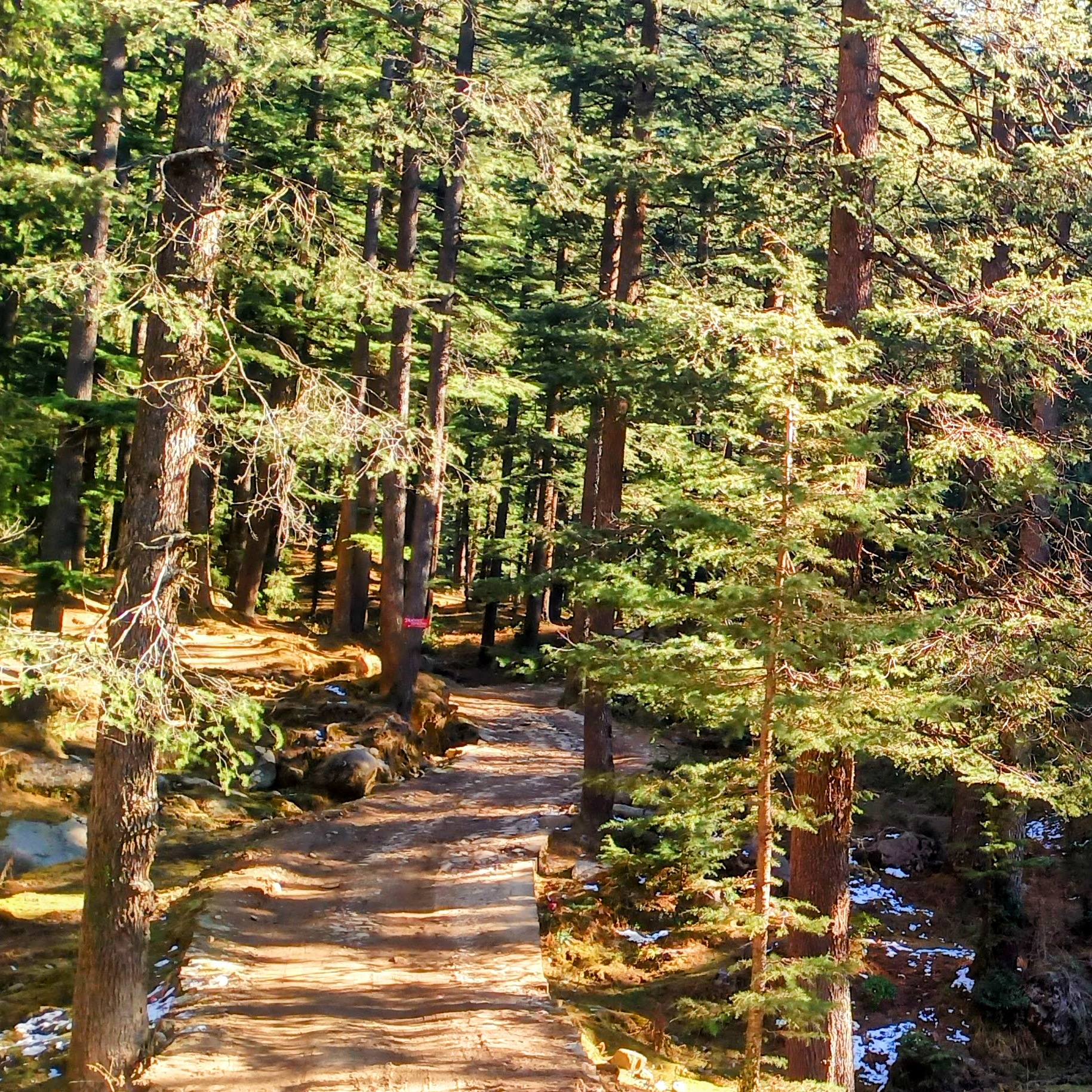
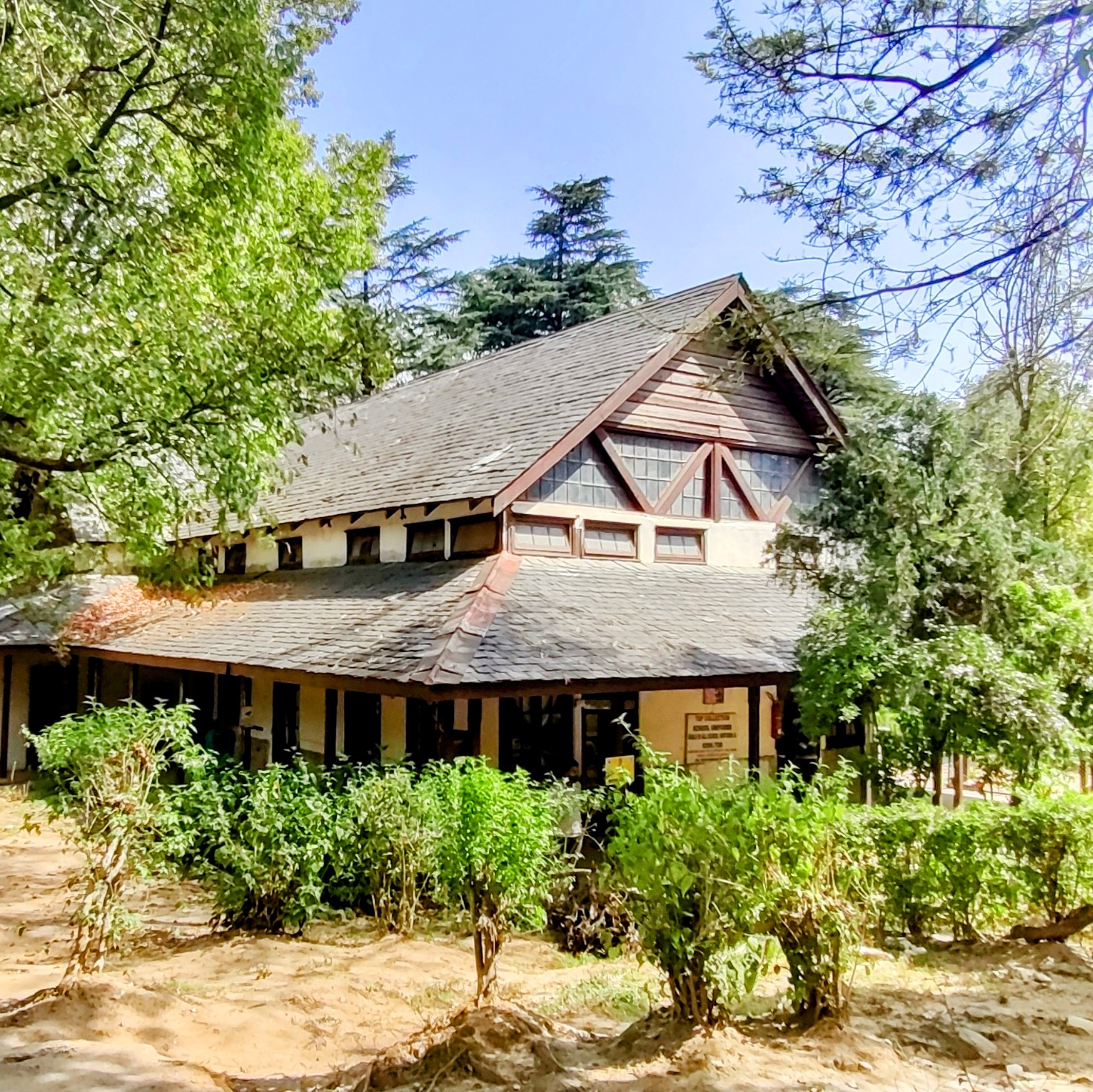
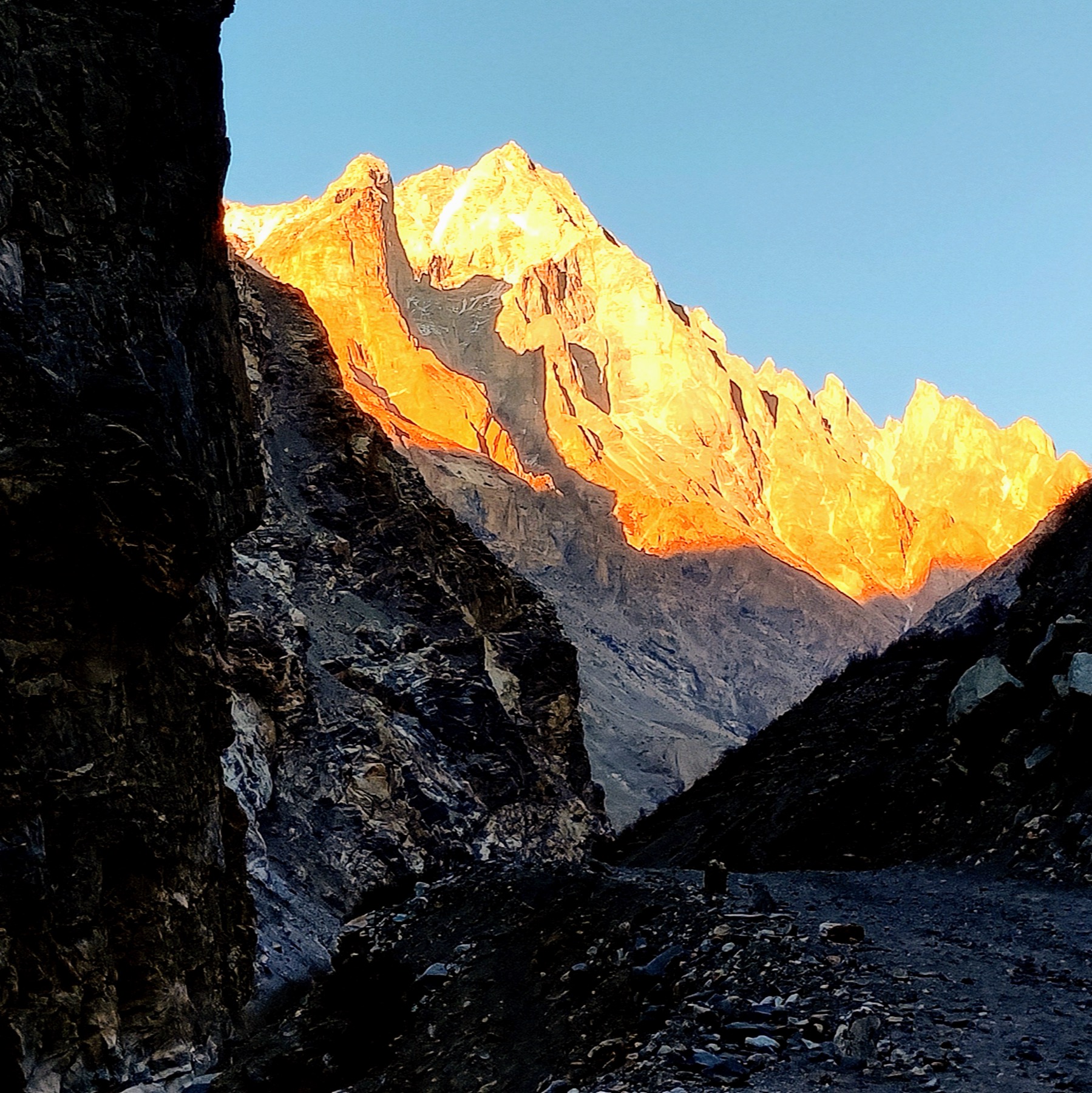
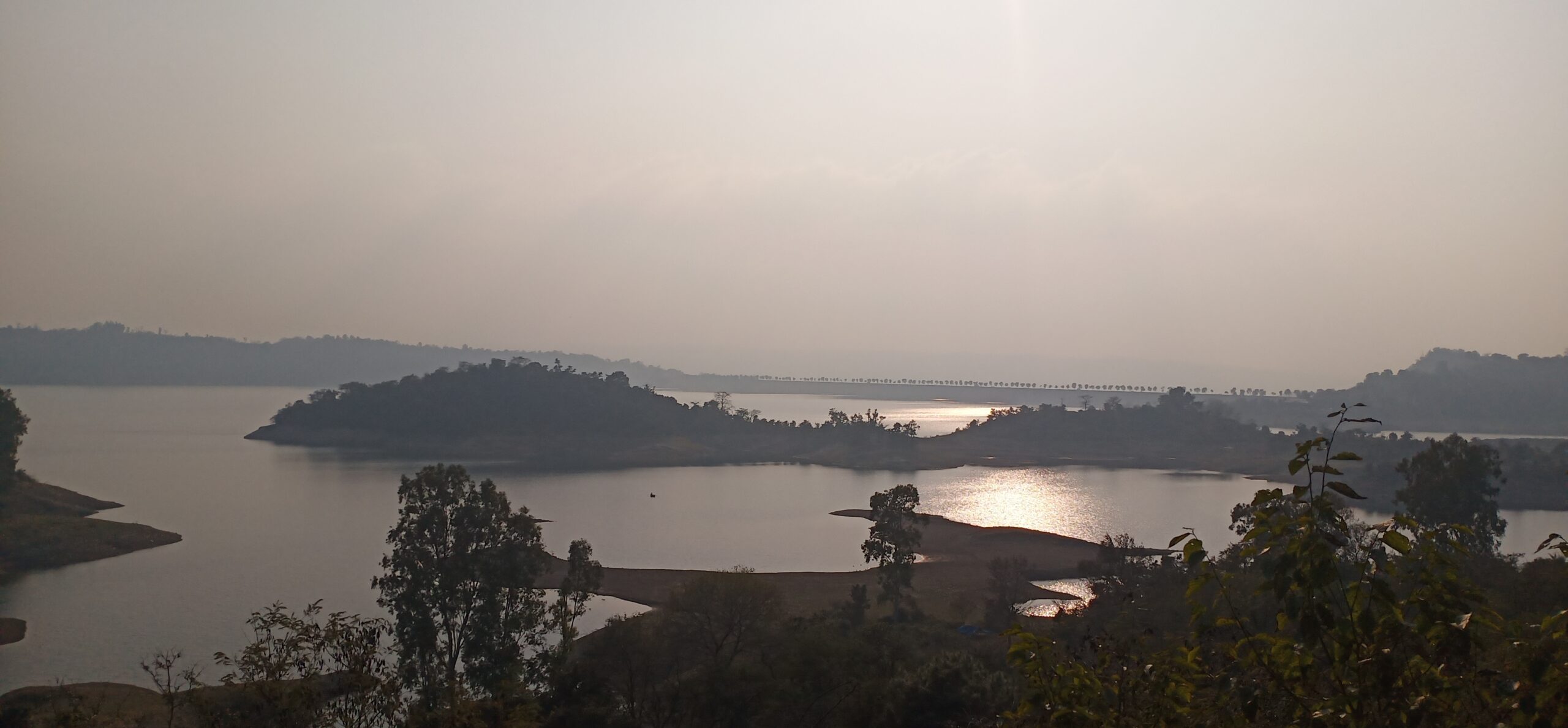
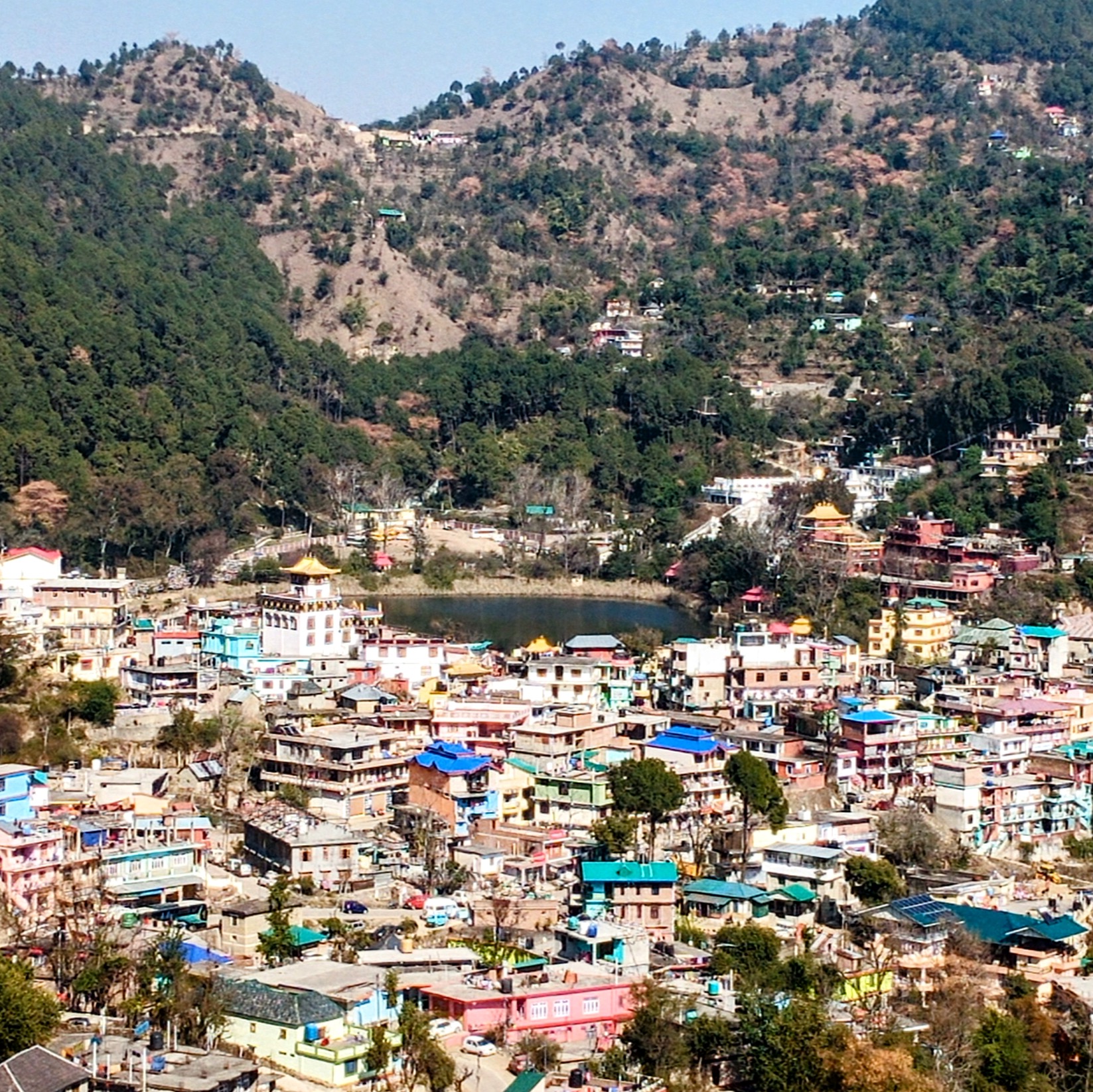
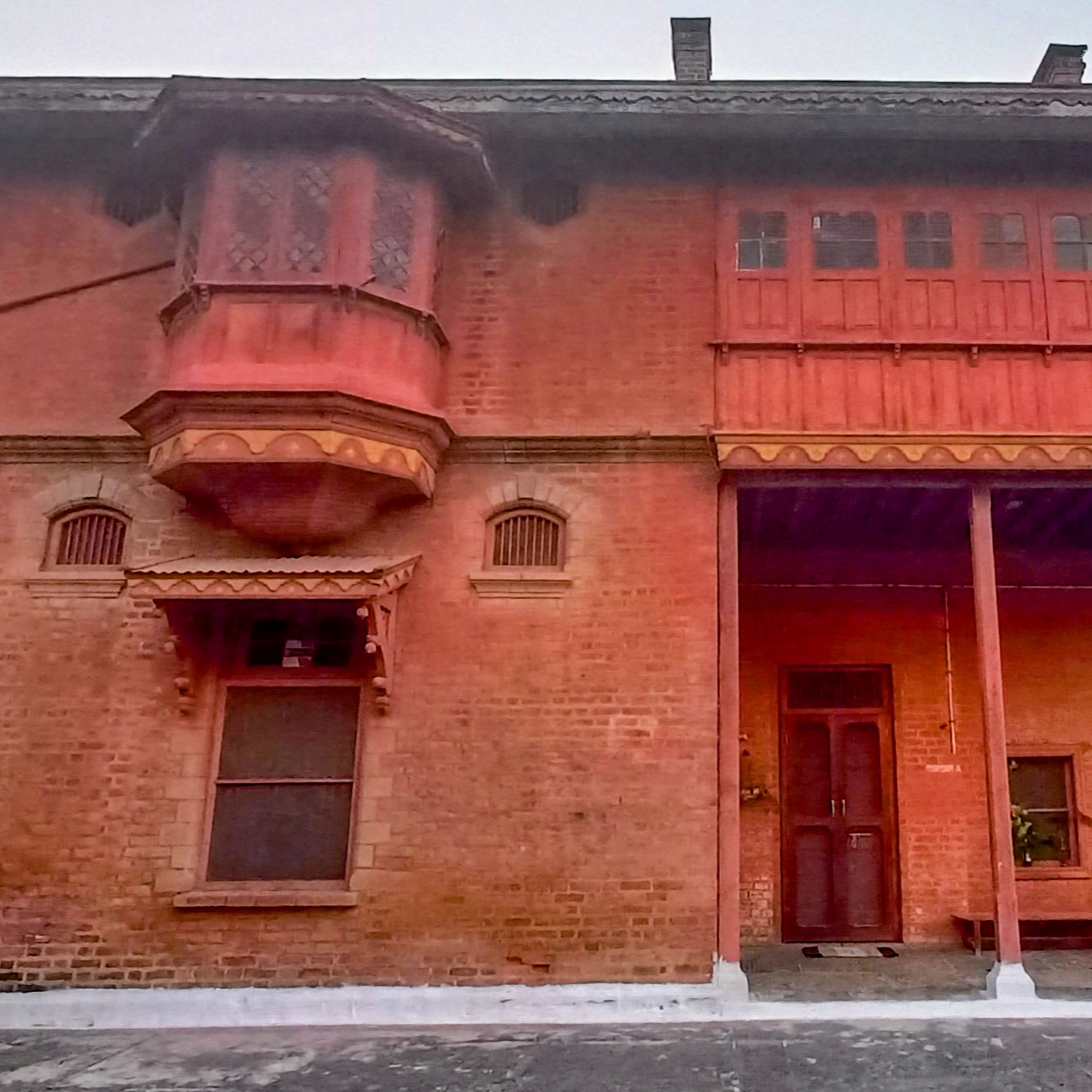
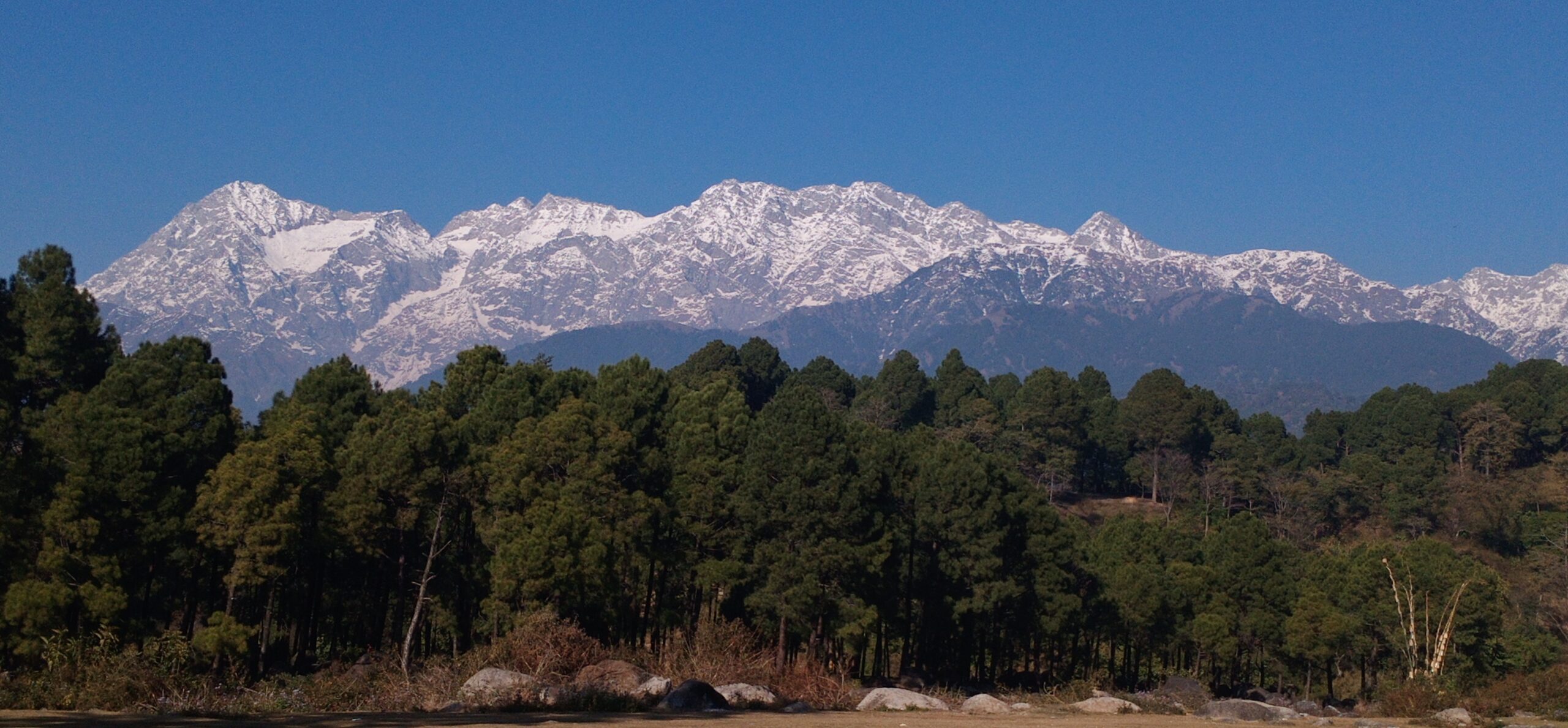
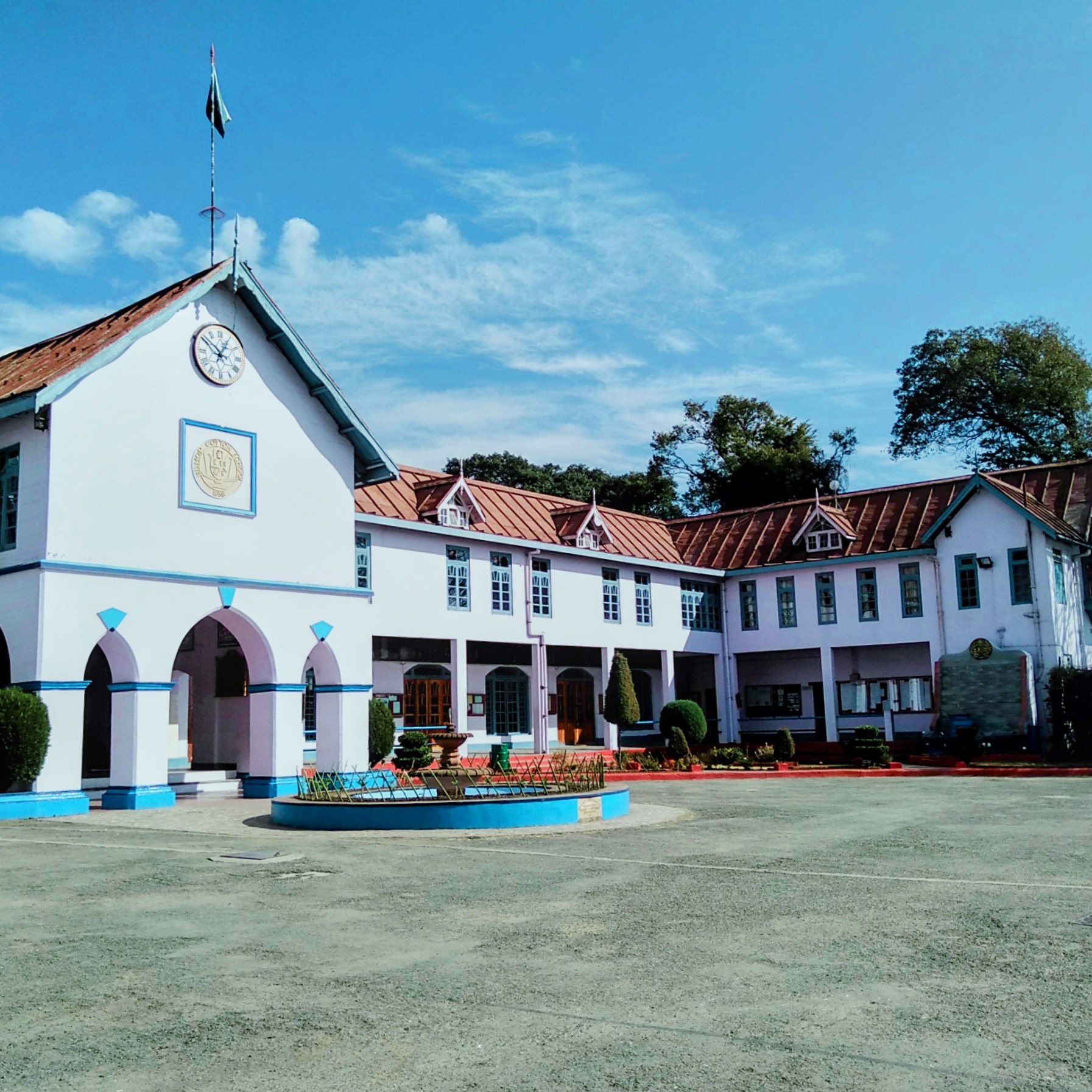
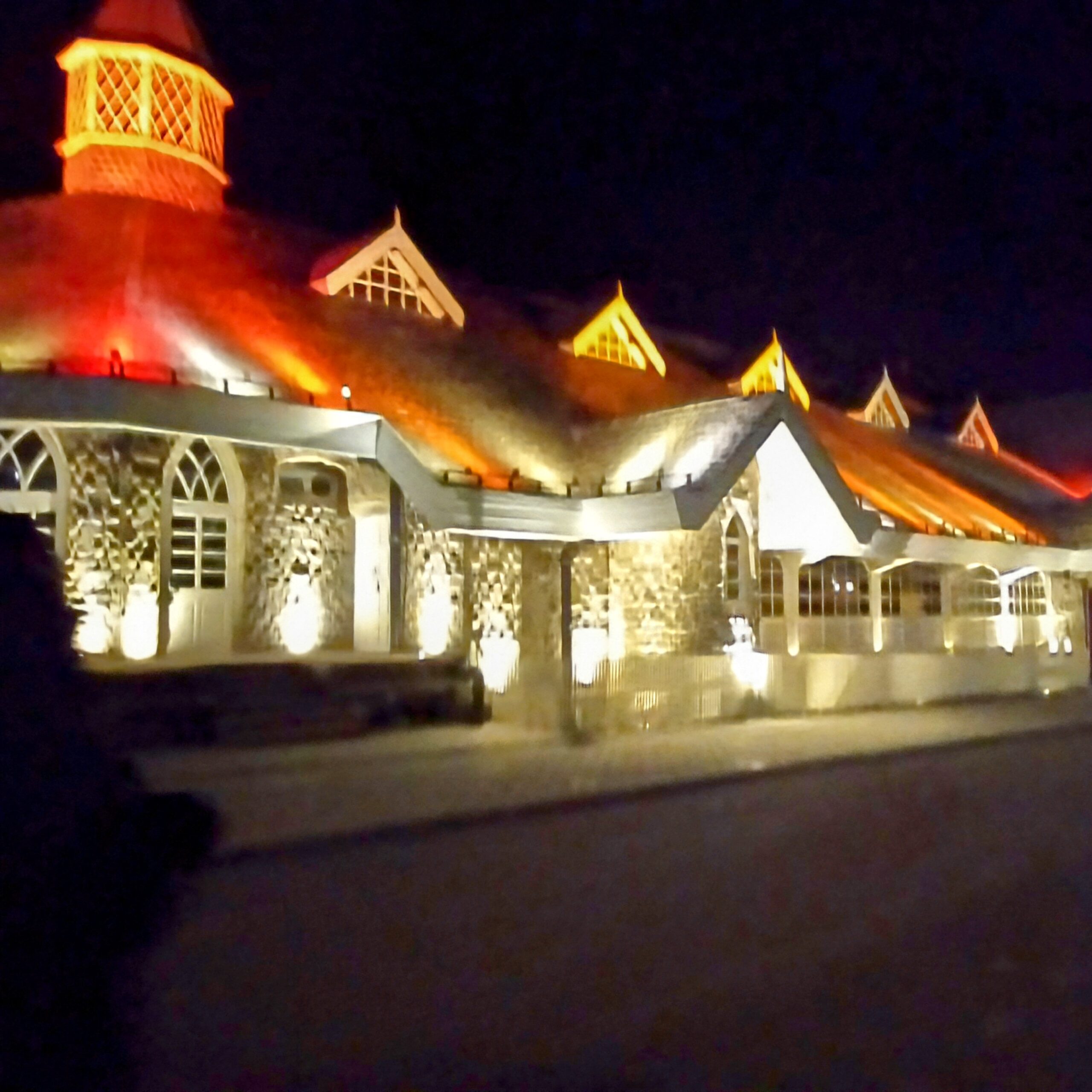
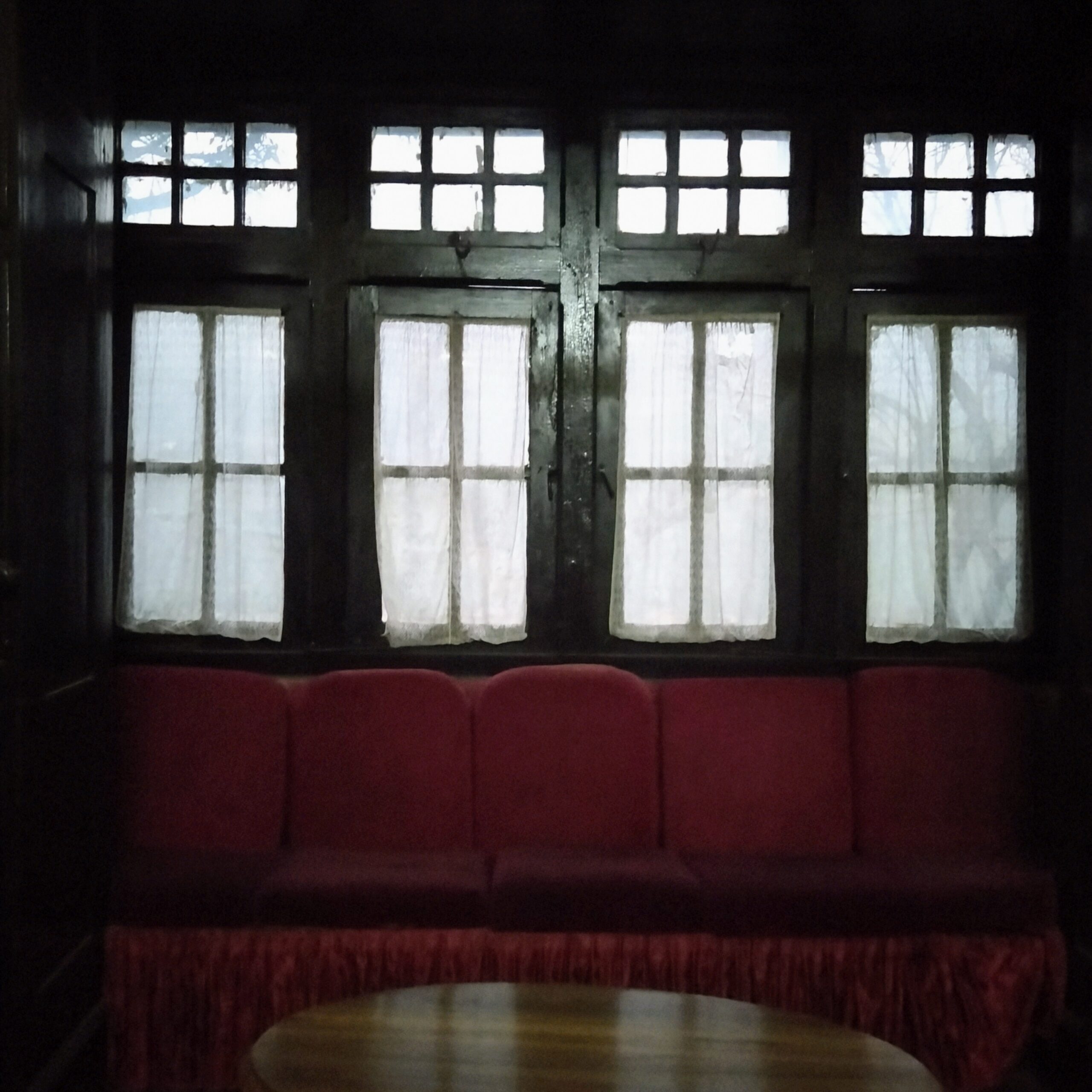
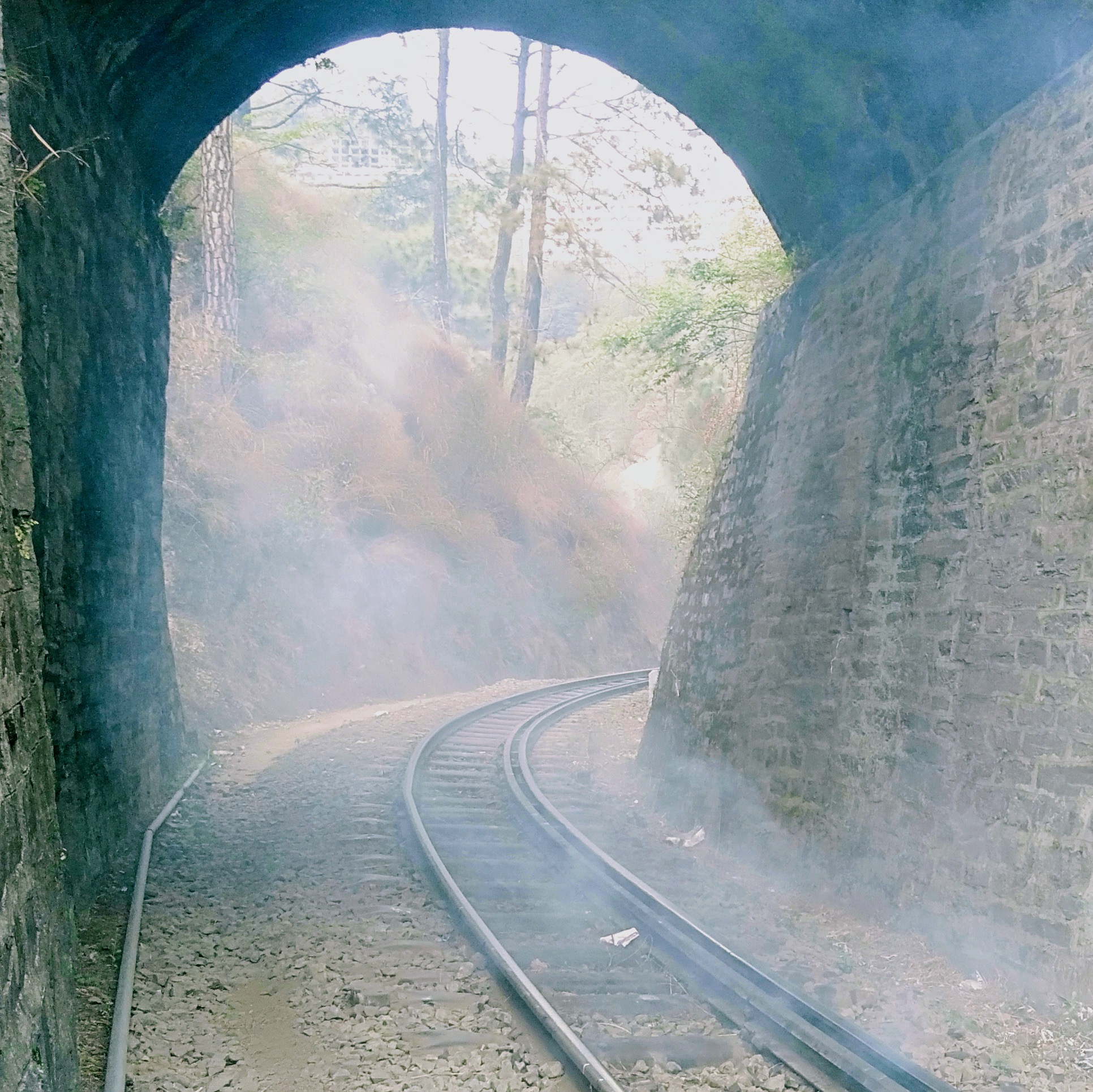
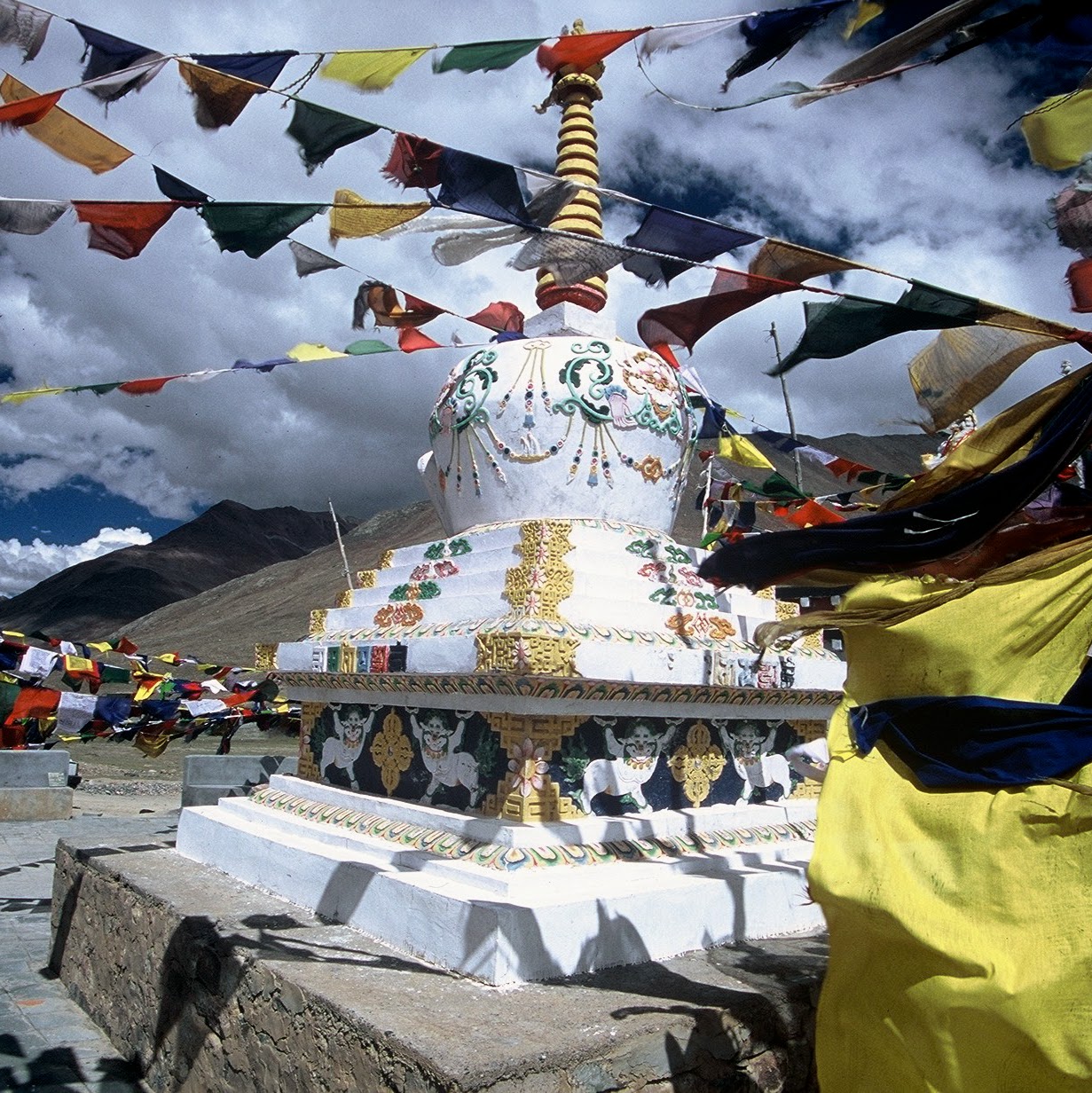
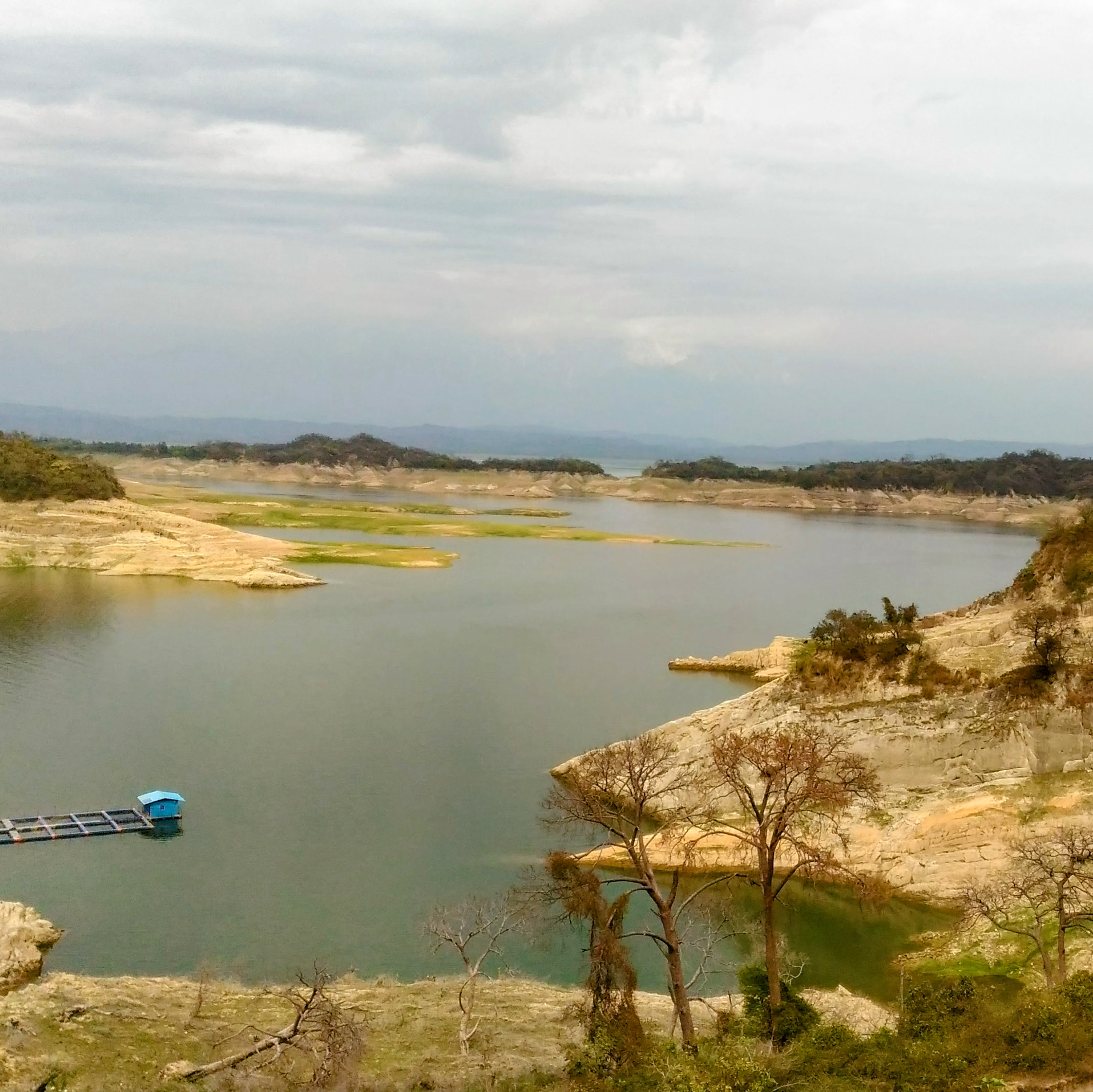
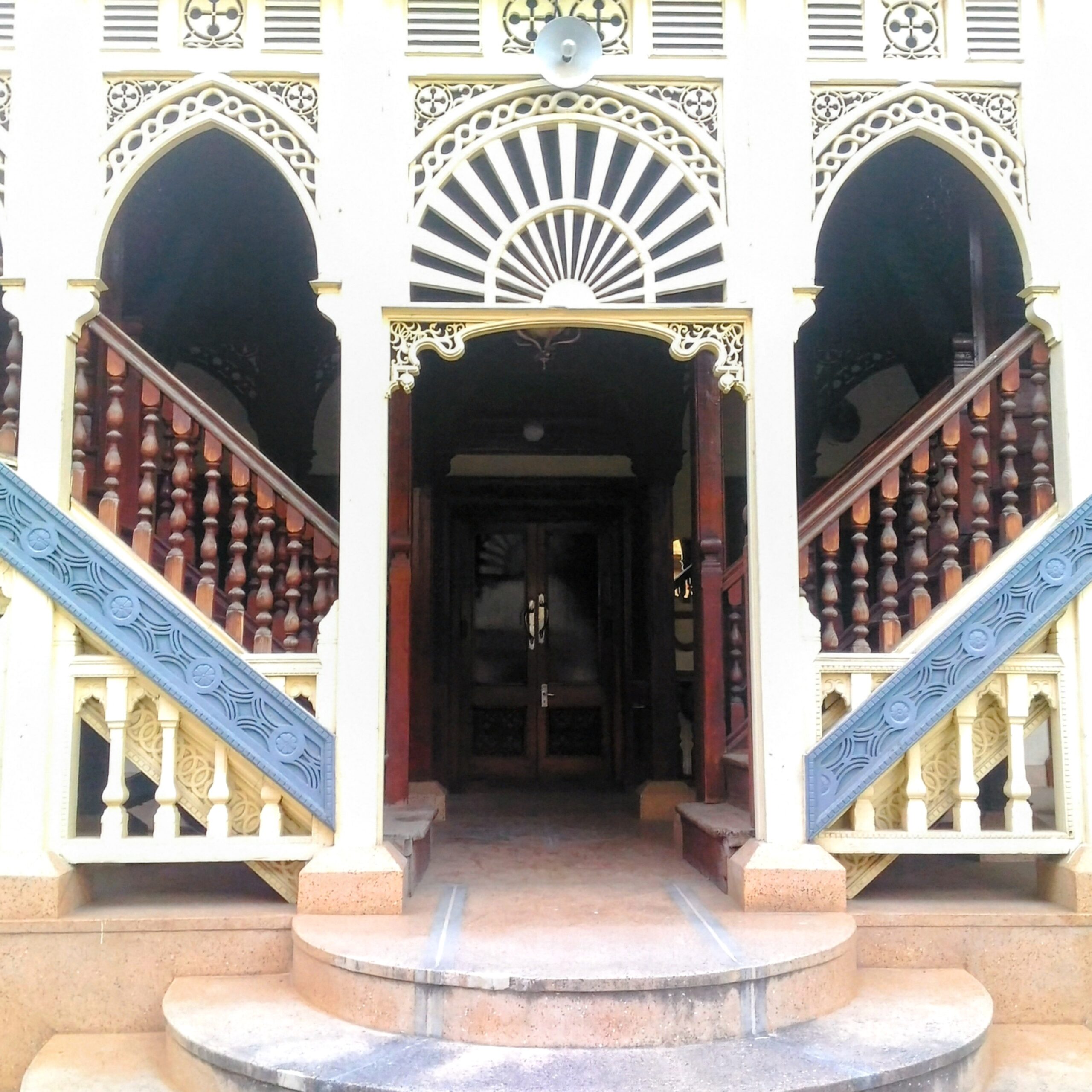
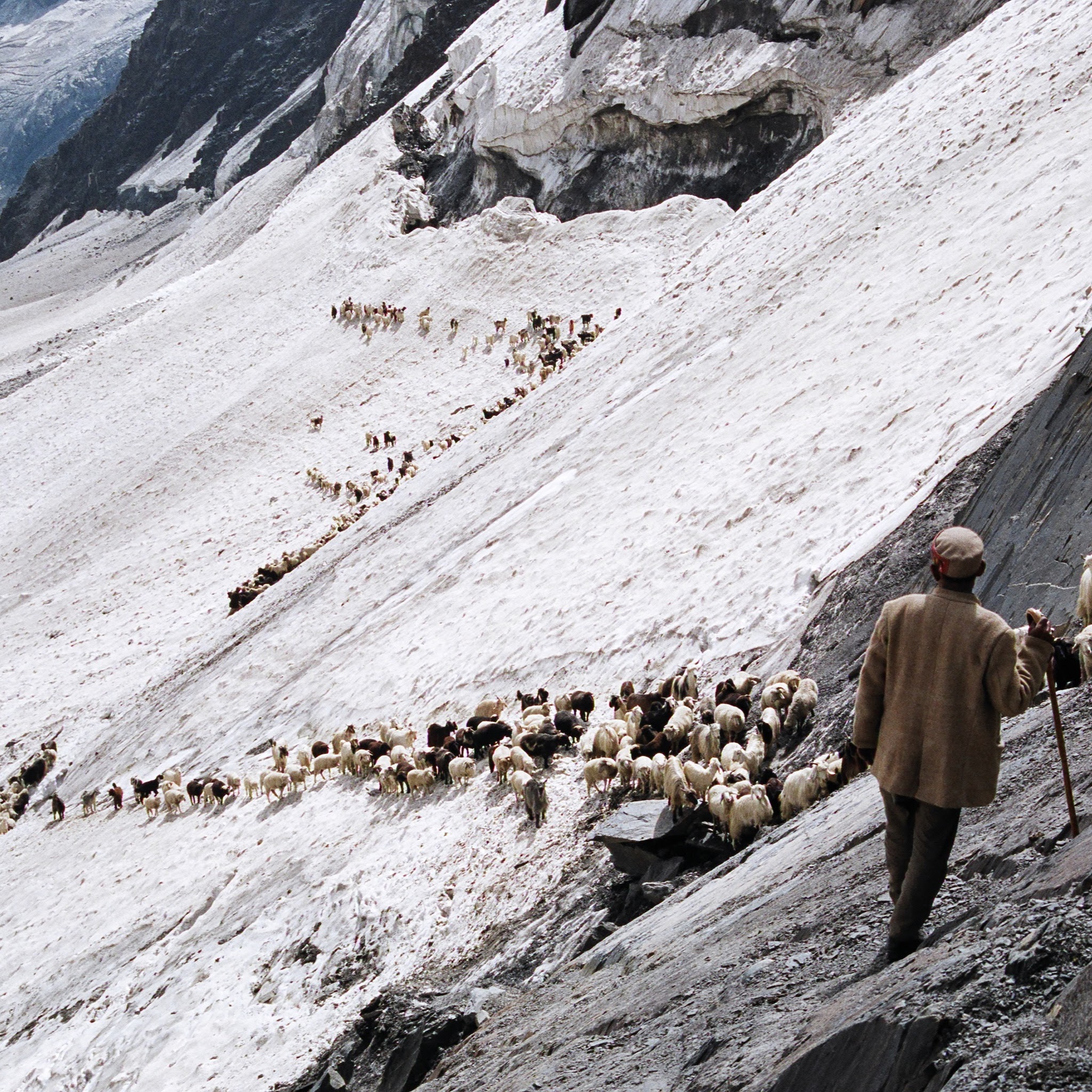
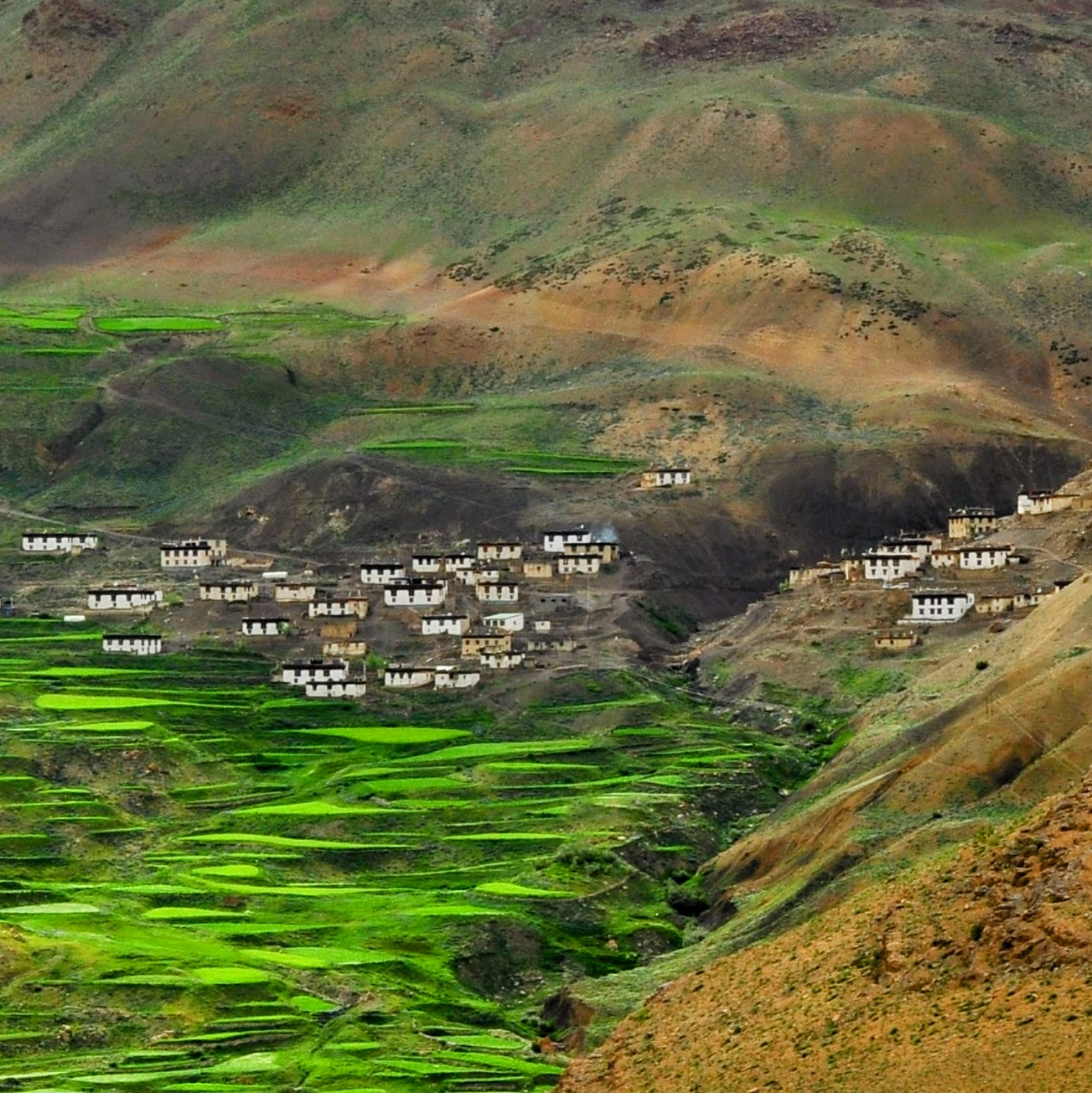
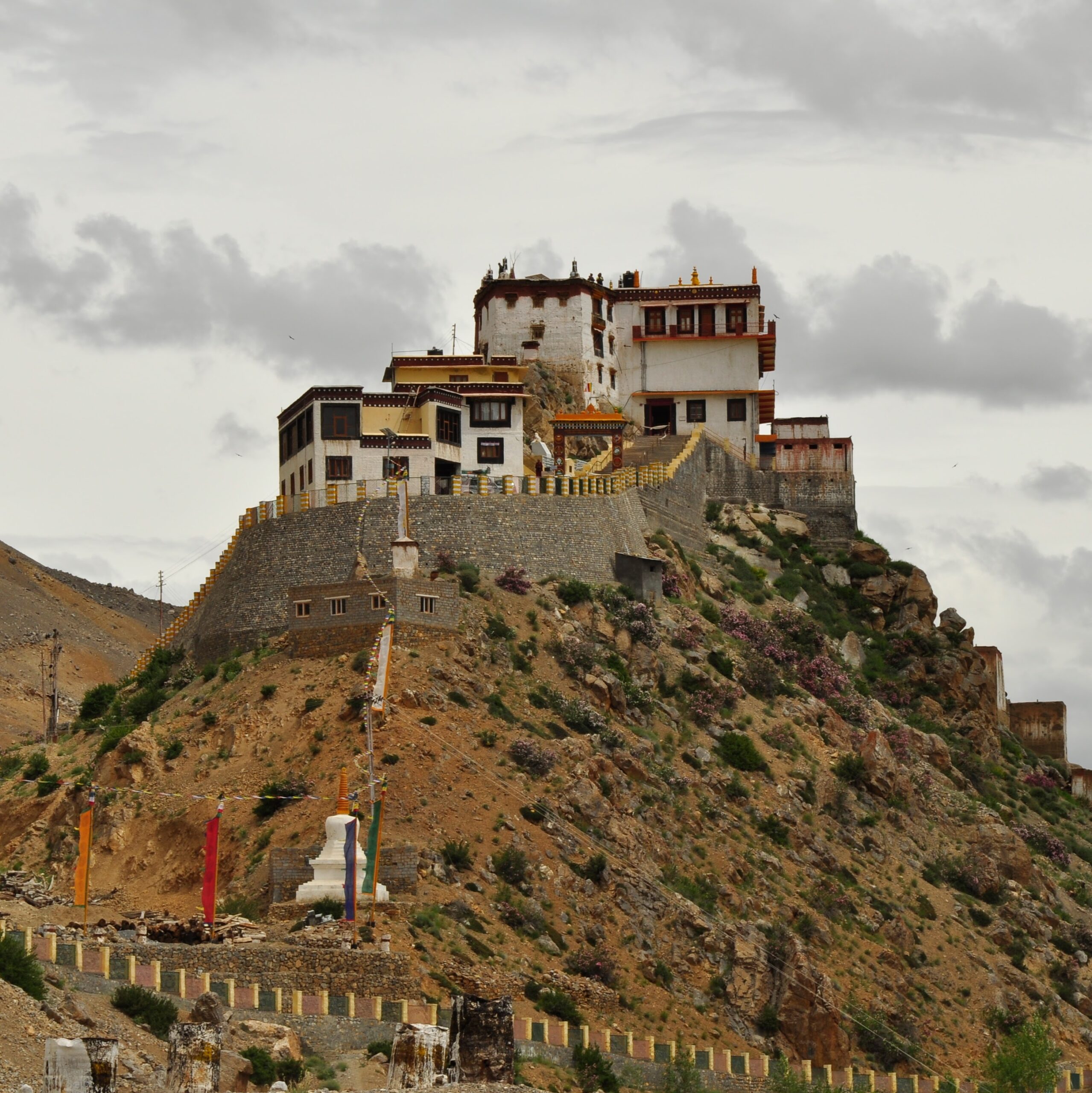
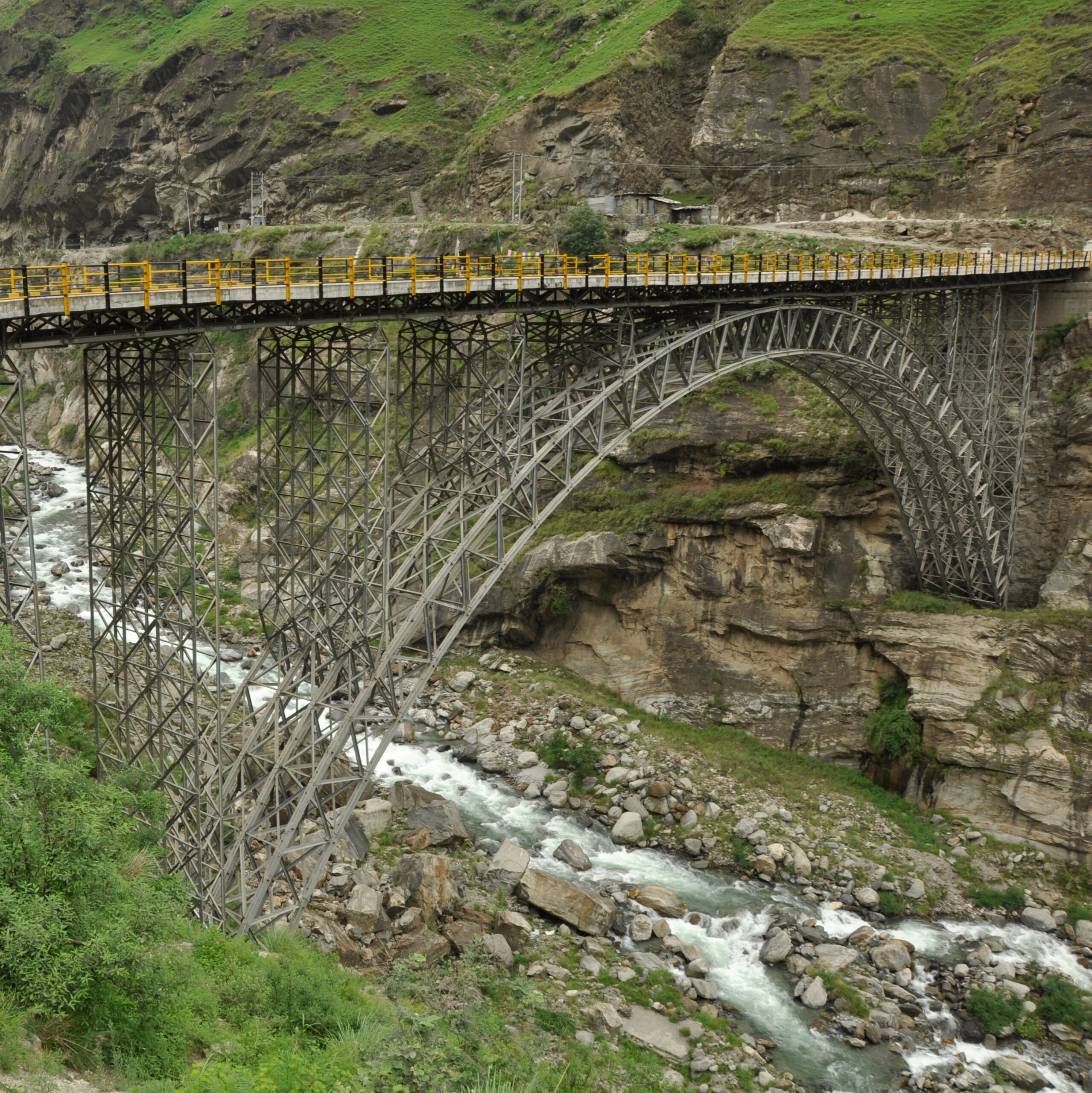
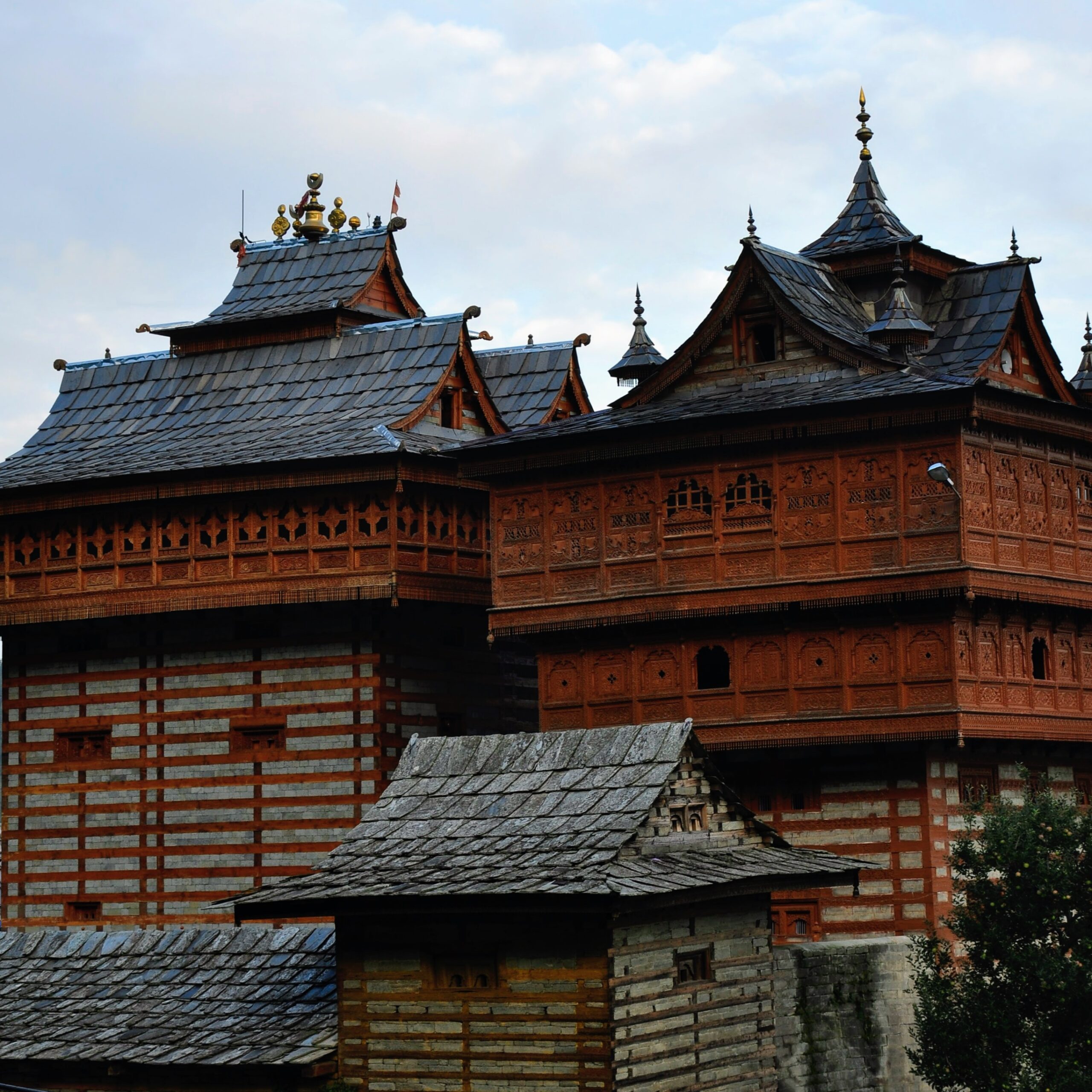
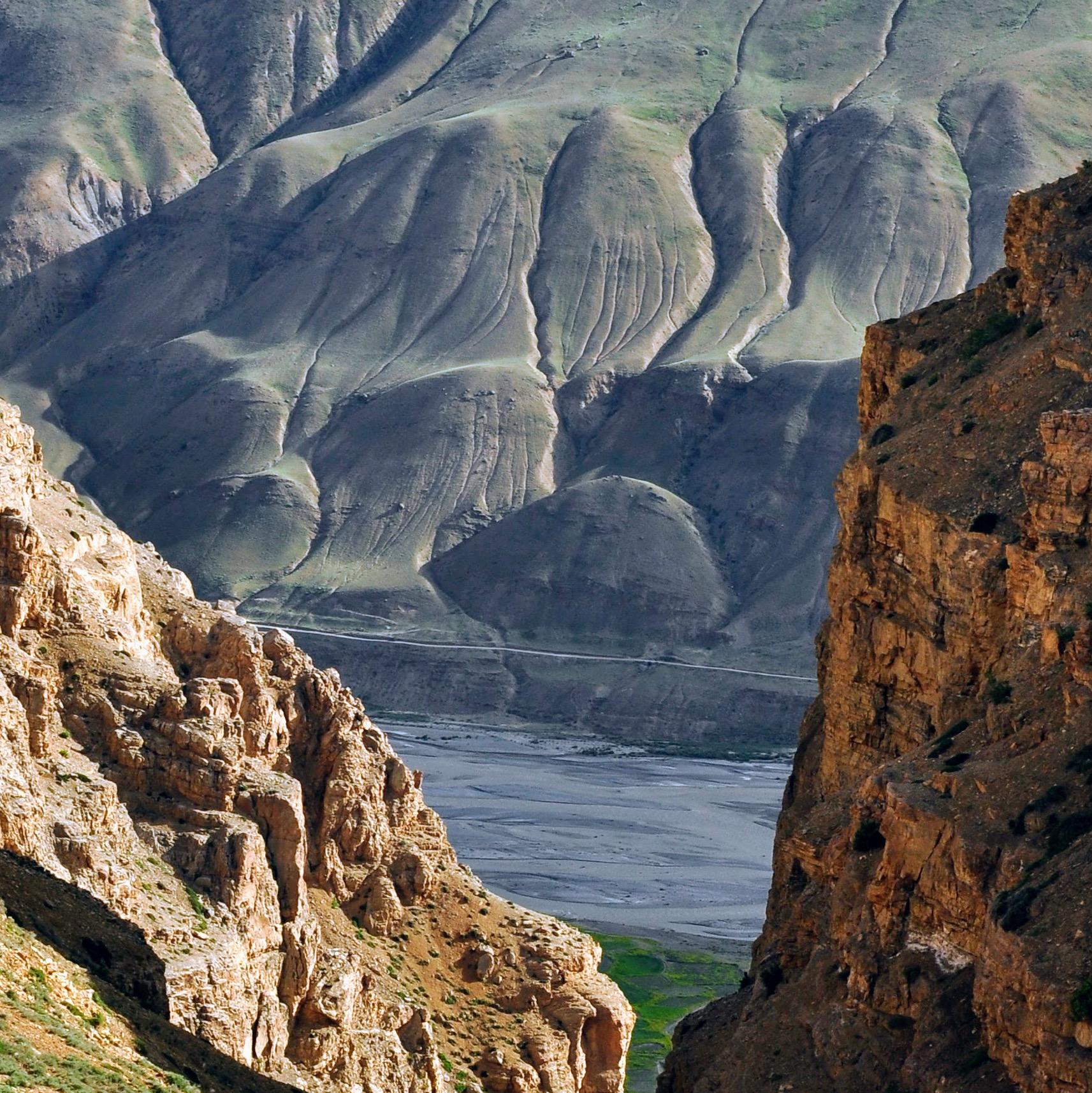
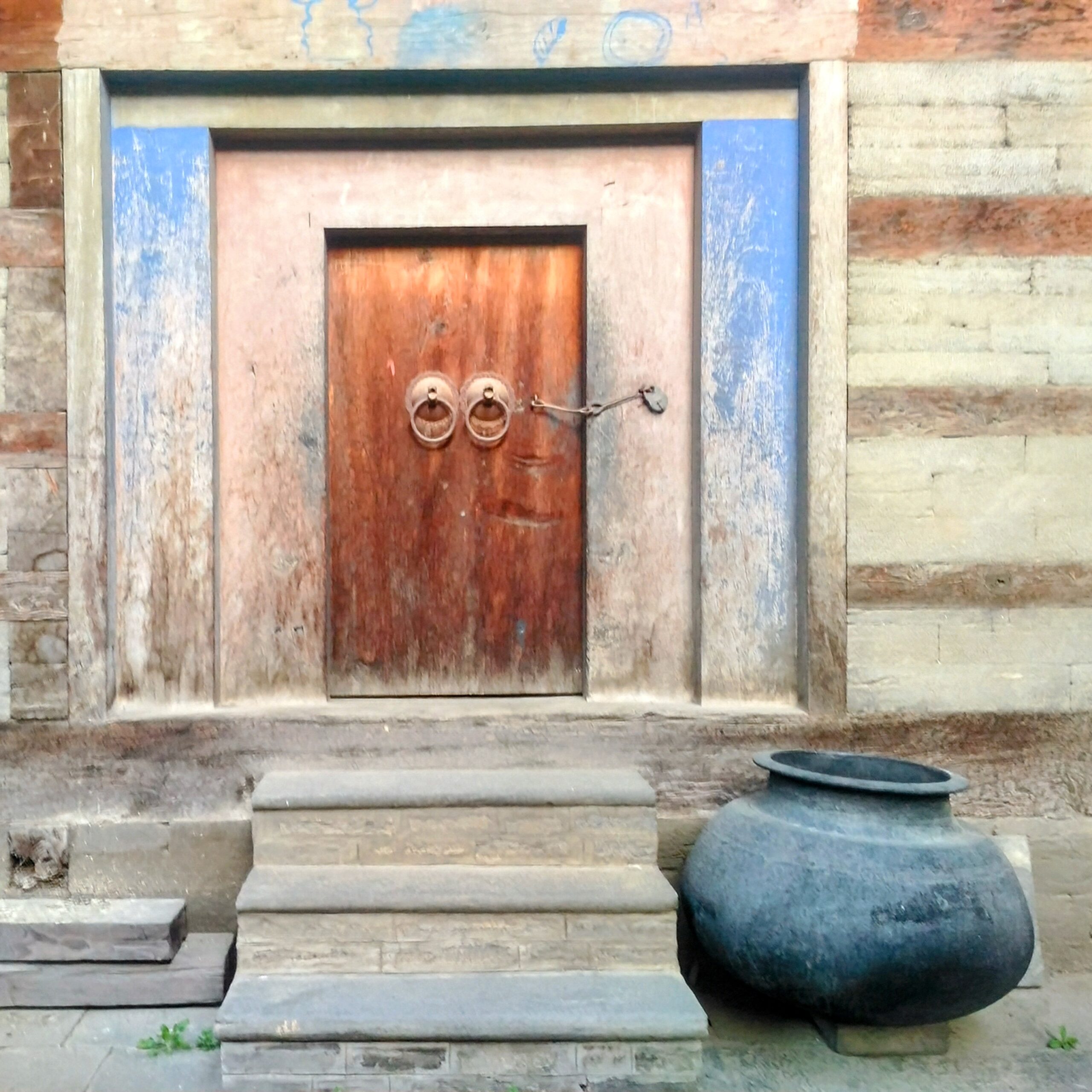
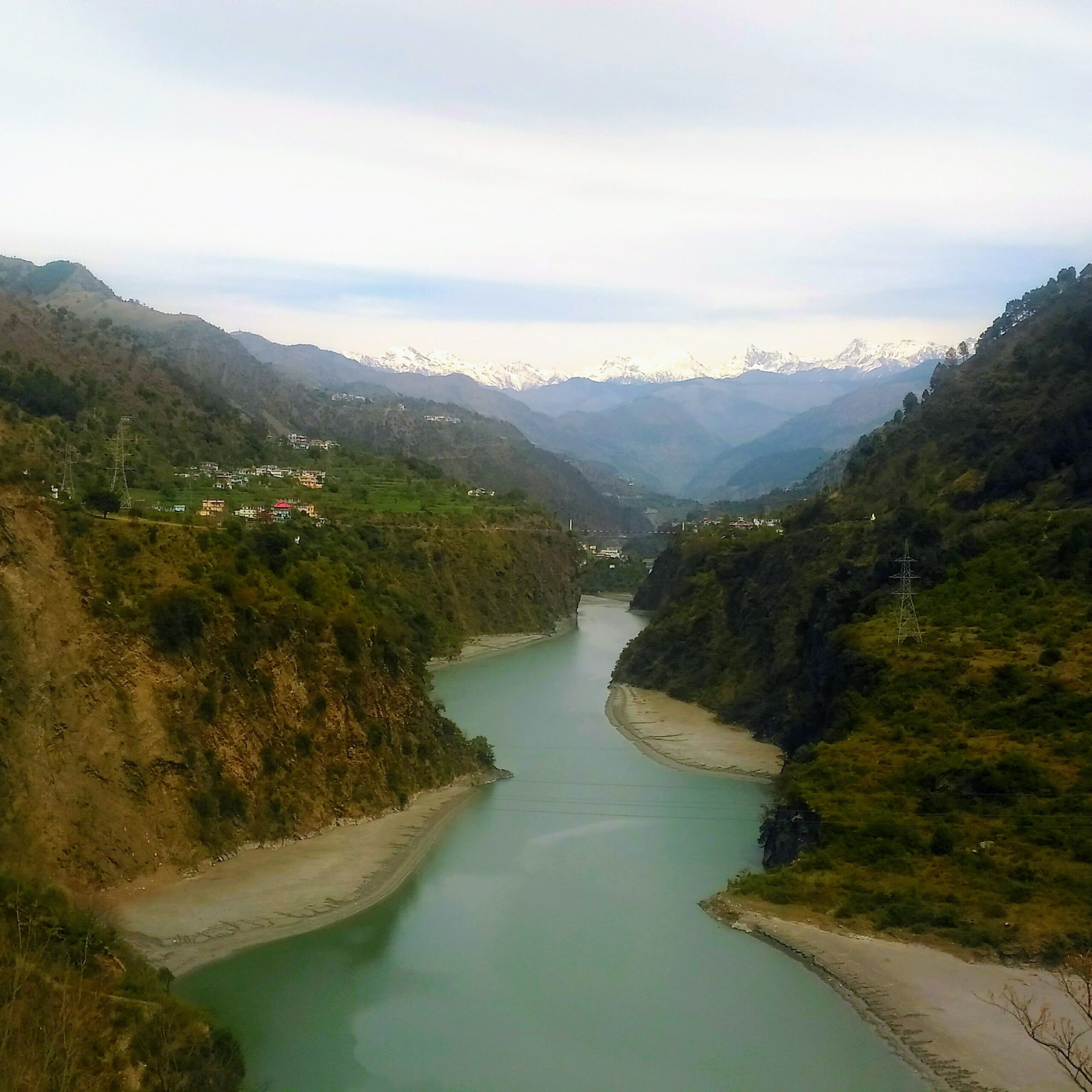
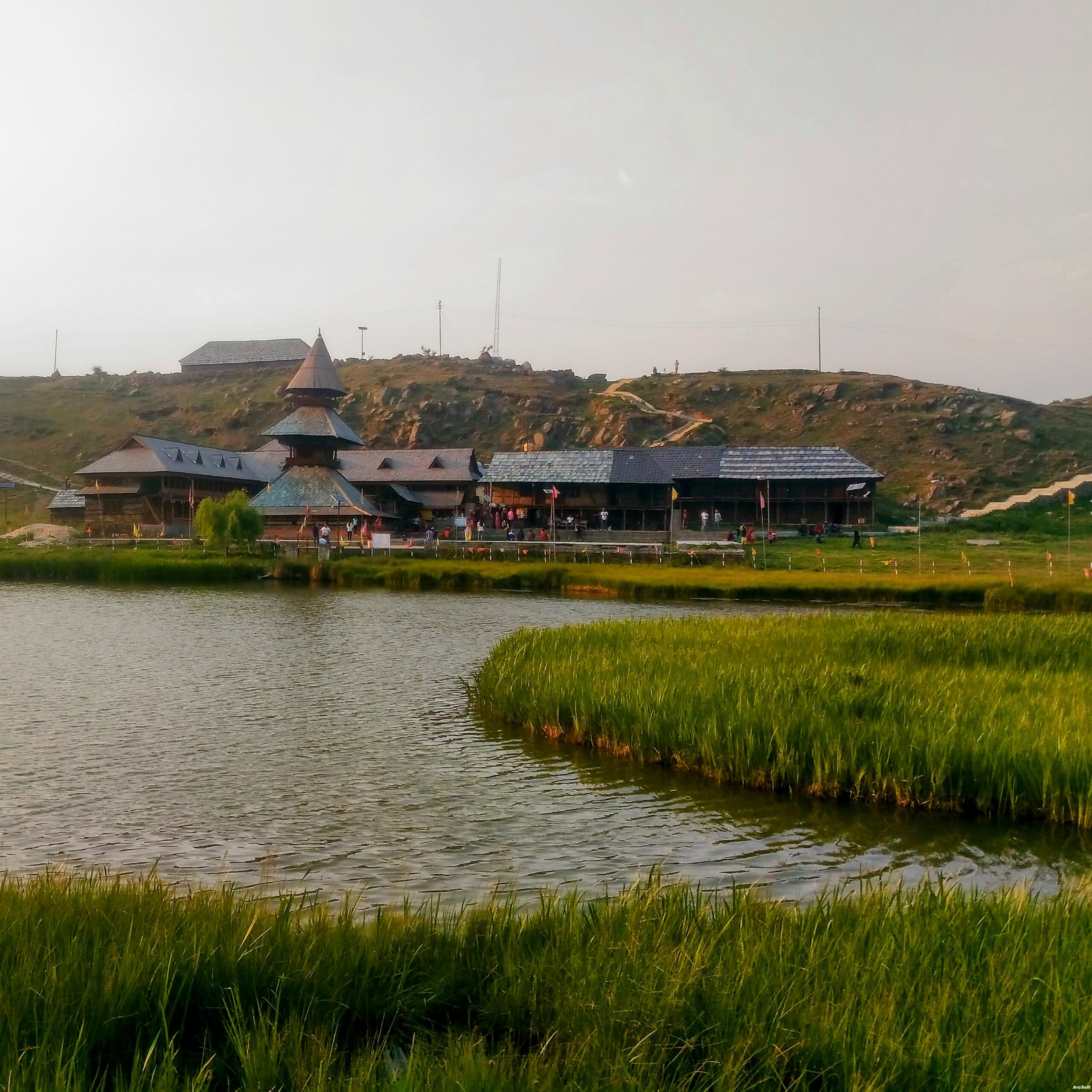
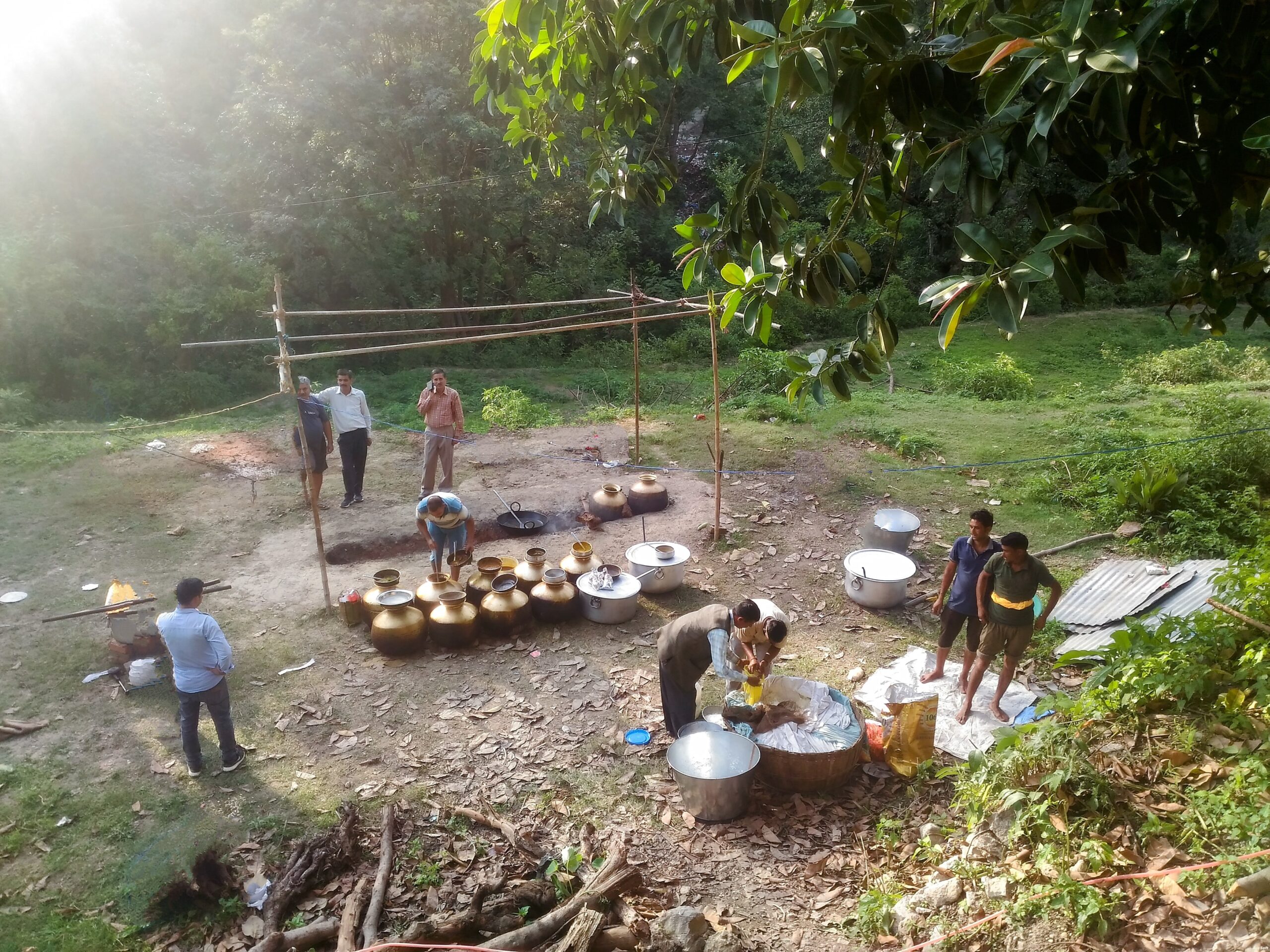
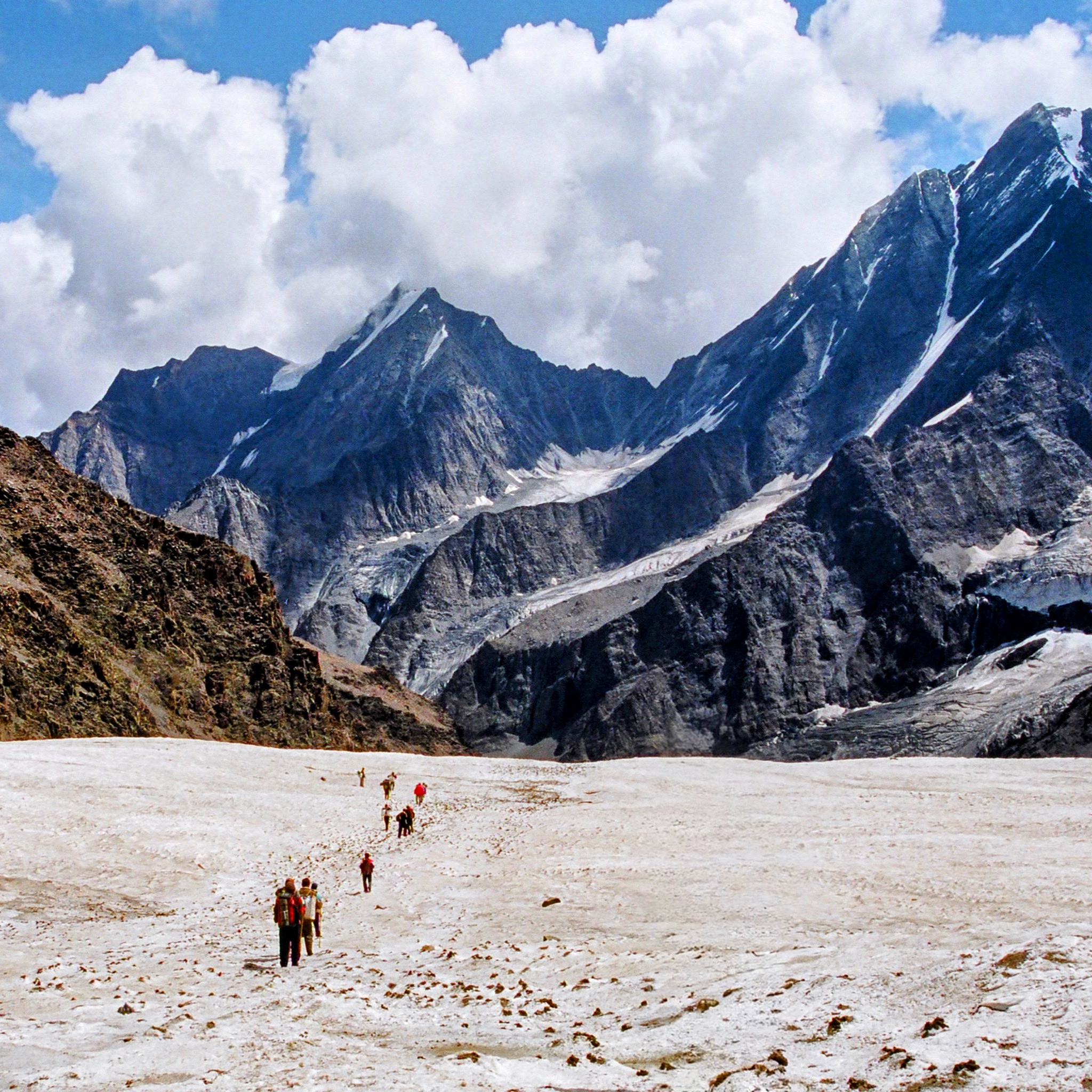
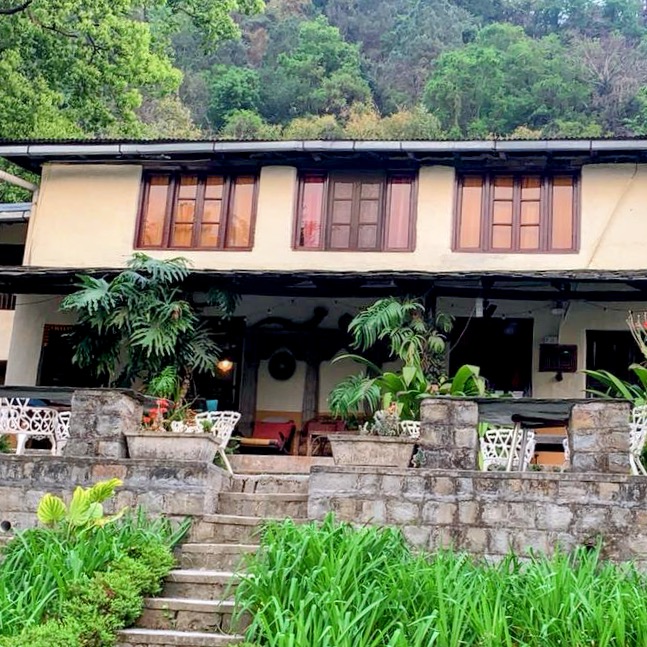
Lean in. See the opening frame
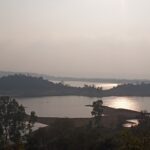
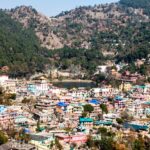
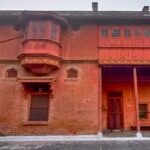
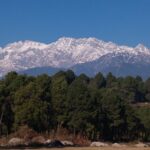
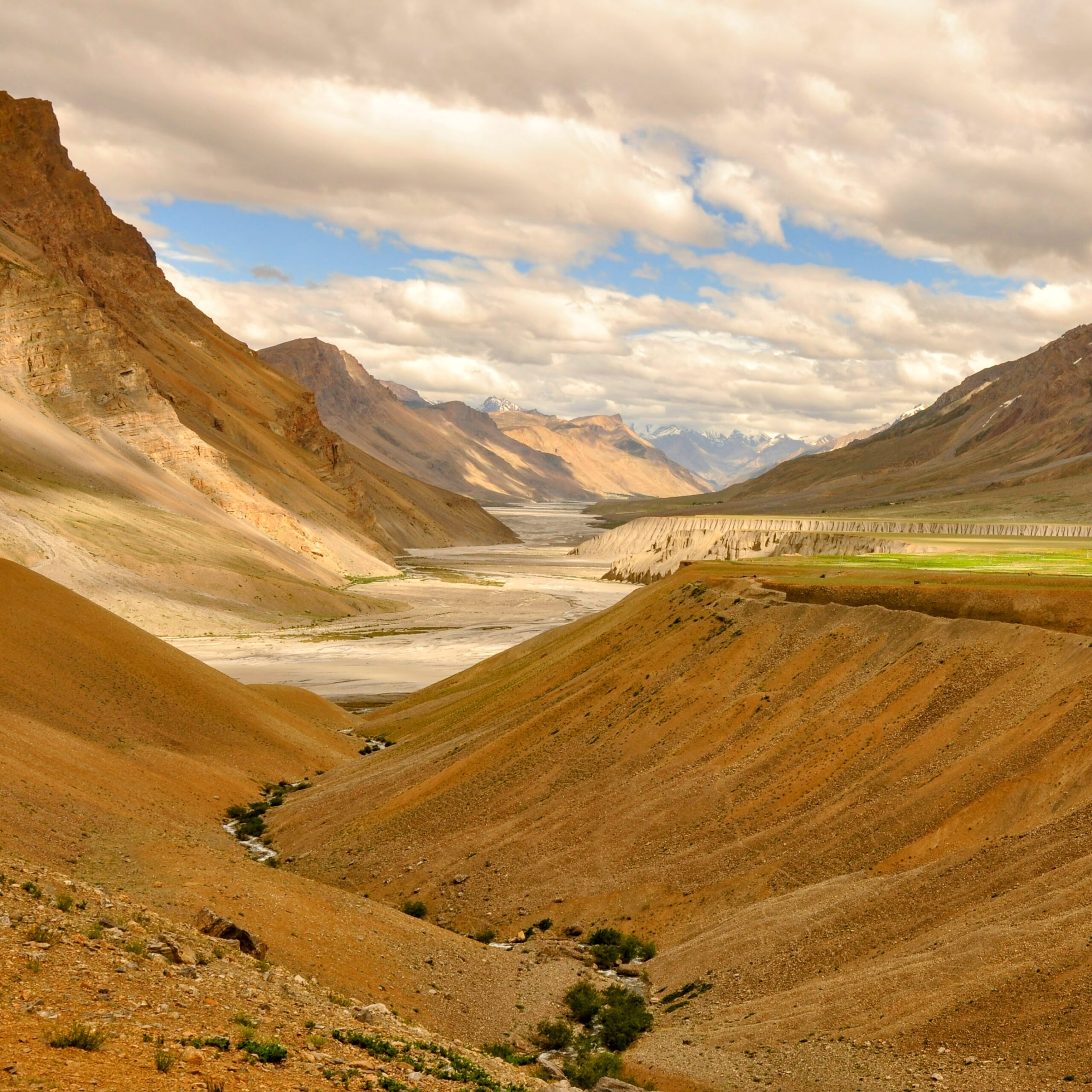
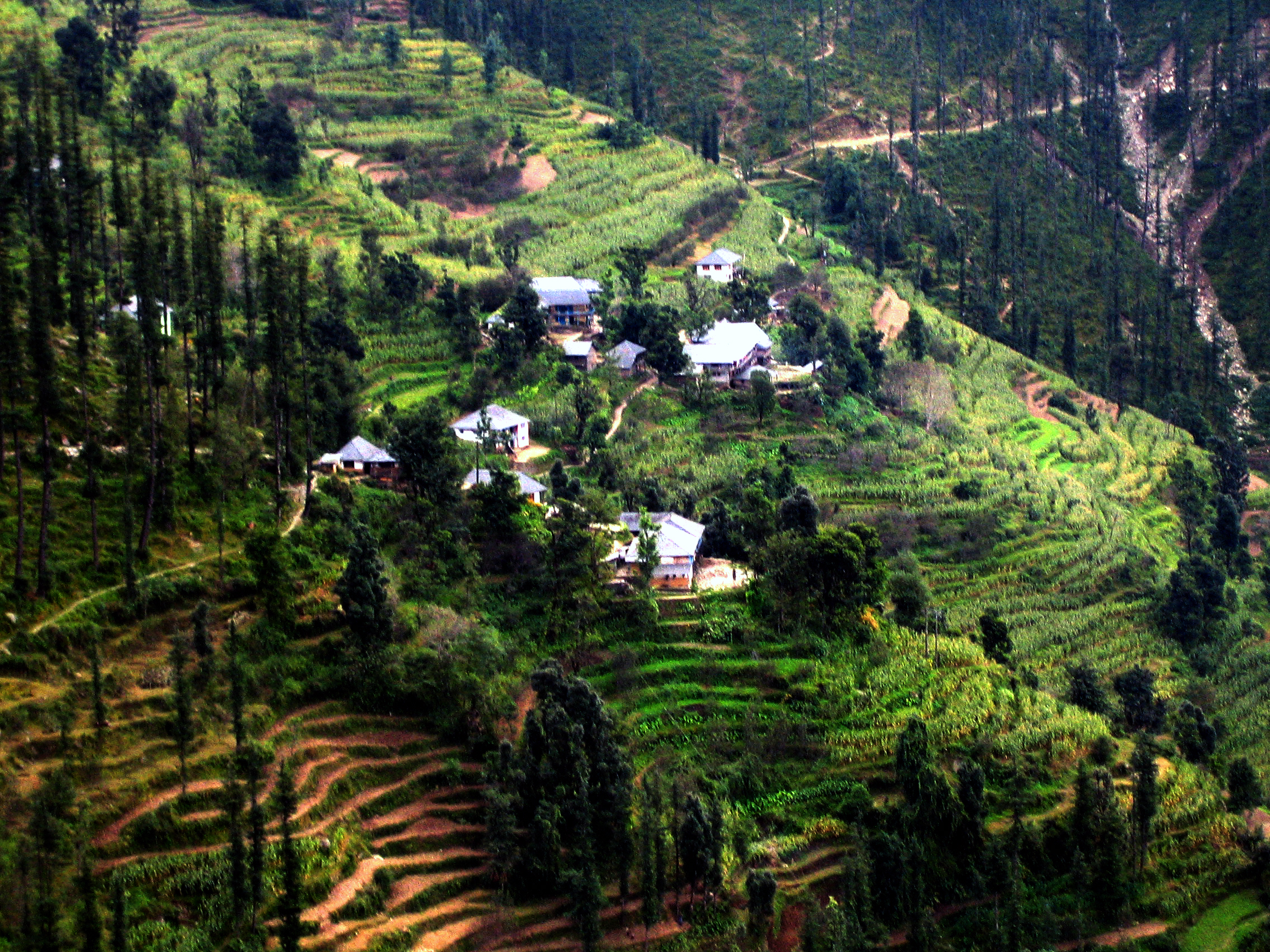
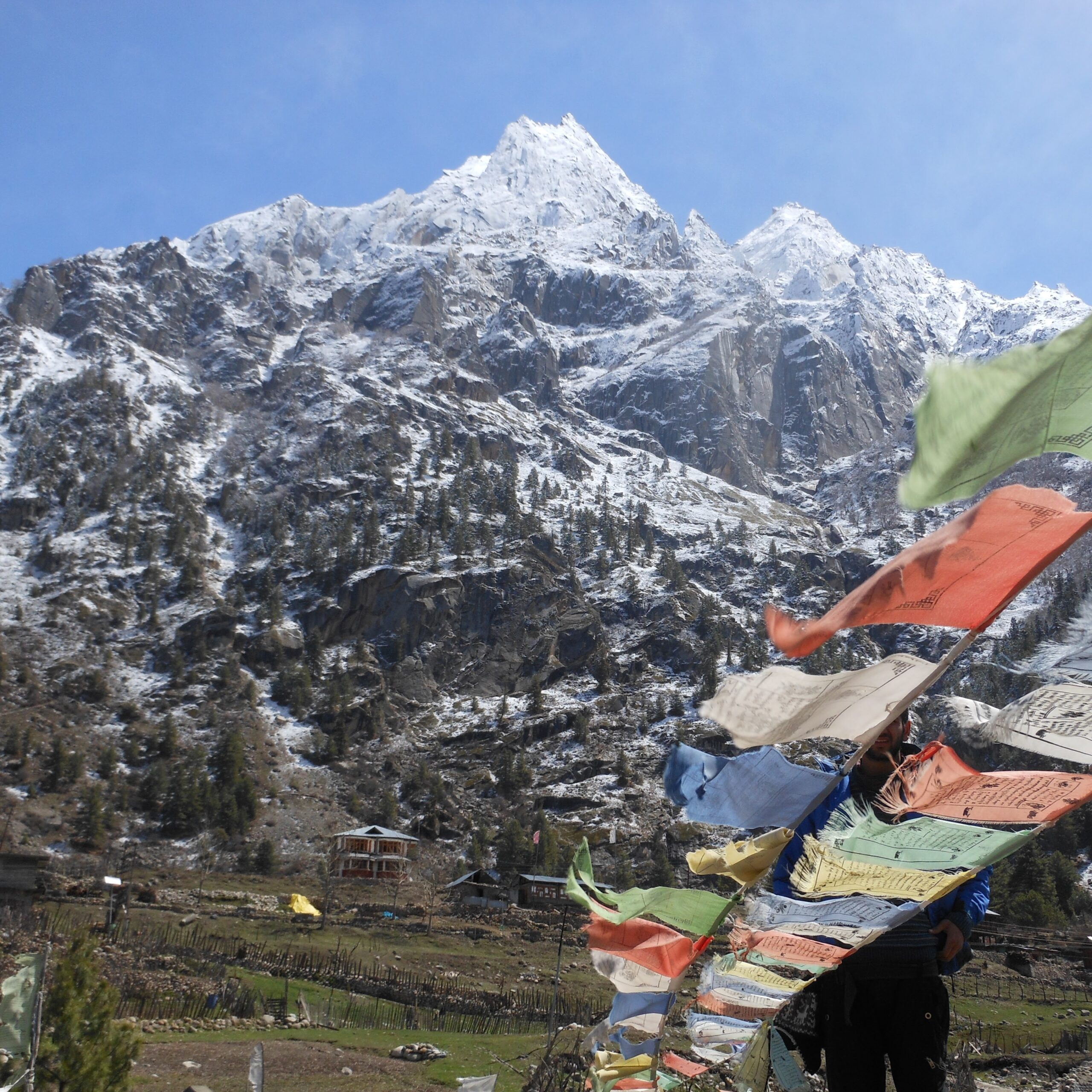
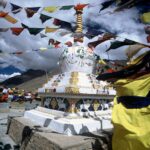
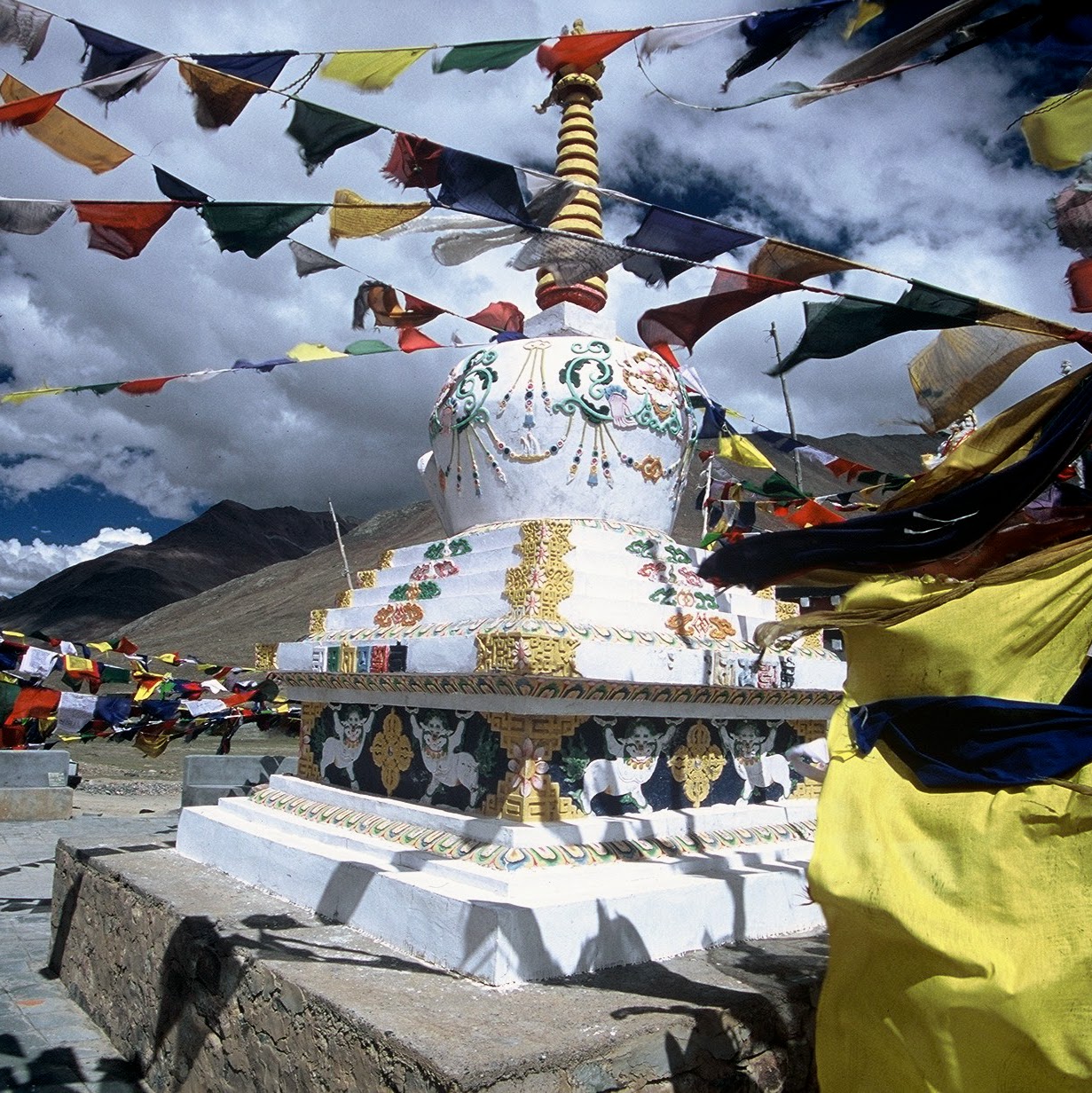
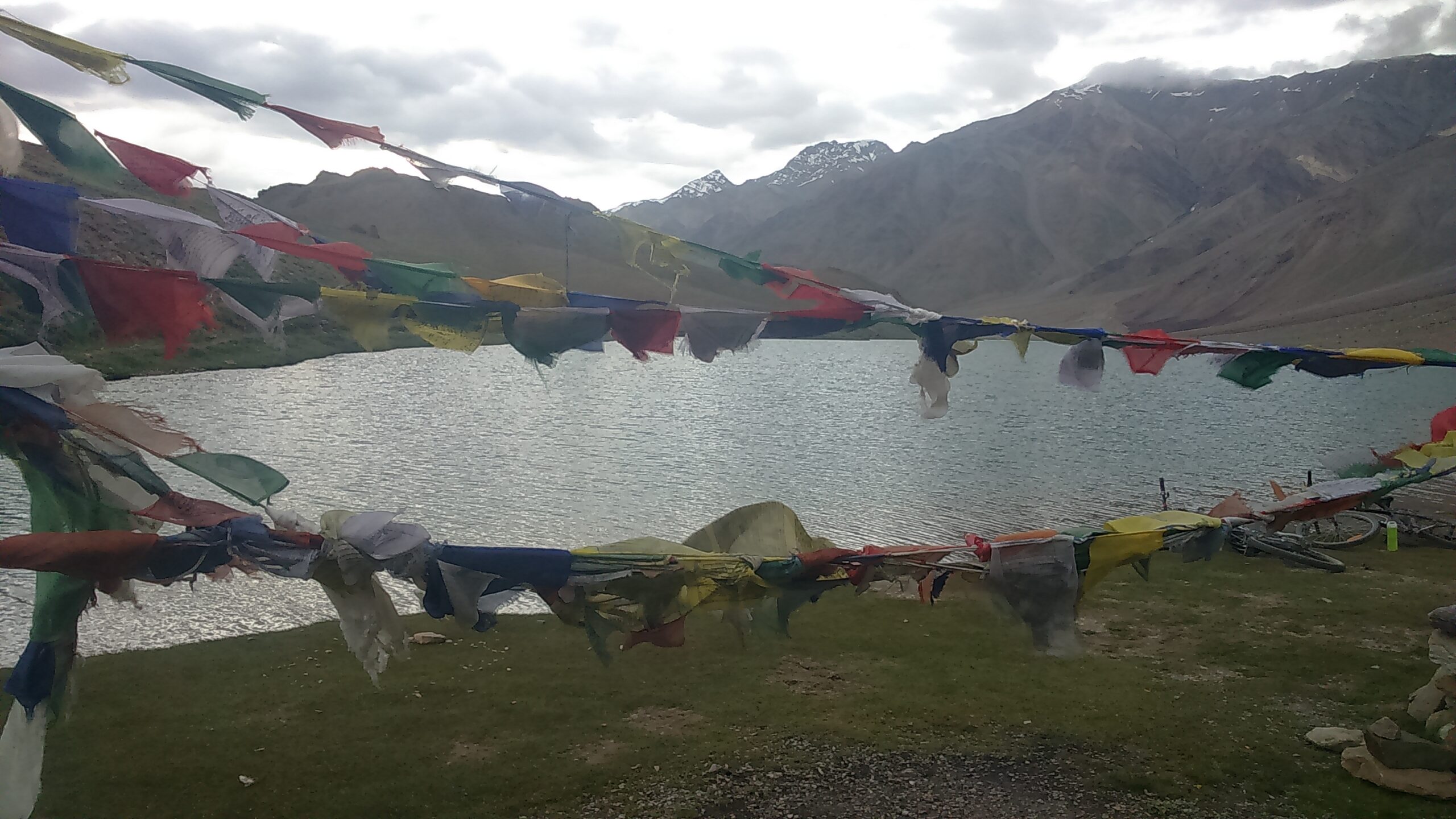
Mirror-water at Chandratal catching the first star; a whisper of wind through deodars at Shimla; a single headlight carving Chichim Bridge at blue hour; prayer flags snapping like clapperboards as Kaza exhales. Now cut: Roghi’s cliff road swallowing a supercar; a dolly through Garli-Paragpur’s havelis; a child posting a letter in Hikkim while the sky grows taller; Pong Dam playing ocean with Himalayan subtitles. Feel the calibration? Nature gives the scale, history gives the weight, and your script supplies the heartbeat.
Creative directive
Use heritage as credibility, wild as impact, water as scale, wood as warmth, stone as permanence. Use fog as a character and silence as percussion. Let altitude thin the noise until only the necessary remains. Then let the 104 do what great co-directors do: remove doubt, raise stakes, and return footage that cannot be argued with.
Why Himachal wins the brief
104+ destinations designed by nature and refined by history – palaces for authority, heritage villages for period truth, inland seas for scale, valleys for intimacy, high passes for awe.
A single state that lets films shift tone without changing borders; web series build repeatable worlds; automotive ads sell altitude, curvature, and weather; music videos capture iconography; documentaries secure access and authenticity; reality formats stage risk on safe ground.
A dual-route mindset that makes you faster: when mist writes poetry on glass, shoot mood; when you need sun and contrast, pivot to the rain shadow without losing a day.
Filming in Himachal Pradesh: 104 Doors. One Legend.
When the world asks where India films its most unforgettable frames, the answer shouldn’t be debated – it should be referenced.
Production Readiness: Why Filming in Himachal is Efficient and Cost-Effective
Single-Window Facilitation: Streamlined Film Permits & Clearances
For any production, time is money. Himachal Pradesh recognizes this with a single-window clearance system managed by the state’s dedicated Film Cell. As your line production partner, Inrahi Films navigates this efficient process on your behalf. We consolidate all applications for film shooting permissions – from the Forest Department and PWD to local administrative bodies, Municipal Corporations, Village Panchayats, DGCA, etc – into one streamlined workflow. This eliminates bureaucratic hurdles, provides predictable timelines, and establishes a clear point of contact for all clearances. The result is a transparent, fast, and reliable permit acquisition process, a crucial advantage when planning a shoot in the Himalayas.
Heritage Sites, Forts & Palaces: Applications for these sensitive locations must be submitted early. We ensure all protocols are followed, including respecting structural integrity, prohibiting surface anchors or drilling, and avoiding open flames or heat-generating effects on historic materials.
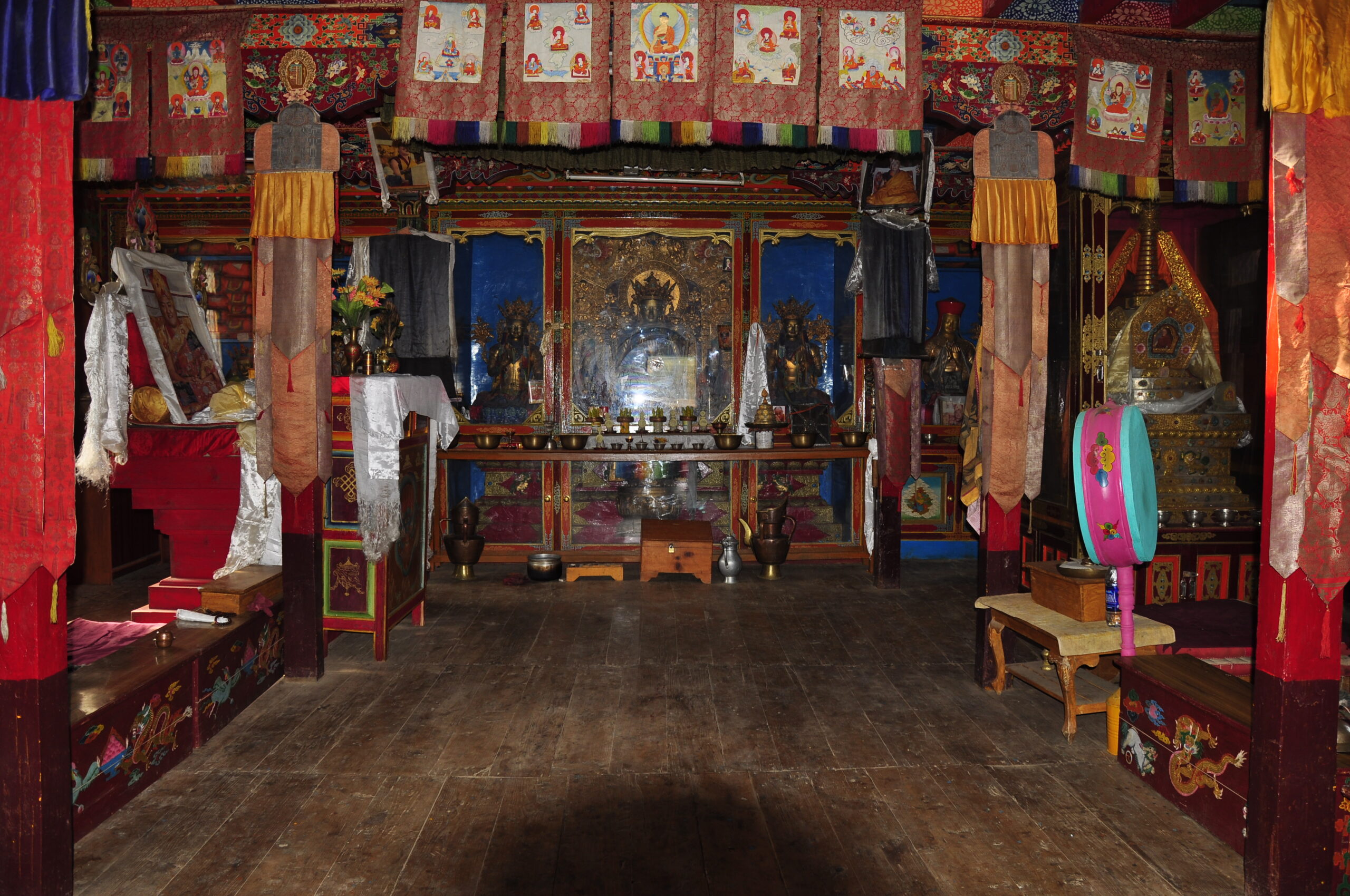
Monasteries & Temples: Securing written consent from monastery or temple management is the first step. We coordinate shoots with minimal crew and equipment, seek specific approval for any heavy lighting, and ensure the entire crew adheres to strict dress codes and sound level protocols to respect the sanctity of the space.
Protected Areas (Borders, National Parks & Sanctuaries): Filming in areas like the Great Himalayan National Park (GHNP), Border areas like Shipki-La, Tashigang, Pong Dam reservoir etc requires adherence to strict border protocols and biodiversity rules. Drone use is highly restricted, crew size is often capped, and a leave-no-trace policy, including carrying back all waste, is mandatory.
Drone & UAV Operations: All drone filming must comply with national DGCA regulations. We coordinate with local authorities to secure permissions, ensure operations avoid designated no-fly zones (near airports, military installations), and manage on-ground safety during aerial shoots.
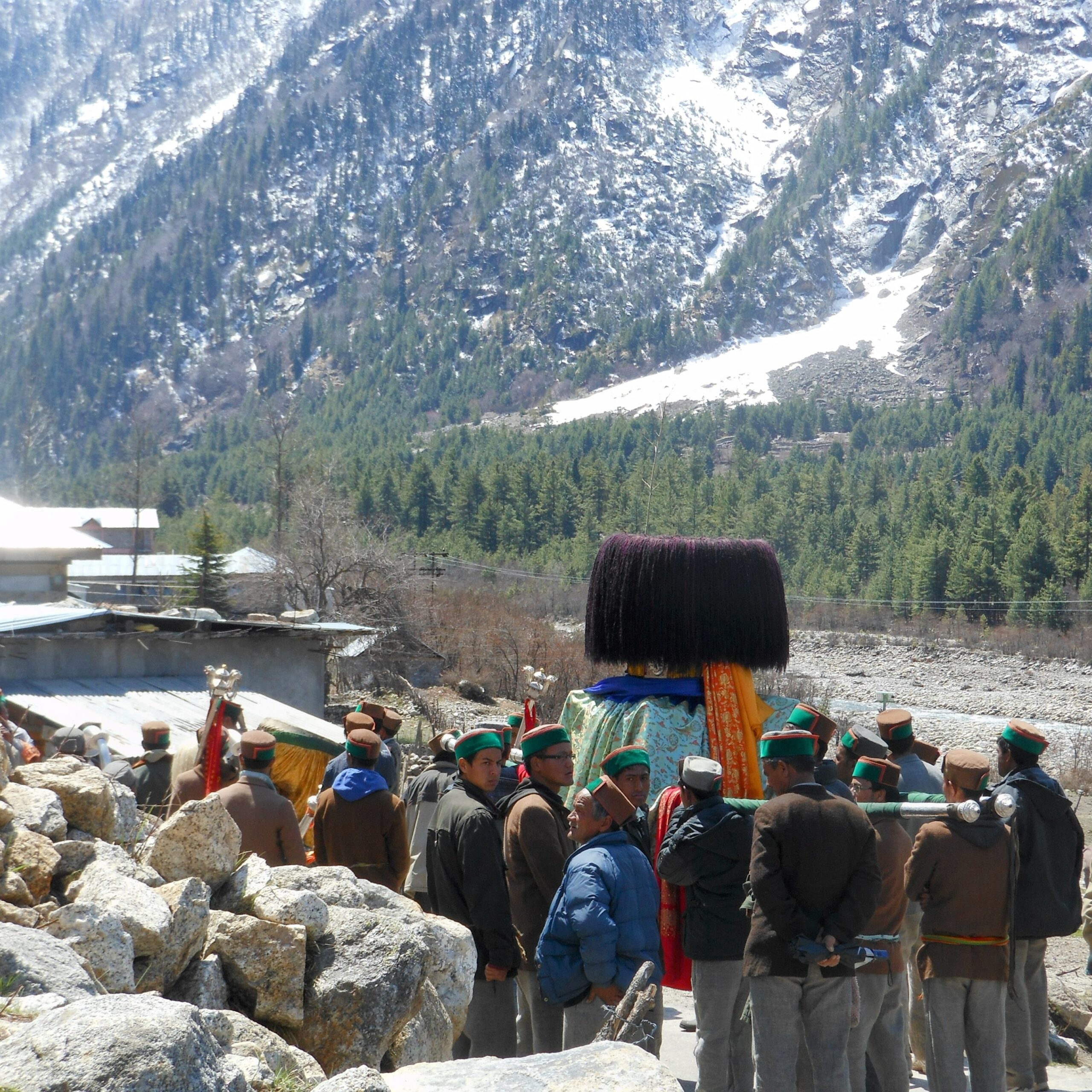
Festivals & Cultural Events: To film during vibrant local festivals like Kullu Dussehra, Minjar, Mandi Shivaratri, Shimla Summer Festival, Manali Winter Carnival etc we facilitate a pre-shoot briefing with event organizers. This ensures our crew understands cultural sensitivities, has a clear plan for crowd management, and obtains explicit cultural consent before capturing close-ups of participants or rituals.
follow these links to get a fair idea of approximate costs, protocols, process and the Himachal Pradesh Film Policy :-
HIMACHAL PRADESH FILMING INCENTIVES
Deep Crew Ecosystem: Experienced Local Film Professionals
Himachal Pradesh is not just a location; it’s a fully-equipped production hub with a deep ecosystem of experienced professionals. We connect you with seasoned skilled crew, casting agents/directors, skilled professionals, with access to diverse local talent, and specialized teams for high-altitude stunts and safety. Hiring a local crew in Himachal through us not only offers significant budget efficiencies but also integrates invaluable on-the-ground knowledge into your project.
Strategic Equipment Access: Camera, Grip & Lighting Rentals
Productions can access a reliable inventory of industry-standard equipment locally, including camera, grip, and lighting packages. For more specialized needs, our strategic location offers a critical advantage. The major film equipment rental houses in Chandigarh and Delhi are just a 8-10 hours drive away, providing a robust and accessible supply chain for high-end cinema cameras (ARRI, RED), anamorphic lenses, and heavy-duty grip hardware. This hybrid model of local availability and proximity to major hubs ensures that your production has dependable access to all the necessary production gear in North India without compromising on technical requirements. HERE IS A READY RECKONER/LIST FOR ALL YOUR EQUIPMENT NEEDS.
Robust Connectivity: Gateways for Crew & Equipment
Logistical planning for filming in the Himalayas is simplified by Himachal’s excellent connectivity. Chandigarh International Airport (IXC) serves as the primary air gateway, with multiple daily flights connecting to Mumbai, Delhi, and Bangalore, ensuring smooth travel for cast and key crew. Other Airports include (Delhi, Amritsar, Dehradun) and (Shimla, Kullu and Dharamshala). For transporting heavy equipment, the railheads at Kalka, Ambala, Chandigarh, Pathankot and Una offer reliable freight and passenger services. The region is crisscrossed by a network of well-maintained national highways and state roads, making road transport via production vehicles and equipment trucks both dependable and efficient.
Accommodation & Base Camps: Supporting Your Crew
A well-rested crew is a productive crew. Himachal’s mature tourism infrastructure provides extensive accommodation options for productions of any scale. Major hubs like Shimla, Manali, Dharamshala, and Kullu/Manali offer a dense concentration of hotels, from 5-star properties suitable for lead cast to clean, comfortable, and budget-friendly guesthouses for the wider crew. This allows for the establishment of efficient production base camps that provide comfort and easy access to diverse filming locations, ensuring your team remains energized and focused throughout the shooting schedule.
Unmatched Production Value for Enhanced Budget Control
The most significant financial advantage of filming in Himachal Pradesh is the immense, in-built production value. The state offers a staggering diversity of cinematic backdrops – snow-capped peaks, lush alpine meadows, colonial architecture, and ancient monasteries – all within close proximity. This geographical advantage drastically reduces costly company moves and travel time. Accessing such visually rich, budget-friendly film locations minimizes the need for expensive set construction and art department builds, allowing you to channel more of your budget directly onto the screen and achieve a grander cinematic scale.
Access Hubs and Production Corridors
Himachal Pradesh is accessed through several strategic corridors, each offering unique cinematic landscapes and logistical advantages. Understanding these routes is key to efficient production planning.
Chandigarh → Shimla Belt: Colonial Grandeur & Orchard Valleys
This corridor is the primary gateway to Himachal, known for its blend of urban, colonial, and pastoral locations. It’s ideal for productions seeking colonial architecture, apple orchards, and accessible mountain towns.
Locations: Shimla offers Raj-era buildings and bustling cityscapes. The surrounding areas like Narkanda, and Kotgarh provide sprawling orchards and vintage Dak bungalows.
Road: Served by National Highway 5, the drive from Chandigarh to Shimla is approximately 112 km and takes about 3.5 to 4.5 hours.
Air/Rail: Access via Chandigarh Airport (IXC) and the Kalka Railway Station, which connects to the historic Kalka-Shimla narrow-gauge line.
Chandigarh → Kullu-Manali-Lahaul: Alpine Majesty & High Passes
This is the quintessential Himalayan corridor, leading to the state’s most dramatic alpine scenery. It’s the preferred route for shoots requiring snow-capped peaks, winding rivers, and high-altitude passes.
Locations: The Kullu Valley, Manali, Rohtang Pass, and the high-altitude desert of Lahaul Valley via the Atal Tunnel.
Road: The drive from Chandigarh to Manali is approximately 310 km and takes 8 to 10 hours.
Air/Rail: Access via Bhuntar Airport (KUU) near Kullu, with Chandigarh serving as the most practical major railhead.
Manali → Spiti Valley: Cold Deserts & Ancient Monasteries
This corridor opens up to one of the most unique landscapes on earth. Productions choose this route for its Himalayan rain-shadow deserts, ancient Buddhist monasteries, and otherworldly moonscapes.
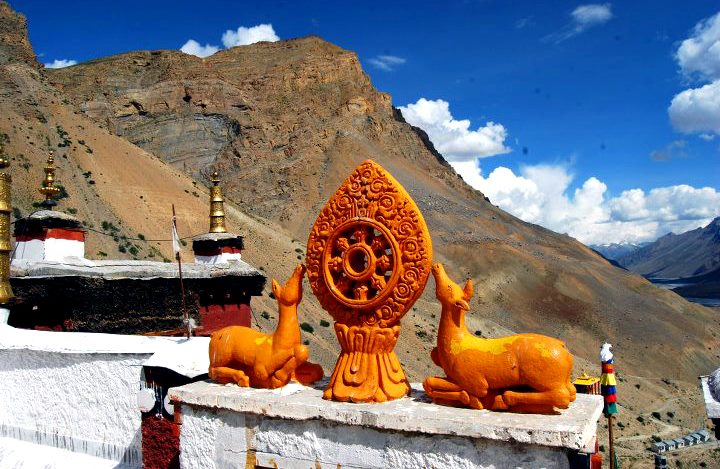
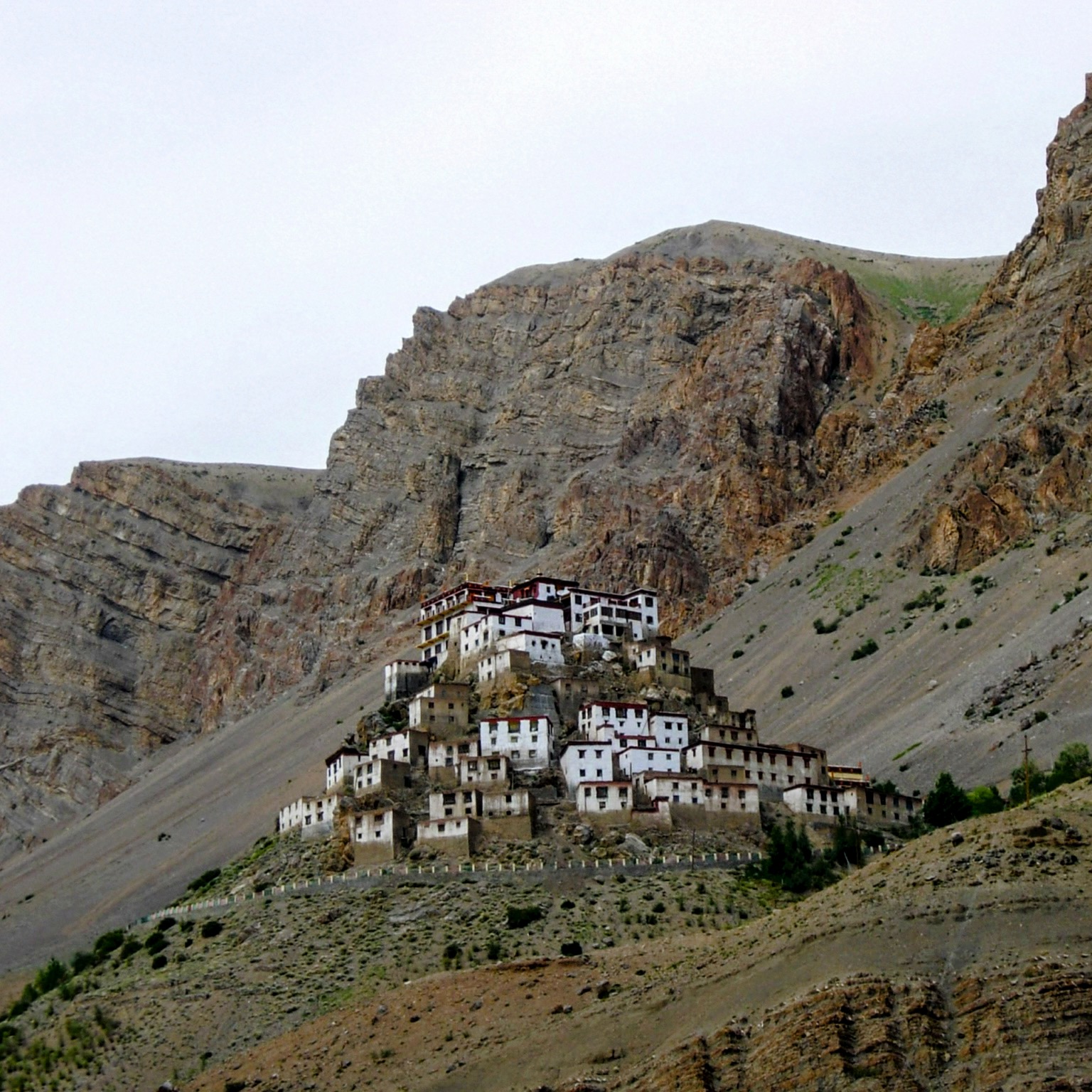
Locations: Iconic sites like Key Monastery, Komic village, and the stark terrain resembling the lunar surface.
Road: Seasonal access from Manali via Kunzum Pass (8-10 hours). All-weather access is available from Shimla via National Highway 05, a reliable two-day journey.
Air/Rail: Nearest airport is Bhuntar (KUU); nearest railheads are in Shimla or Chandigarh depending on the chosen road route.
Dharamshala/Kangra → Pong Dam: Tea Gardens & Tibetan Culture
This corridor provides a unique blend of lush landscapes, rich cultural heritage, and a massive inland water body. It’s perfect for stories needing tea gardens, Tibetan cultural settings, or large-scale water sequences.
Locations: The tea estates of Palampur, the Tibetan culture of McLeod Ganj, and the vast Pong Dam reservoir.
Road: Dharamshala is a 5 to 6-hour drive from Chandigarh (240 km).
Air/Rail: Main access is via Gaggal Airport (DHM). Amritsar (ATQ) and Jammu (IXJ) airports are excellent alternate gateways (4-4.5 hour drive). The nearest major railhead is Pathankot and Una.
Bilaspur → Gobind Sagar Lake: Reservoir Scale & Stark Shores
This central corridor is defined by one of India’s largest man-made lakes. It is sought after for its massive water body, the iconic Bhakra Dam, Gobind Mahasagar and dramatic, stark shorelines.
Locations: The vast Gobind Sagar Lake and the industrial backdrop of Bhakra Dam.
Road: Bilaspur is accessible from both Chandigarh (102 km) and Shimla (85 km).
Air/Rail: Chandigarh Airport (IXC) is most convenient. The nearest railway stations are at Kiratpur Sahib and Nangal Dam.
The Southern Gateway: Nahan, Renuka Lake & The Sirmaur Region
The often-overlooked Sirmaur district provides another strategic corridor bordering Uttarakhand, offering lush landscapes and remarkable accessibility for filming near Dehradun and Chandigarh.
Locations: Renuka Lake, Himachal’s largest natural lake; the formidable Churdhar Peak with its panoramic views; and hidden valleys like Rajgarh and the Giri River.
Road: Nahan is just a 2-hour drive from Dehradun and a 3-hour drive from Chandigarh.
Air/Rail: Primary access via Dehradun’s Jolly Grant Airport (DED) or Chandigarh Airport (IXC) and their respective railway stations.
Beyond the Main Corridors: Hidden Valleys & Secret Locations
These primary corridors are merely the arteries leading to the heart of Himachal’s true treasures. Branching off from these main routes are countless pathways to unexplored valleys and hidden filming locations in Himachal Pradesh. Discover the dense deodar forests of Devidarh, the alpine meadows of the Jalori Pass region, or the untouched riverine beauty of Tirthan Valley. Trace the historic Old Hindustan-Tibet Road through the dramatic gorge of Daranghati, or find solitude in the secluded valleys of Jhanjehli and Chindi. Locations like Baga Sarahan and the high-altitude Chanshal Pass provide epic, crowd-free backdrops perfect for capturing the raw essence of the Himalayas. And then there are the relatively completely unknown – Pangi Valley, Miyar Valley, KashaPath, Rupin River Valley, Dodra-Kwar, Parvati Valley interiors, Rajgundha Valley and many more.
Himachal’s Cinematic Atlas: A Guide to 104+ Production-Ready Locations
Himachal Pradesh is a cinematic universe in a single state, offering a staggering range of visuals from the colonial grandeur of Shimla to the stark, moon-like deserts of Spiti. Its production value lies in this authentic diversity, with misty monsoon forests, epic snow-laden passes, and sun-drenched valleys providing a dynamic, all-season shooting calendar. Main access is streamlined via airports in Chandigarh (IXC), Shimla (SLV), and Kullu (KUU) and Dharamshala. Ultimately, Himachal is a rare landscape that becomes a character in your story, making it a premier destination for filmmakers.
What follows is more than a list; it is a cinematic atlas of over 104 production-ready destinations in Himachal Pradesh. Each entry is a strategic brief, designed for producers, directors, and location scouts. You will find each location’s core visual identity, its nearest access point for efficient logistical planning, and where applicable, notable films or series that have leveraged its unique power. This is your guide to finding the perfect film location in Himachal, whether you need the grandeur of a colonial capital for a period drama filming in India, the raw emptiness of a high-altitude desert for a sci-fi web series, or the intimate texture of a hidden village for a character-driven independent film. Use this guide to move beyond generic backdrops and discover a landscape that becomes a character in your story.
Shimla District & The Upper Reaches
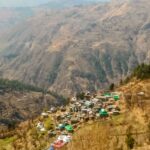
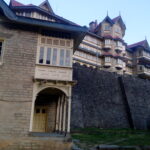
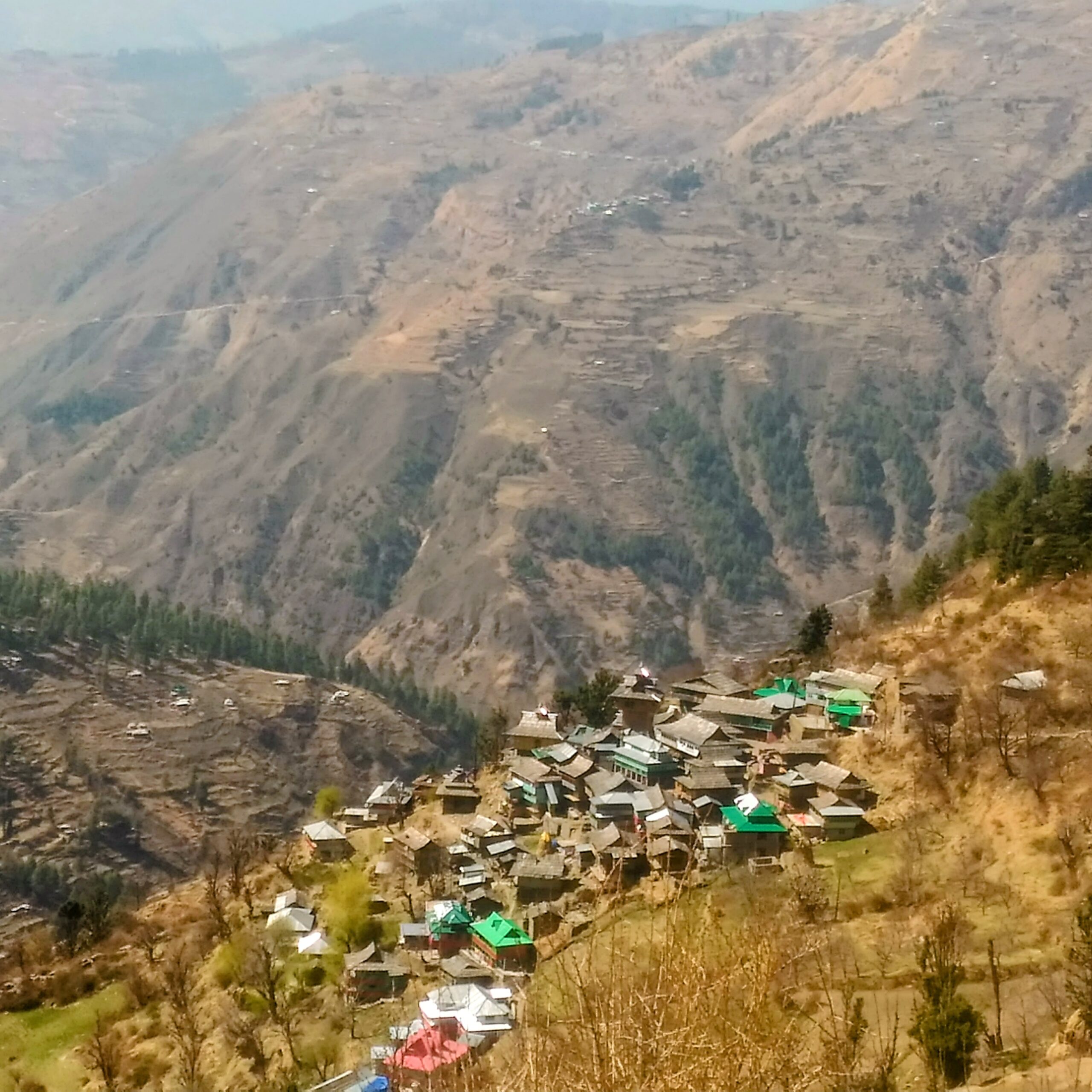
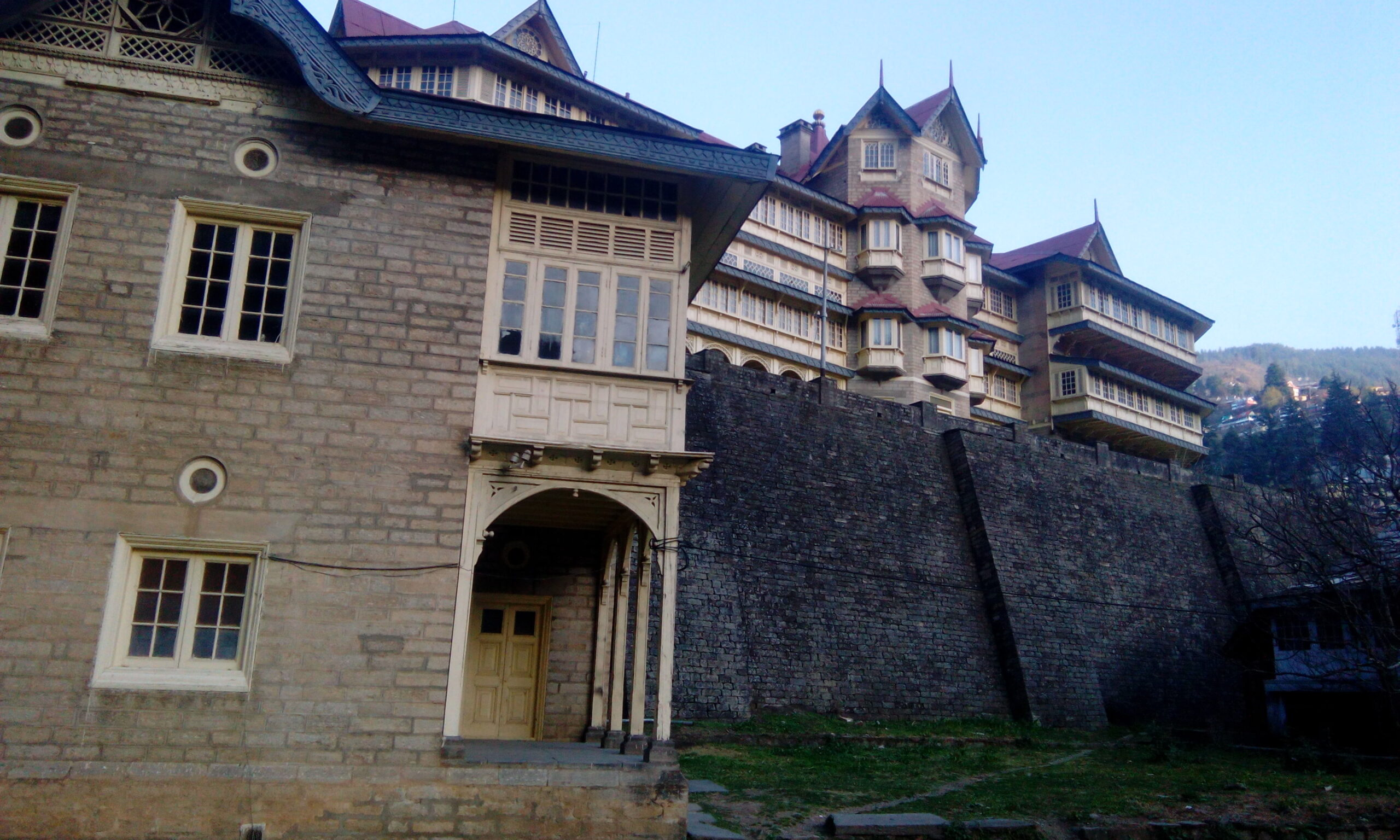
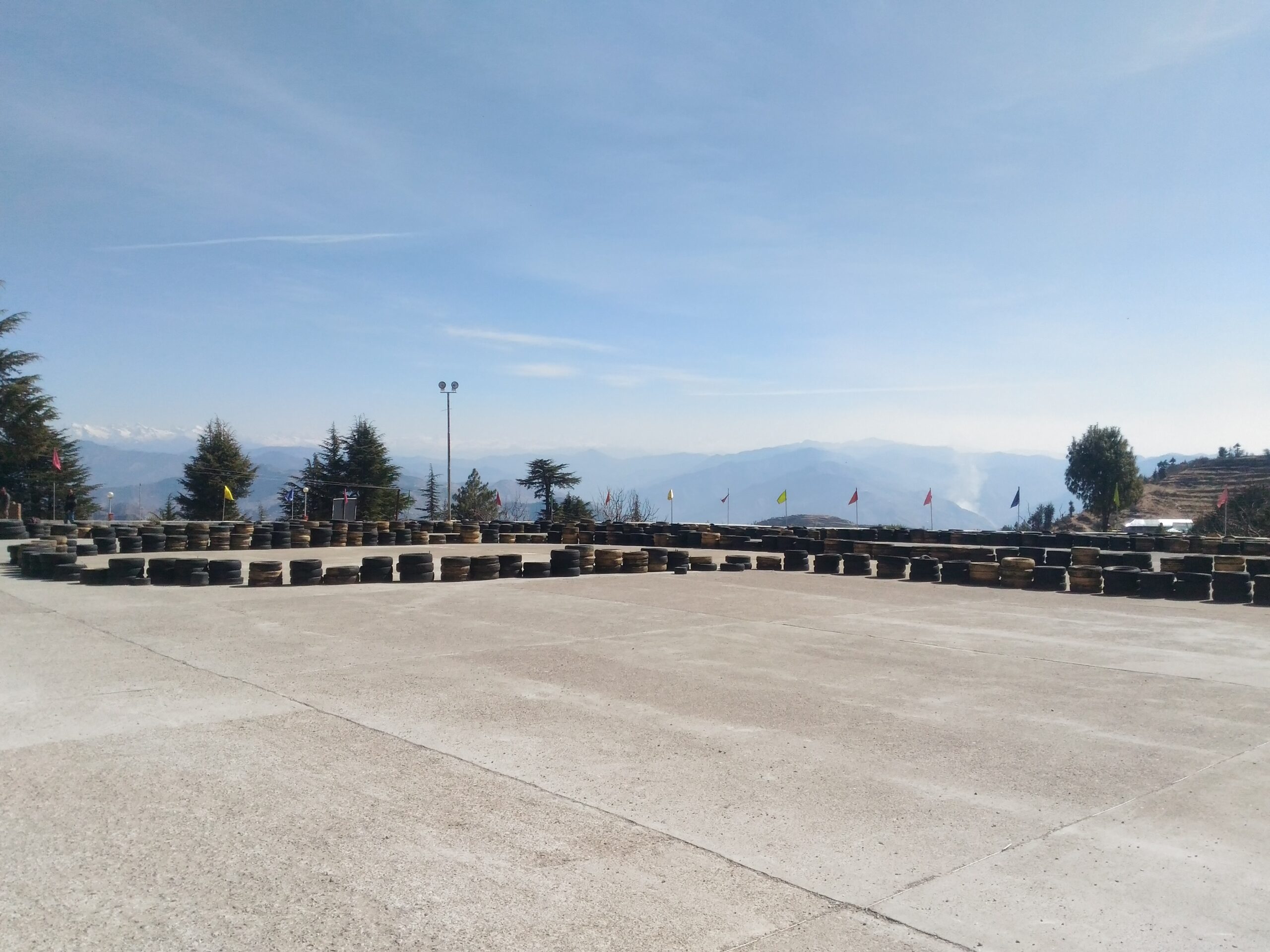
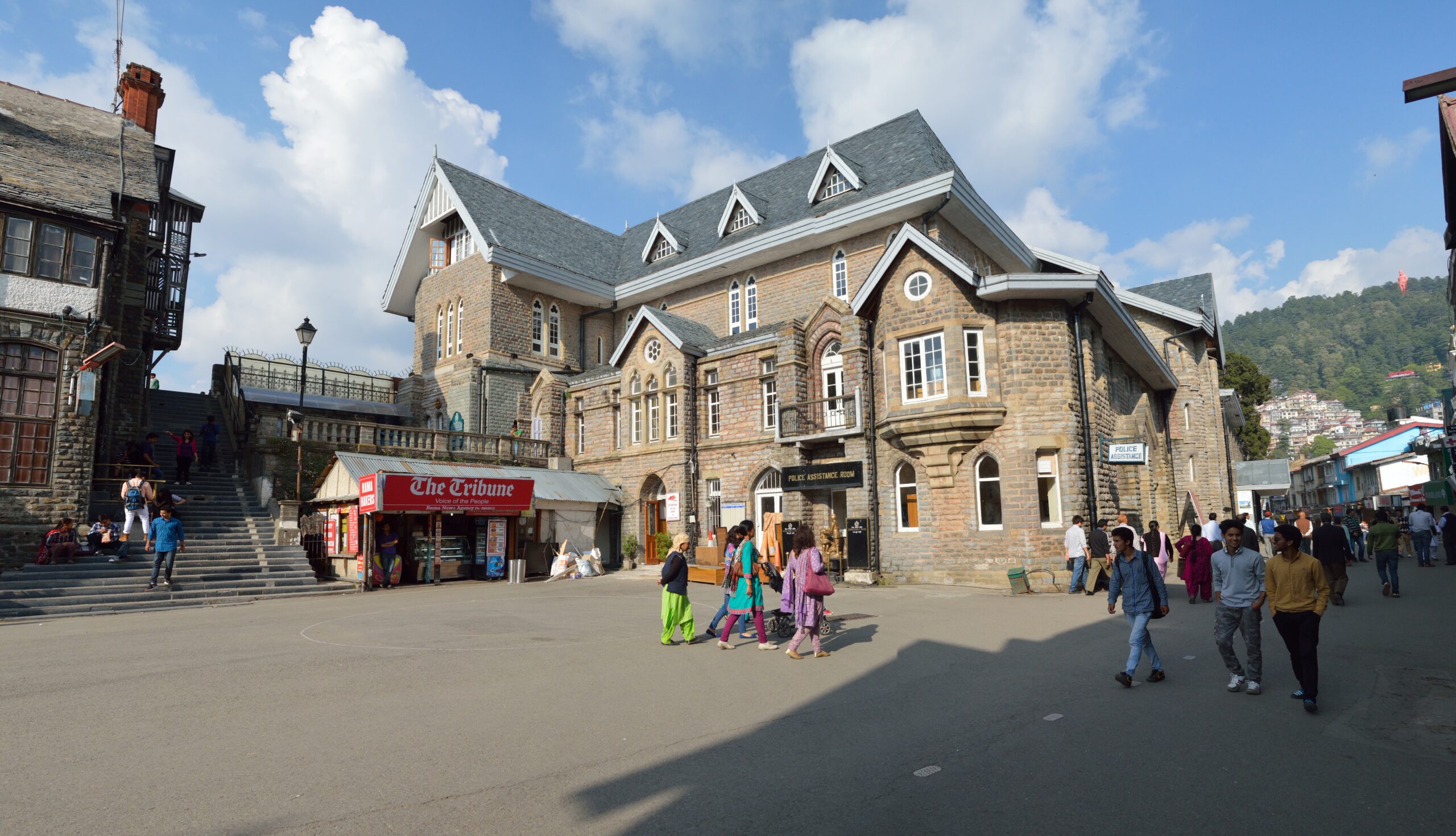
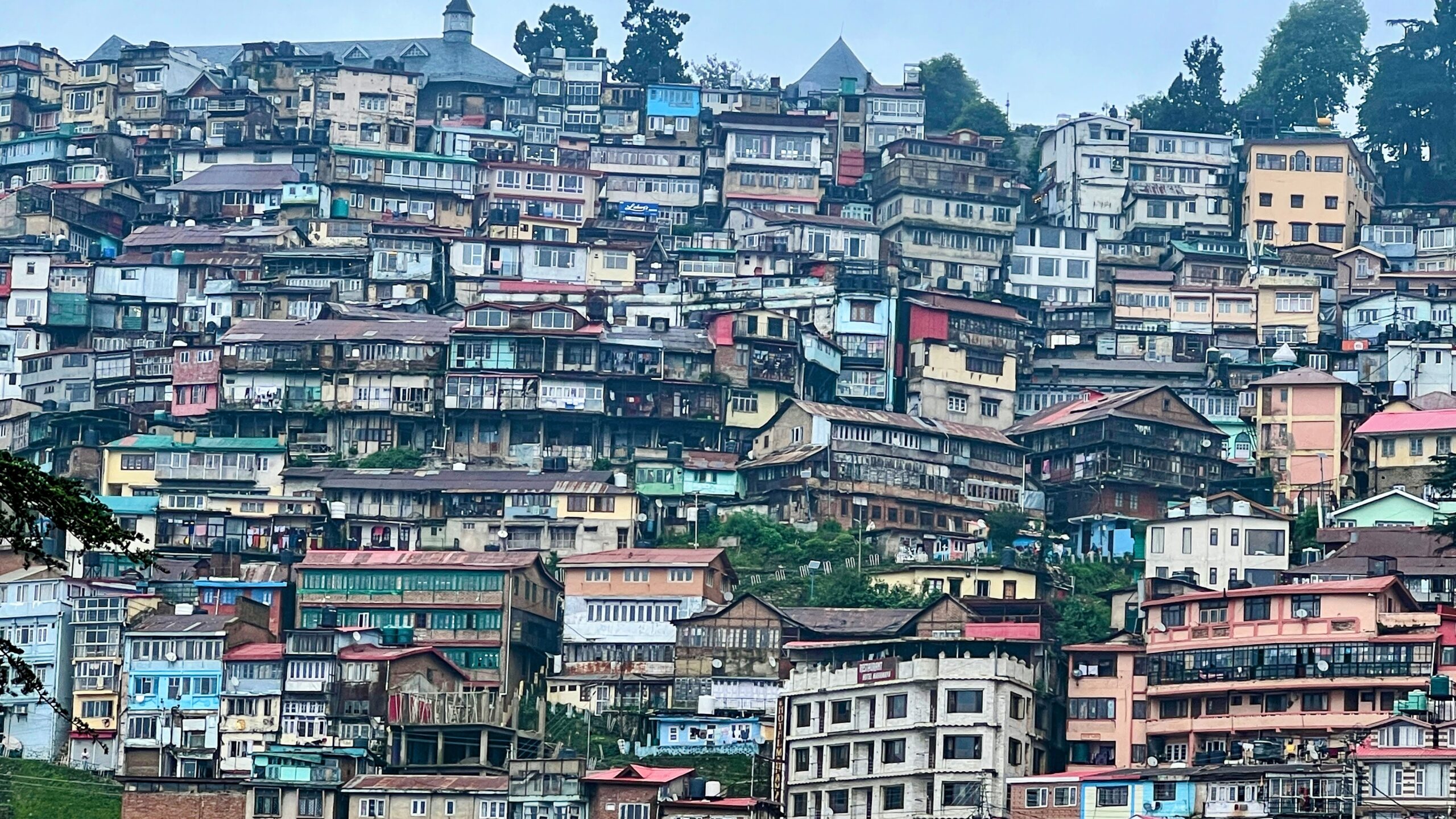
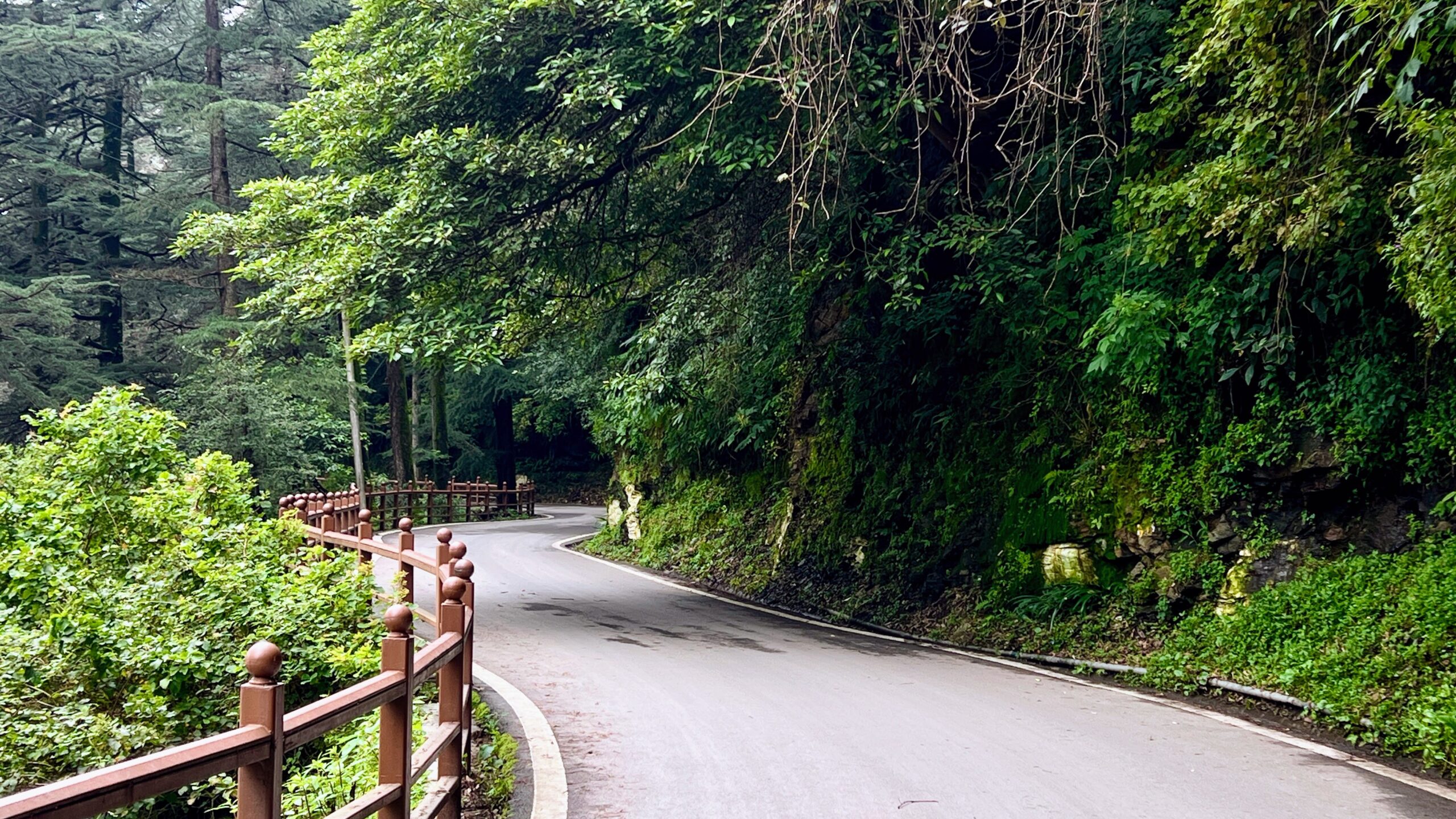
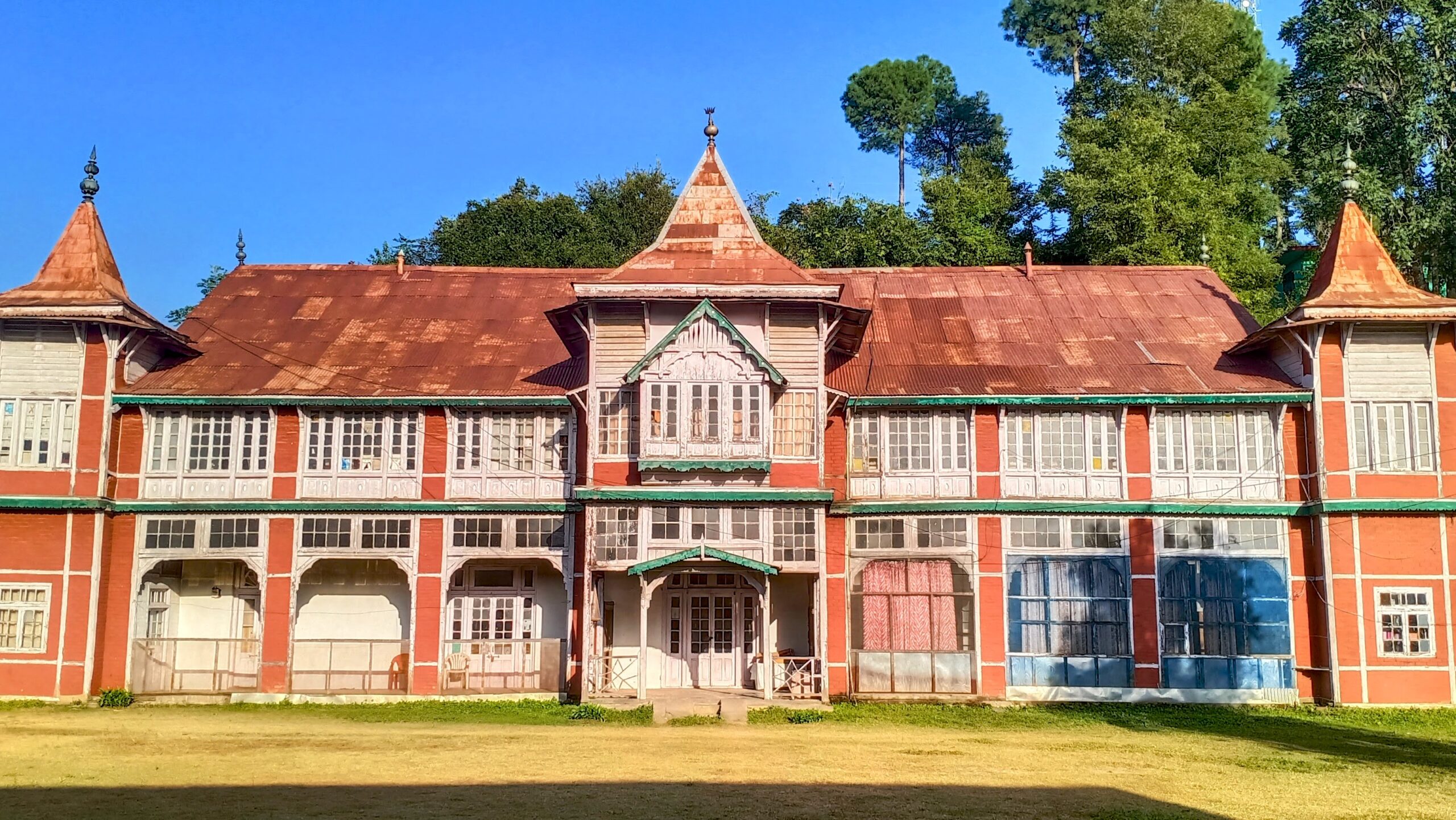
This region offers a powerful contrast between Shimla’s colonial elegance and the rugged authenticity of the apple belt, a landscape rich with sought-after Shimla film locations. Its production value is exceptionally high, providing authentic period drama sets in India and opportunities for colonial architecture filming alongside pristine nature. Main access is excellent via Shimla (SLV) and Chandigarh (IXC) airports. It’s a four-season location, offering lush summers, crisp autumns, and snow-clad winters, making it a versatile and ideal blend of period authenticity and accessible Himalayan grandeur.
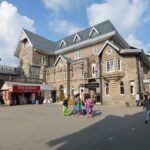
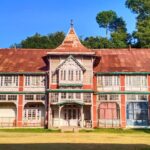
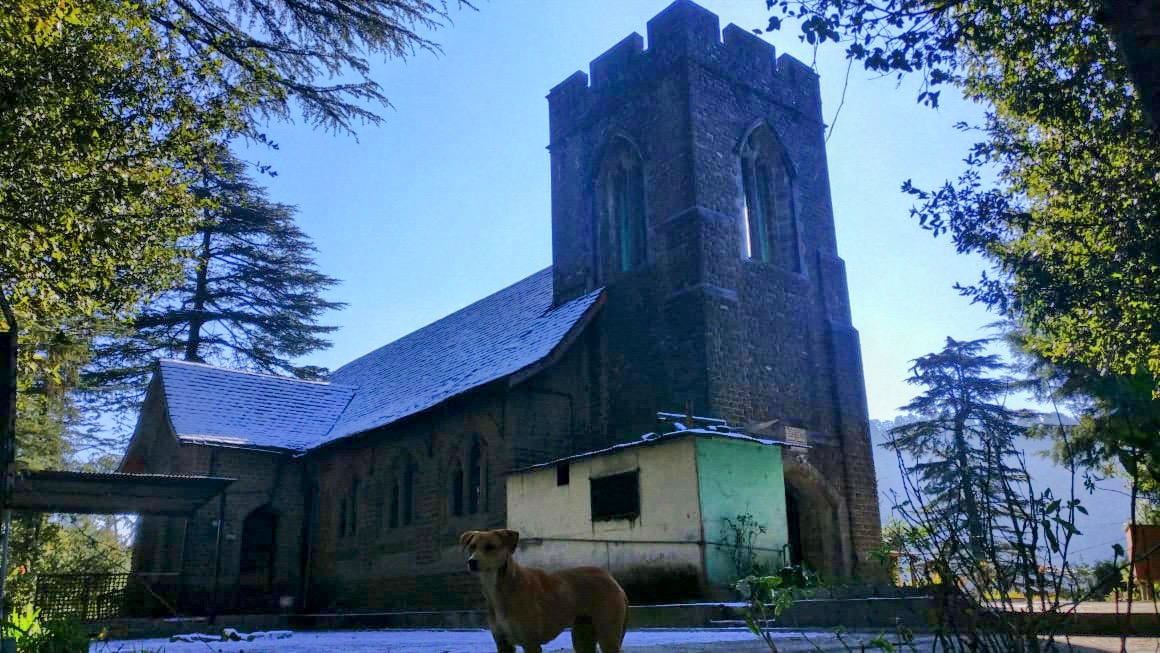
Shimla: Colonial-era streets, Viceregal architecture, ridge vistas. Reliable urban logistics make city sequences and period dramas like 3 Idiots and Bang Bang! effortless to stage. Access: Shimla (SLV) / Chandigarh (IXC) Airport; Kalka/Chandigarh/Ambala Railhead.
Narkanda: High ridges, apple orchards, Hatu-facing horizons. Offers sunrise/sunset masters with clean mountain light. Access: Shimla (1.5-2 hours).
Kotgarh/Thanedar: Timber homes, terraced orchards, quiet lanes. Creates intimate frames for character-driven scenes with rural elegance. Access: Narkanda (30 mins).
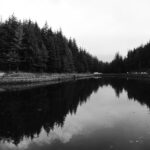
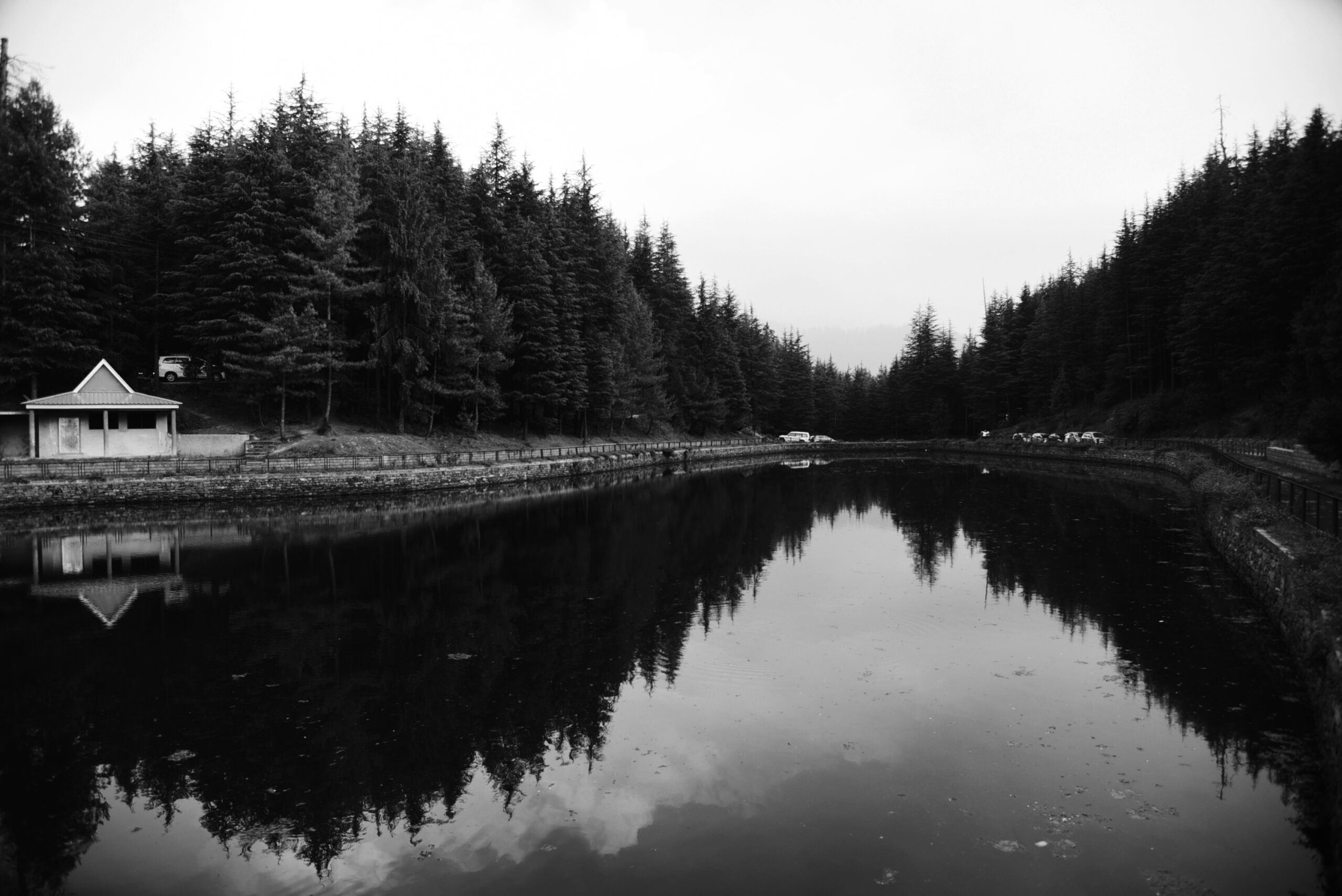
Tani Jubbar: Reflective lake amid deodars. Mirror-still mornings ideal for commercials, music videos, and contemplative inserts. Access: Narkanda (45 mins).
Bagi: Pine belts and village textures. Uninterrupted soundscapes ideal for dialogue-driven setups. Access: Narkanda (1 hour).
Khadrala: Wind-brushed slopes, mist lines, open horizons. Lean crew builds move quickly on calm ridgelines. Access: Rohru (1.5 hours).
Sungri: Classic mid-hill village aesthetic, layered terraces. Establish scale with slow push-ins and drone-to-ground reveals. Access: Rohru (2 hours).
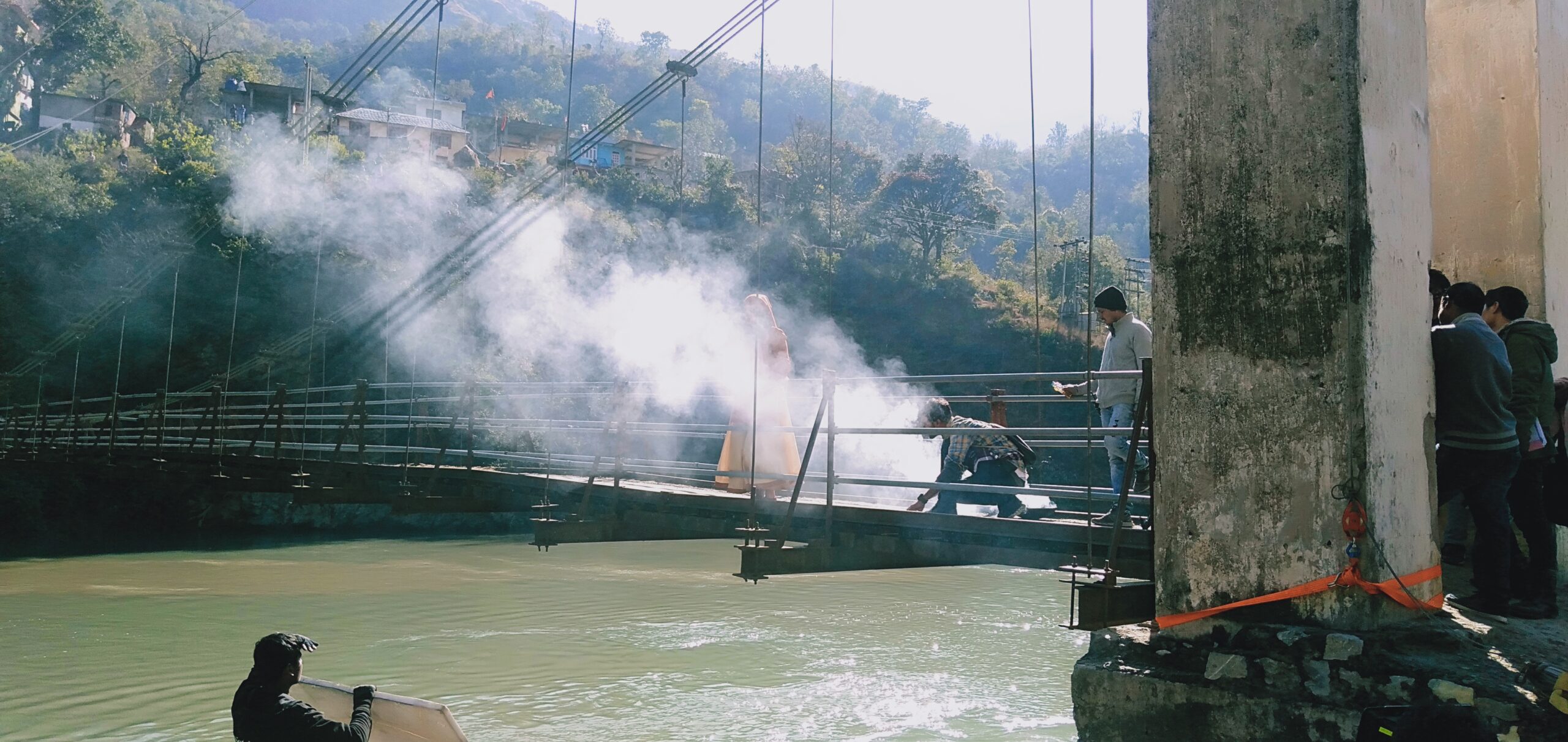
Rohru: Riverside town energy, bridges, bazaar movement. Great for travel narratives and slice-of-life montages. Access: Shimla (3-4 hours).
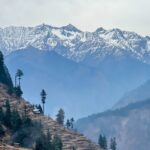
Chanshal Pass: Wide alpine meadows, rolling clouds, epic switchbacks. Perfect for automotive, endurance, and hero-walk sequences. Access: Rohru (2 hours).
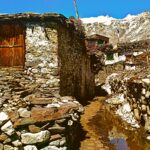
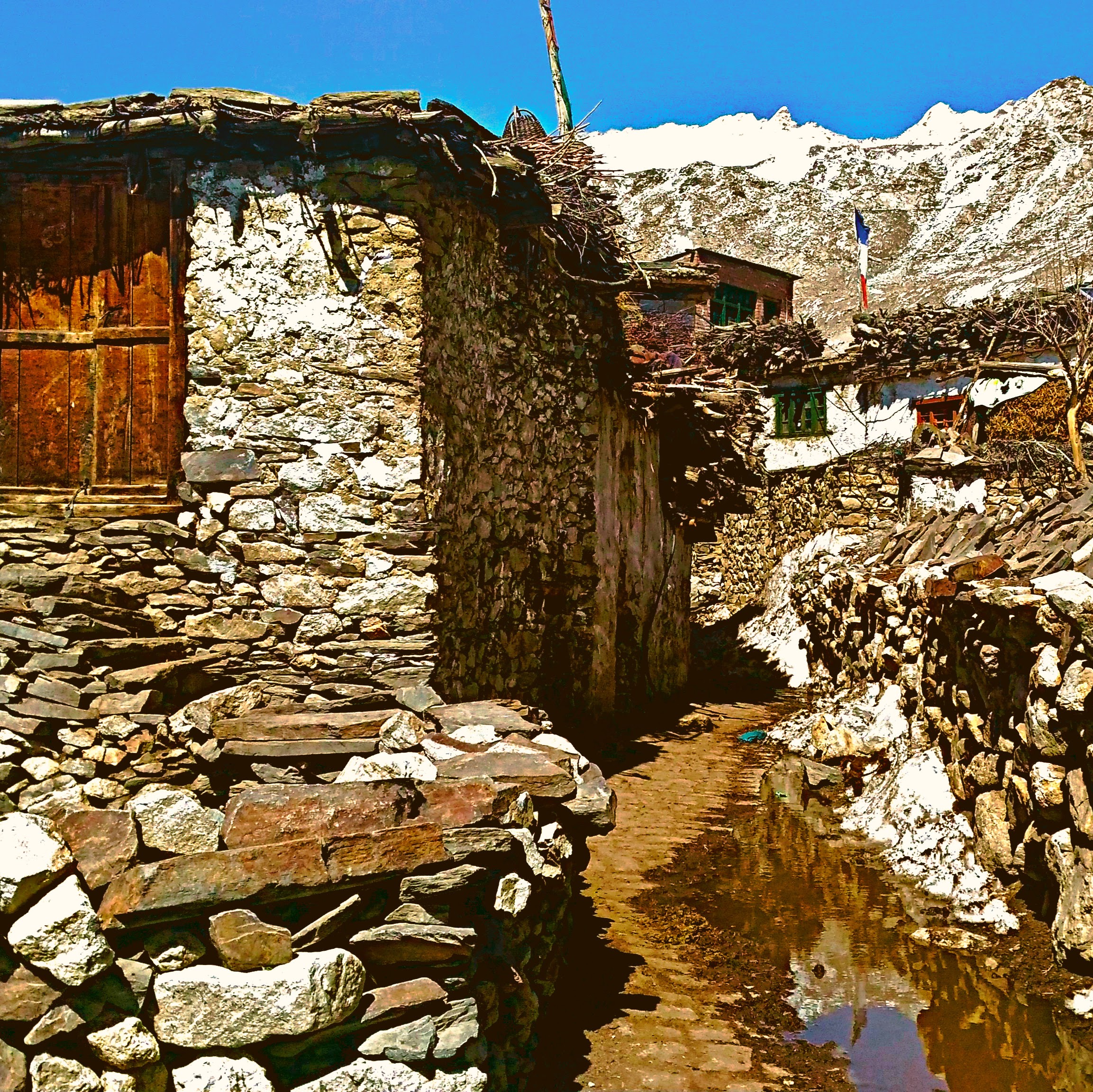
Dodra and Kwar: Remote twin valleys with wood-stone homes. Frames read authentic and unaltered, ideal for documentary realism. Access: Rohru (4-5 hours).

Kinnaur & The Sutlej Valley
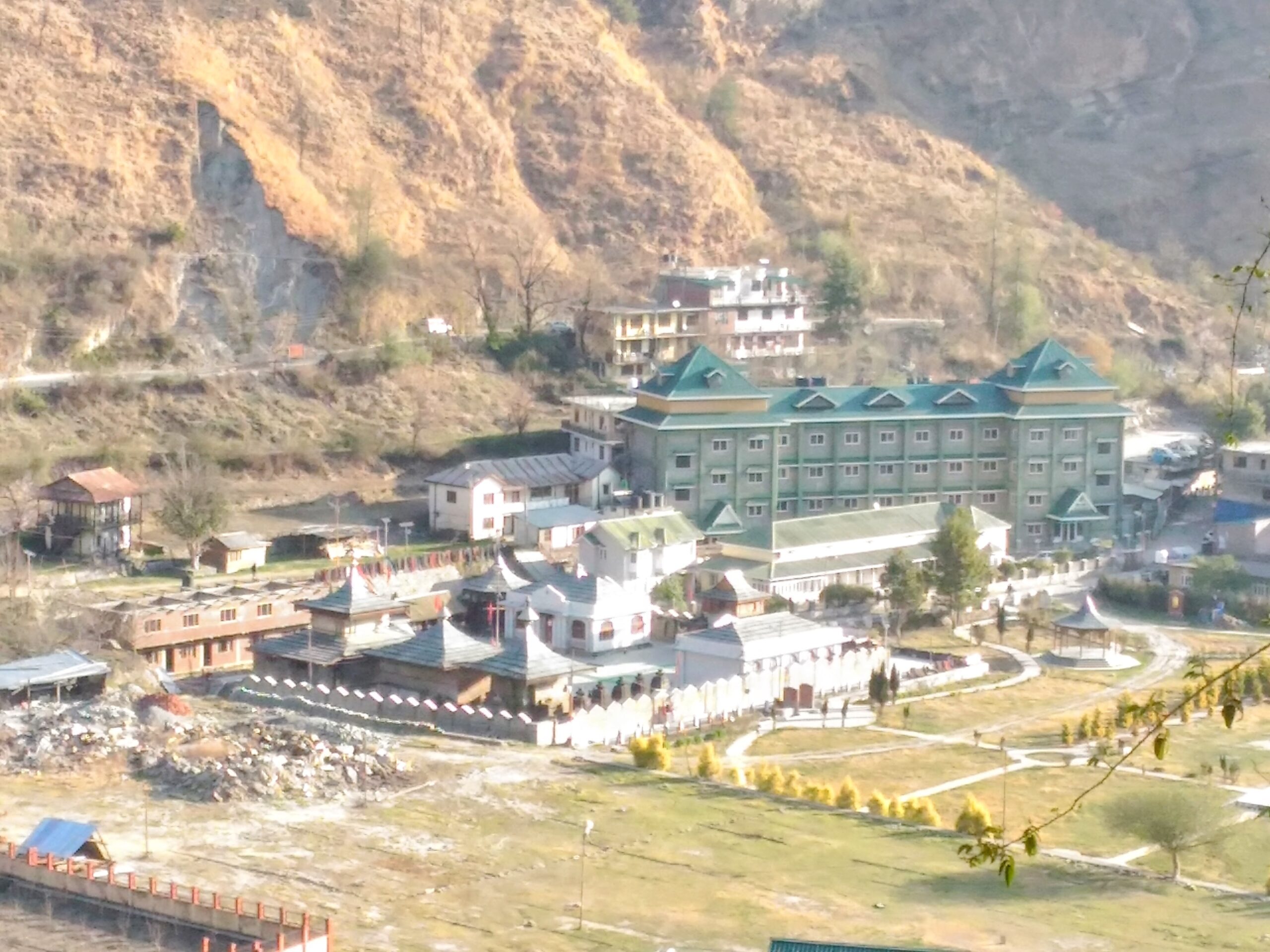
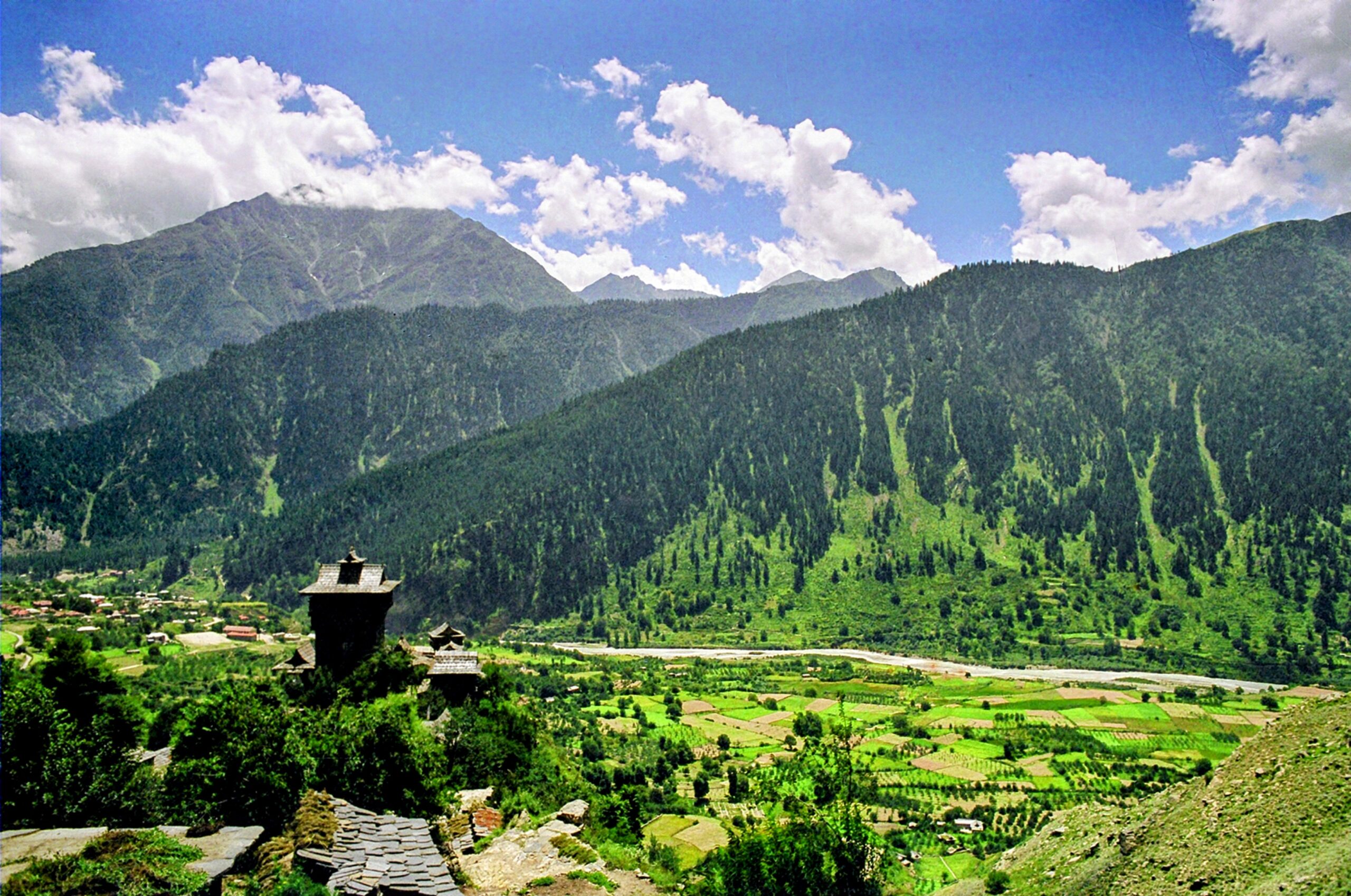
This is a journey into some of India’s most dramatic road movie locations, following the historic Hindustan-Tibet road from lush forests to the desert’s edge. Its cinematic power is in its epic, ever-changing landscapes, with vertigo-inducing roads perfect for a Sangla Valley shooting schedule or a dramatic travel sequence. Main access is the highway from Shimla, making these iconic Kinnaur film locations part of a grand overland narrative. Best filmed from spring (April) to autumn (October), Kinnaur offers a story that is etched into the very rock.
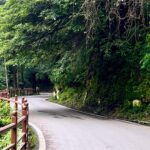
Daranghati: Dense forests and sudden meadows. Pattern-interrupt cuts from tight woods to big sky work beautifully. Access: Sarahan (2 hours).
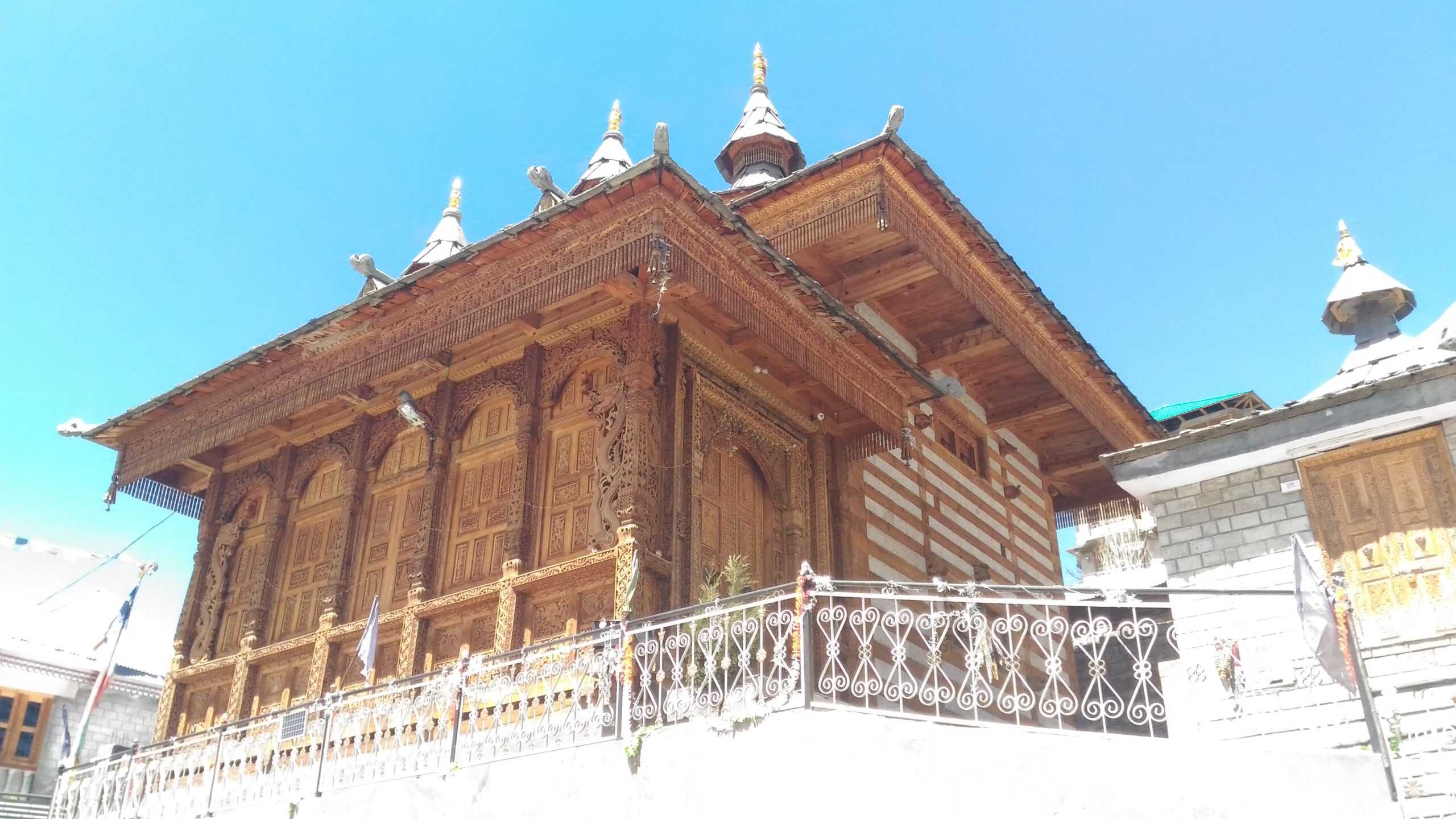
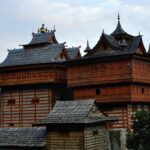
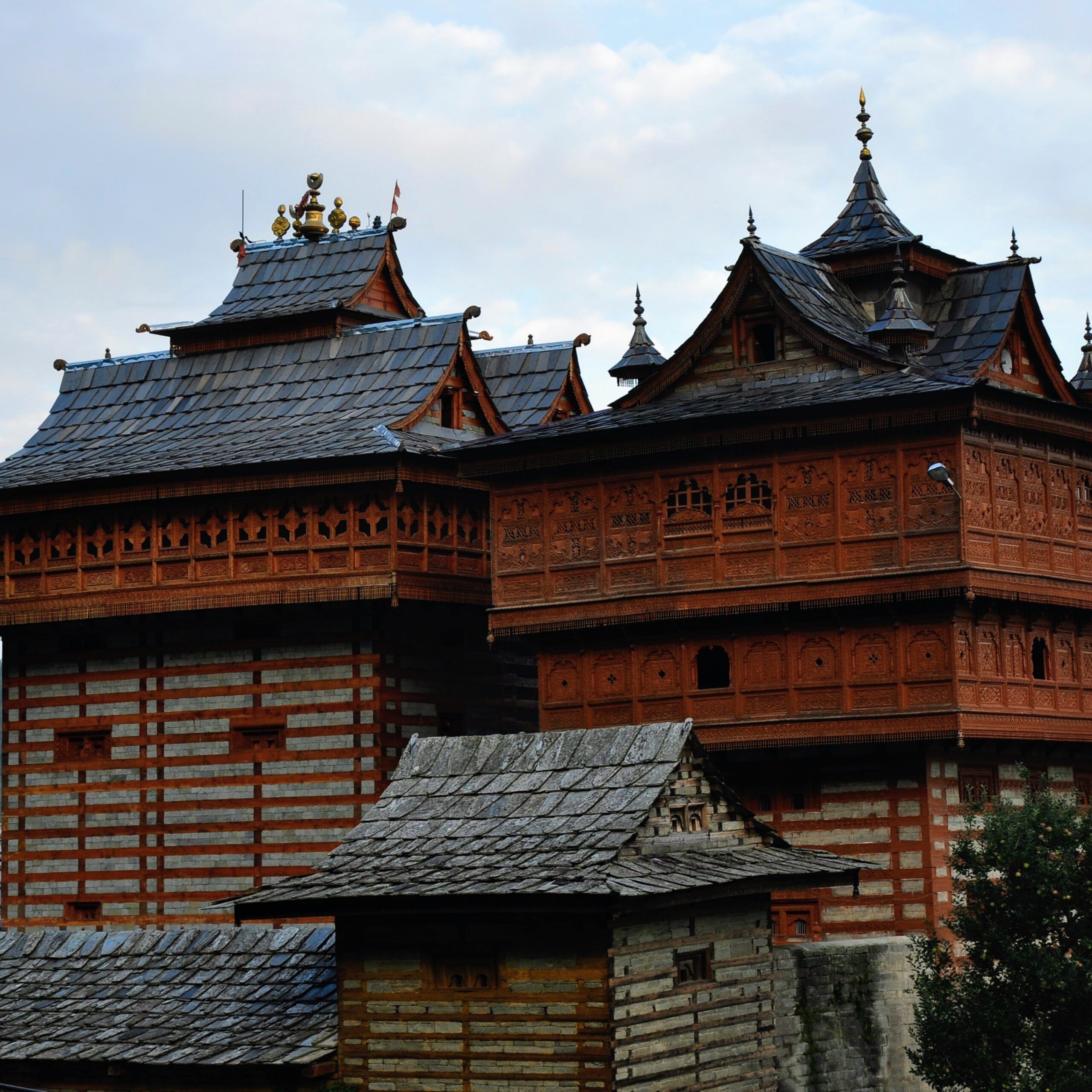
Sarahan: Shrikhand Mahadev views and Bhimakali temple architecture. Cultural frames carry weight without heavy set dressing. Access: Rampur (1.5 hours).
Nichar: Kinnauri textures, river soundbeds, terraced light. Crisp mornings reward natural-light setups. Access: Bhabanagar (30 mins).
Kafnu: Glacial river hues, dam backdrops, stark lines. Industrial-natural contrast suits ads and edgy narratives. Access: Wangtoo (45 mins).
Reckong Peo: Administrative hub with Kinnaur Kailash views. Base for Kalpa and high-village runs with crew comforts. Access: Shimla (6-7 hours).
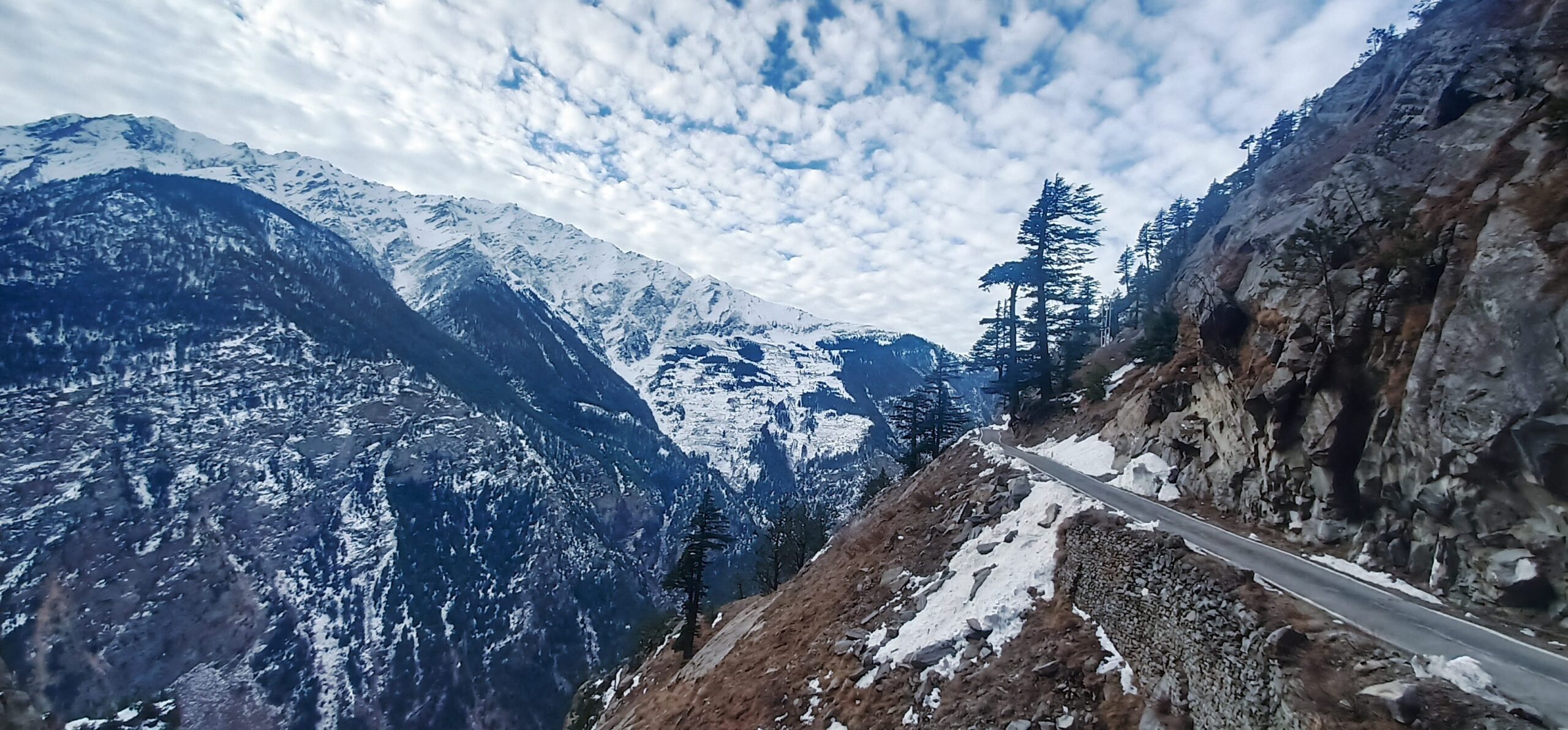
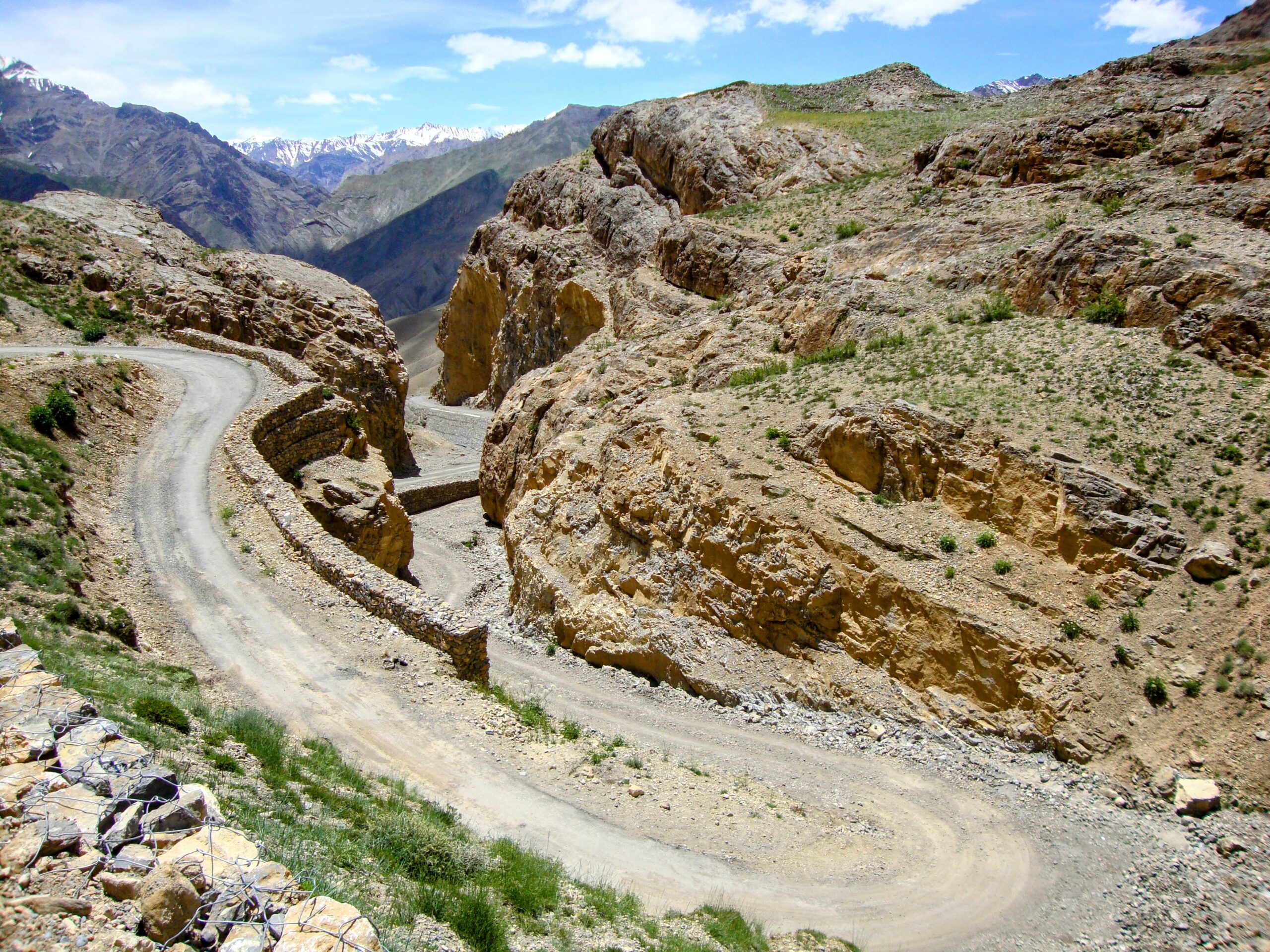
Roghi: Cliff-edge roads and vertiginous drops. Tension-building travel shots, as seen in Highway, shine here. Access: Kalpa (20 mins).
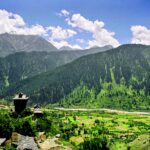
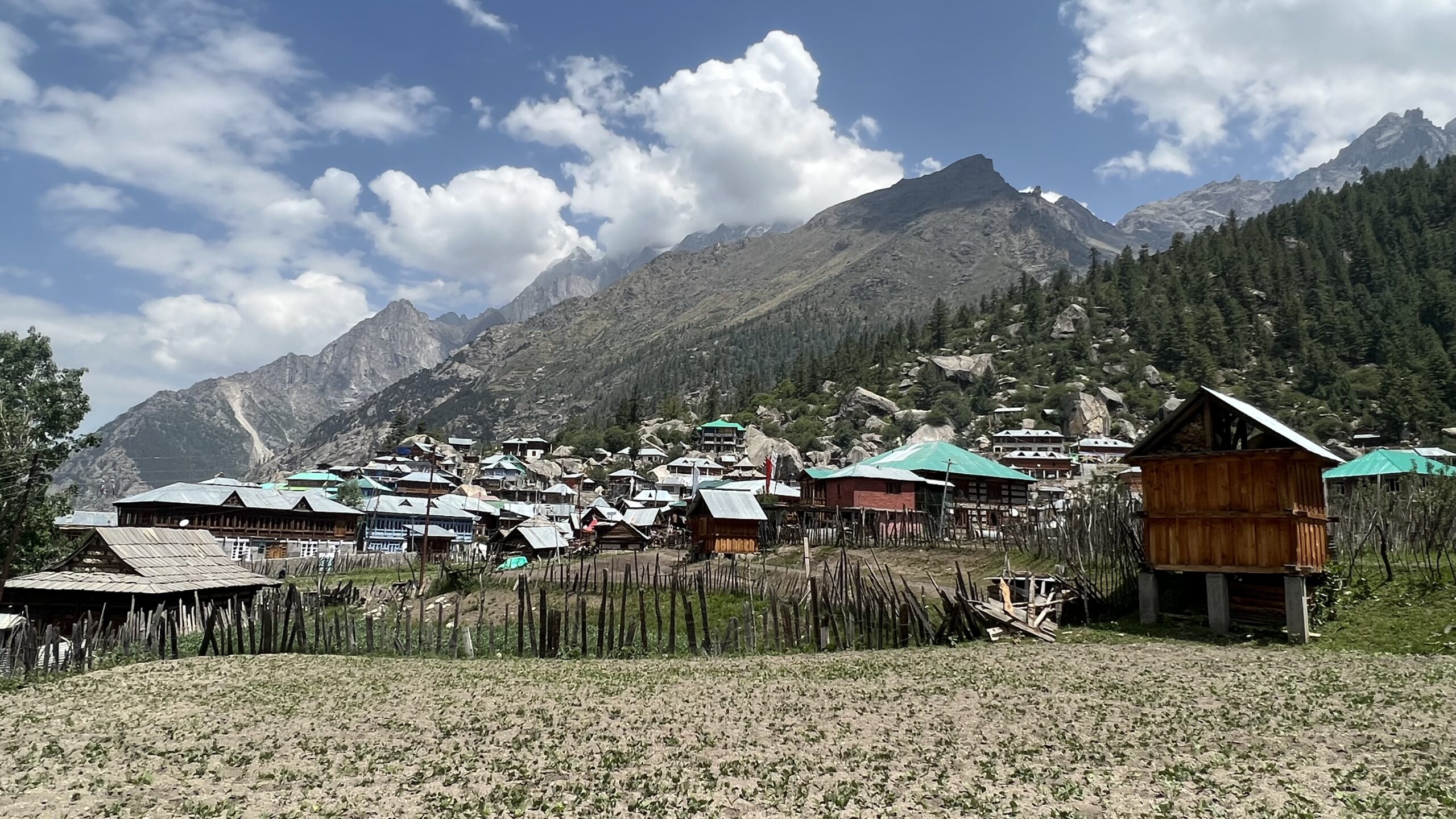
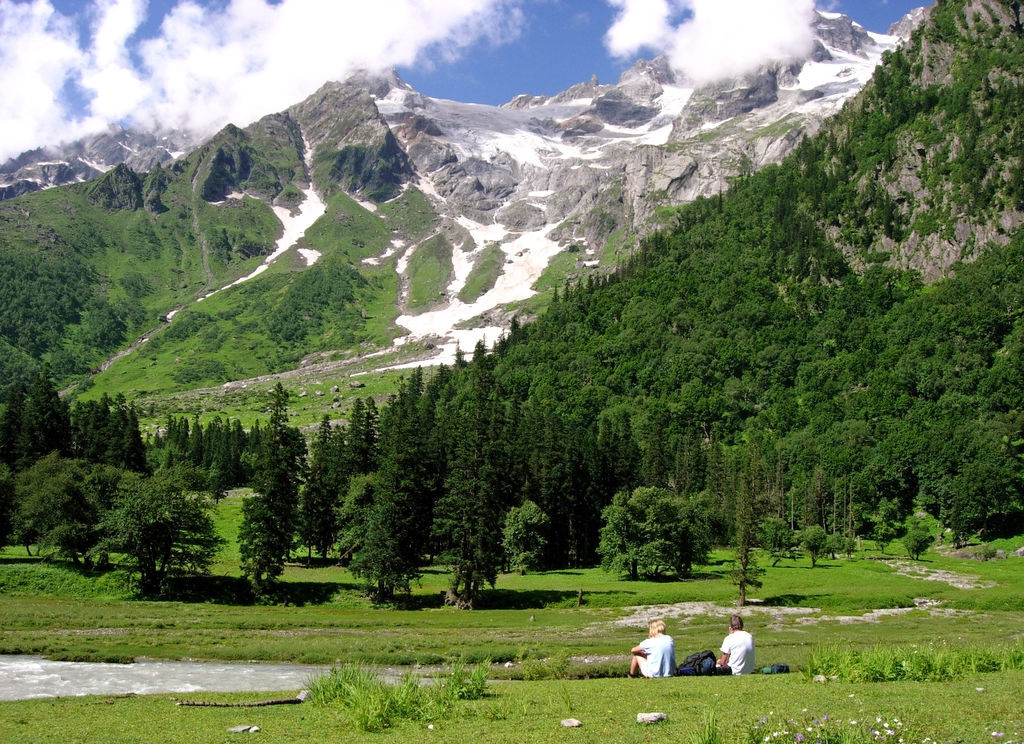
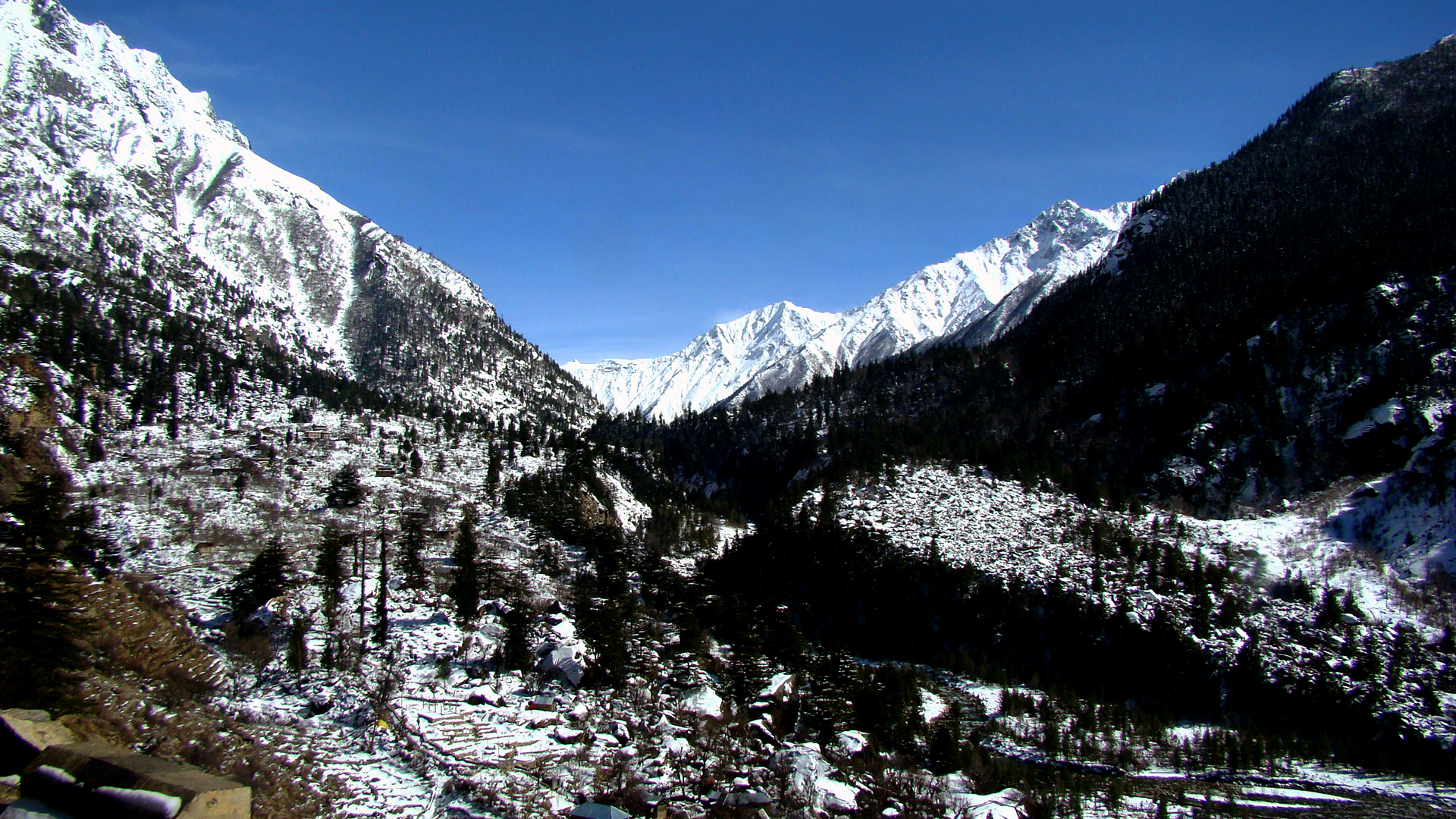
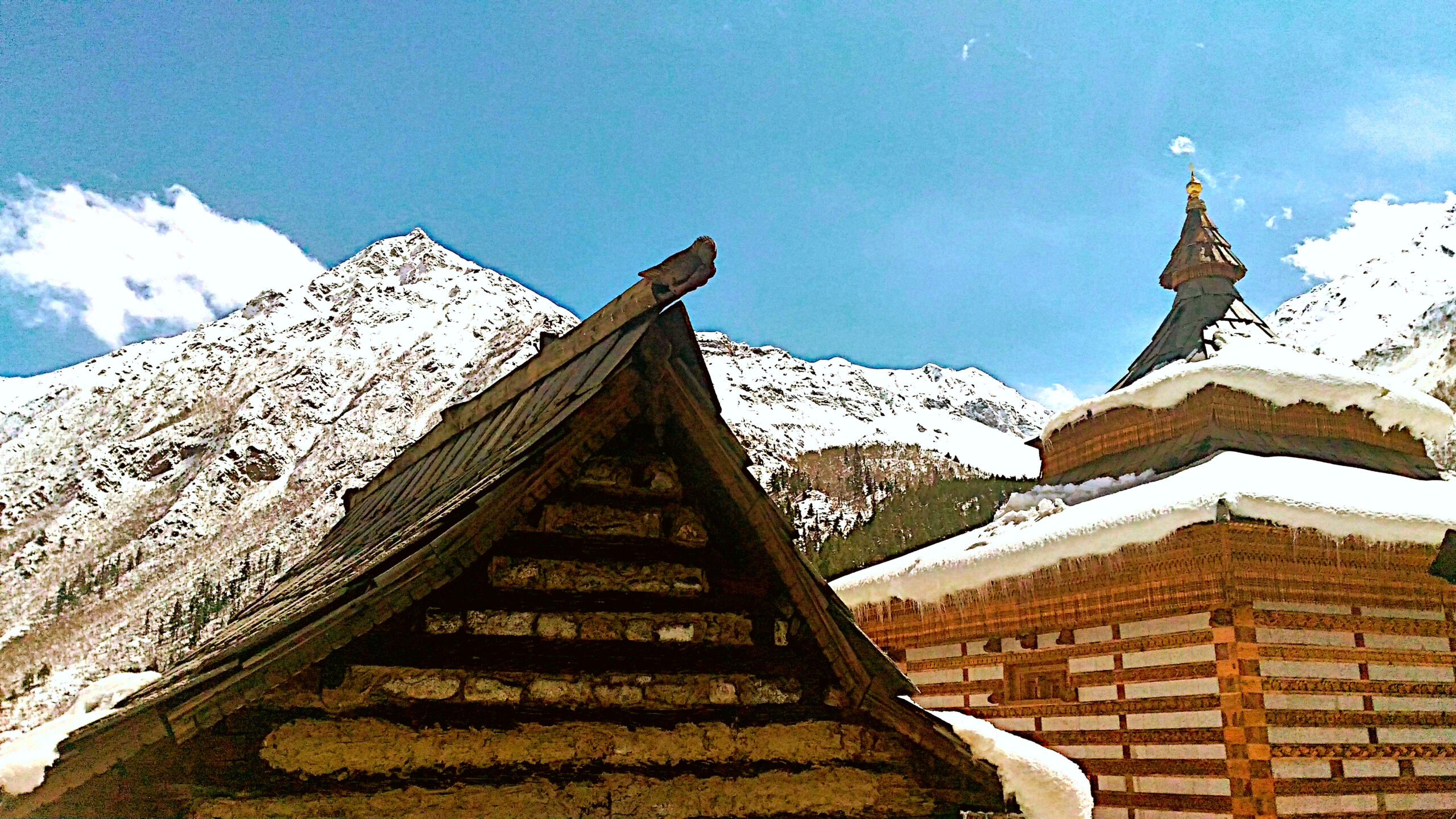
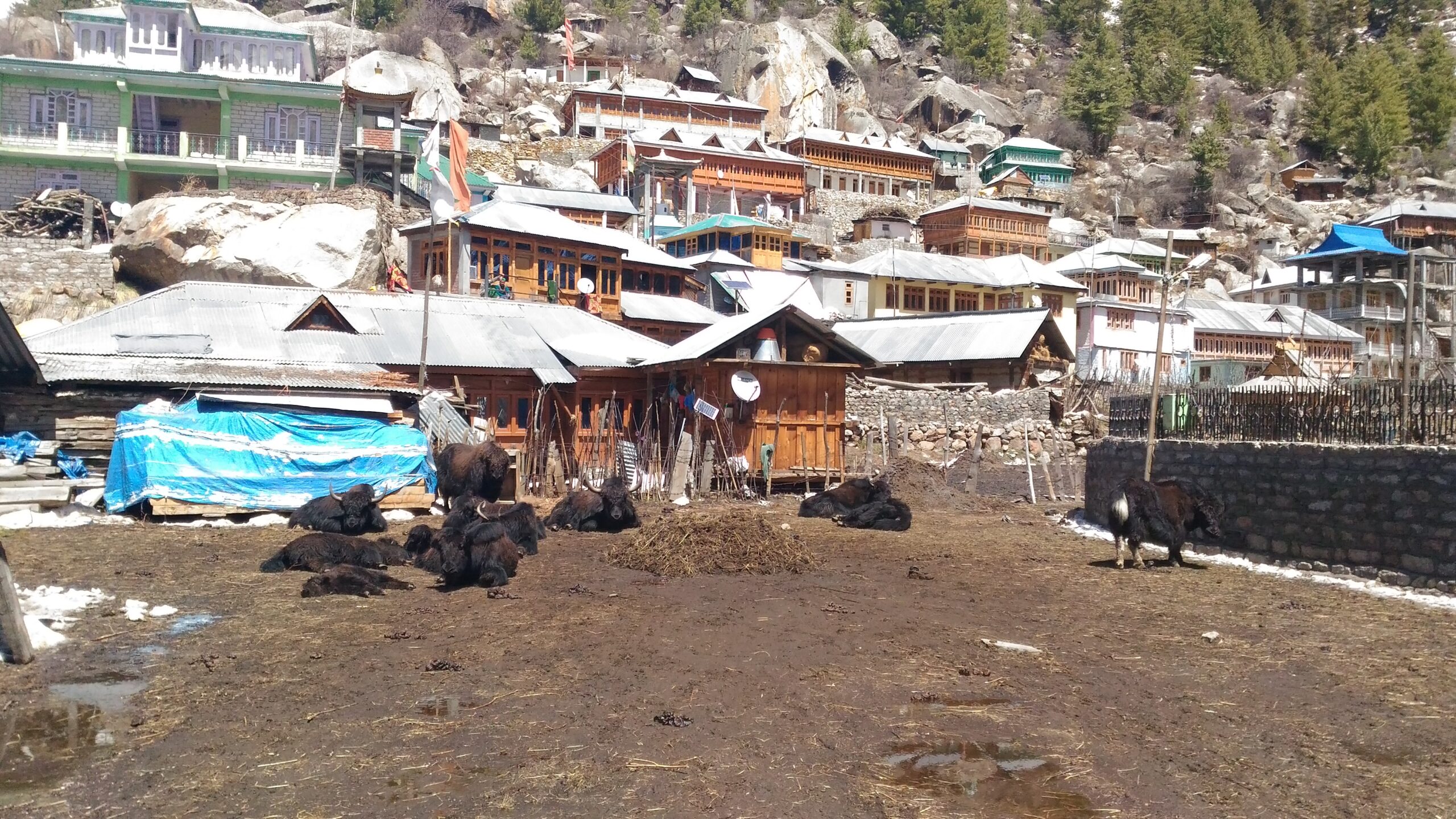
Sangla Valley: Aqua-green Baspa river, birch-pine blends, Kinner Kailash frames. Romance and road-movie gold. Rakcham & Chitkul Villages are described by early travelers to the region as the most beautiful of all Himalayan Valleys. Access: Karcham (1 hour).
Kunnu Charang: Ancient trails and village grain. Pilgrimage-influenced storytelling with spiritual undertones. Access: Thangi
Ka Loops: Curving mountain roads. Telegraphs speed and precision; tight rigs and gimbal work excel here. Access: Pooh
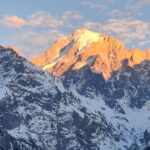
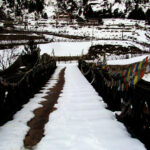
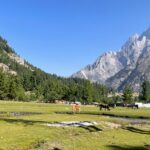
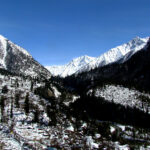
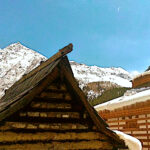
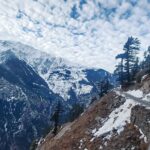
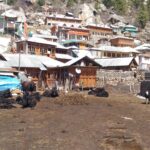
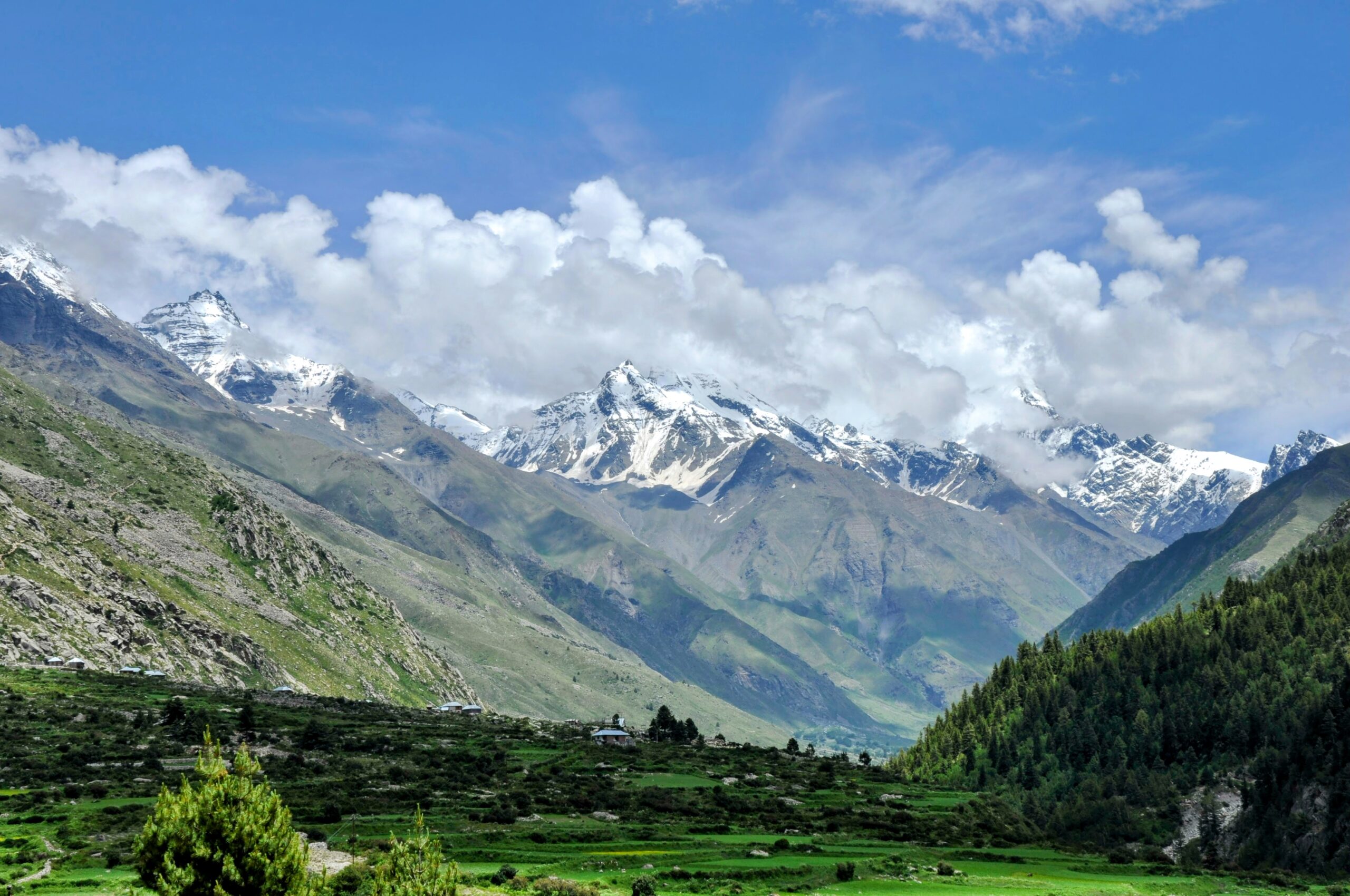
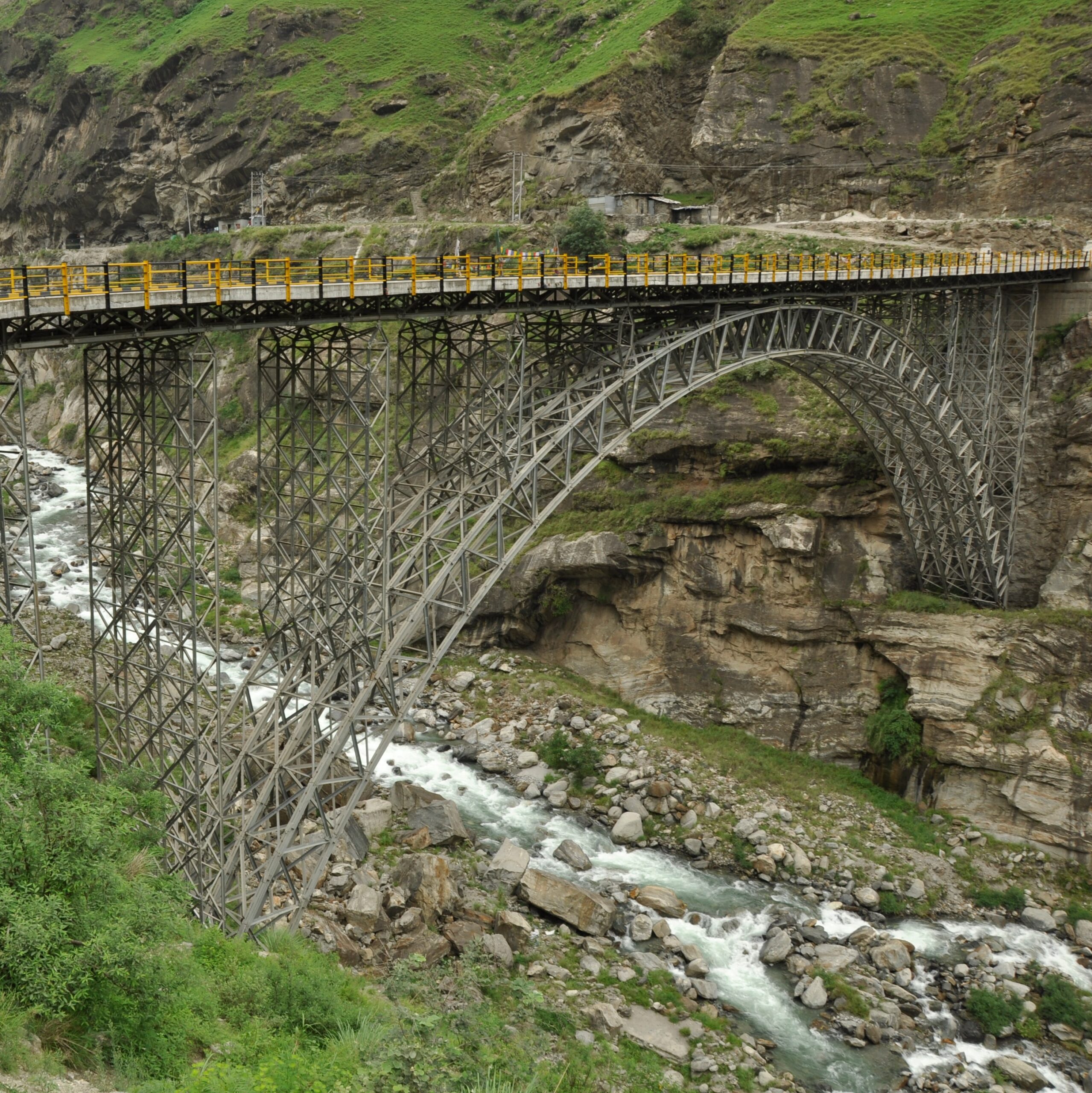
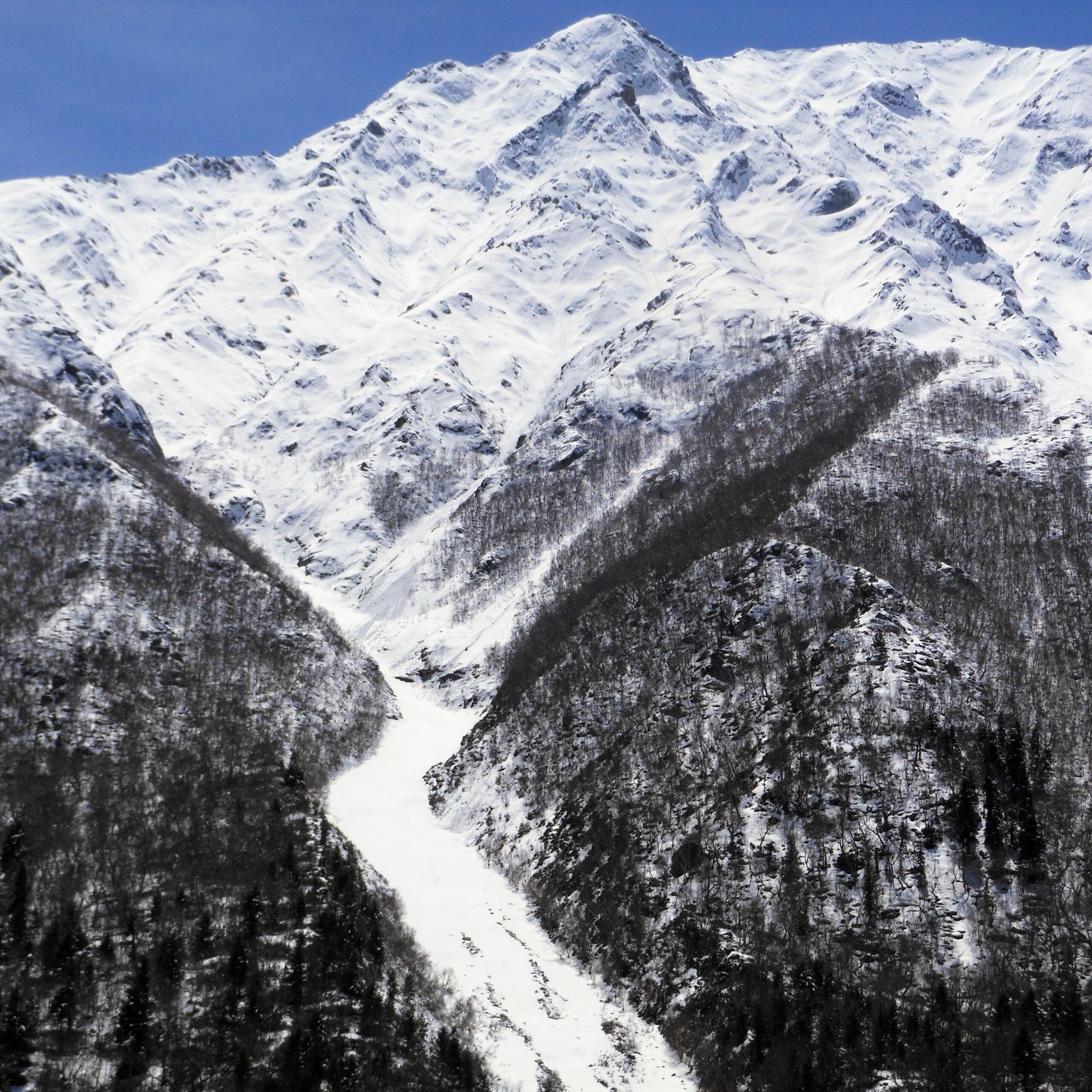
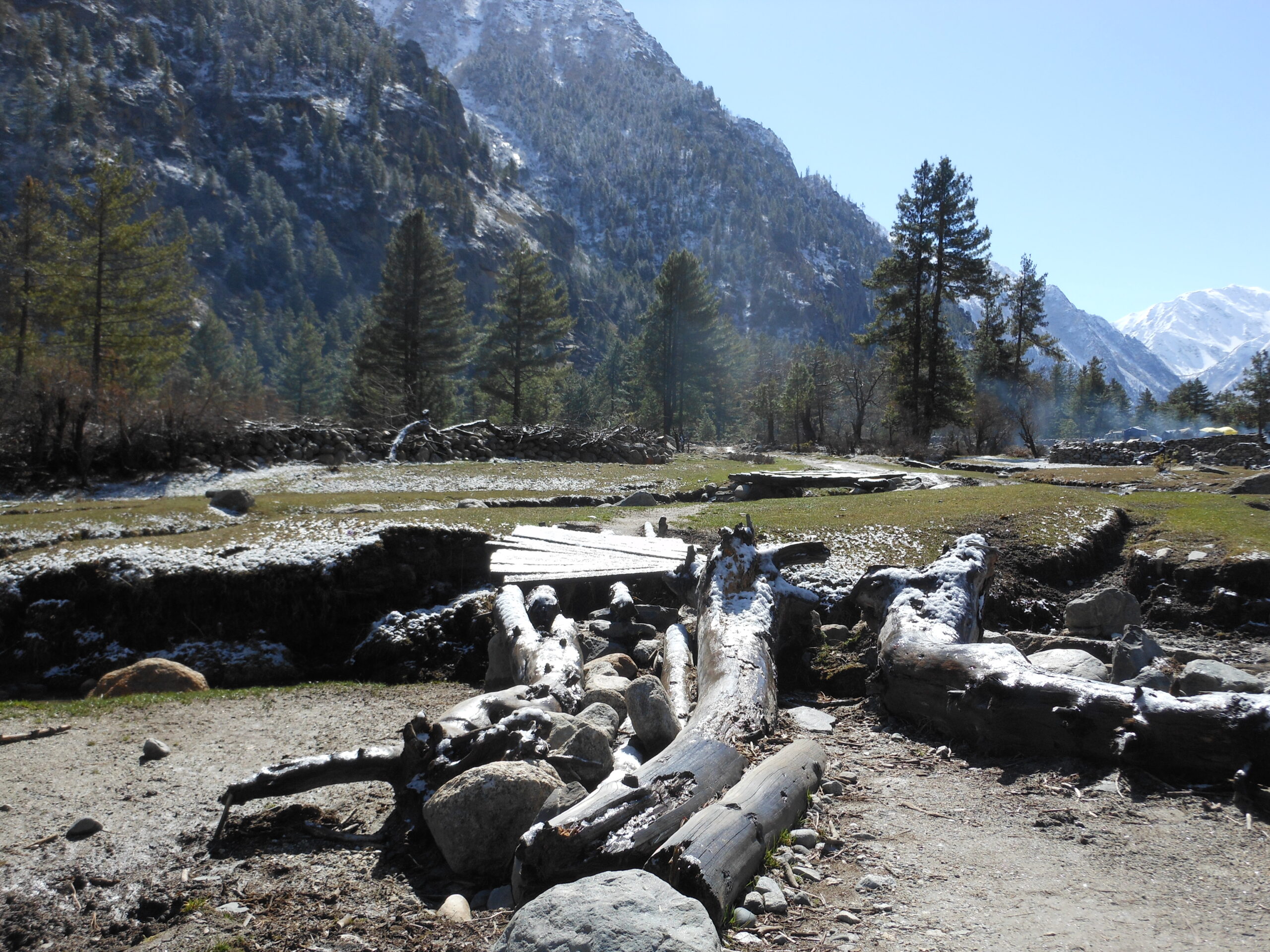
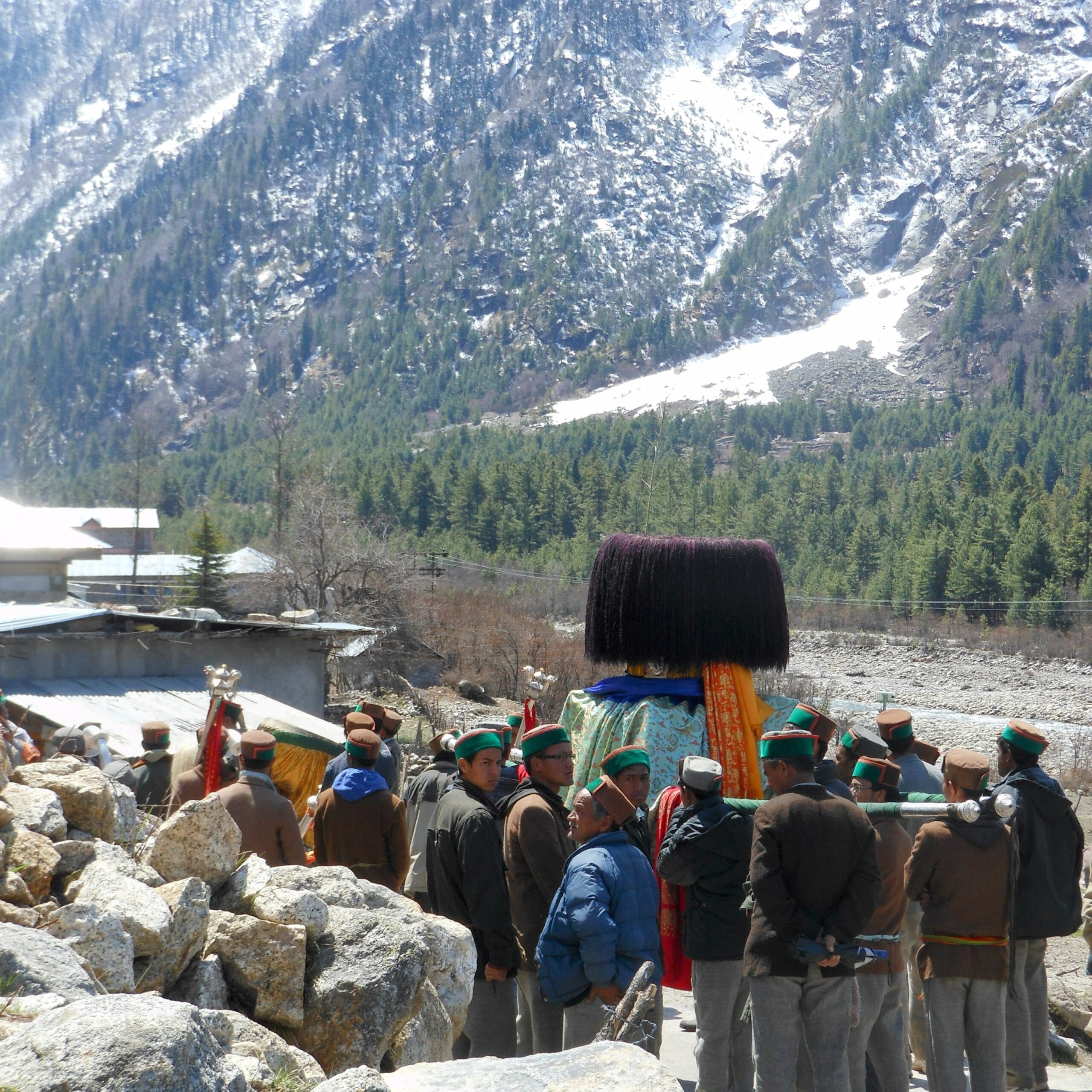
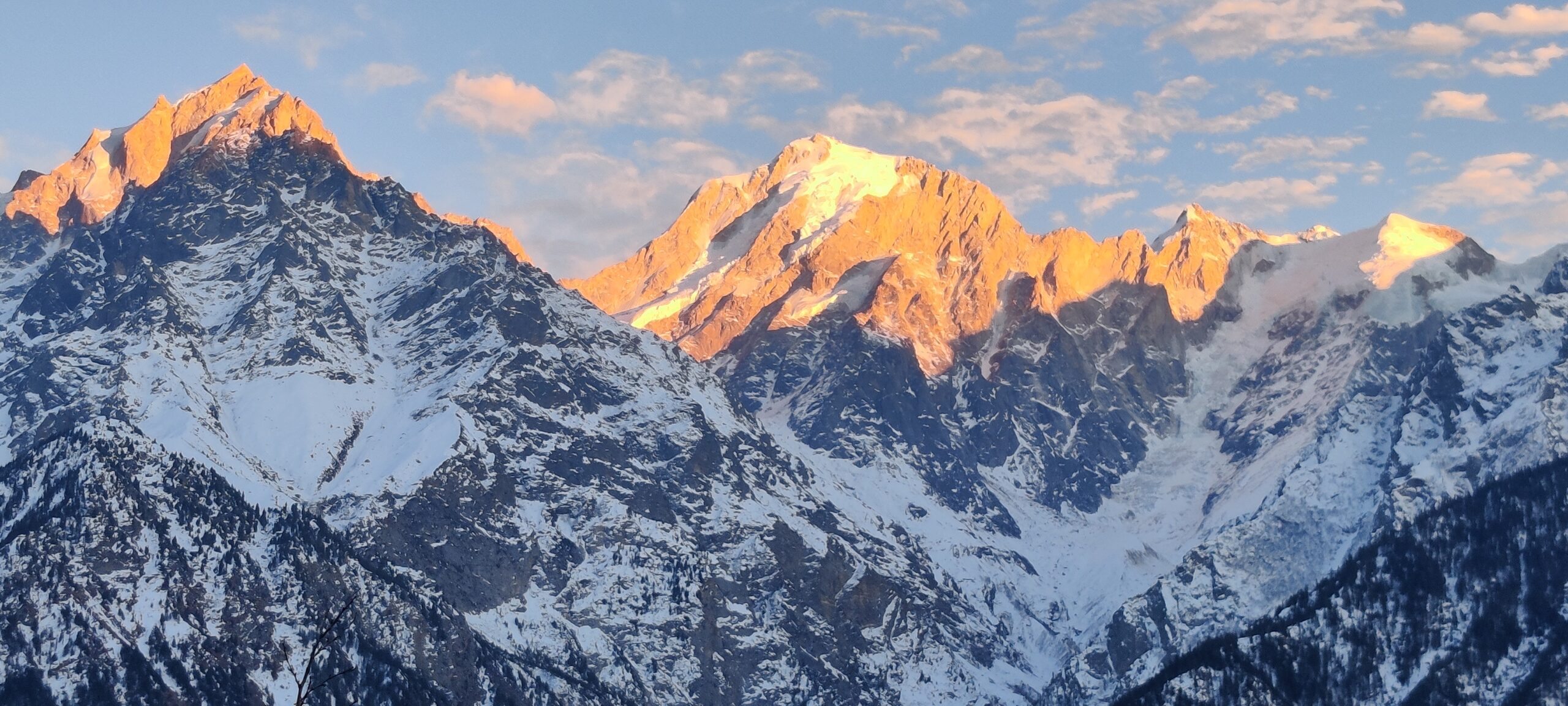
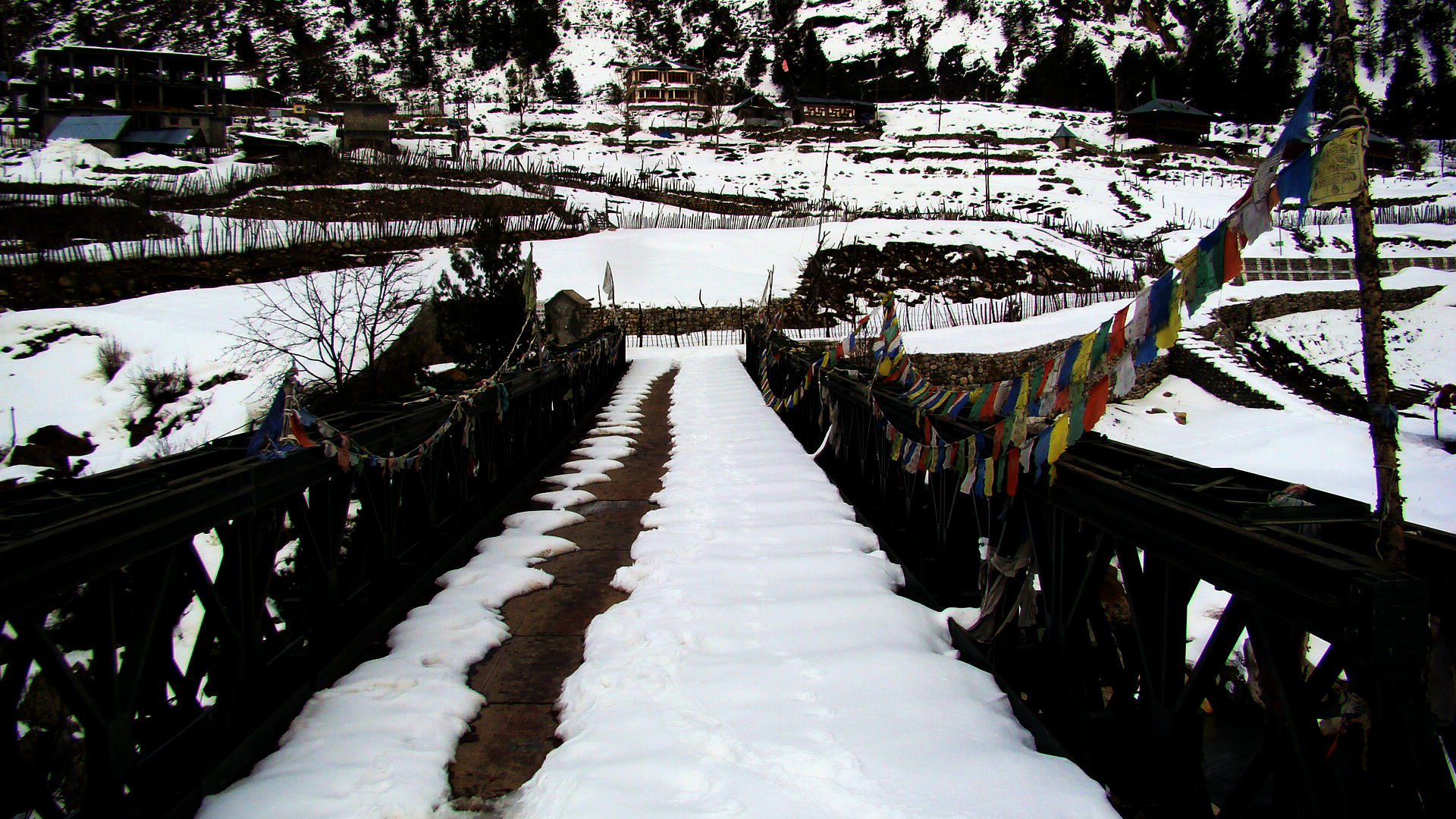
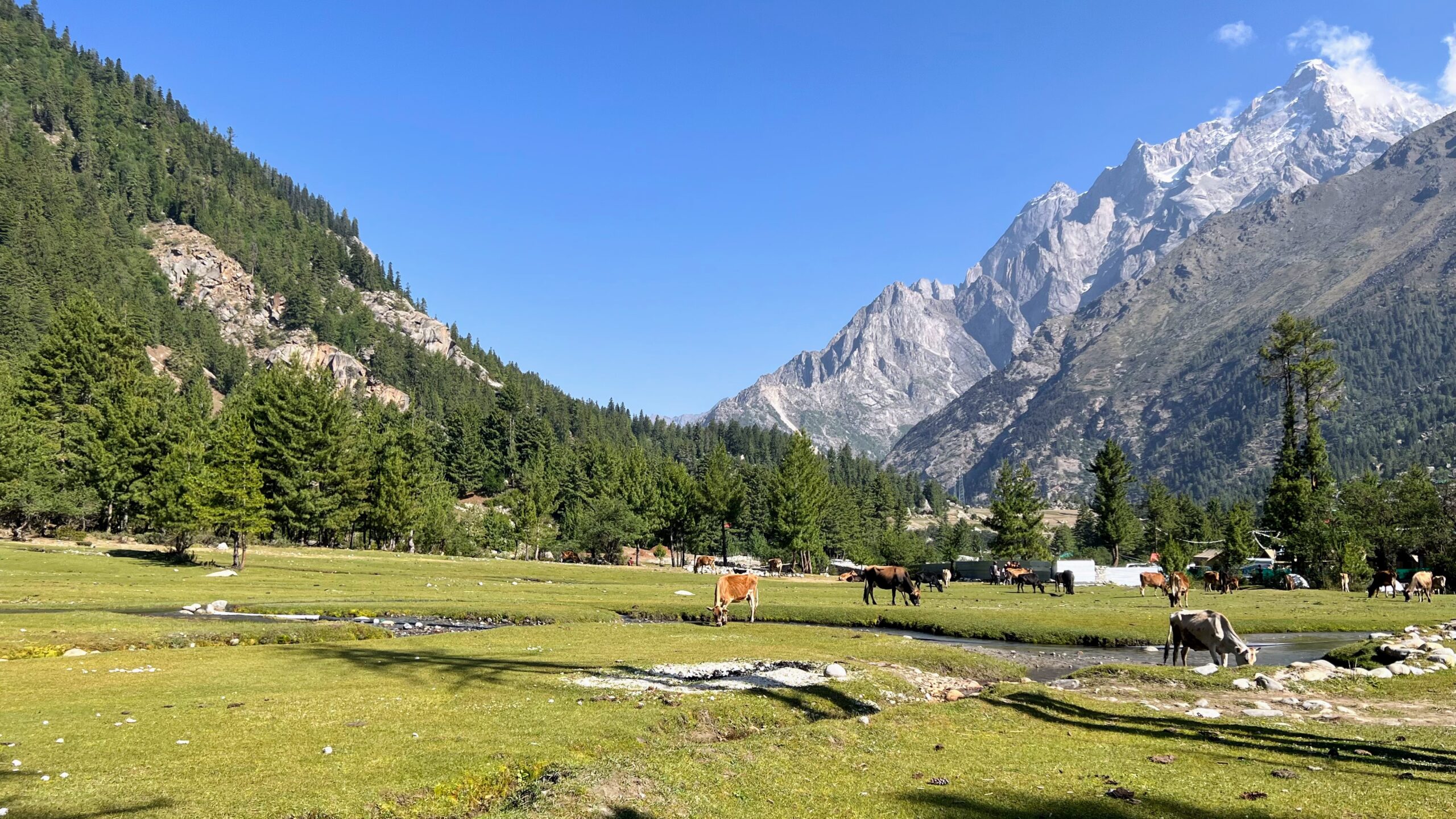
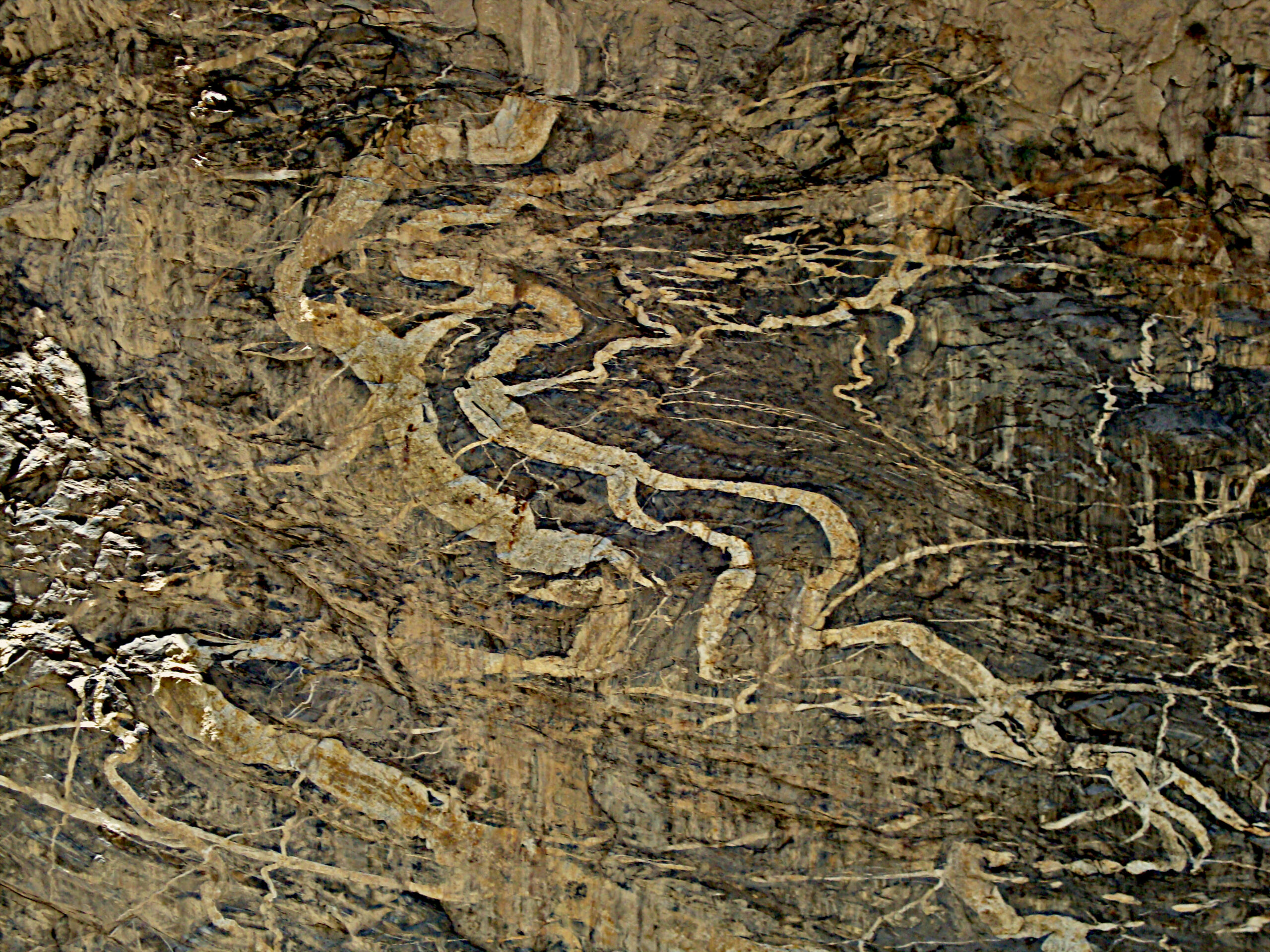
Spiti Valley: The Cold Desert
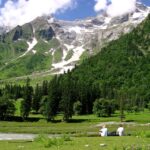
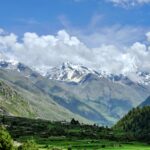
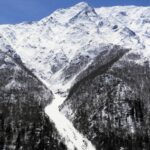
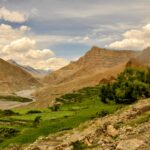
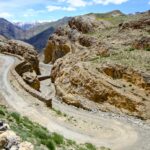
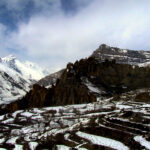
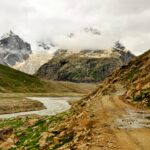
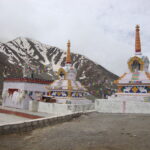
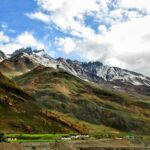
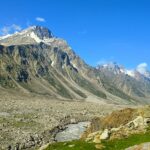
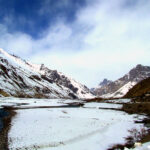
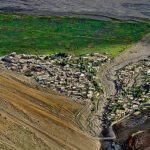
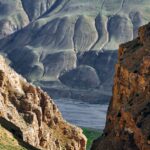
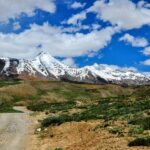
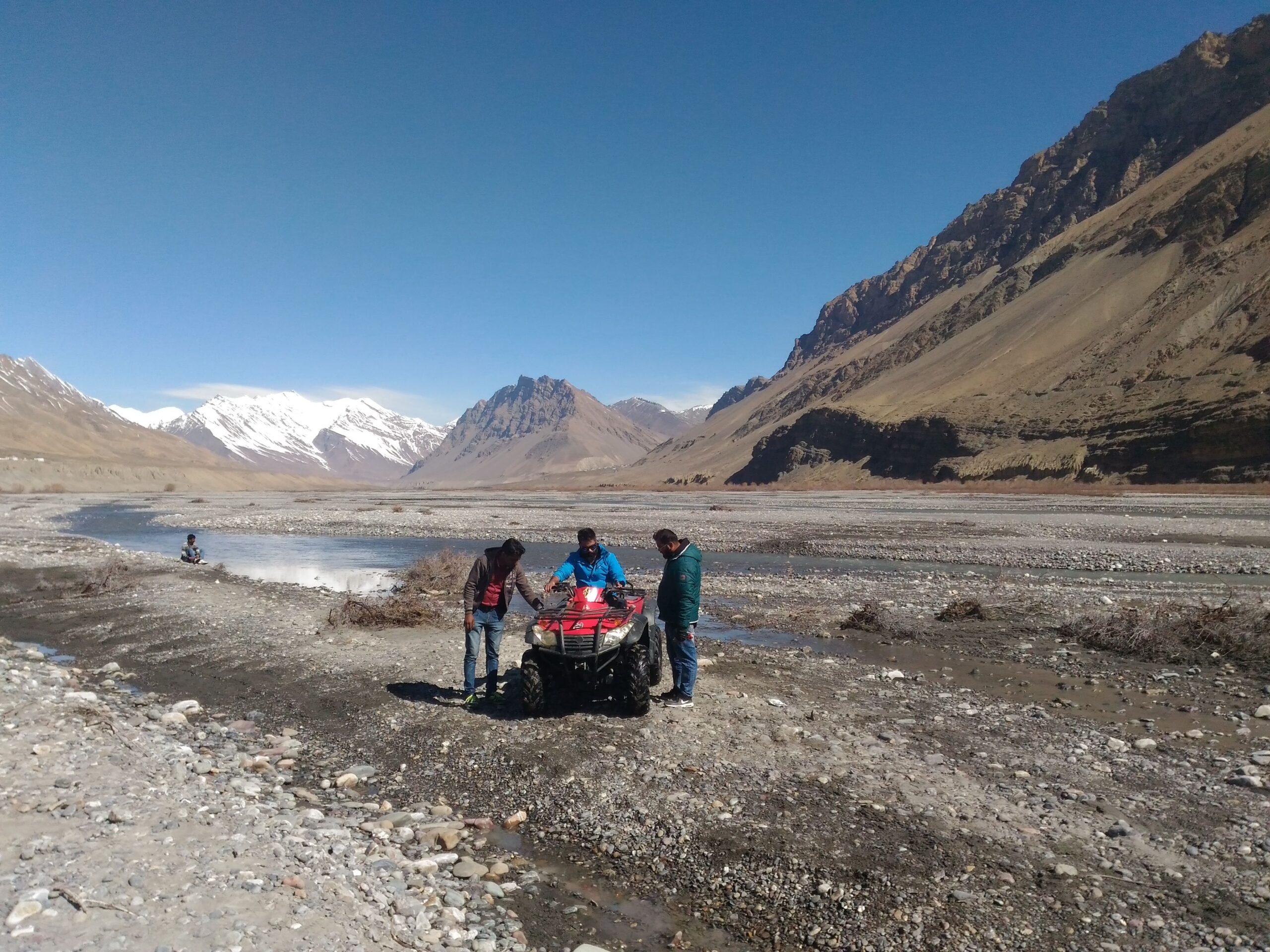
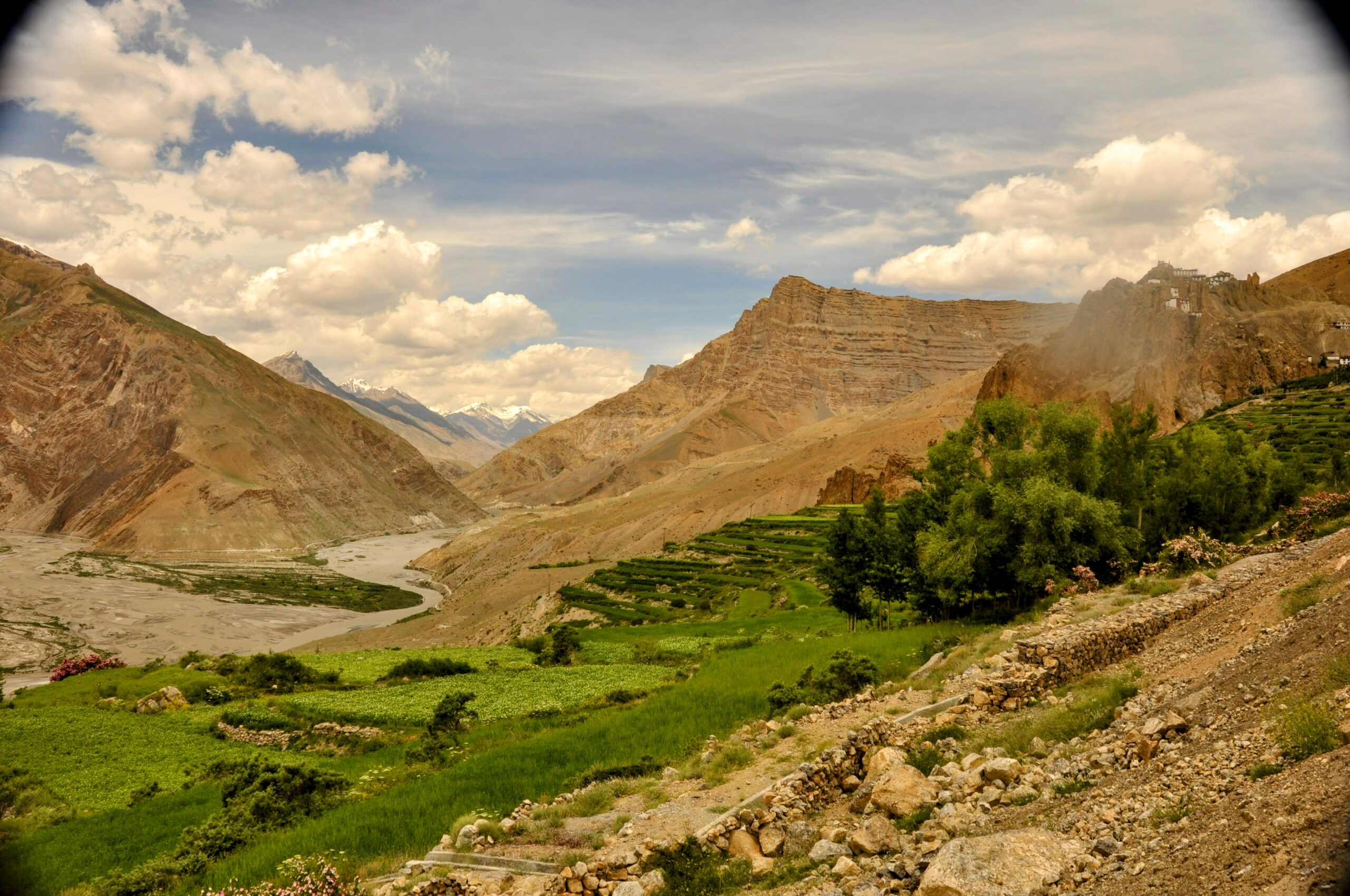
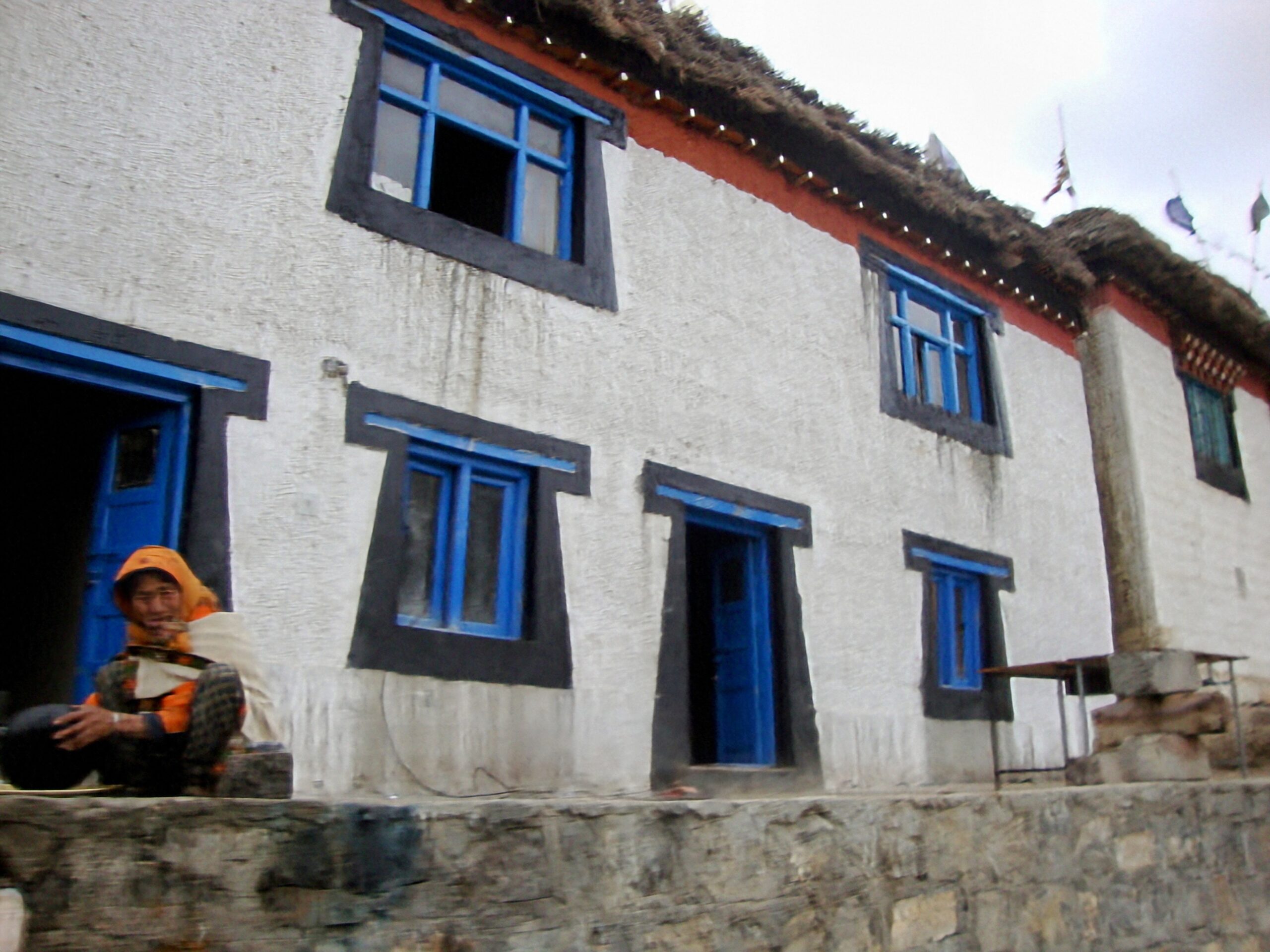
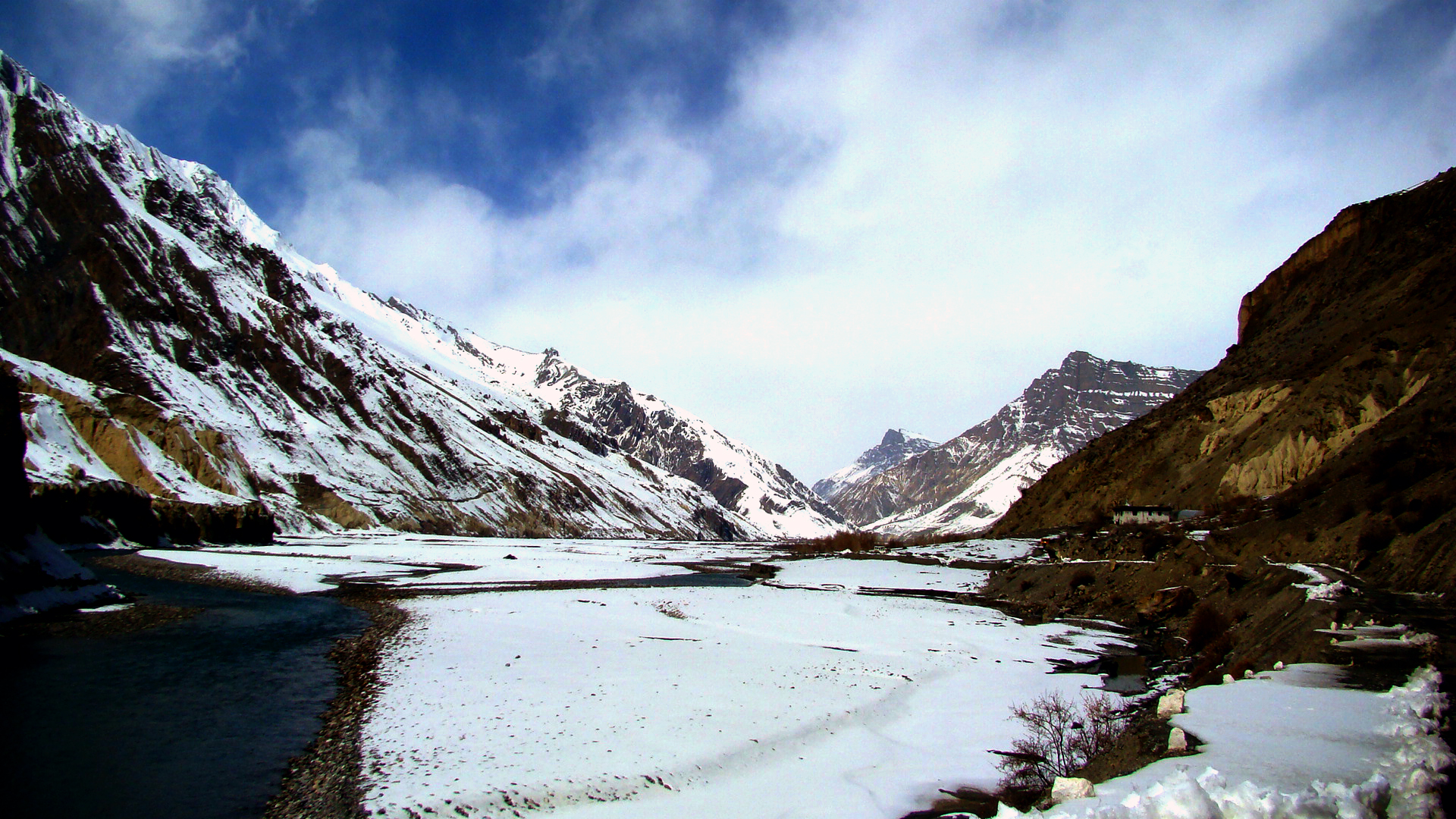
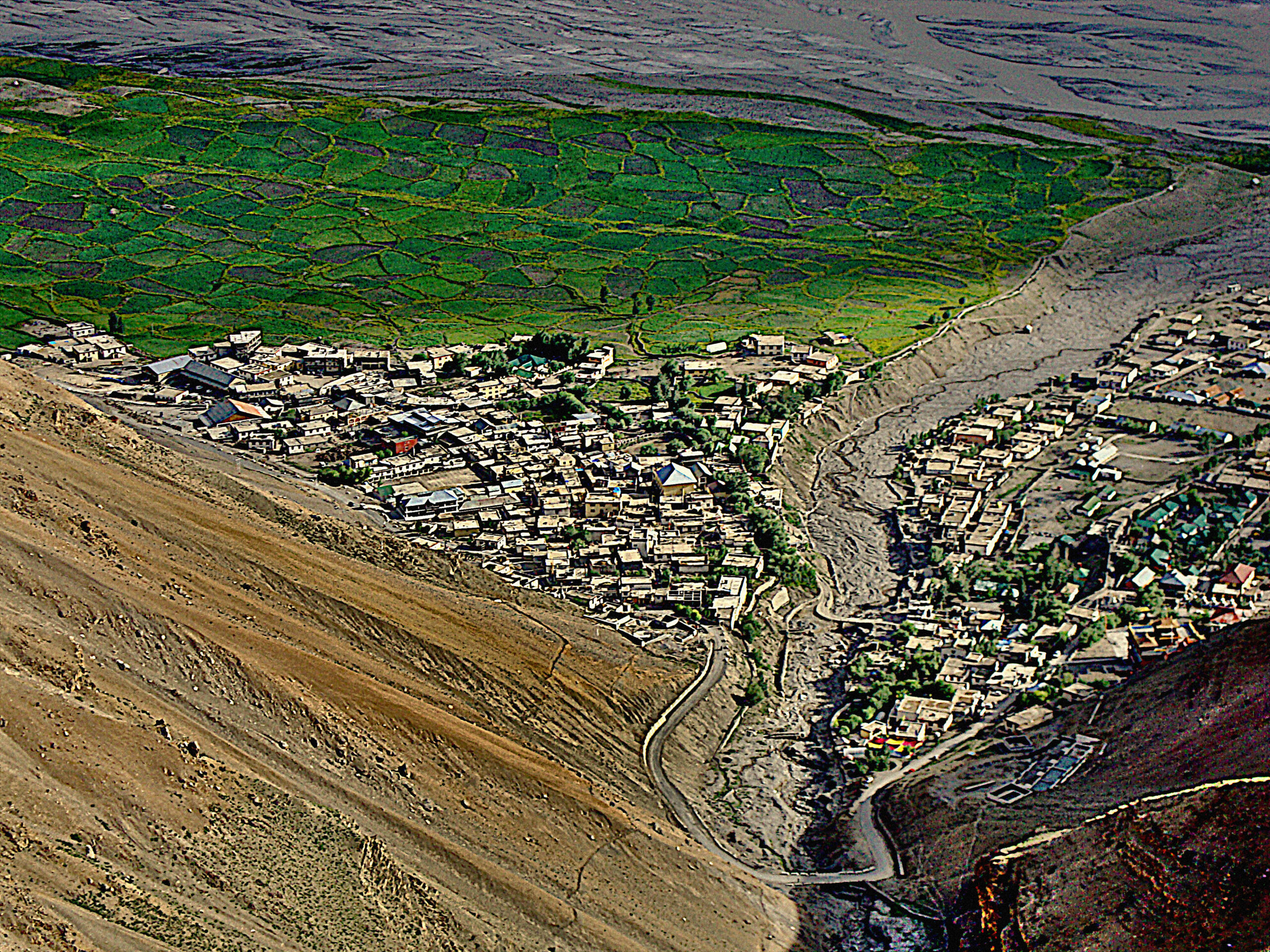
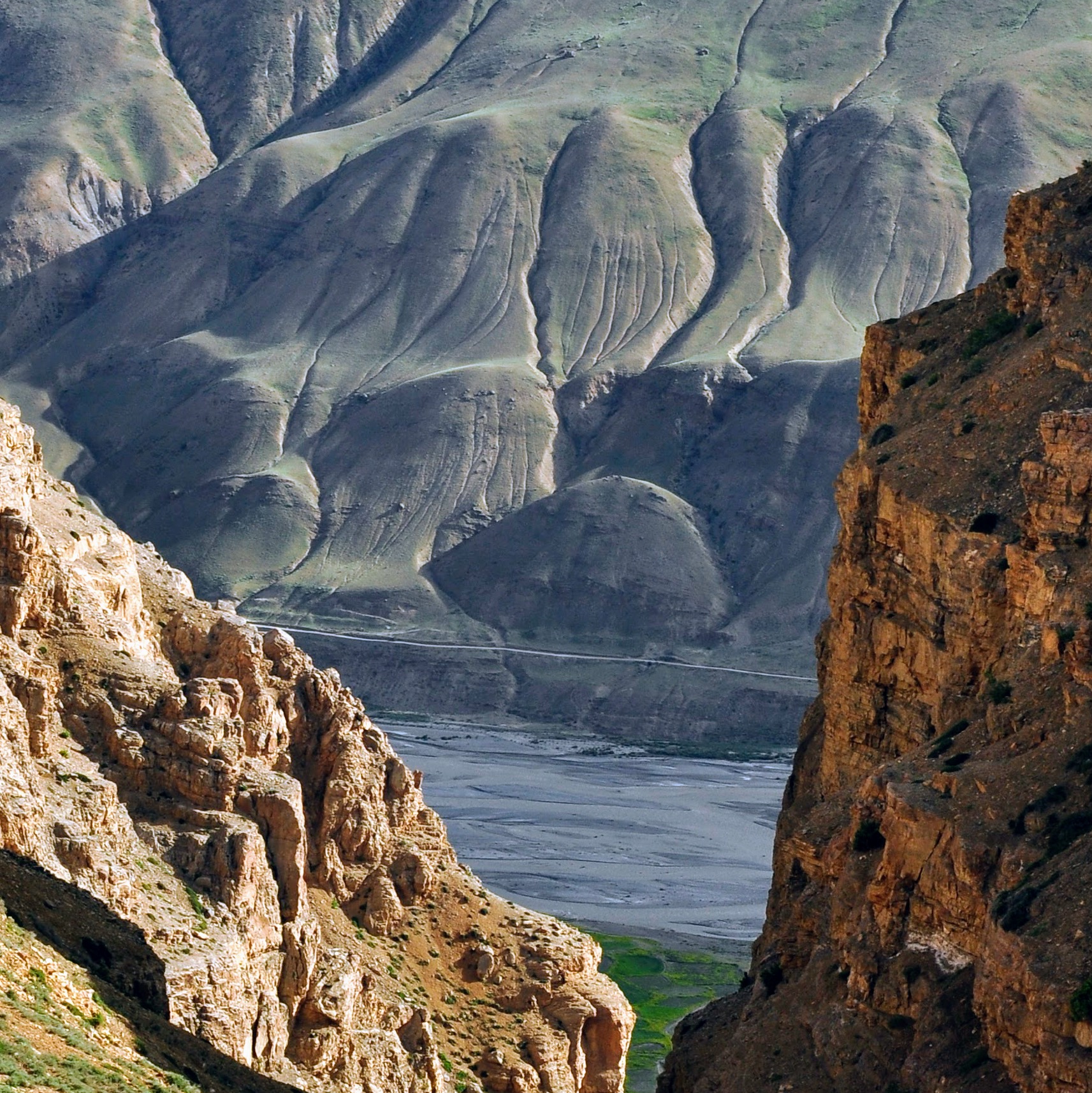
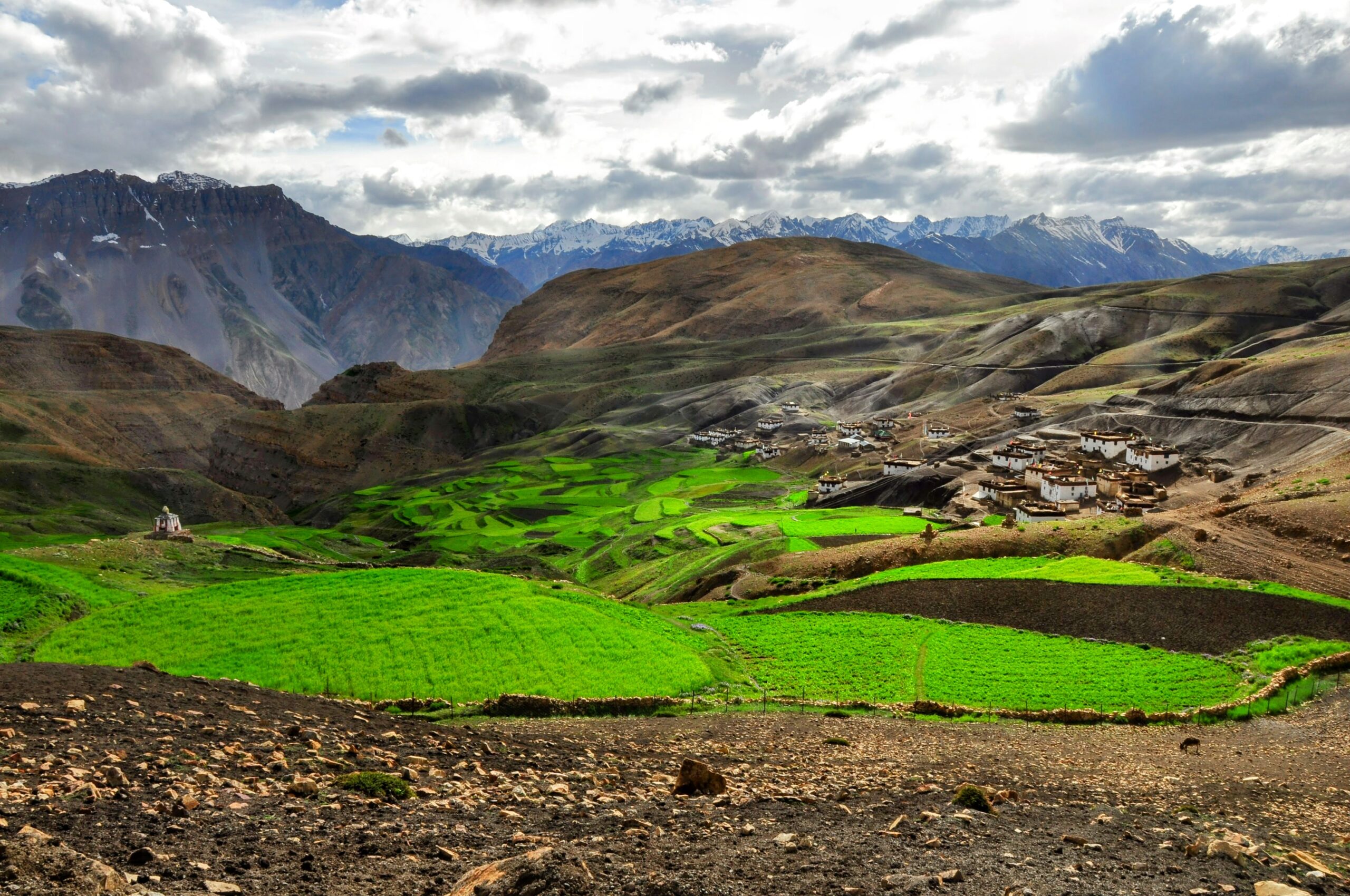
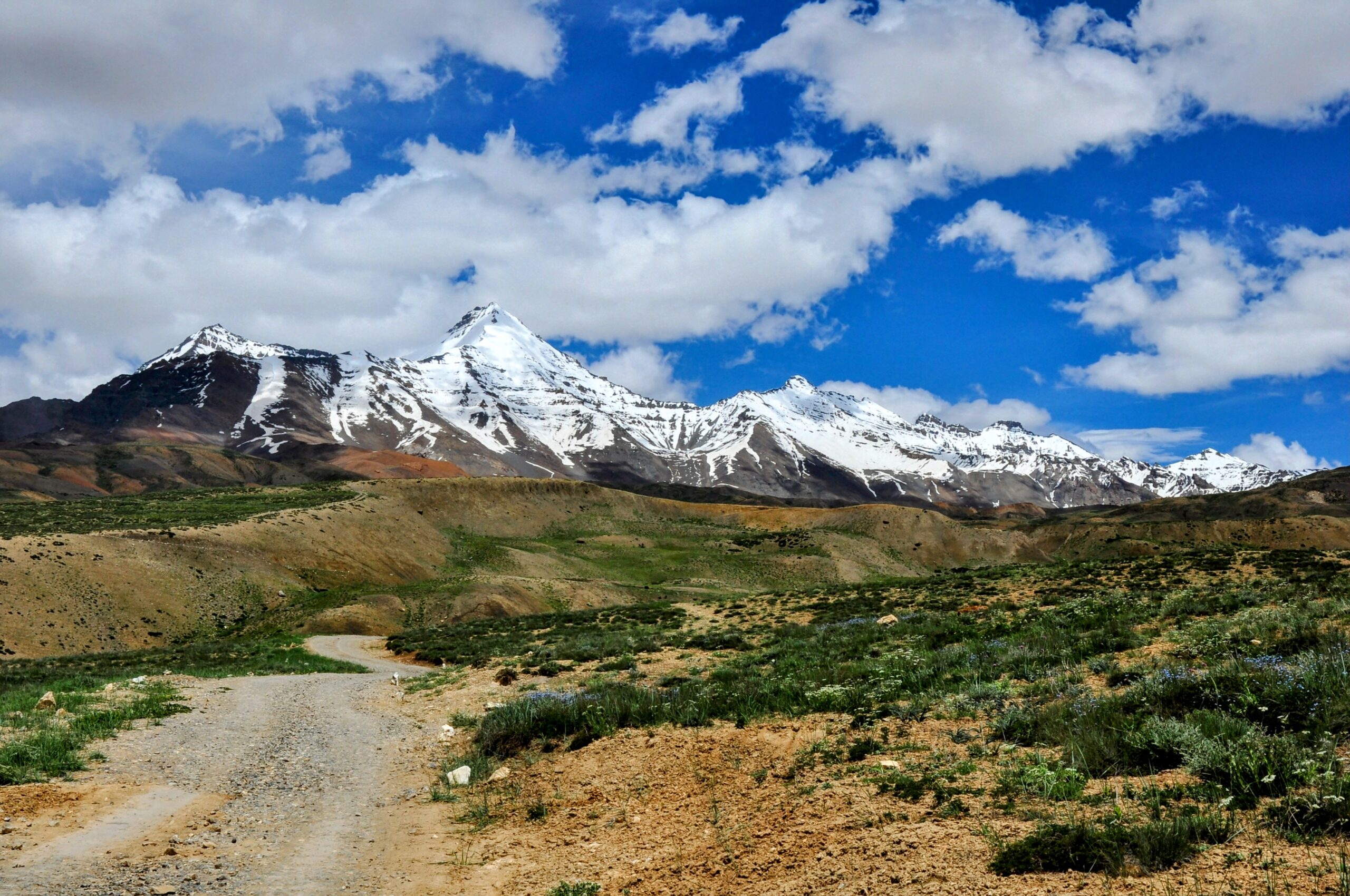
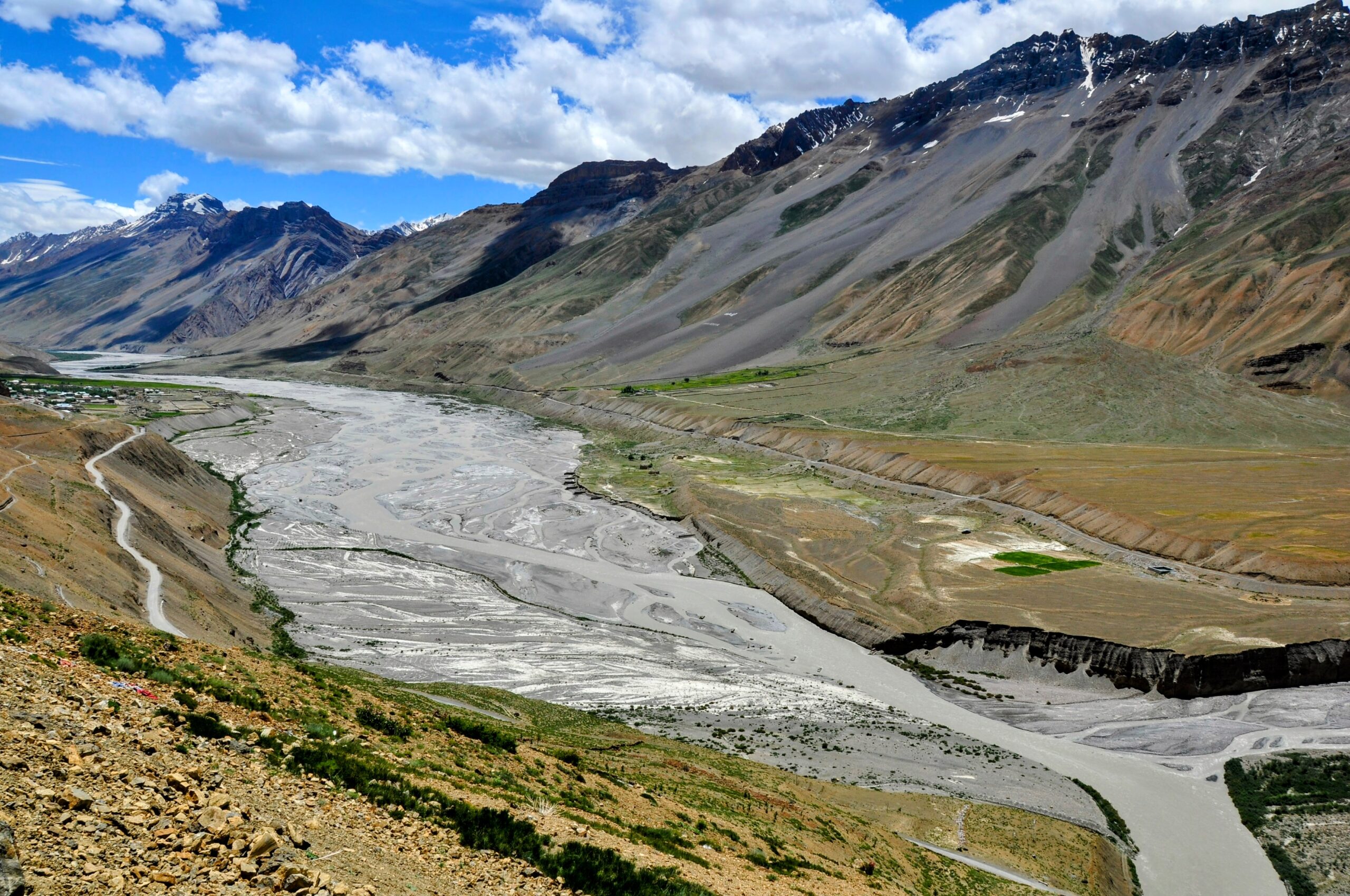
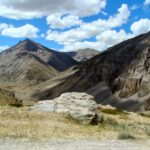
A high-altitude moonscape that feels like another planet, Spiti Valley is a canvas of sublime emptiness. This makes Spiti Valley film shooting a dream for sci-fi, spiritual journeys, or character studies where the landscape itself is a character. Its stark, minimalist beauty offers some of the most profound cold desert locations in the world, perfect for visually driven storytelling. Access is seasonal (June-Oct) from Manali or year-round via Kinnaur, providing a premier destination for high-altitude filming in India when the light is best from June to October.
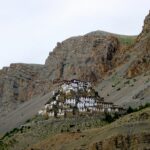
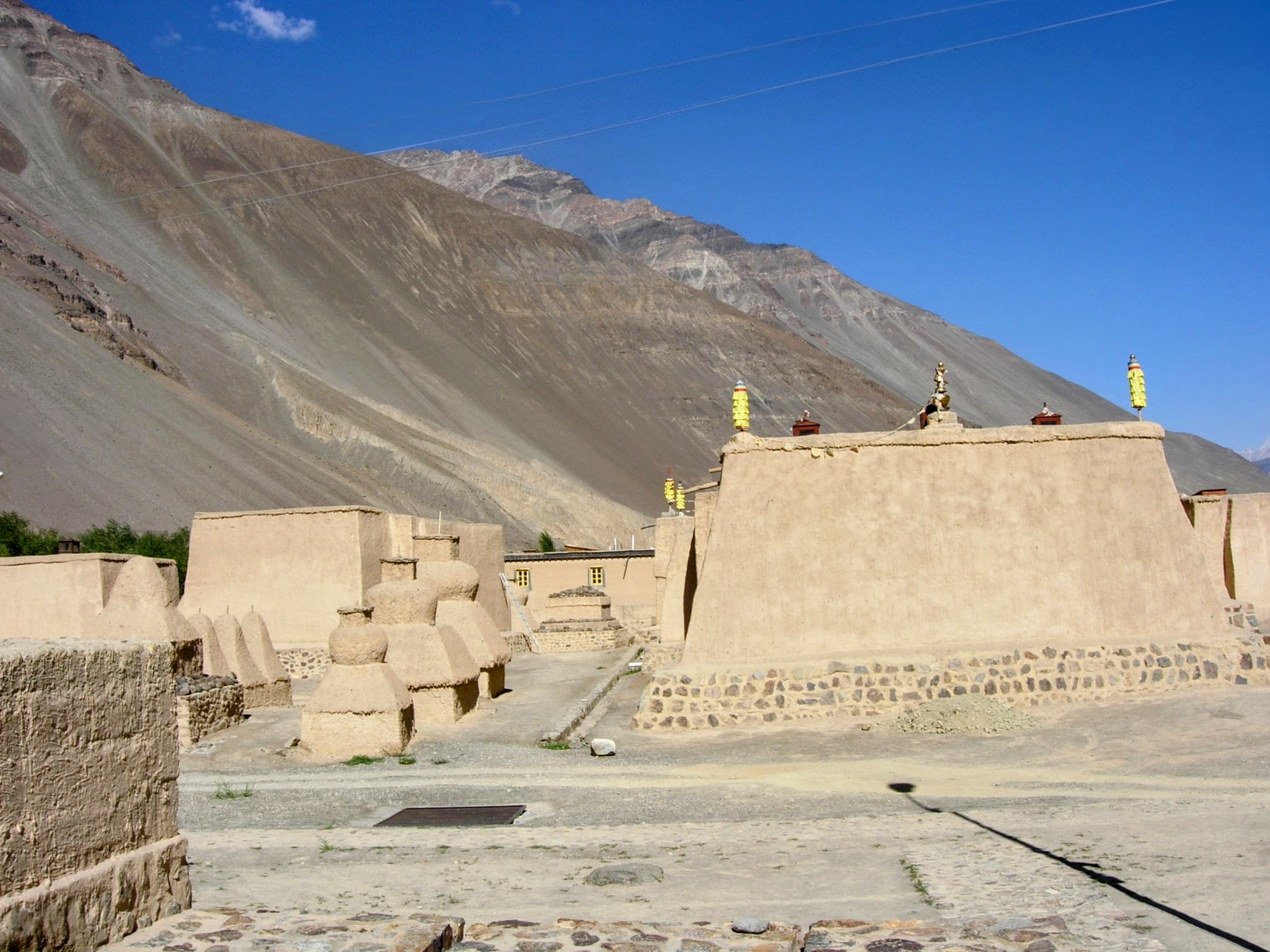
Nako: High-altitude lake, mud monasteries, moonlike textures. Extraordinary silence for meditative cinema. Access: Pooh (1.5 hours).
Chango: River gorge drama and orchard belts. Perfect for transitional sequences between Kinnaur and Spiti tones. Access: Nako (1 hour).
Shipki La: Frontier ambience, stark geology. Controlled access but unmatched sense of edge-of-the-map storytelling. Access: Khab (2 hours).
Shialkhar: Sparse hamlets, wide skies, minimal noise. Every sound choice matters – and lands. Access: Nako (1 hour).
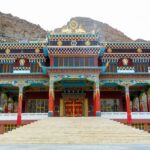
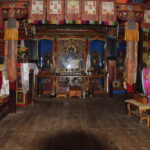
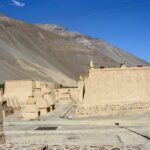
Tabo: 1,000-year-old monastery, earthen hues, low light. Intimate scenes take on sacred resonance. Access: Kaza (1.5 hours).
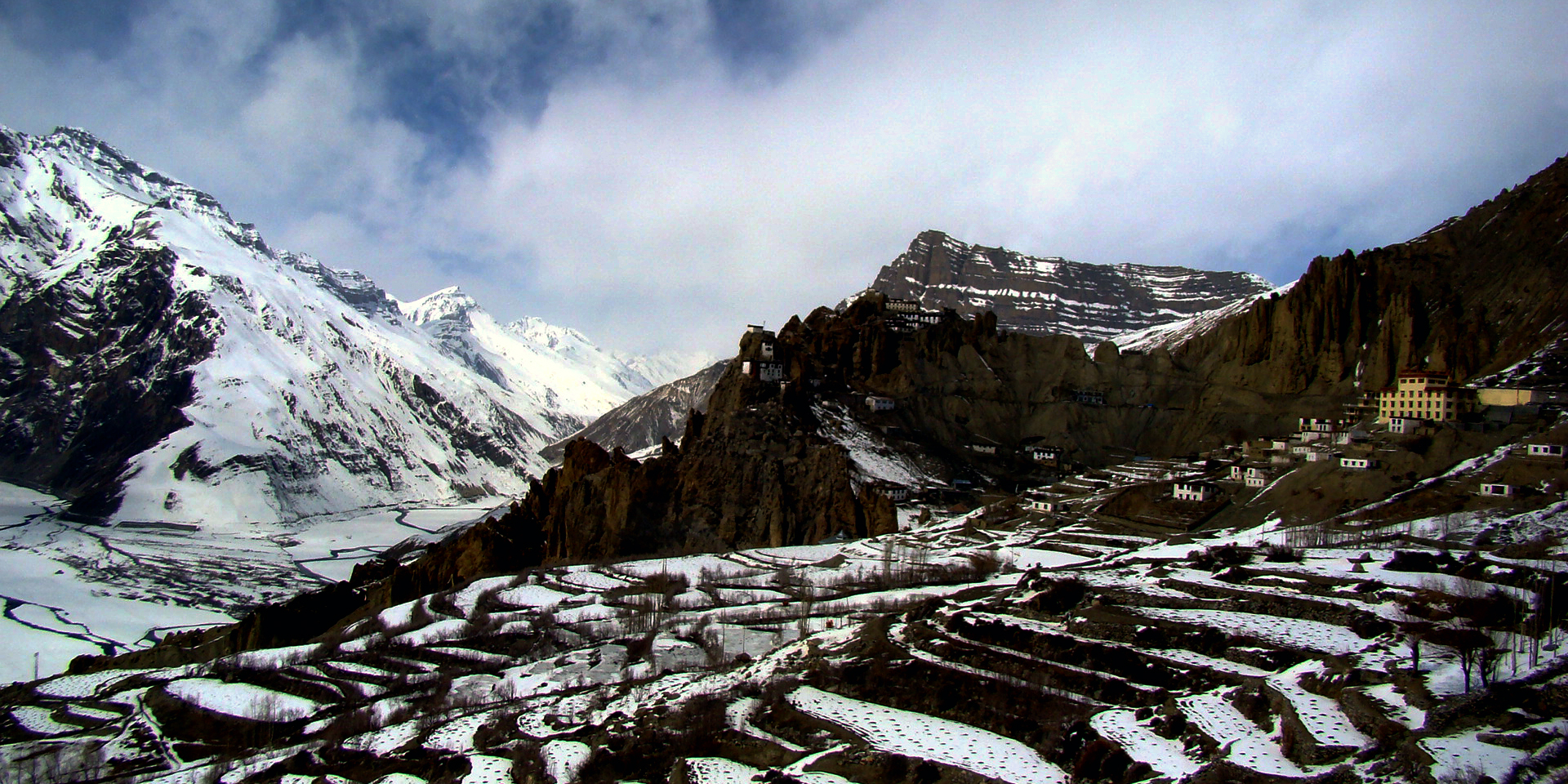
Dhankar: Clifftop monastery over confluence vistas. Dramatic alt-cuts between prayer flags and plunging valleys. Access: Shichilling (30 mins).
Pin Valley: Green threads through gravel moonscapes. Fauna narratives and pastoral lives read gracefully. Access: Attargo (30 mins).
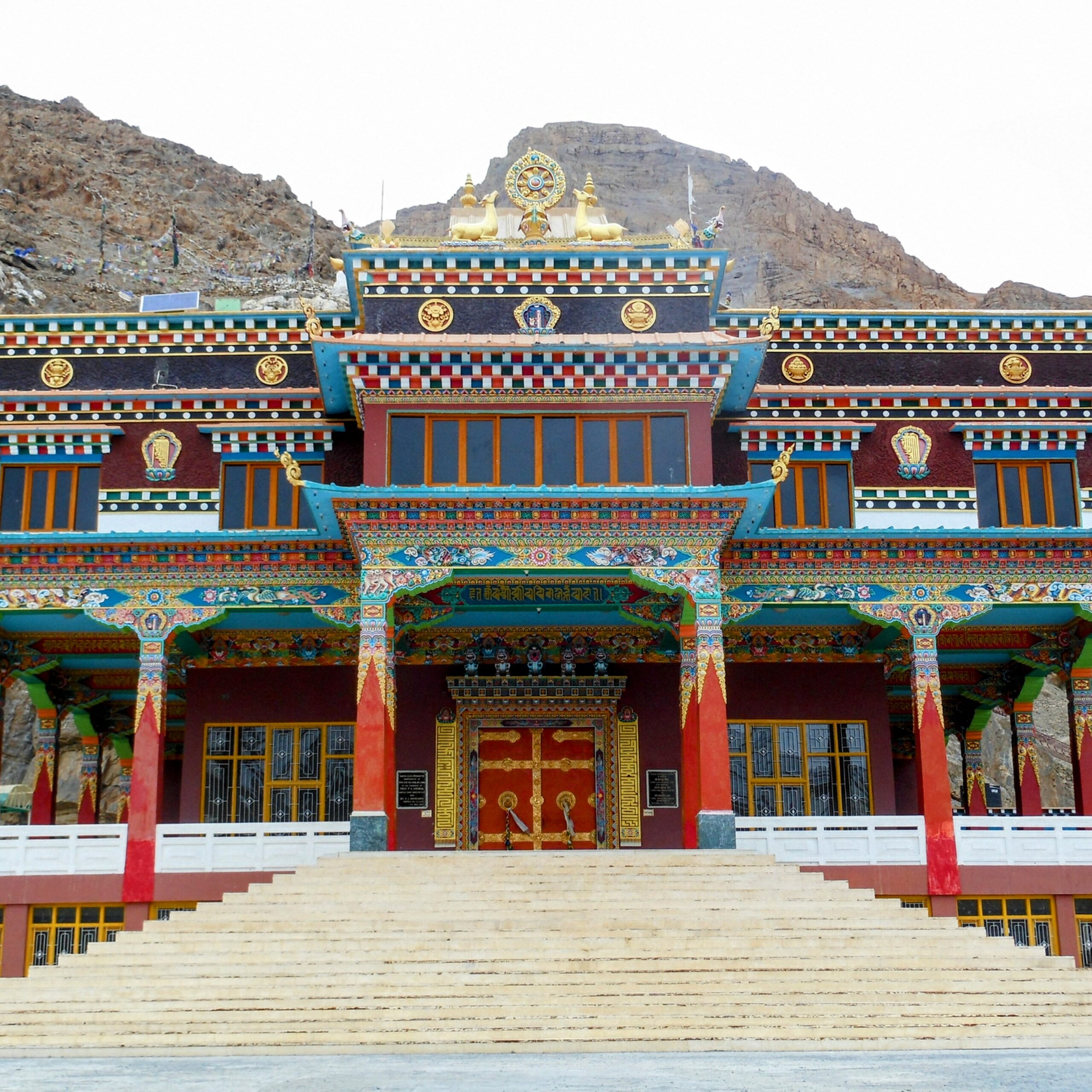
Kaza: Spiti’s working hub. Mix crew logistics with stark street textures for grounded sci-fi or near-future looks. Access: Manali (5-6 hours) / Tabo (1.5 hours), Shimla 16 hours
Demul: Wind-swept plateau village. Panoramic masters with human scale anchored in minimalism. Access: Kaza (1 hour).
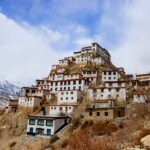
Komic: Among the world’s highest villages. Sky dominates, faces become landscapes – lean into close-ups. Access: Kaza (45 mins).
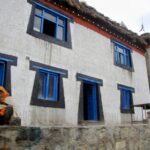
Hikkim: High-altitude post office. Letters, time, and memory as visual metaphors – simple, strong frames. Access: Kaza (45 mins).
Langza: Buddha statue, fossil beds, luminous dawns. Spiritual wides juxtaposed with tactile ground details. Access: Kaza (40 mins).
Kibber: Stone lanes, wildlife access, clean ridgelines. Ideal for docu-fiction like Sherni and observational cinema. Access: Kaza (30 mins).
Chichim: Sparse village geometricity. Desaturated palettes that love soft, directional light. Access: Kibber (15 mins).
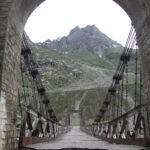
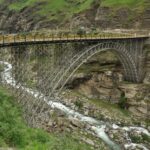
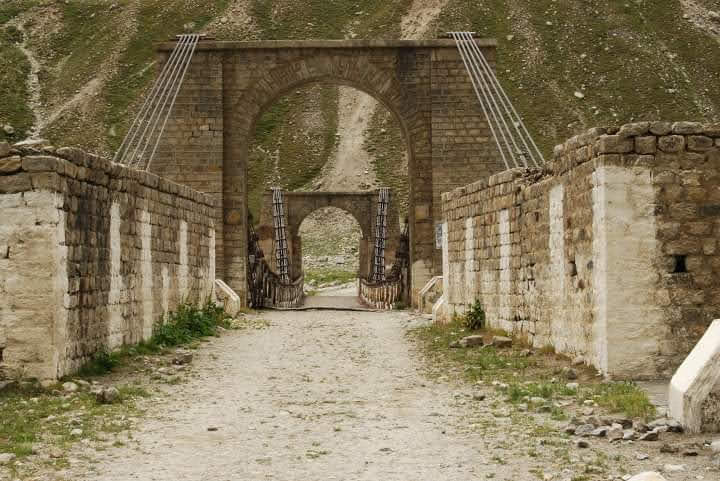
Chichim Bridge: Deep gorge jump cuts, drone fly-throughs, height drama. Action and contemplation both work. Access: Kibber (15 mins).
Losar: Gateway to Kunzum and Chandratal. Emptiness reads expansive – perfect for resets and reveals. Access: Kaza (1.5 hours).
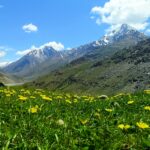
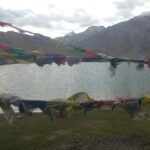
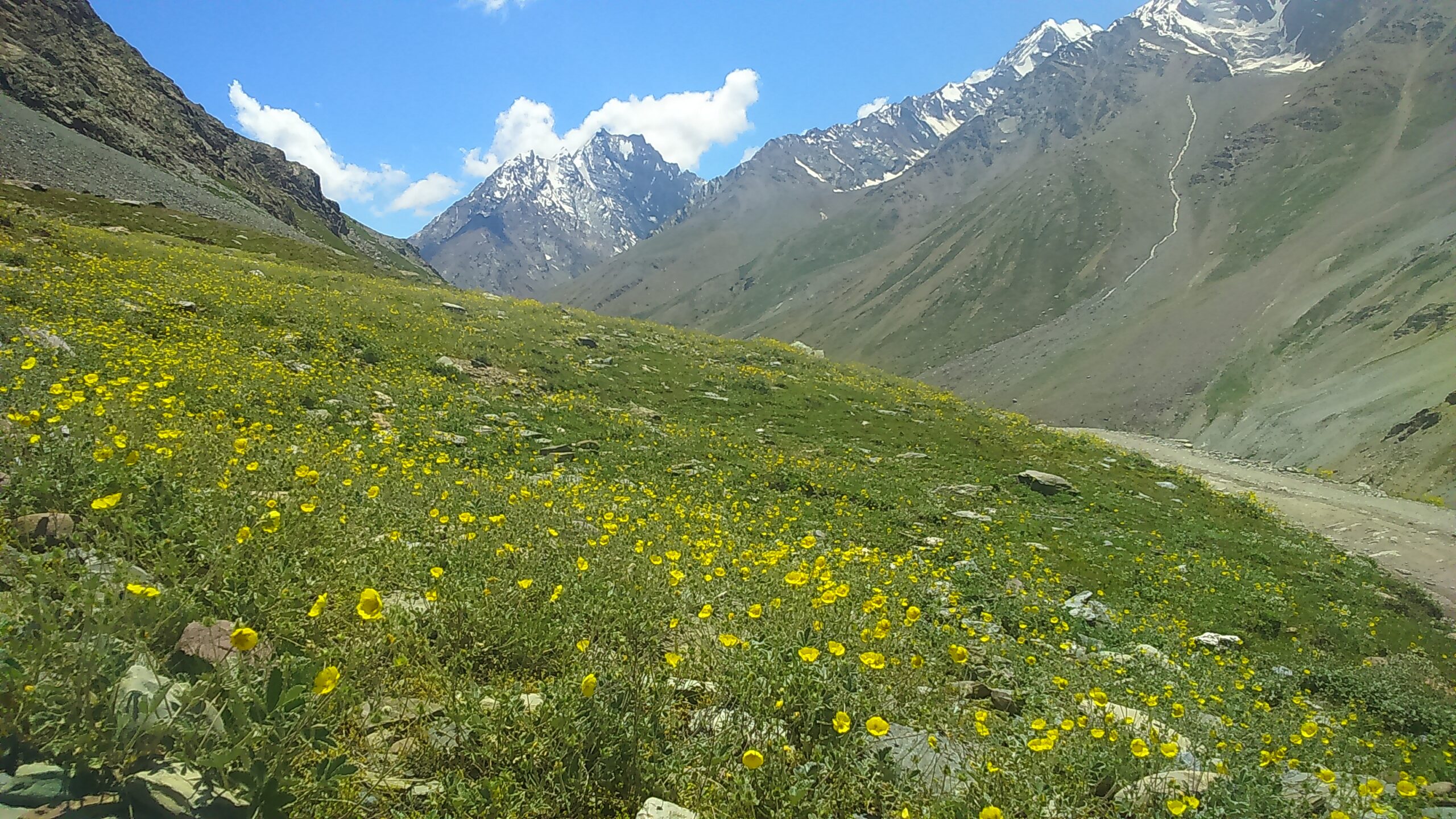
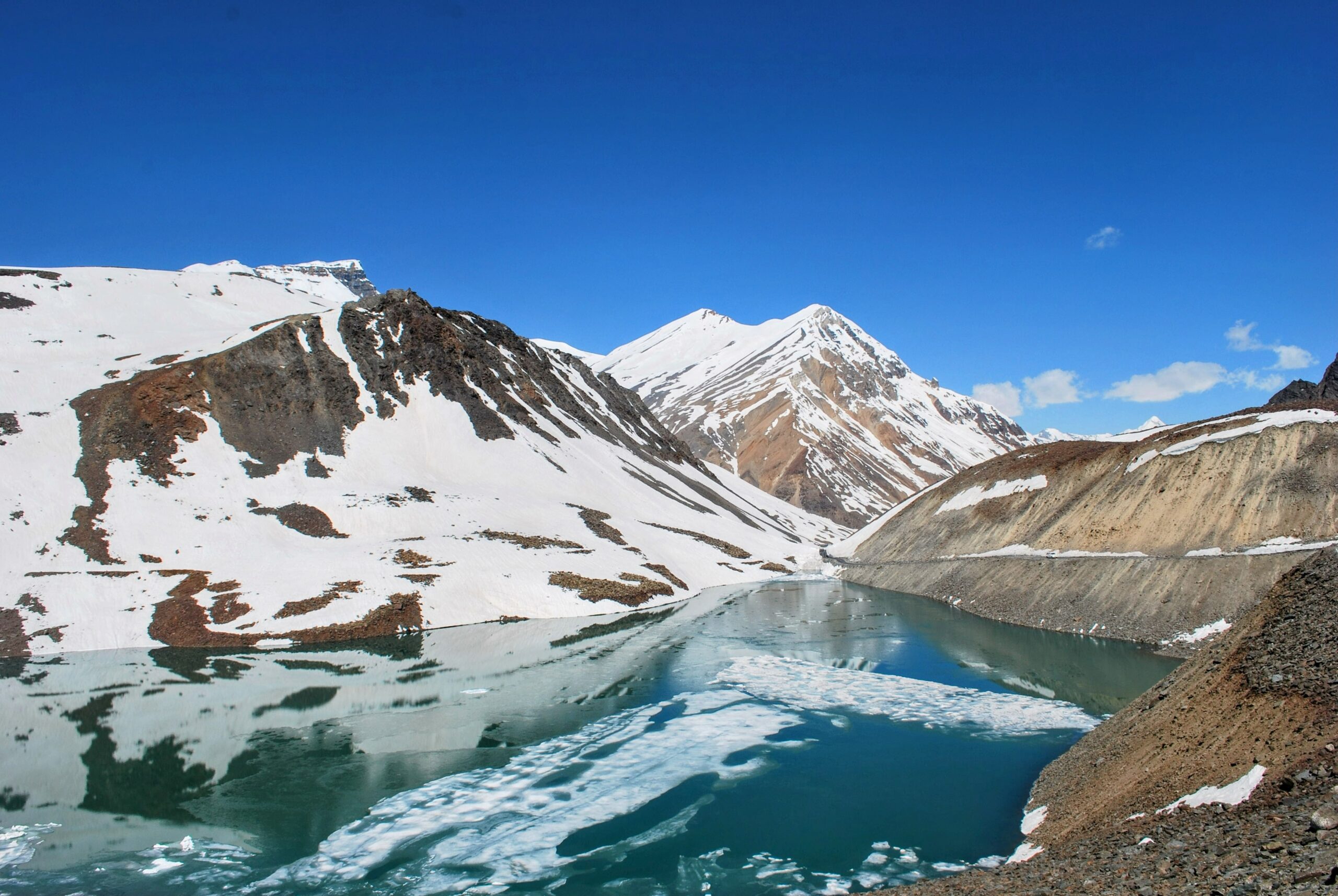
Chandratal Lake: Mirror-lake arcs, night skies, Milky Way sequences. Time-lapse dreams without heavy CG. Access: Kunzum Pass (1 hour).
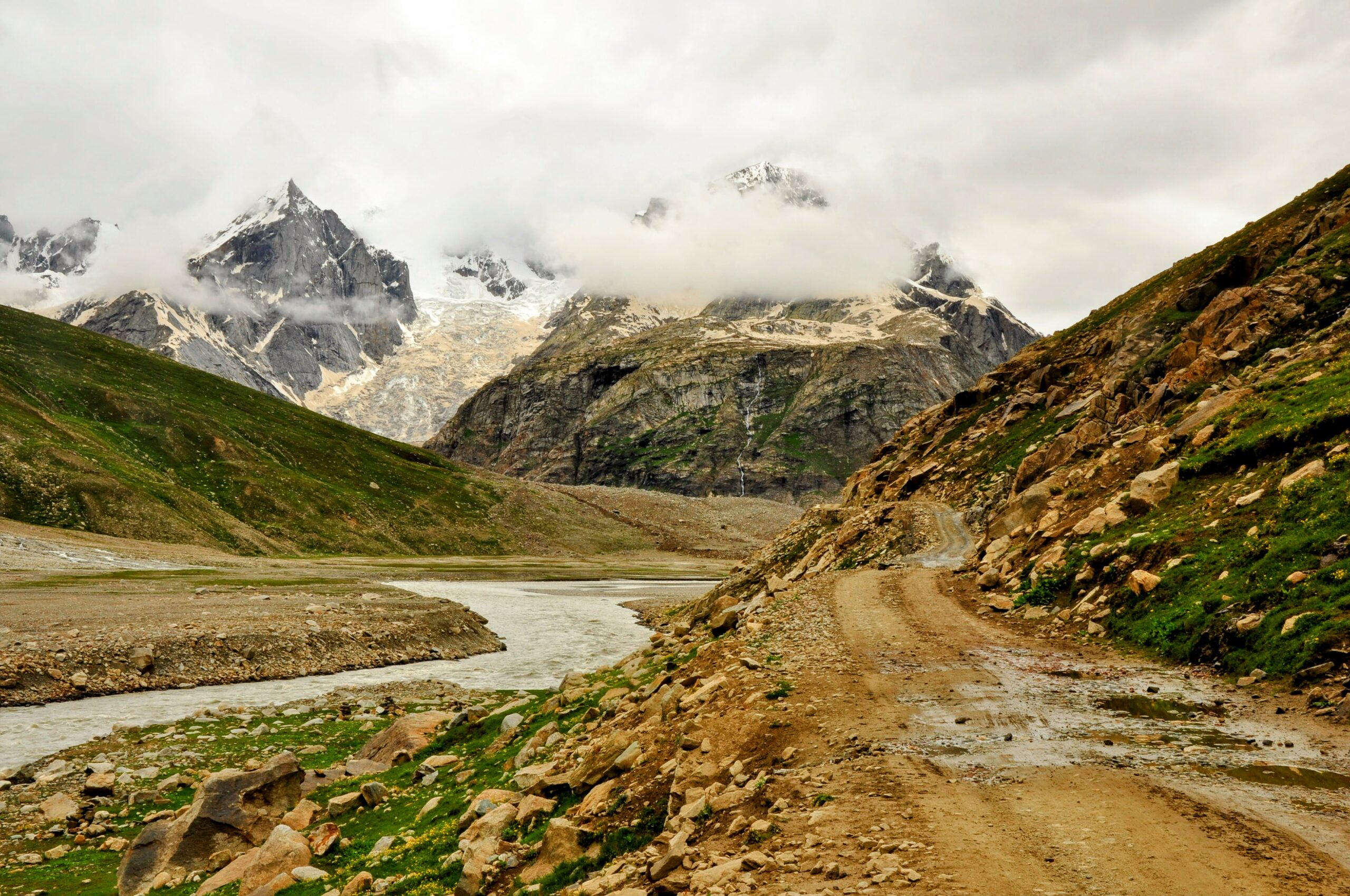
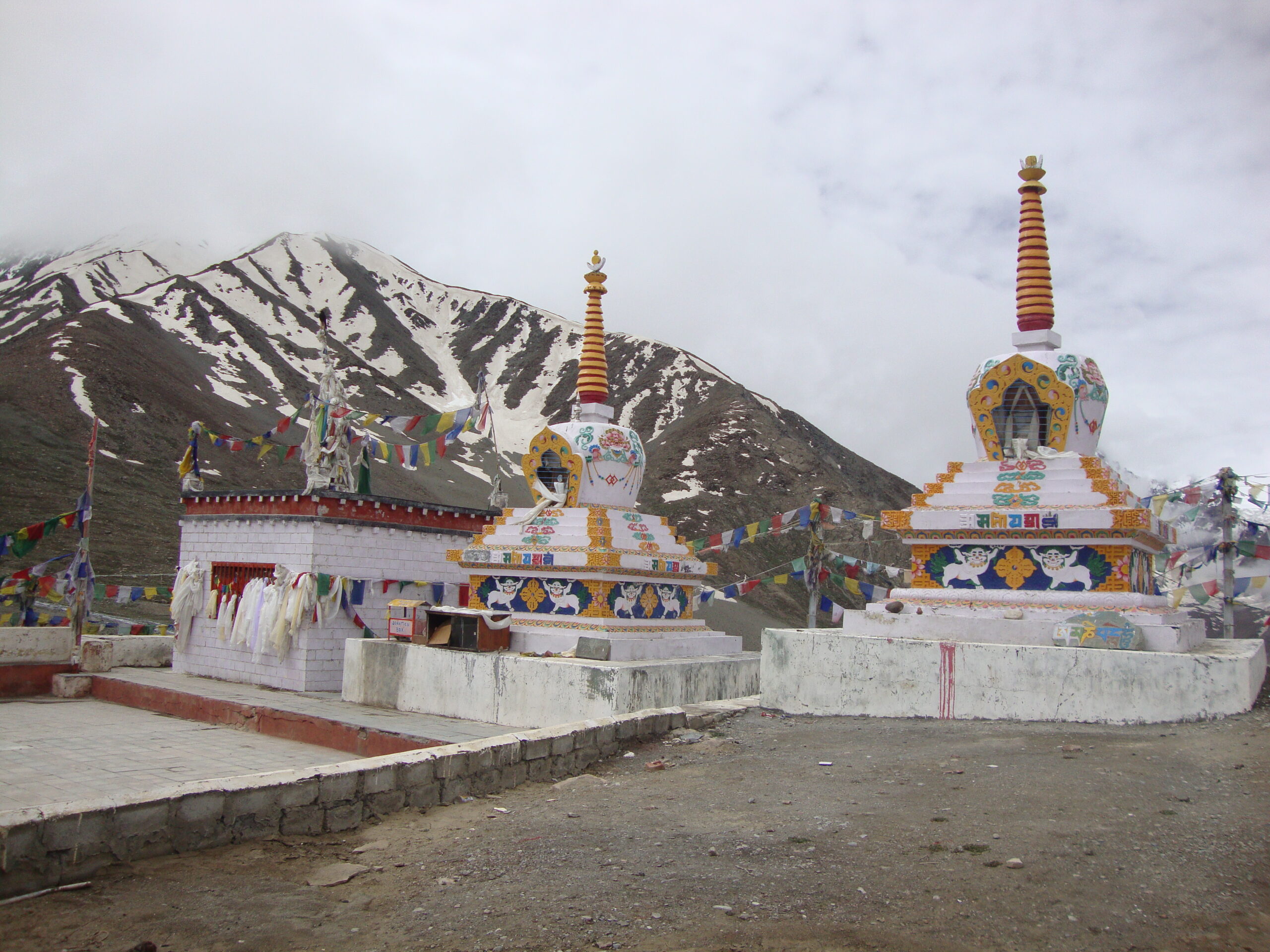
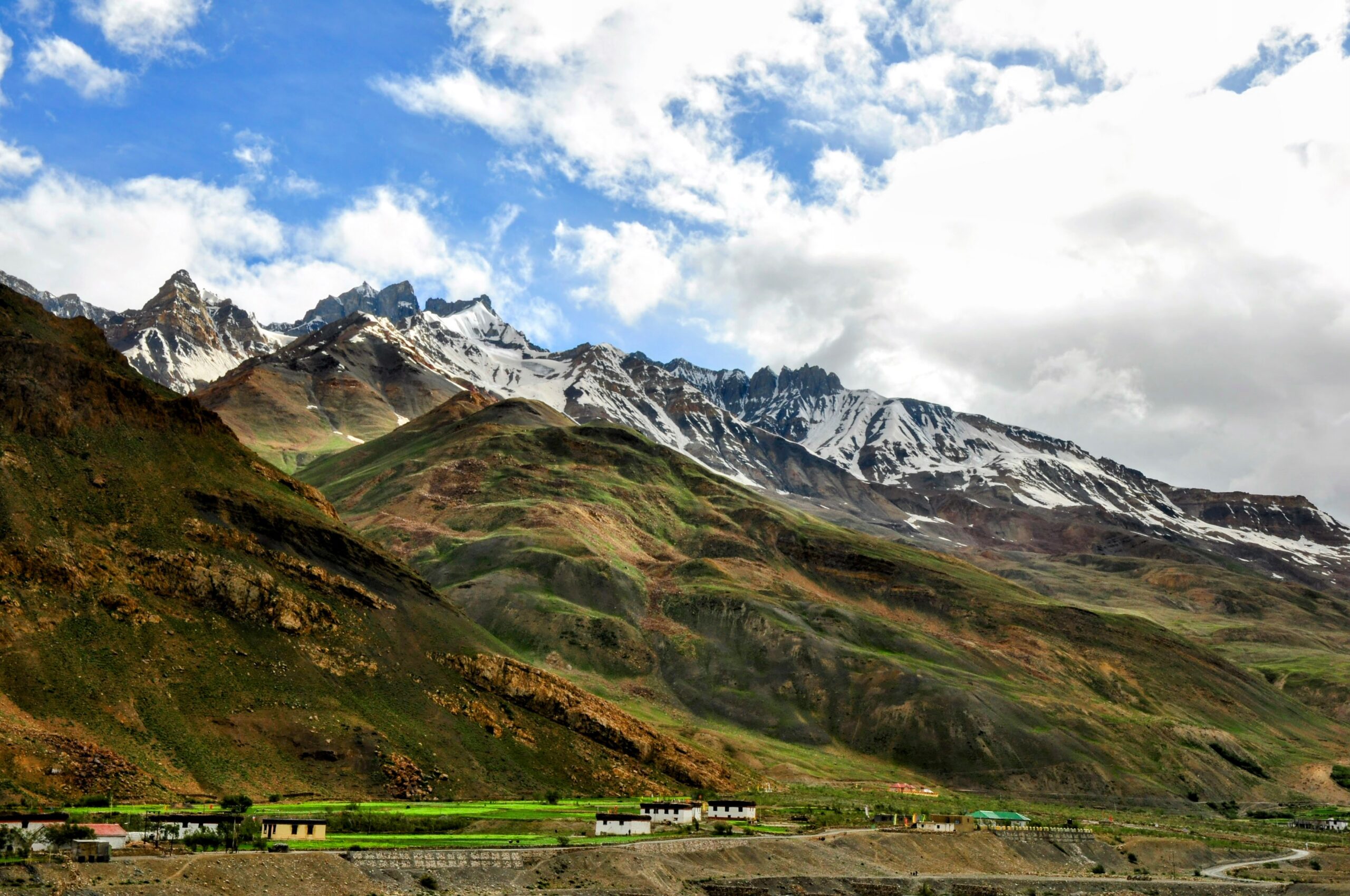
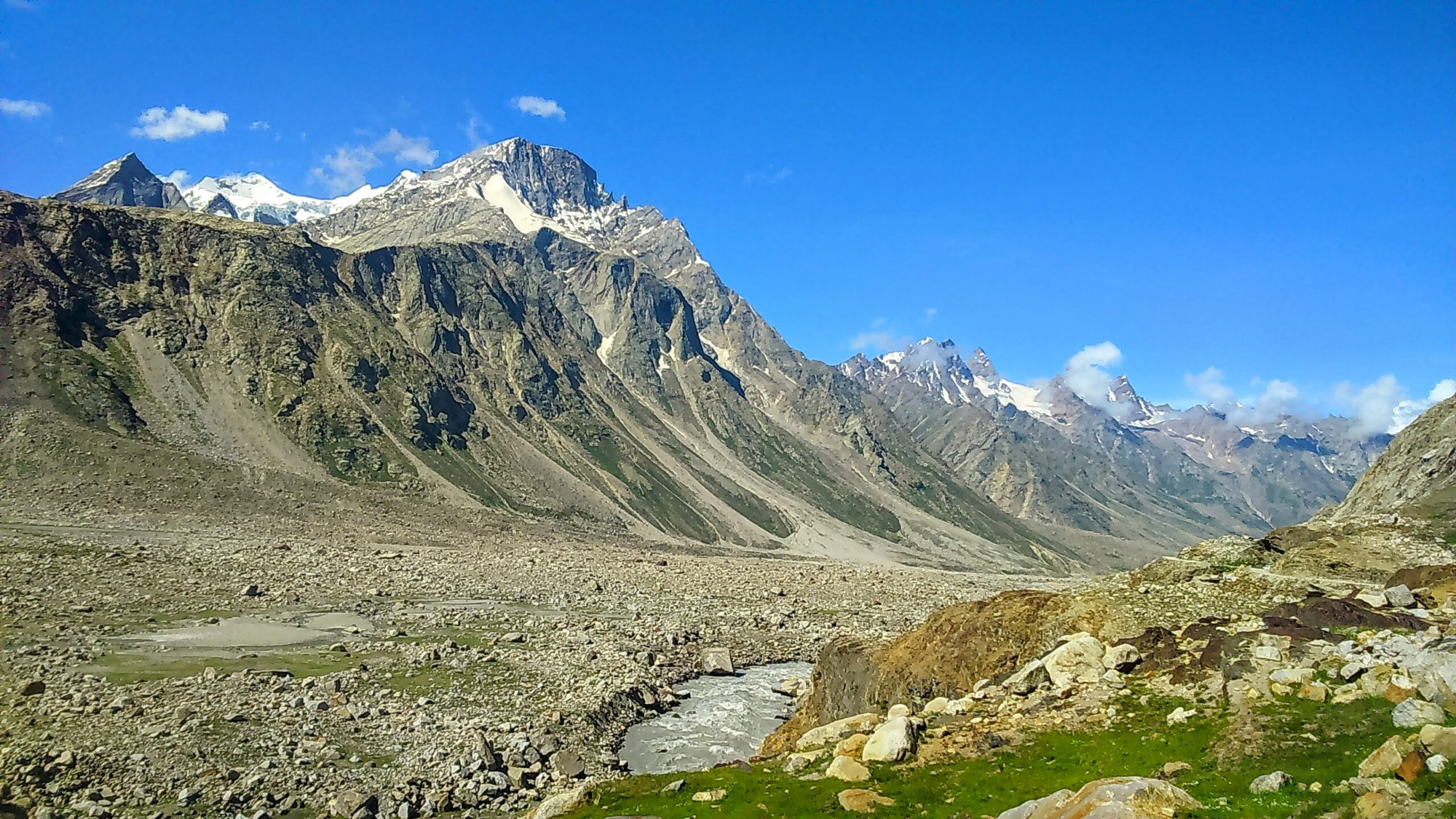
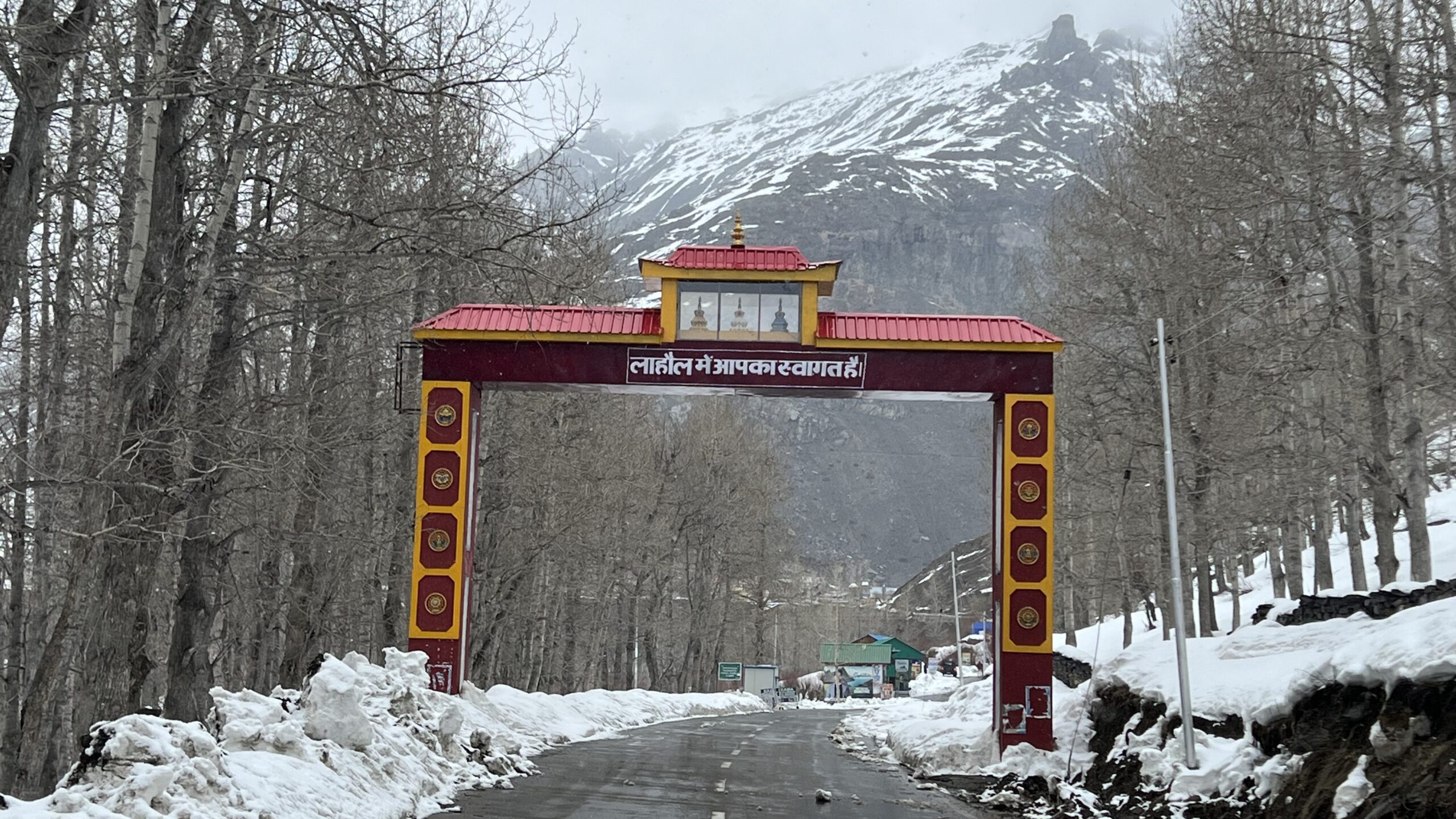
Lahaul Valley & The High Passes
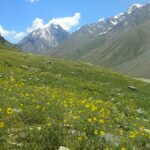
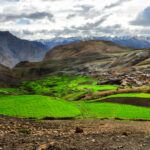
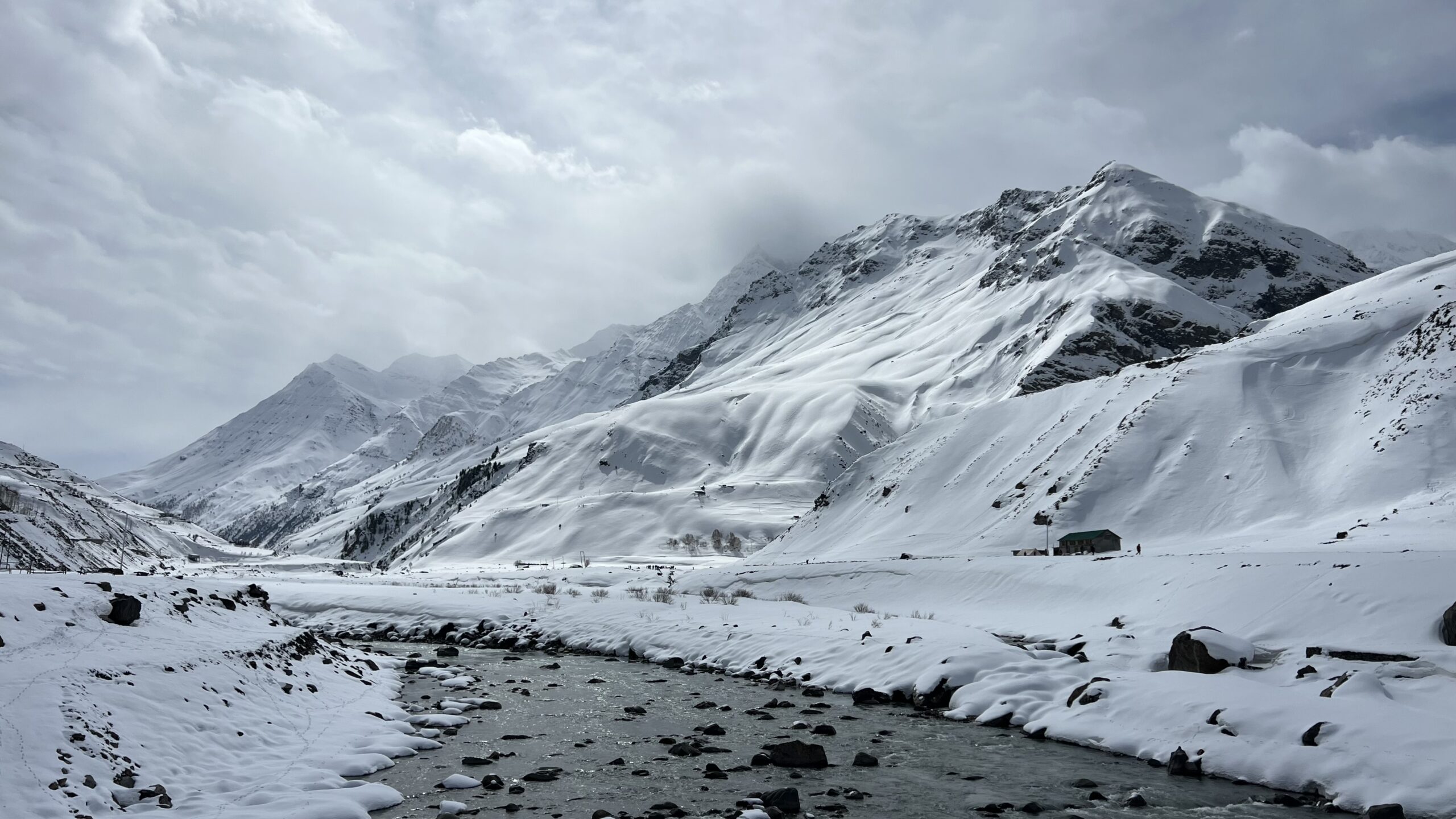
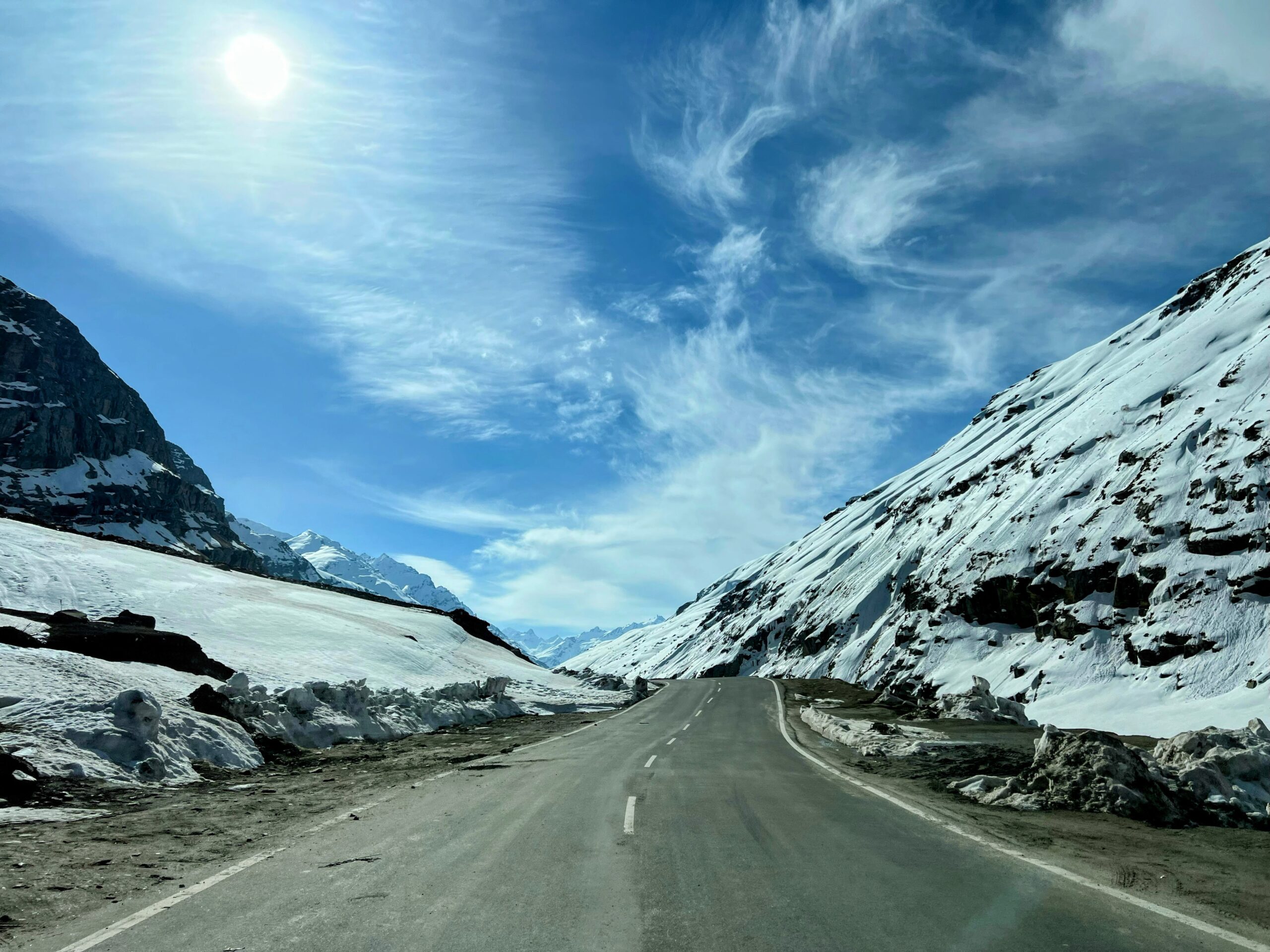
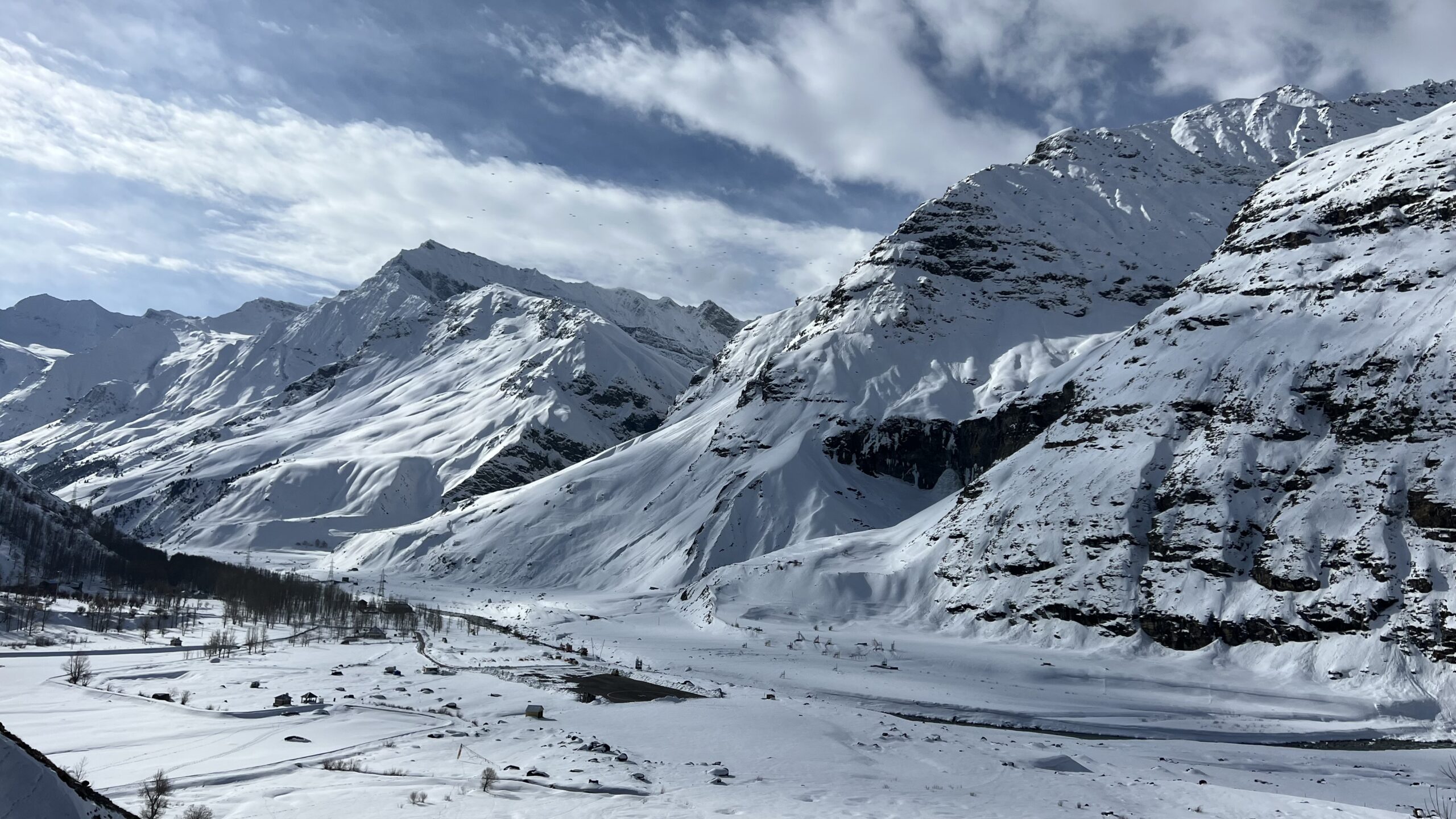
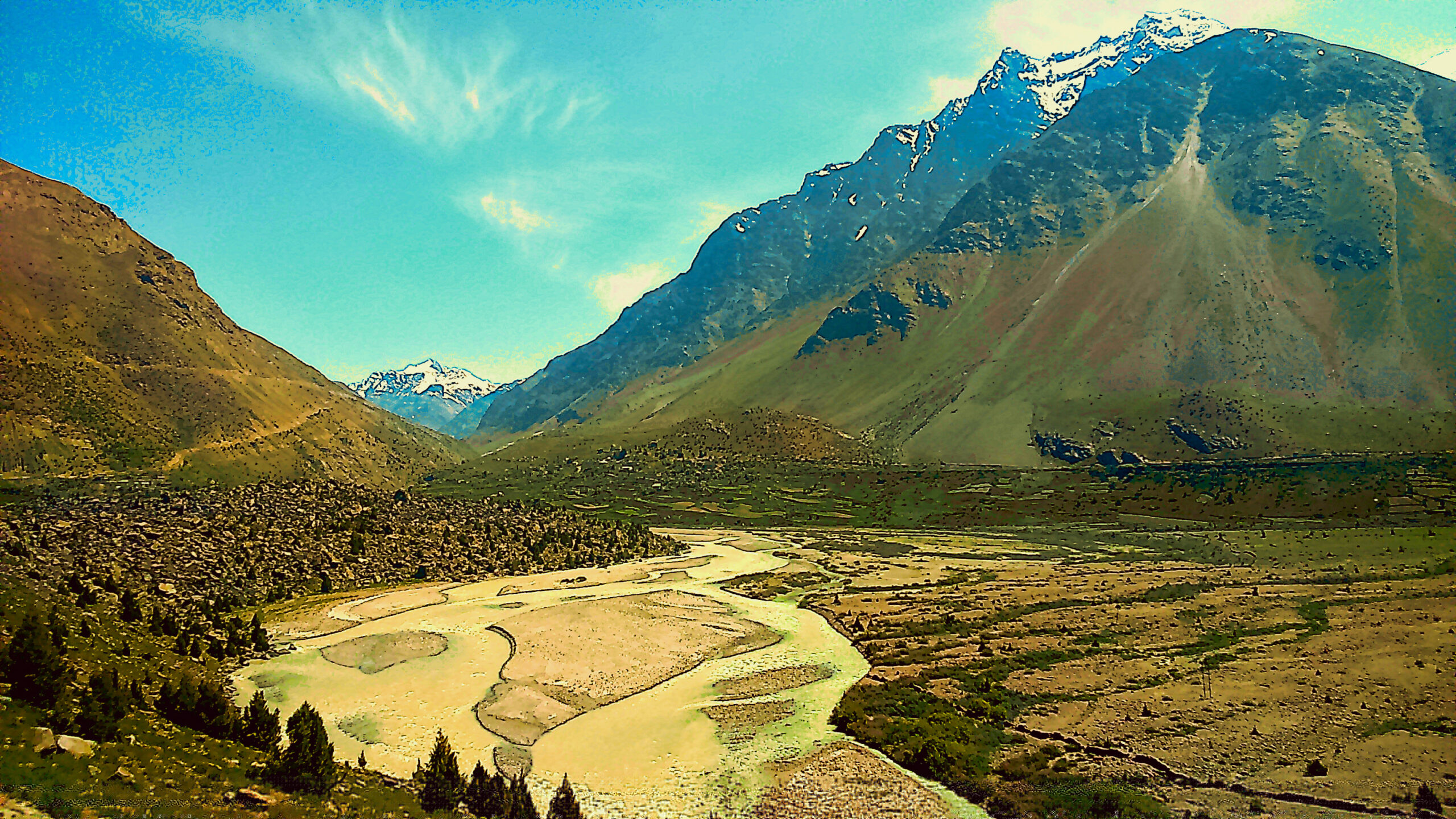
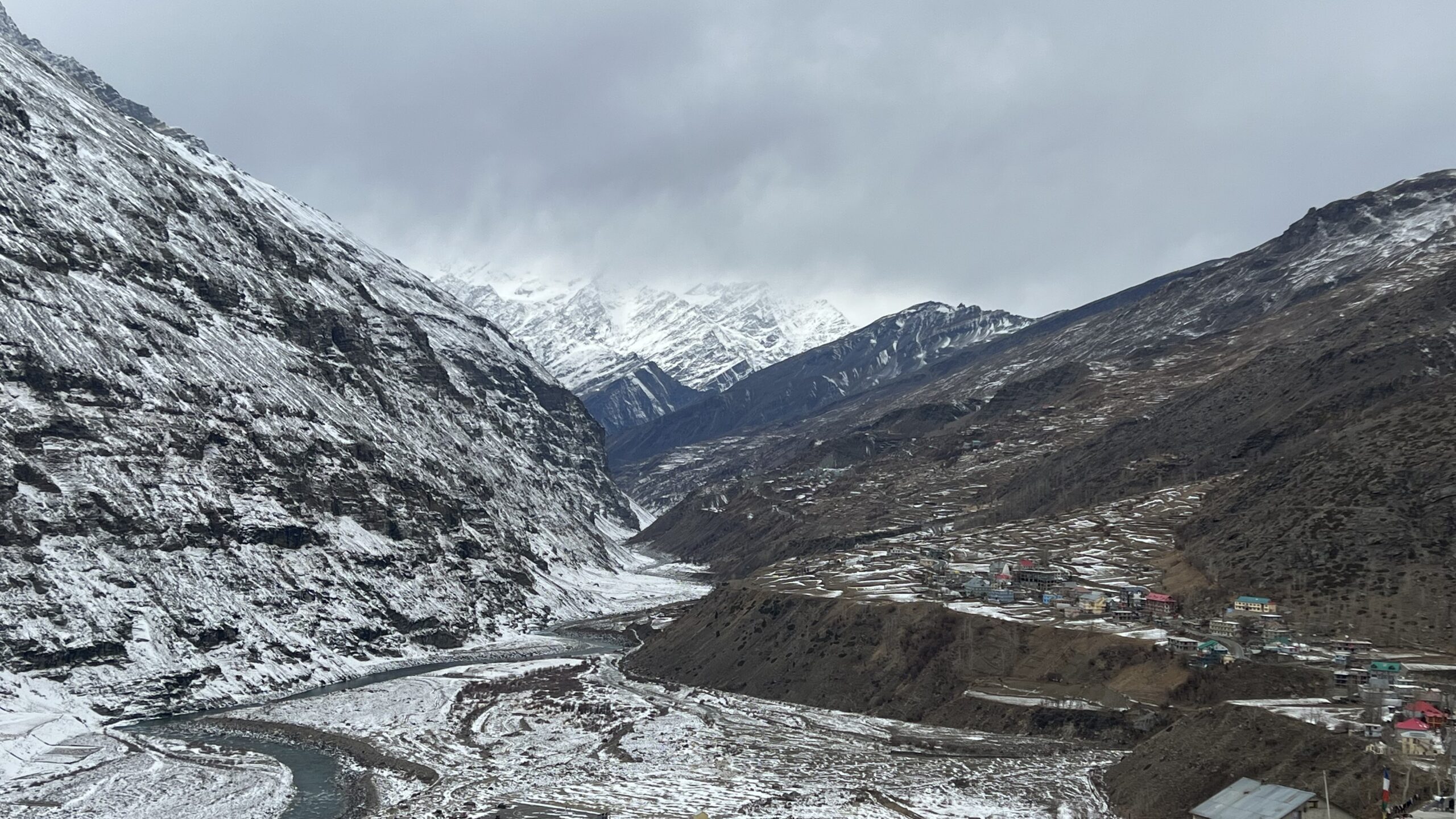
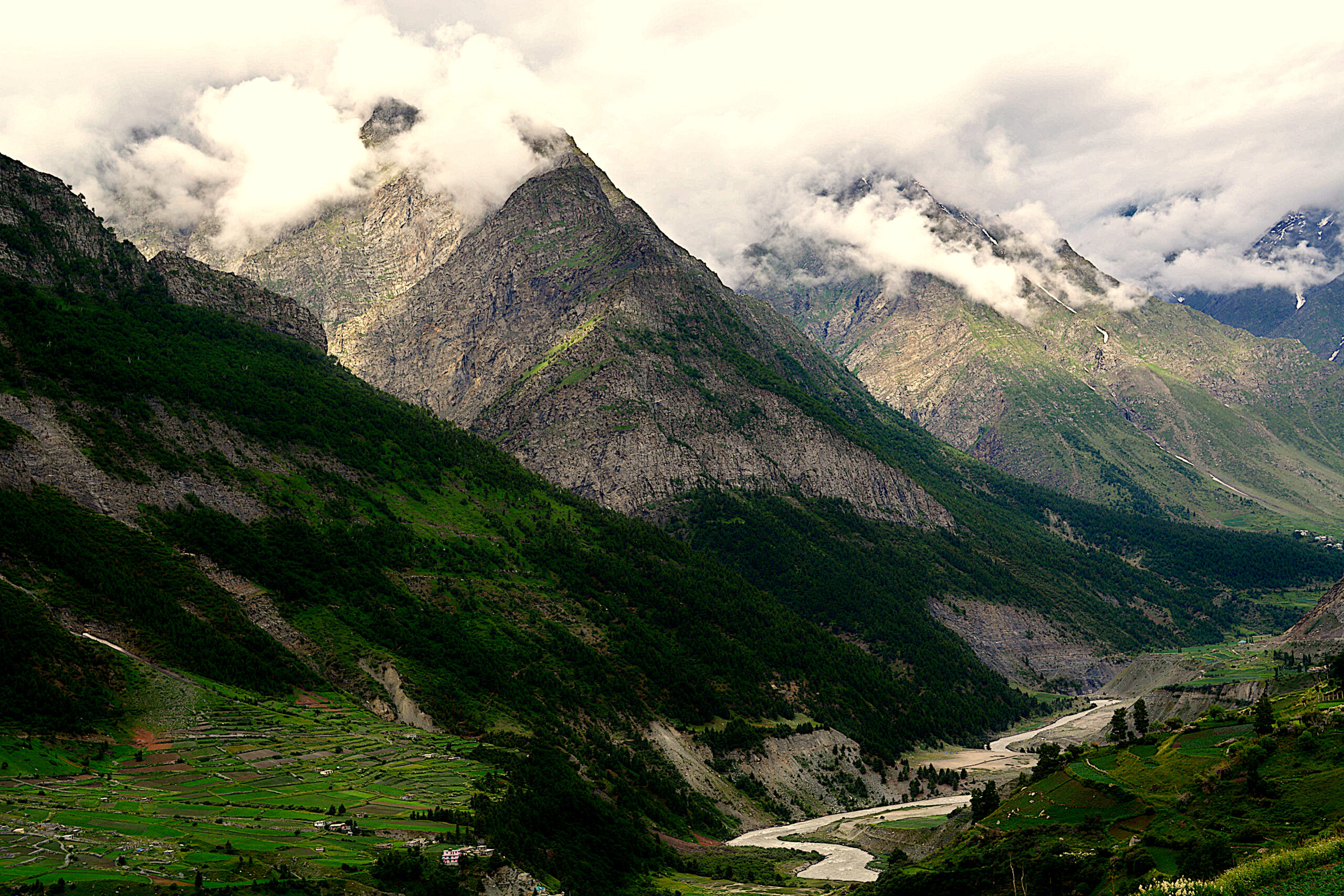
Lahaul is the accessible high Himalayas, with the revolutionary Atal Tunnel unlocking filming opportunities and a world of epic visuals. Its production value is immense for commercials and adventure films seeking dramatic snow locations near Manali without the extreme logistical challenges. These premier Lahaul film locations offer glacial rivers and epic passes with unprecedented ease. Main access from Manali makes it a quick hop into a different world from late spring to autumn, delivering Himalayan scale with half the effort.
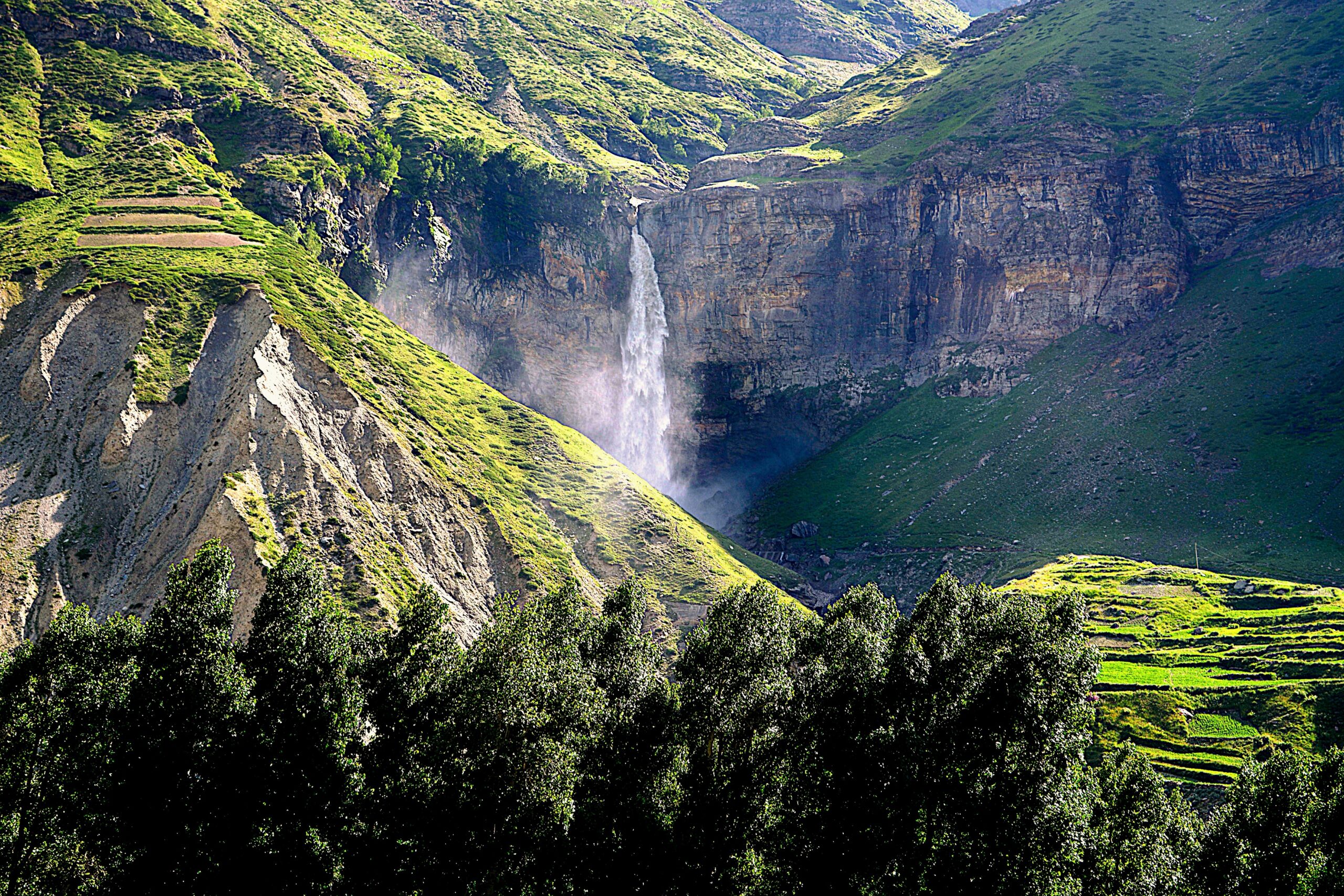
Koksar: Transitional tones, waterfalls in thaw, road energy. Lean crews can pivot fast. Access: Manali via Atal Tunnel (1.5 hours).
Rohtang Pass: Snow walls, cloud corridors, atmospheric roads. Featured in Jab We Met and Highway, cut adrenaline with serenity for rhythm. Access: Manali (2 hours).
Sissu: Waterfall face, tunnel approaches, bronze evening light. Dramatic yet accessible. Access: Manali via Atal Tunnel (1 hour).
Keylong: Lahaul’s calm capital. Reliable halts, clear air, and classic valley frames. Access: Manali (2.5 hours).
Jispa: Riverside camps and rolling banks. River-soundscapes for reflective montage. Access: Keylong (45 mins).
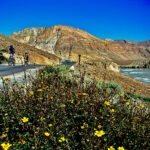
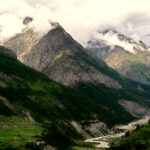
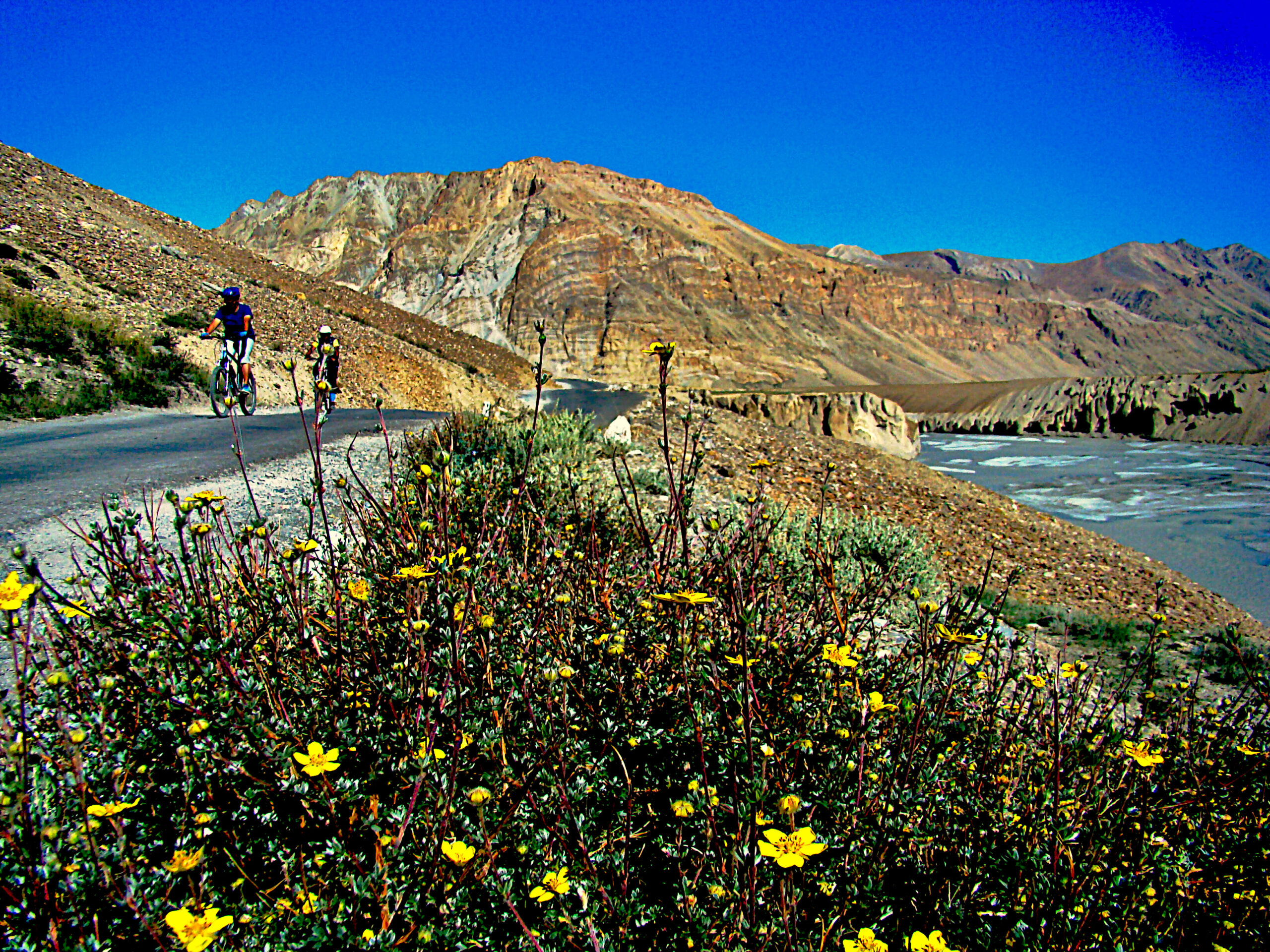
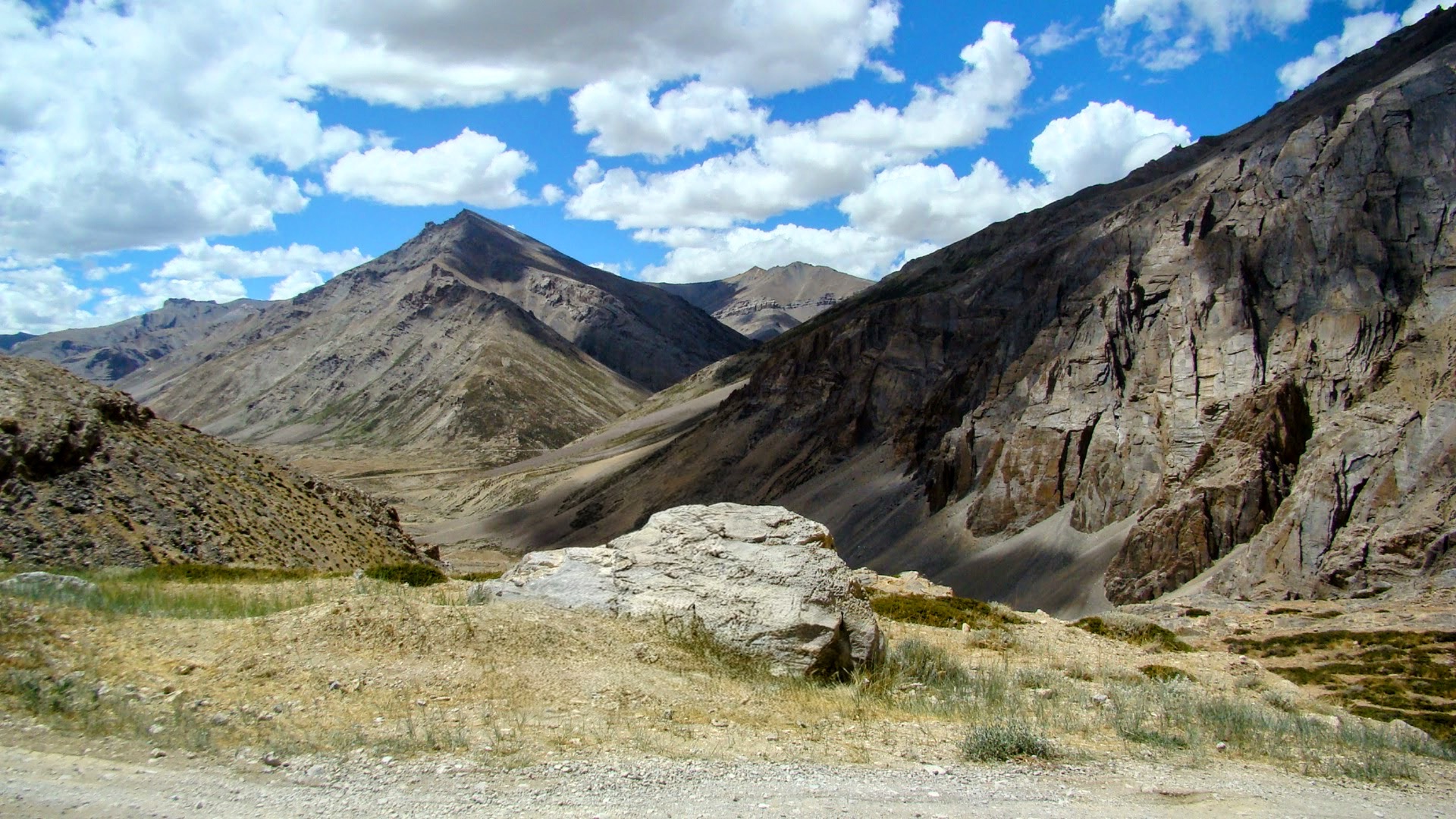
Shinku La Pass: Raw, high, and austere. Expedition sequences read authentic and earned. Access: Darcha (2 hours).
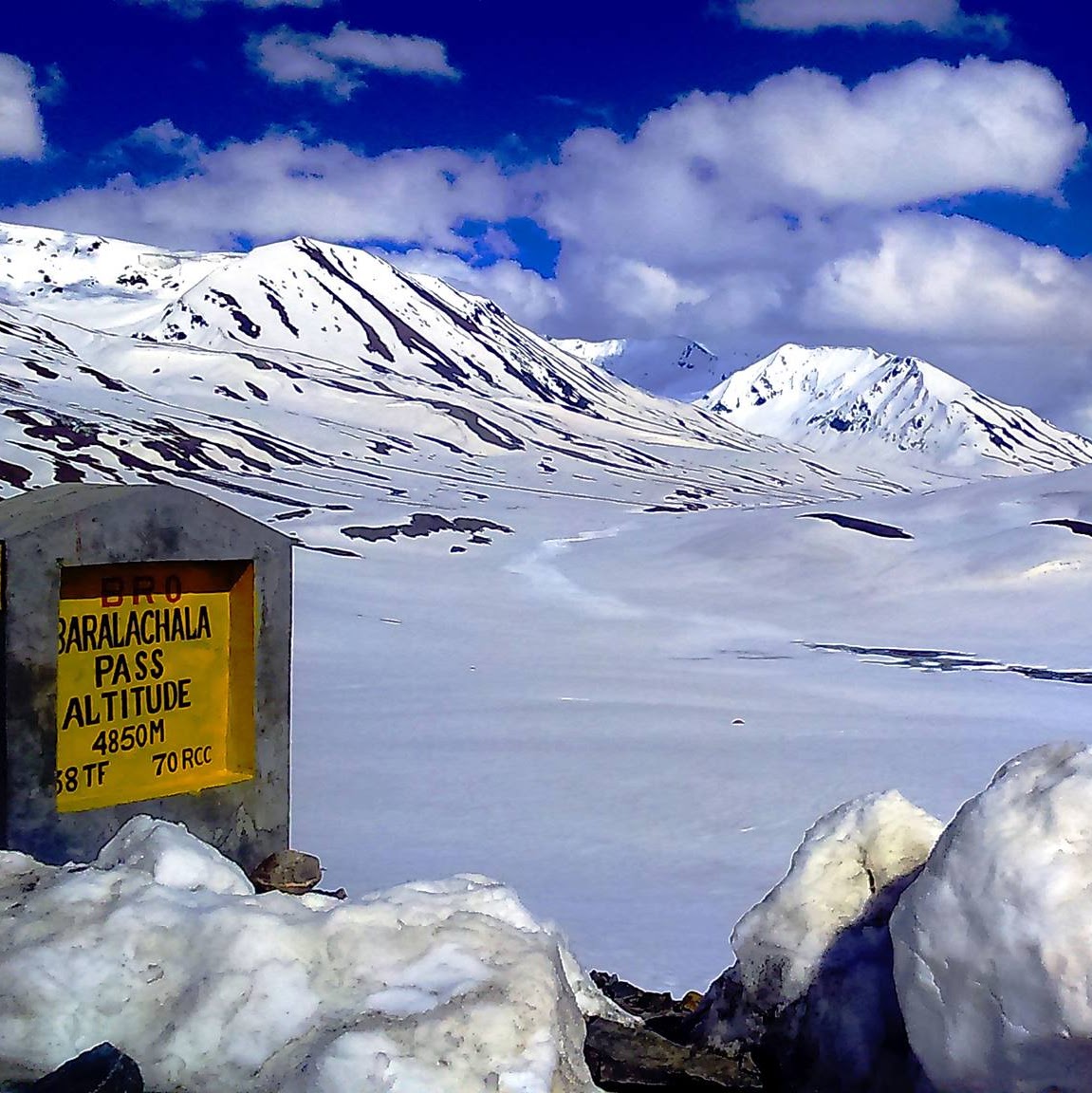
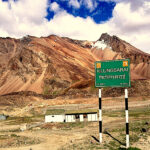
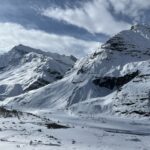
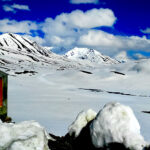
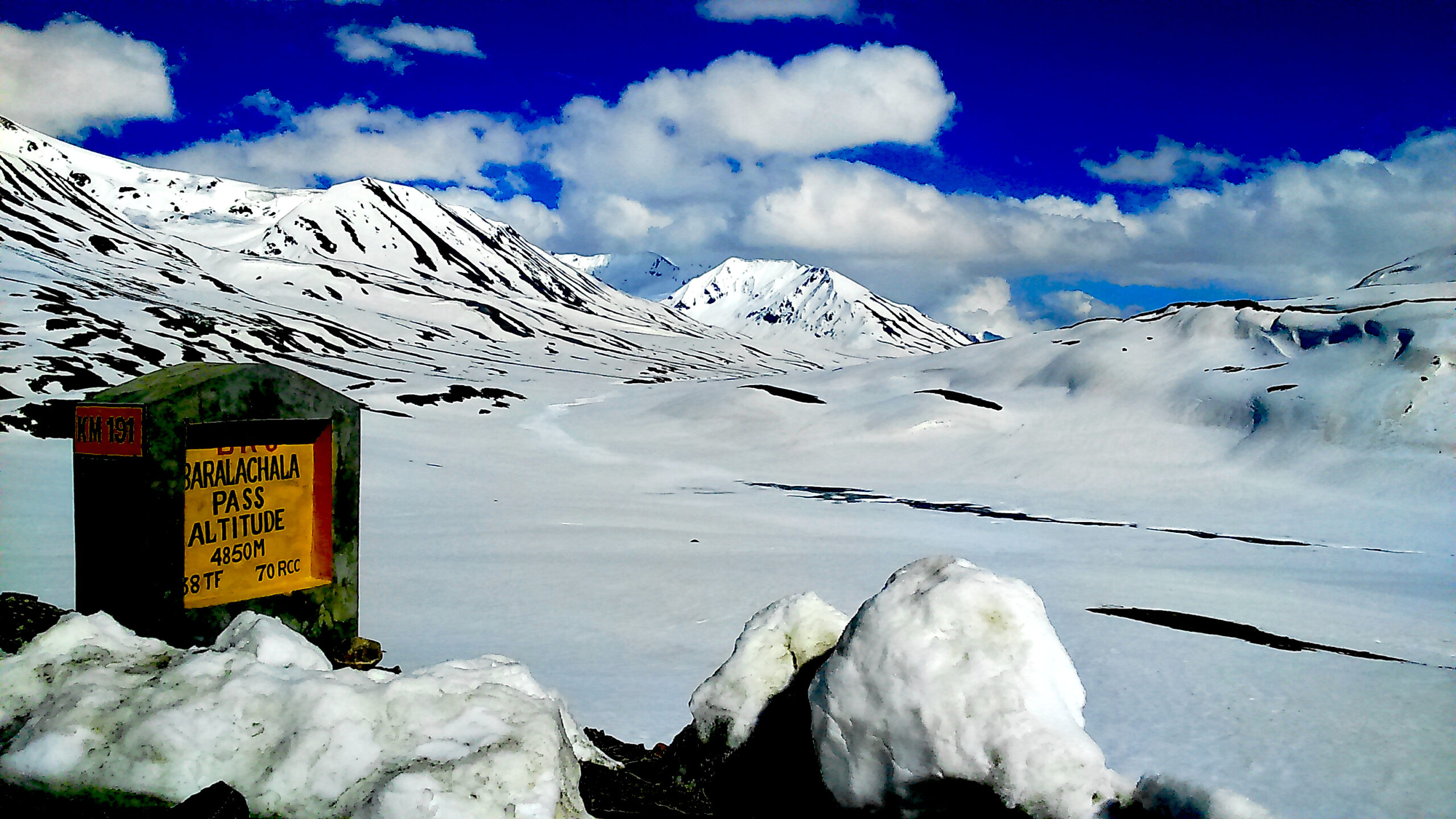
Baralacha Pass: Three-valley meet, snow plains, and distance. Wide lenses sing here. Access: Jispa (2.5 hours).
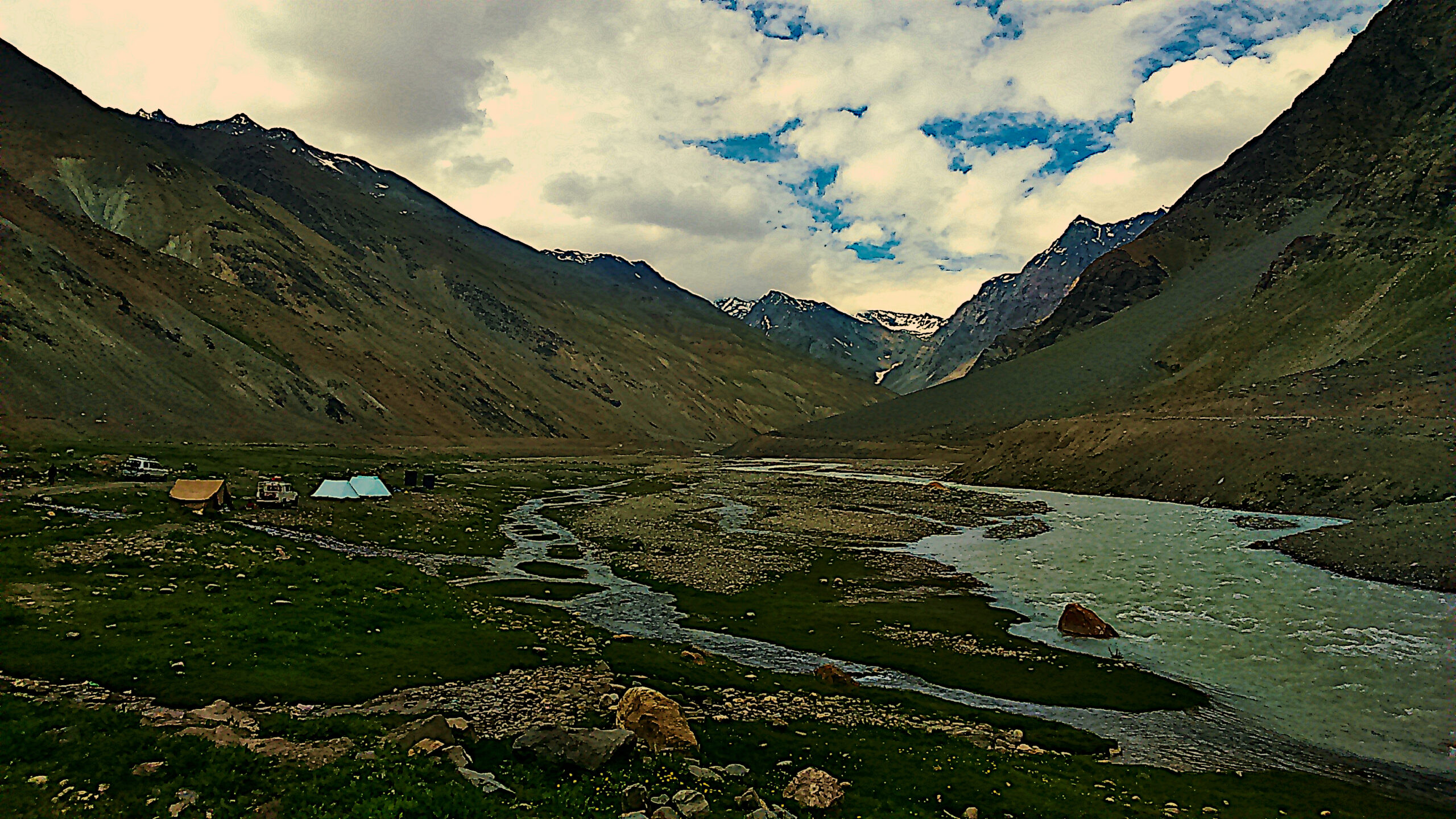
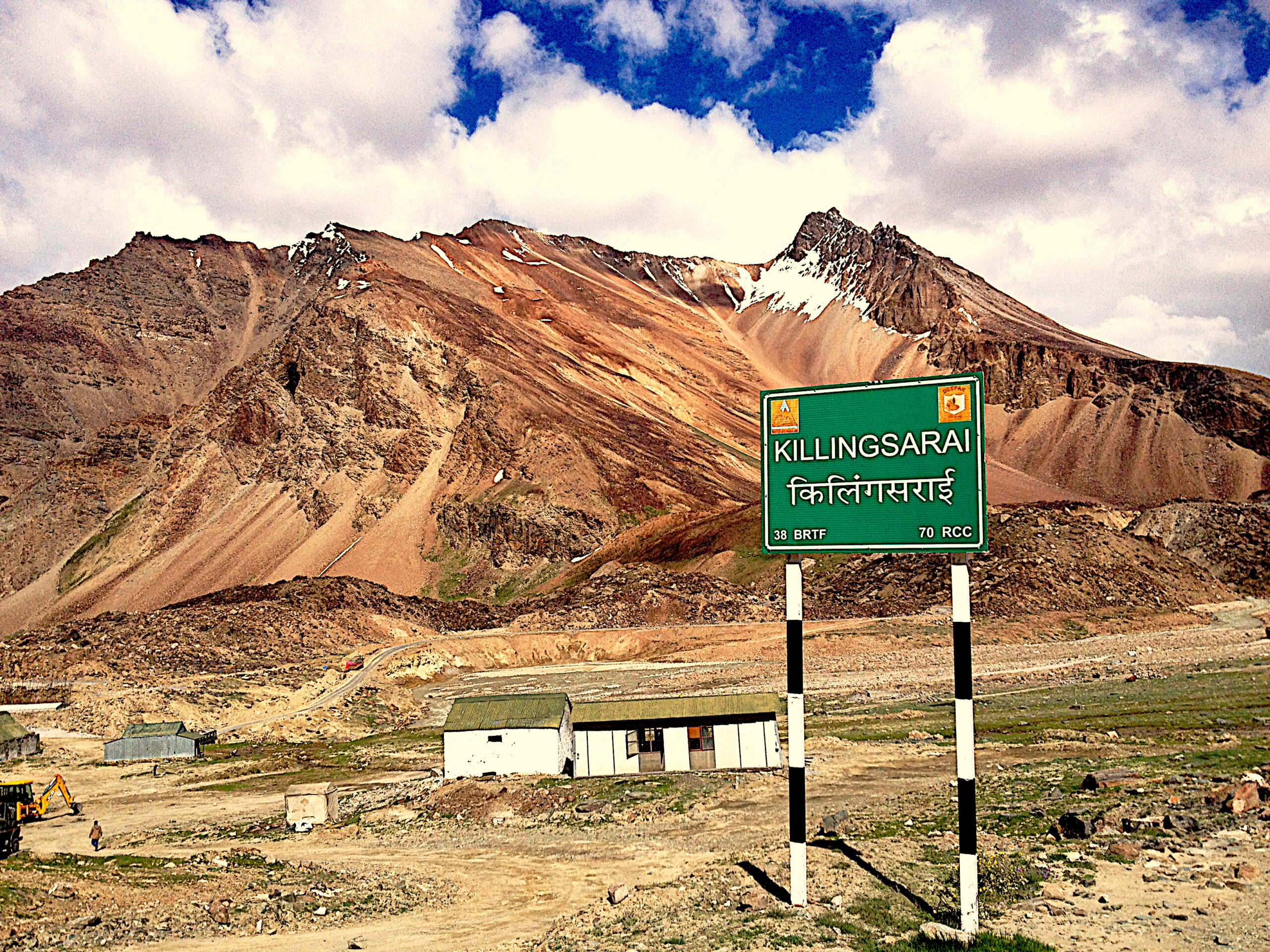
Sarchu: Border plateau with tent cities. Transient life stories and long-take walking masters. Access: Jispa (4 hours).
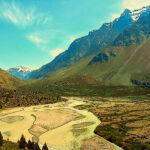
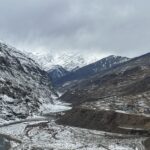
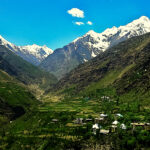
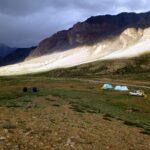
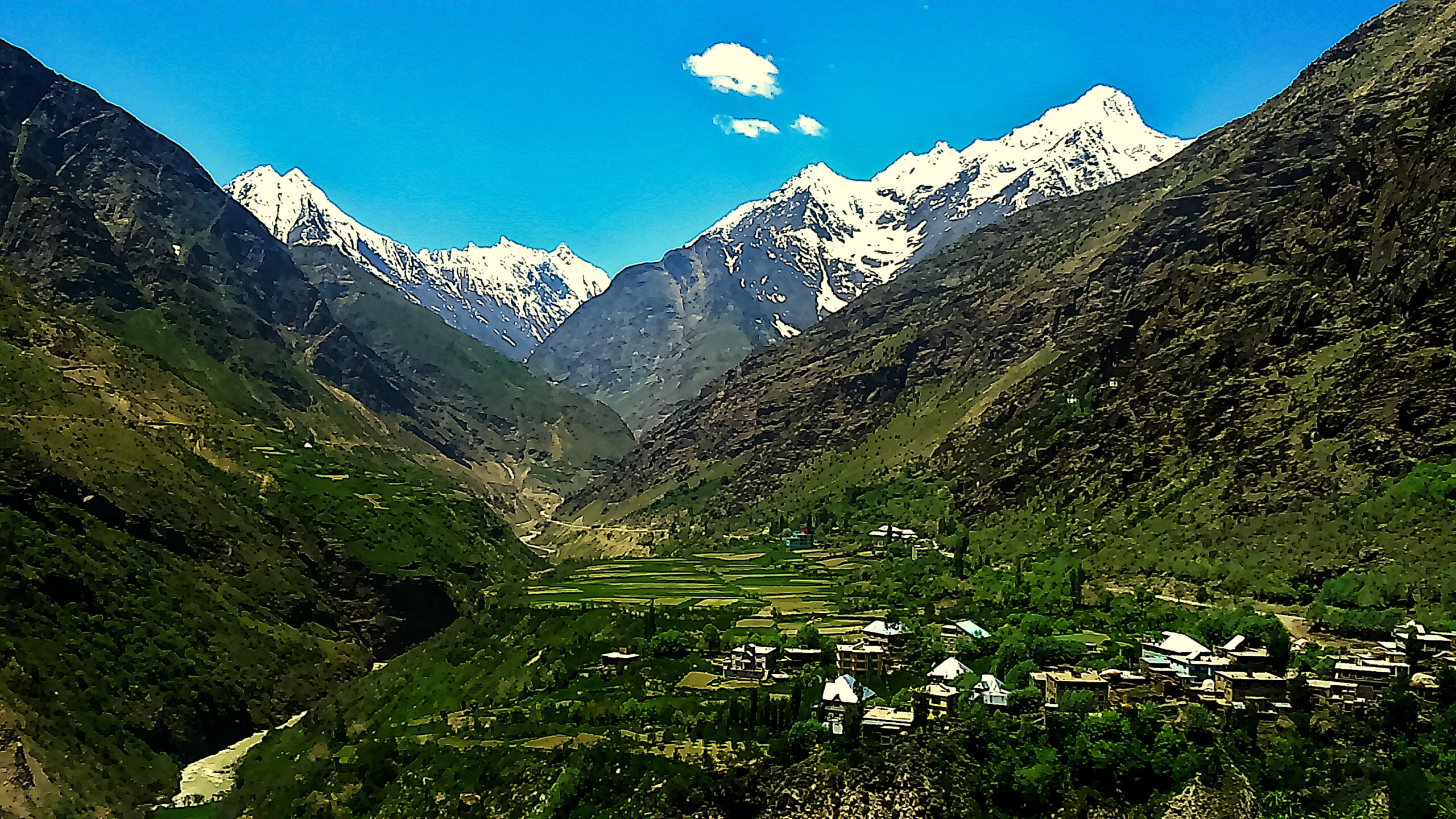
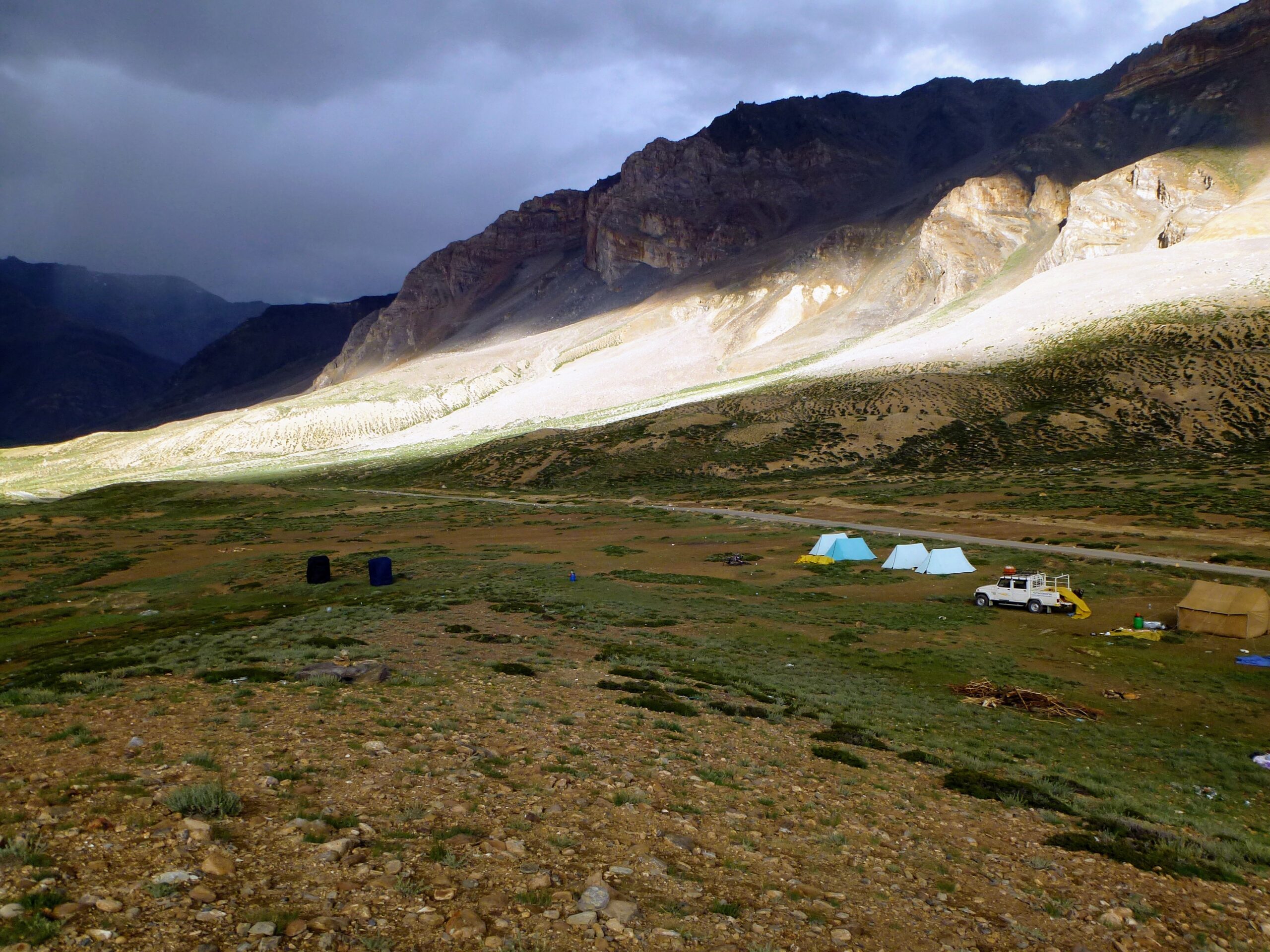
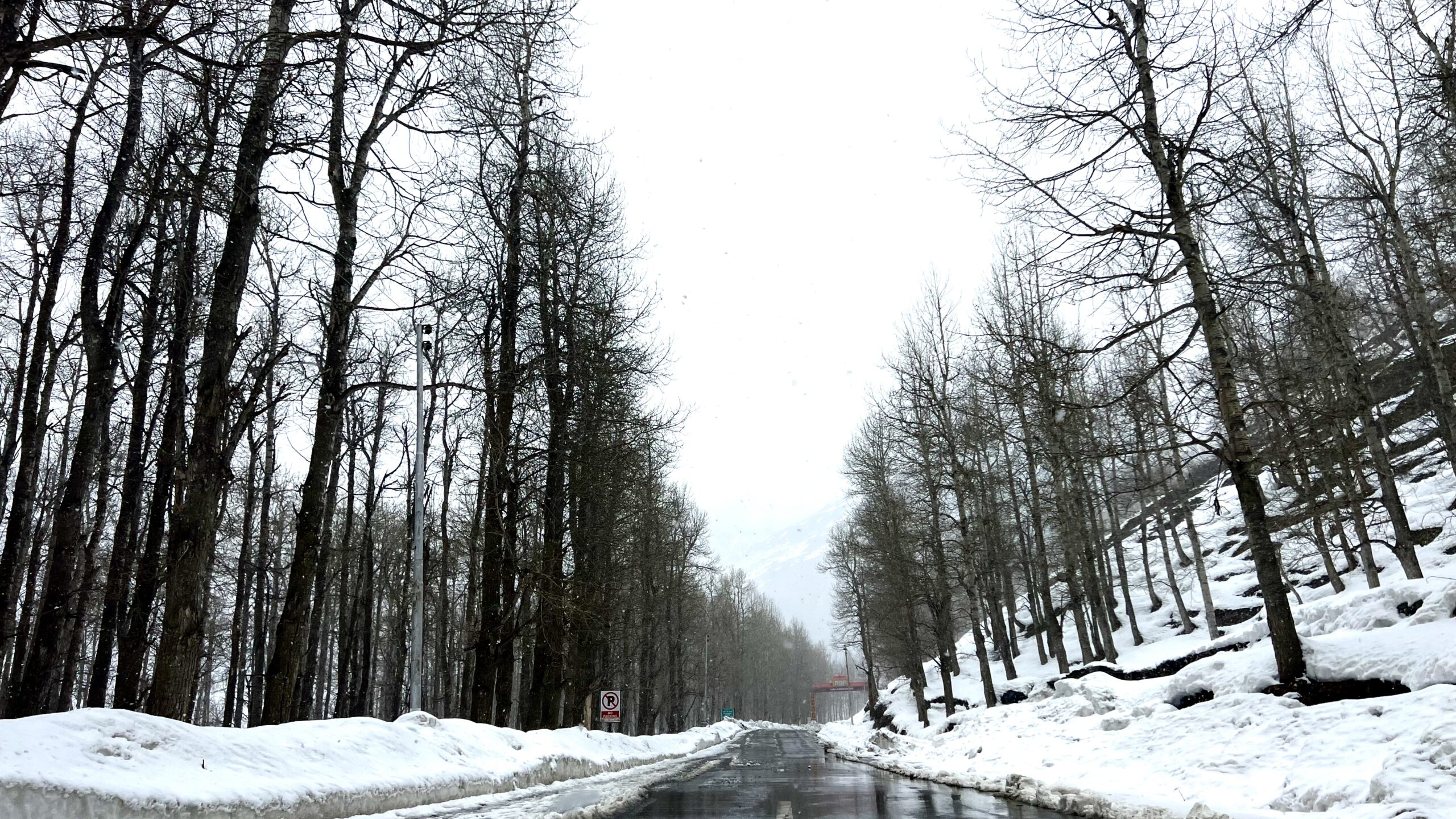
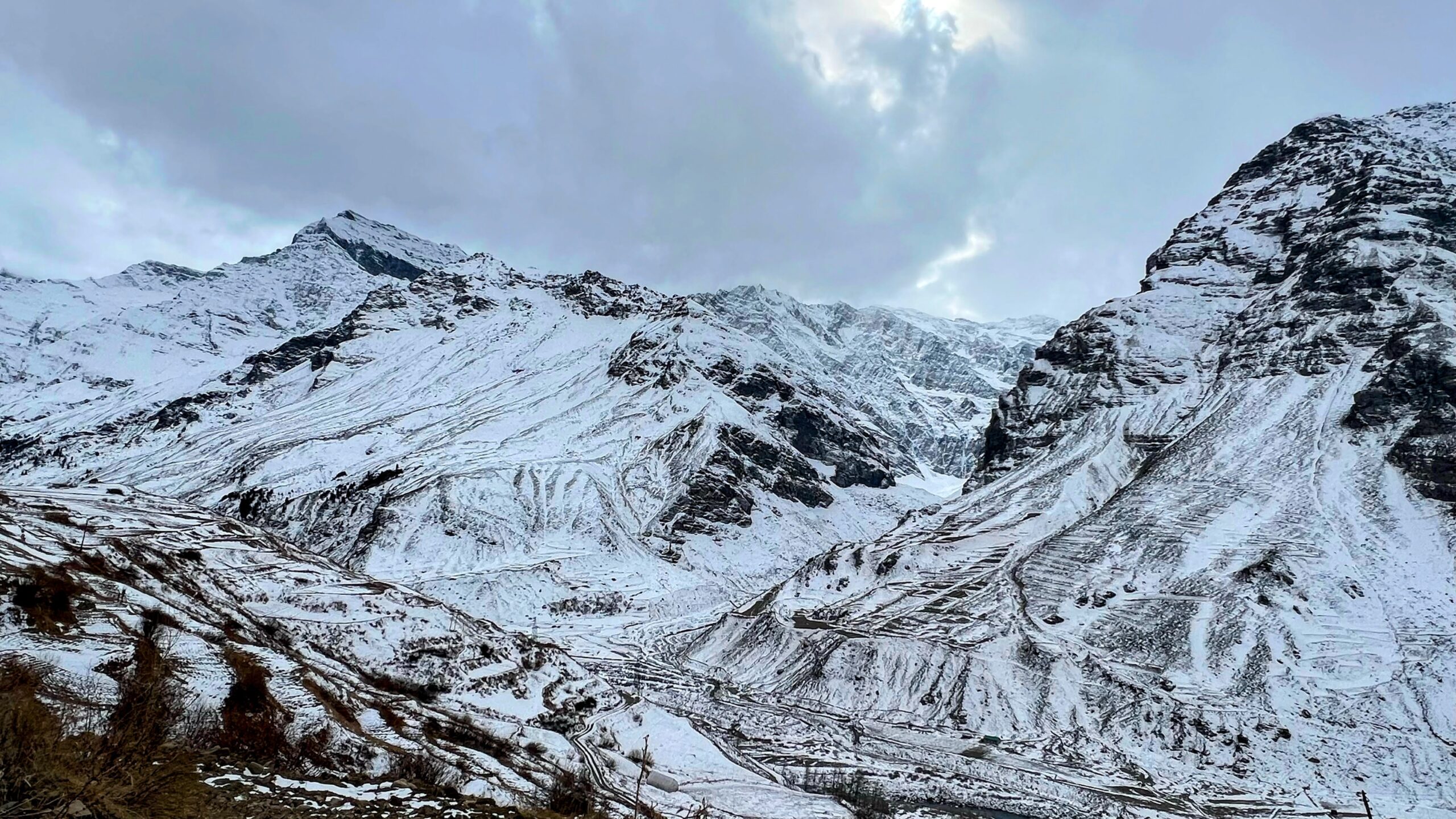
Kullu Valley & The Seraj
This is the quintessential Himalayan wonderland, with countless iconic Manali film locations famous from Indian Cinema. The region ranges from a vibrant hub to the hidden, mystical Tirthan Valley locations, offering proven beauty for any production. Its value lies in lush meadows, dense pine forests, and pristine rivers, making Kullu film shooting a reliable choice for romance, adventure, and spiritual stories. Accessible year-round via Chandigarh (IXC) and Kullu (KUU) airport, it boasts a deep crew base and is the heart of Himalayan cinematic dreams.
Naggar: Stone-and-wood heritage, castle, art history. Soulful period or indie romance frames. Access: Kullu (30 mins).
Bijli Mahadev: Hilltop temple with 360° ridge views. Ceremonial energy under big skies. Access: Kullu (trek).
Kullu: Valley heart with Dussehra culture. Markets and bridges for kinetic travel beats. Access: Kullu (KUU) Airport.
Tirthan Valley: Riverside trails, cedar shade, GHNP gateway. Intimate, beautifully textured. Access: Aut (1 hour).
Jhanjehli: Untouristed mid-hill calm. Everyday mountain life shot clean and close. Access: Mandi (3 hours).
Shikari Devi: Temple meadows above cloud seas. Devotional silhouettes against vast horizons. Access: Janjehli (1 hour).
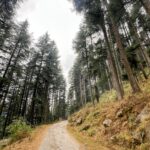
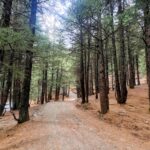
Devidarh: Secret valley feel, dark-green deodars. Moody, contemplative light plays. Access: Mandi (3.5 hours).
Shoja: Misty passes, wooden homes, relaxed pace. Monsoon looks magical here. Access: Aut (1.5 hours).
Jibhi: Stream crossings, stone pathways, cozy frames. Ads and vignettes love this. Access: Aut (1 hour).
Gada Gushaini: Untouched streams and bridges. Perfect for minimal-crew craft. Access: Jibhi (1.5 hours).
Falachan Valley: Side valley of secrets. Clear water and dense green for micro-narratives. Access: Kullu (1.5 hours).
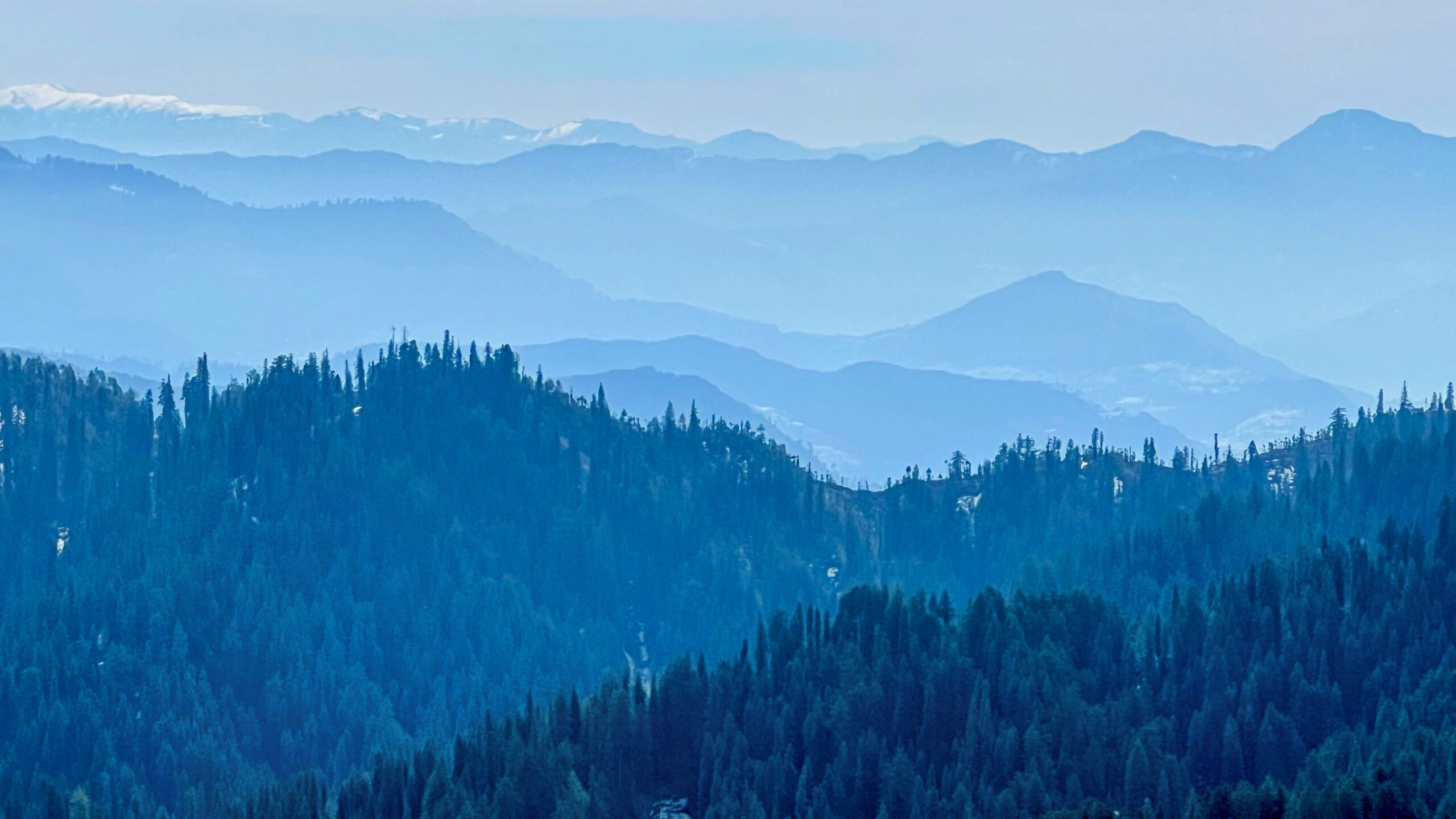
Jalori Pass: Fog veils, moss, slow-motion rain beads. Monsoon cinematography that breathes. Access: Jibhi (30 mins).
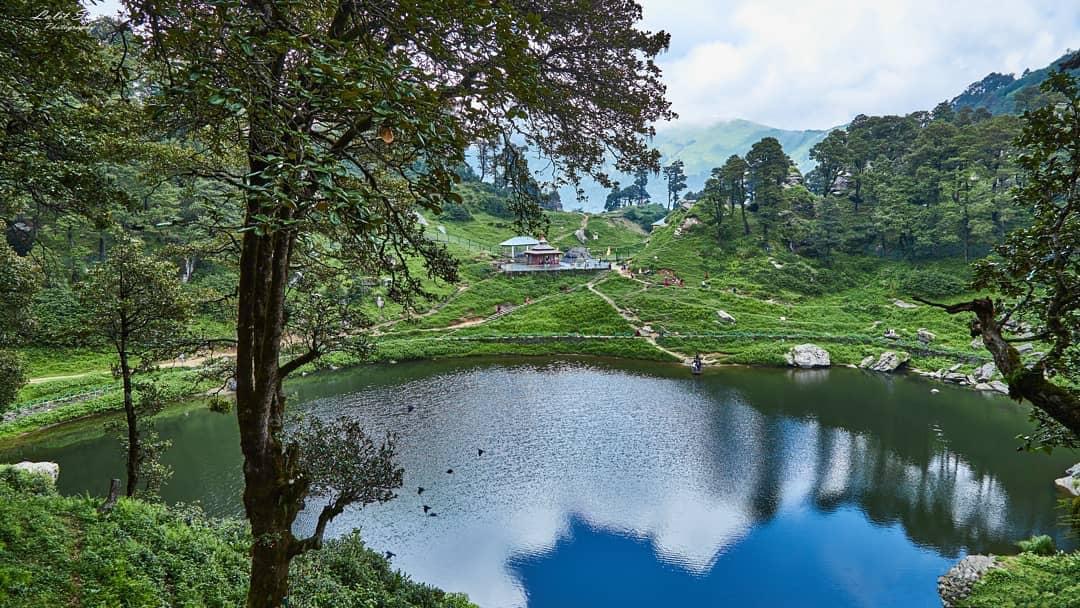
Sereolsar Lake: Forest-ringed lake. Concentric stillness ideal for meditative cuts. Access: Jalori Pass (trek).
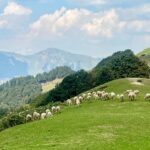
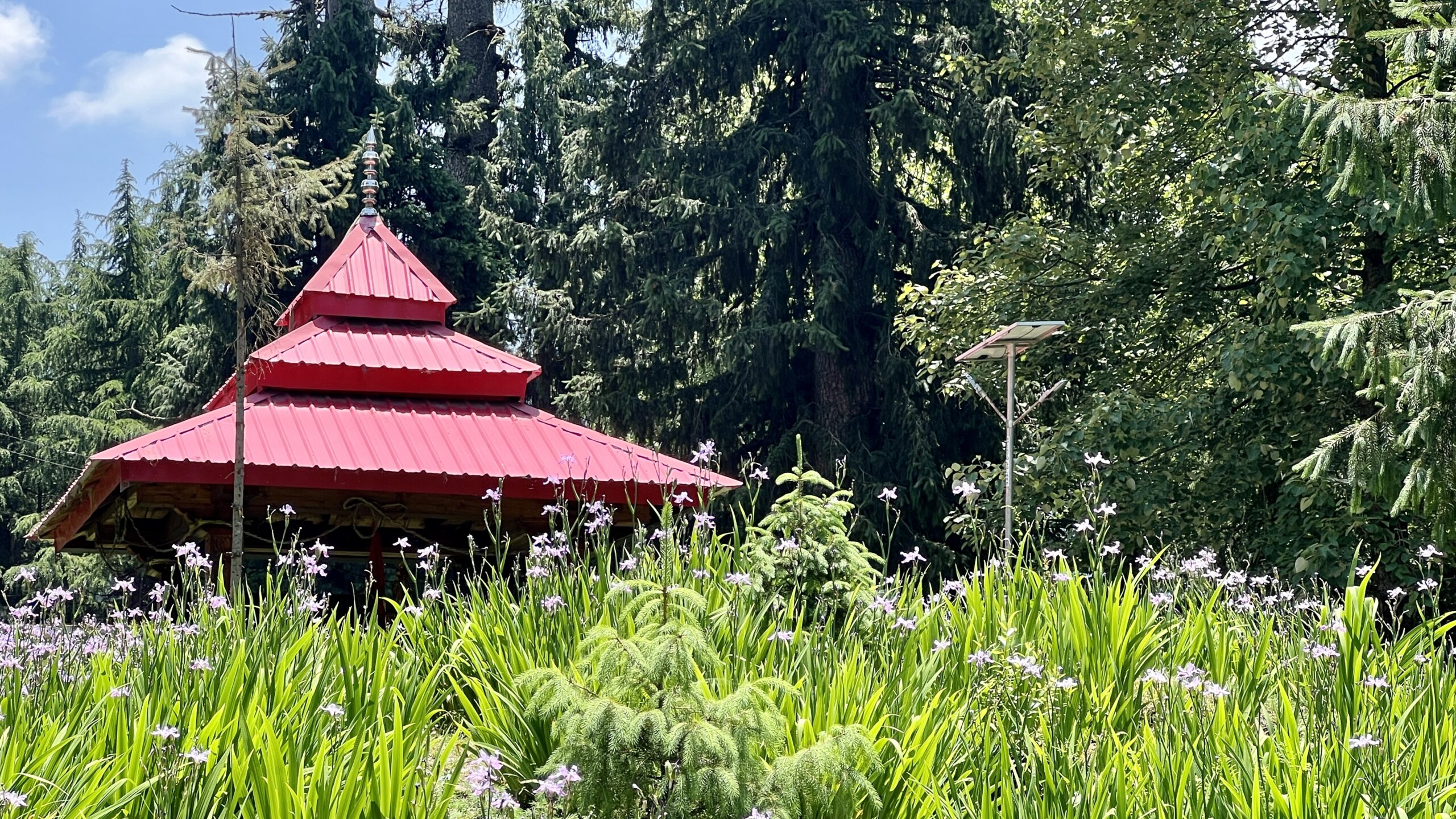
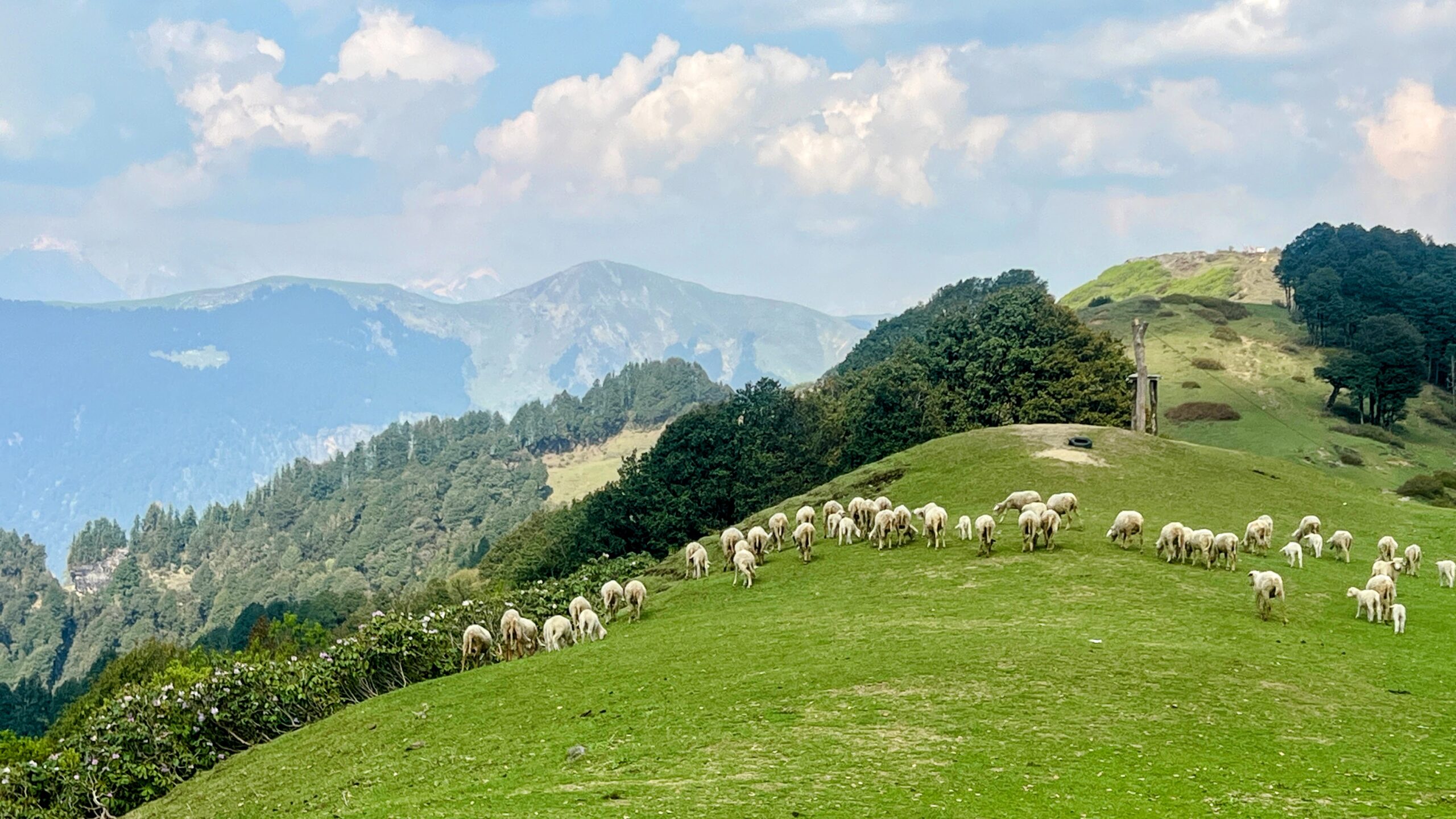
Baga Sarahan: Meadows, temple, sheep lines. Pastoral poetry with restraint. Access: Ani (1 hour).
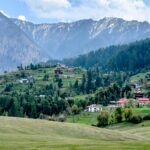
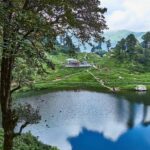
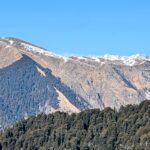
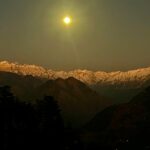
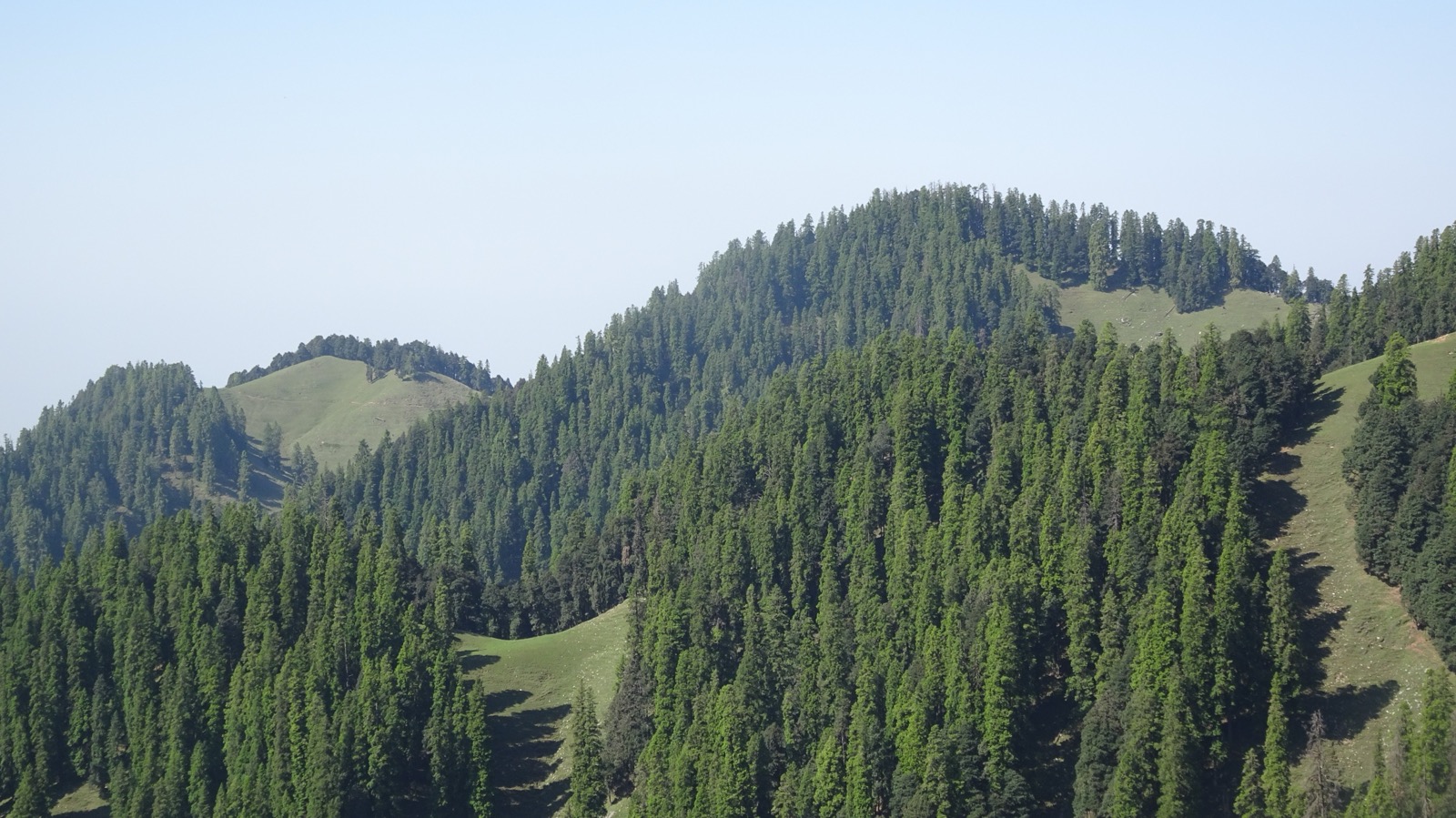
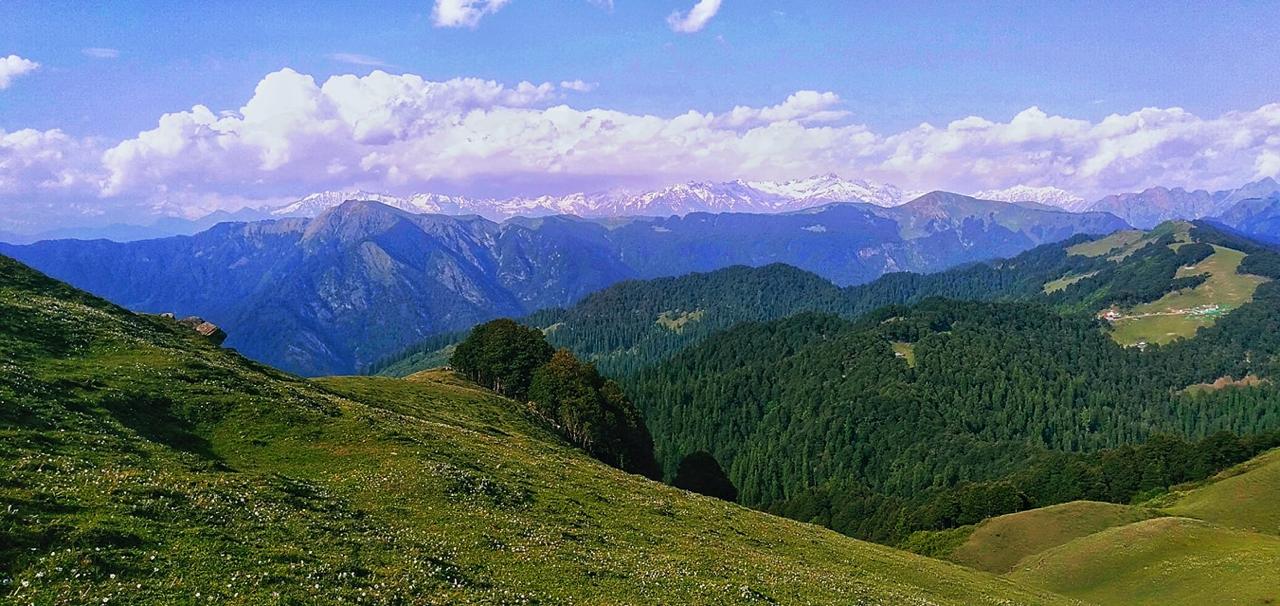
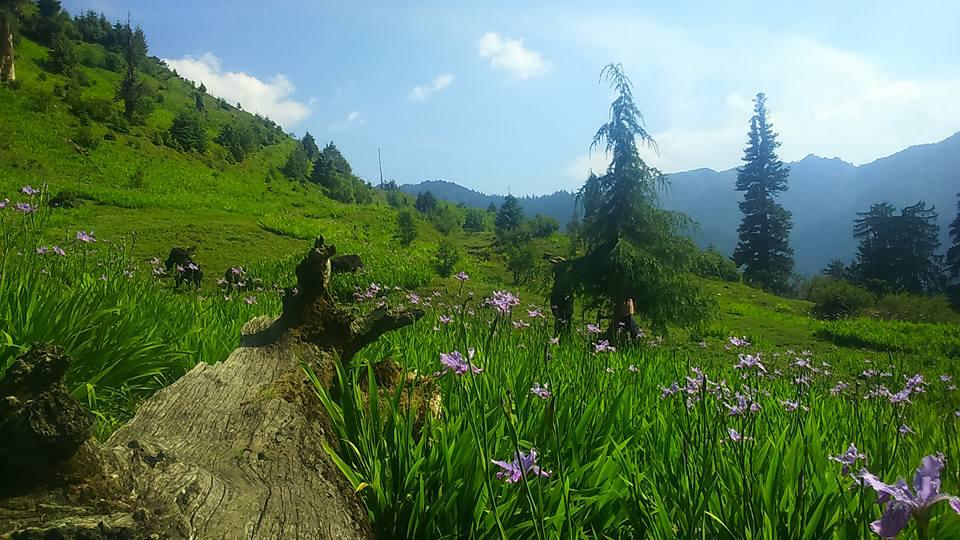
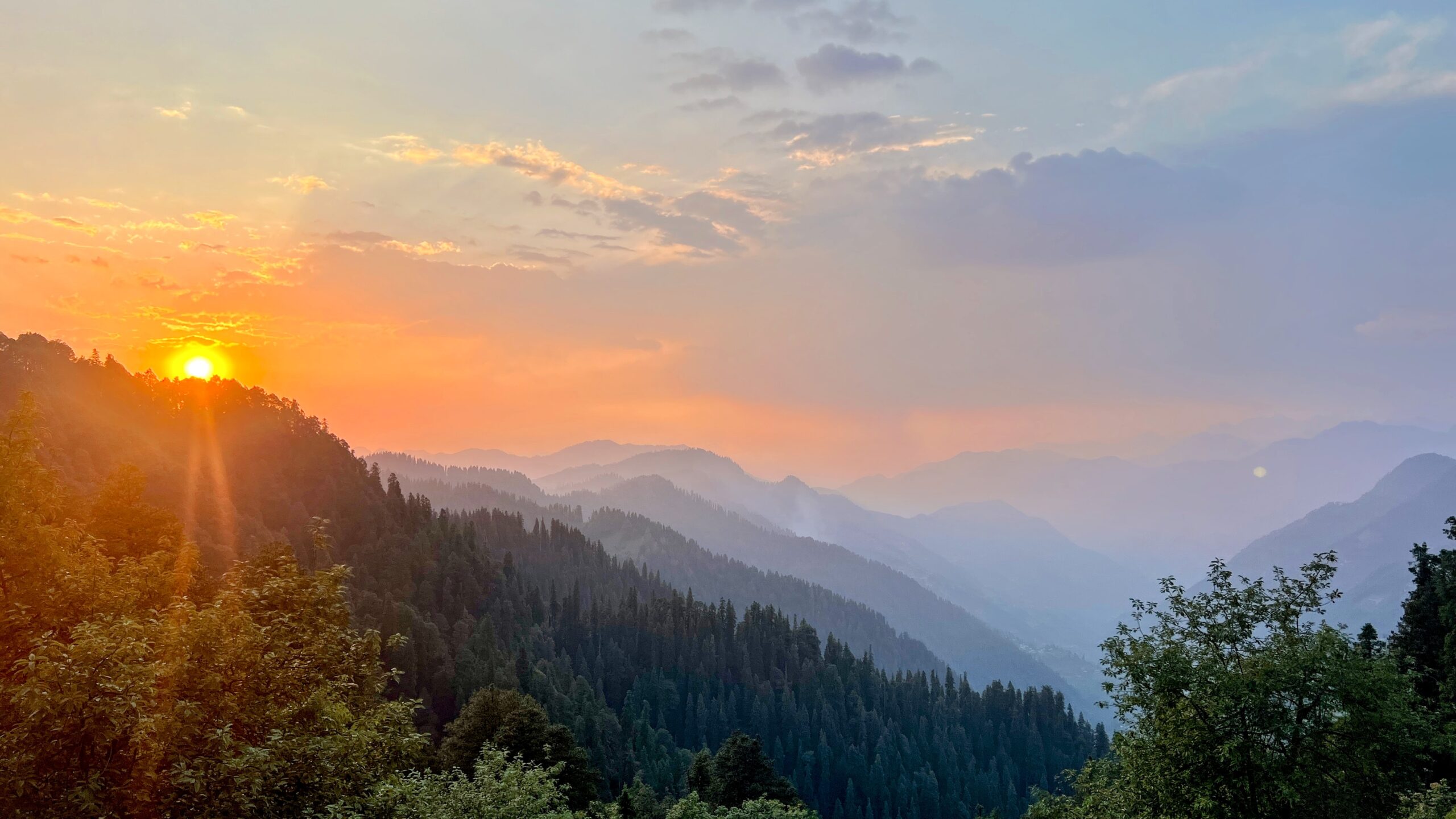
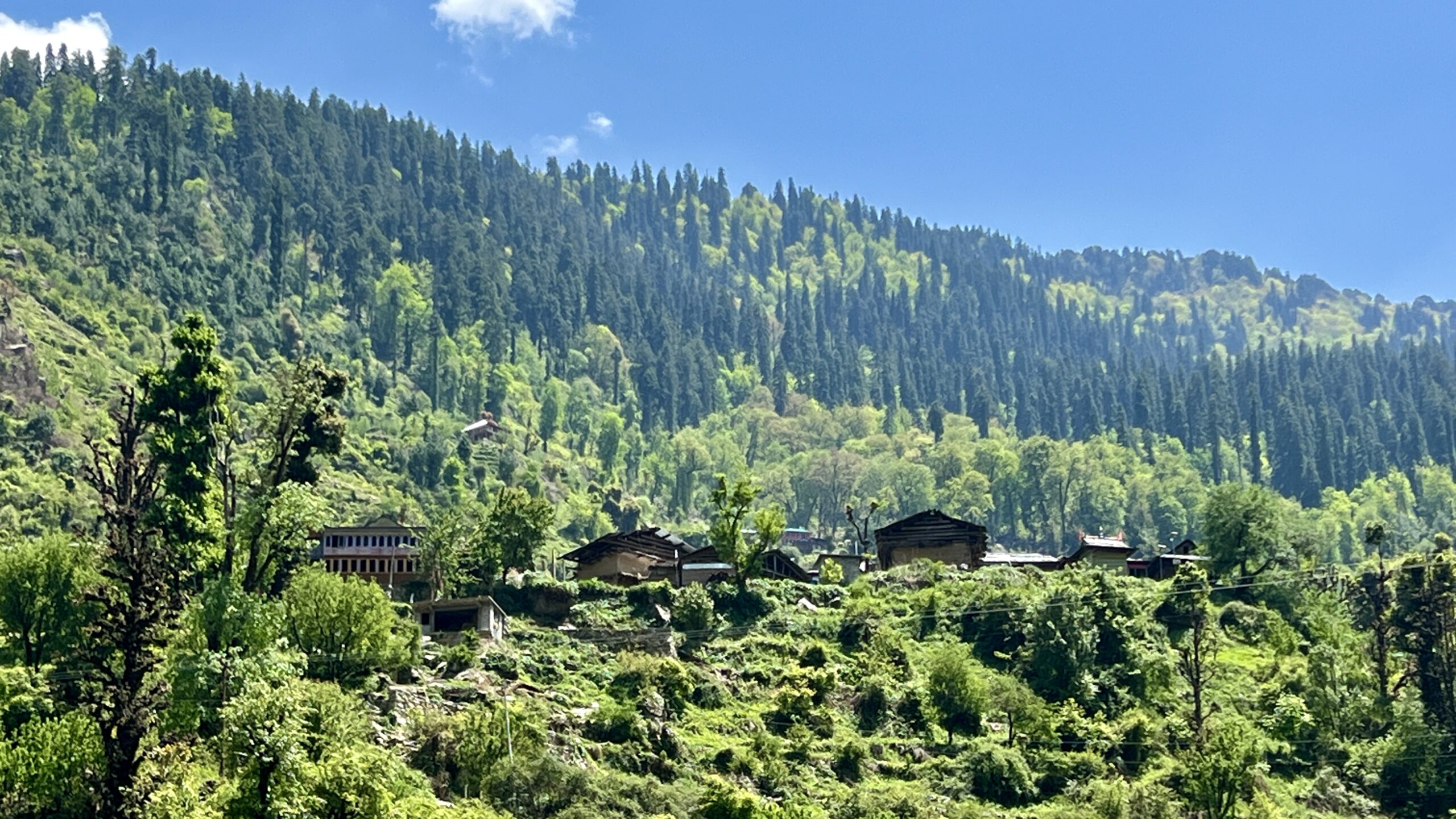
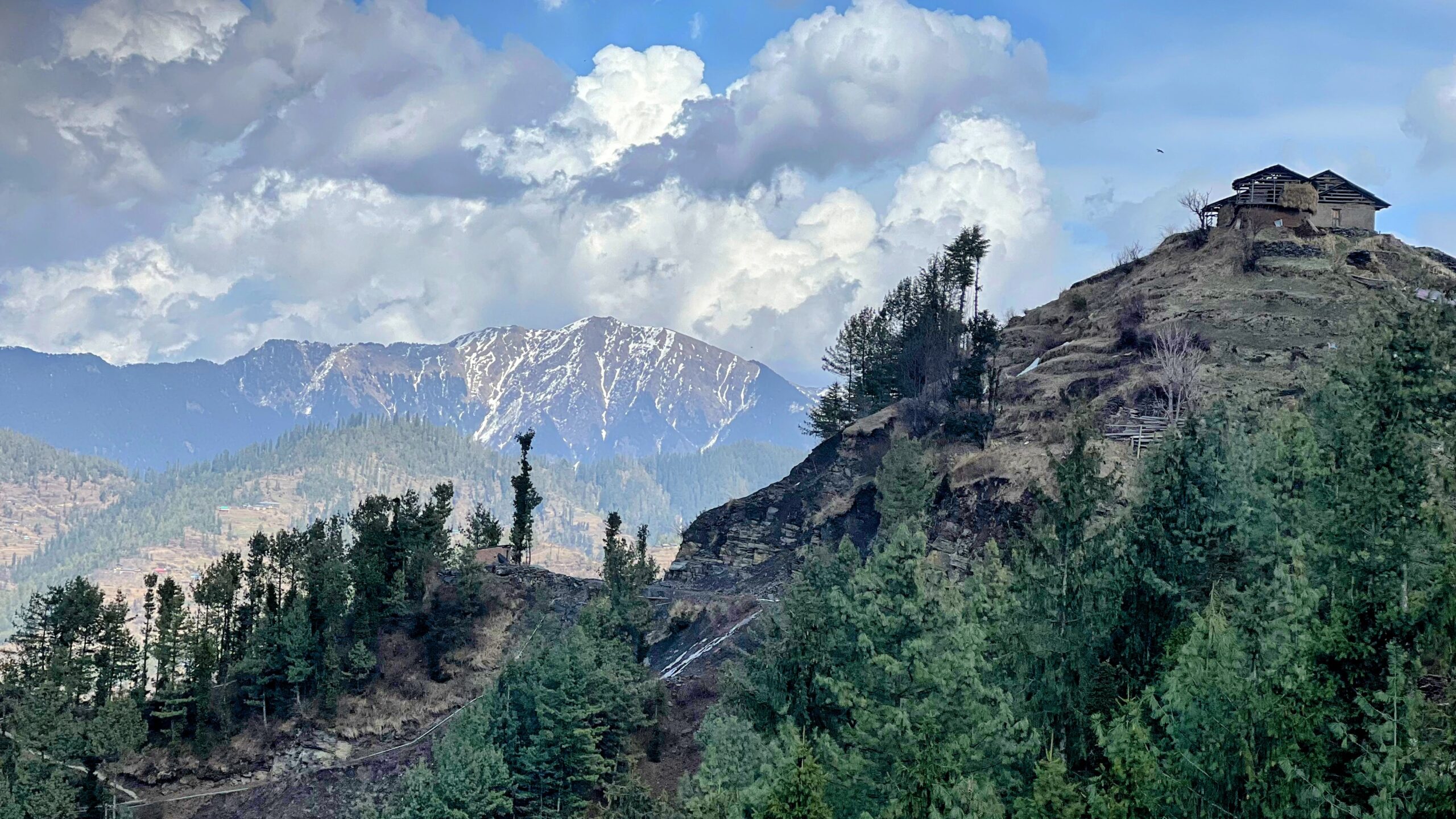
Shangarh: Wide grasslands and sacred geometry. A slow dolly across green planes is unbeatable. Access: Aut
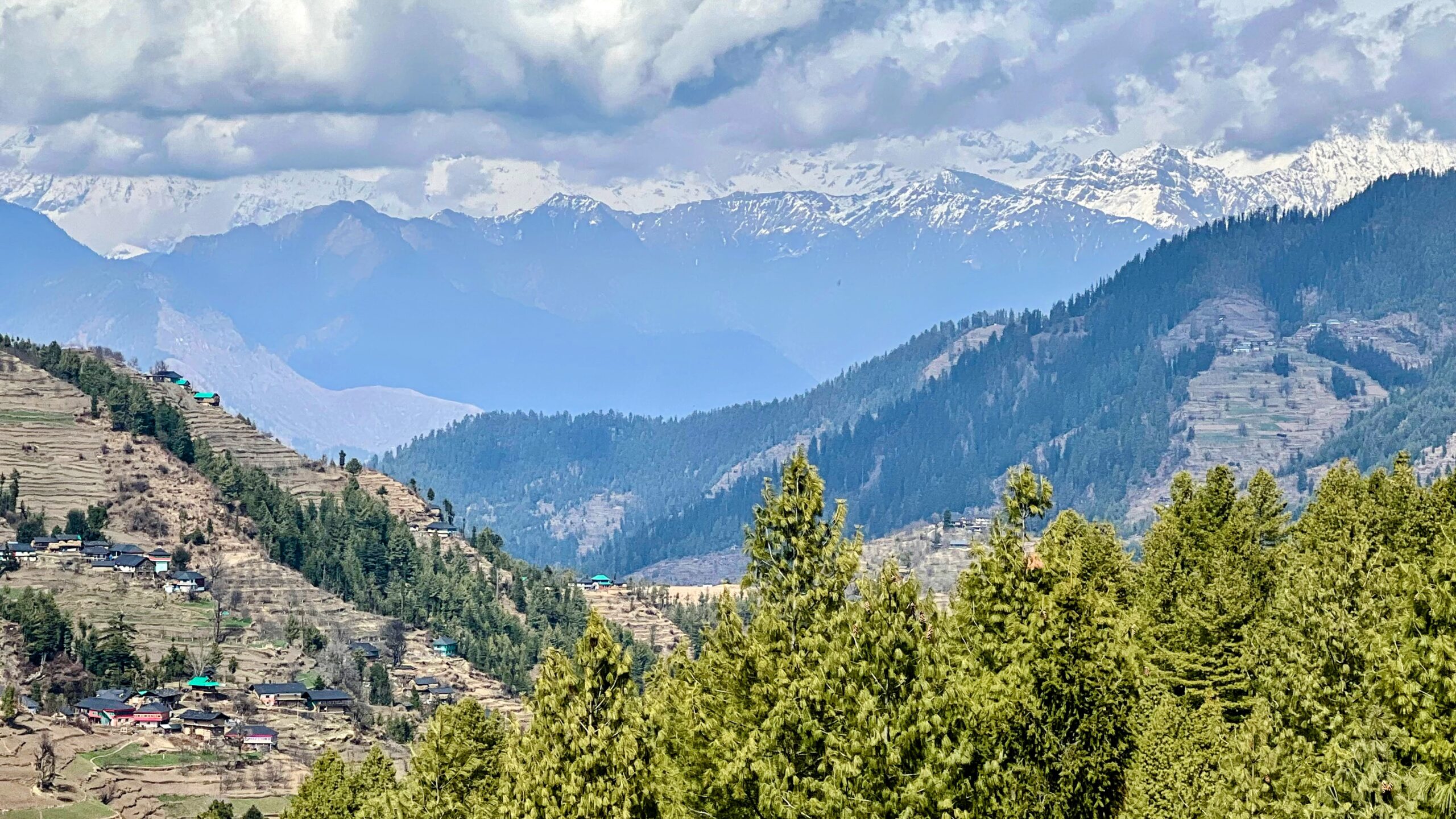
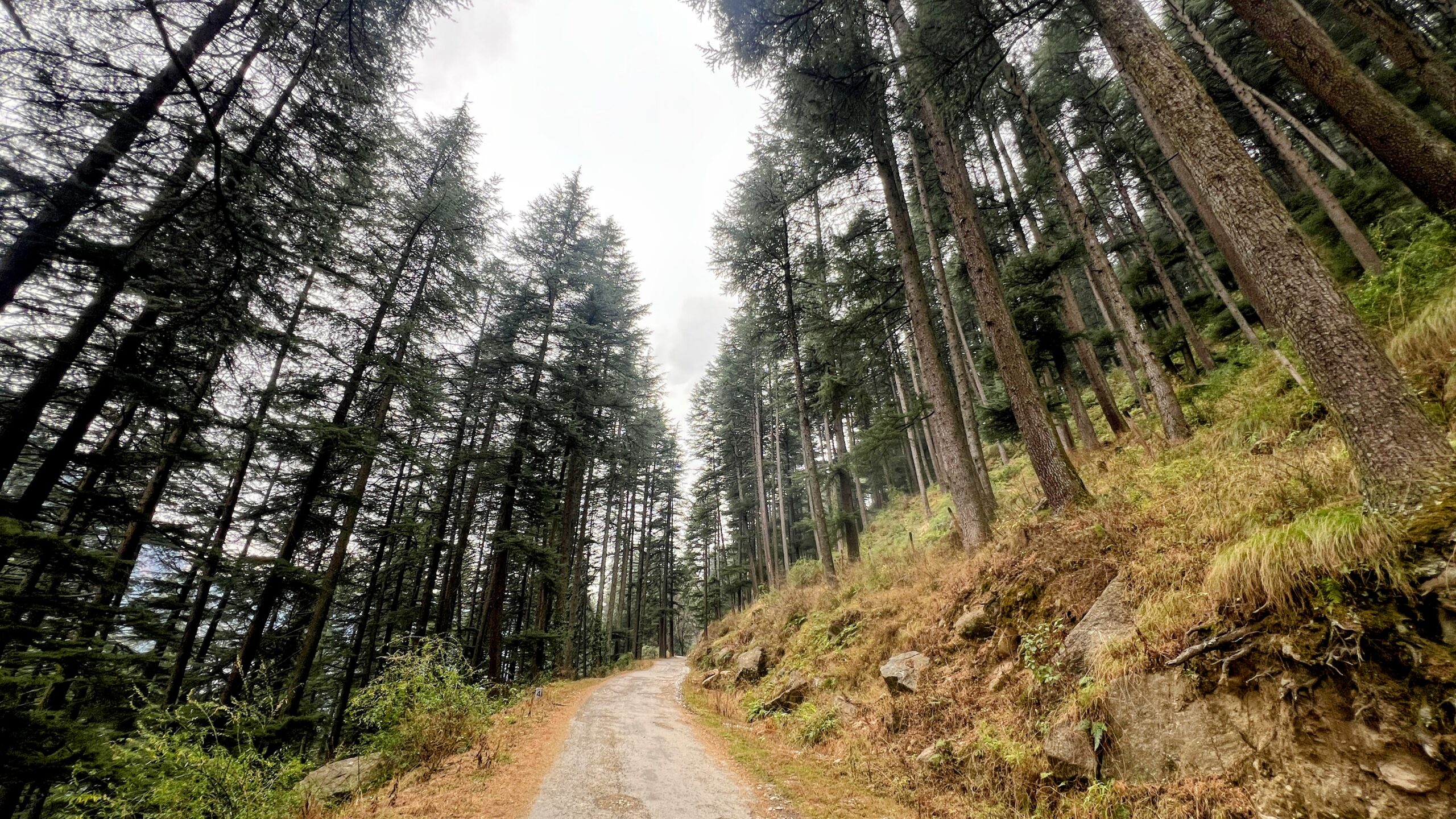
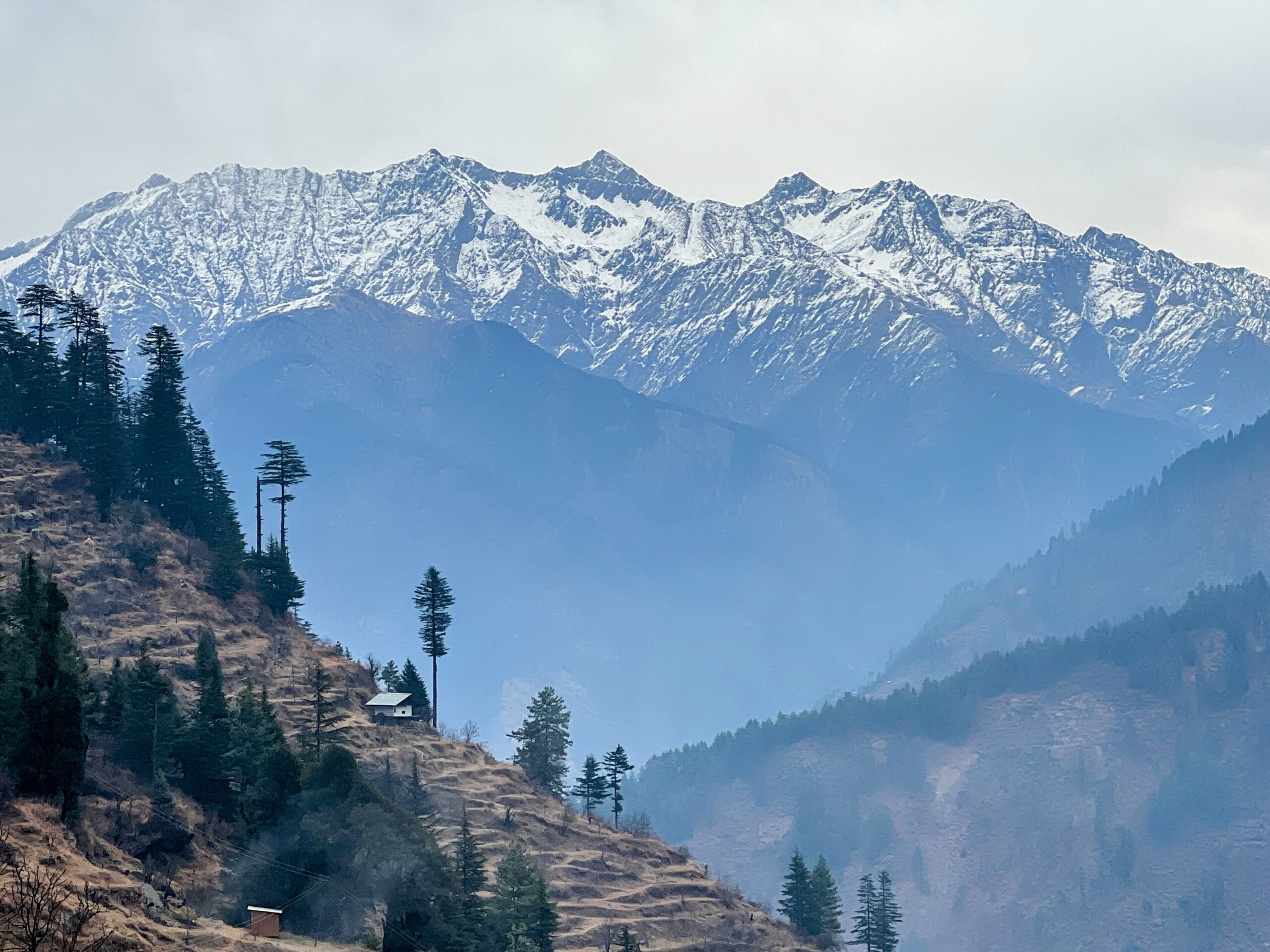
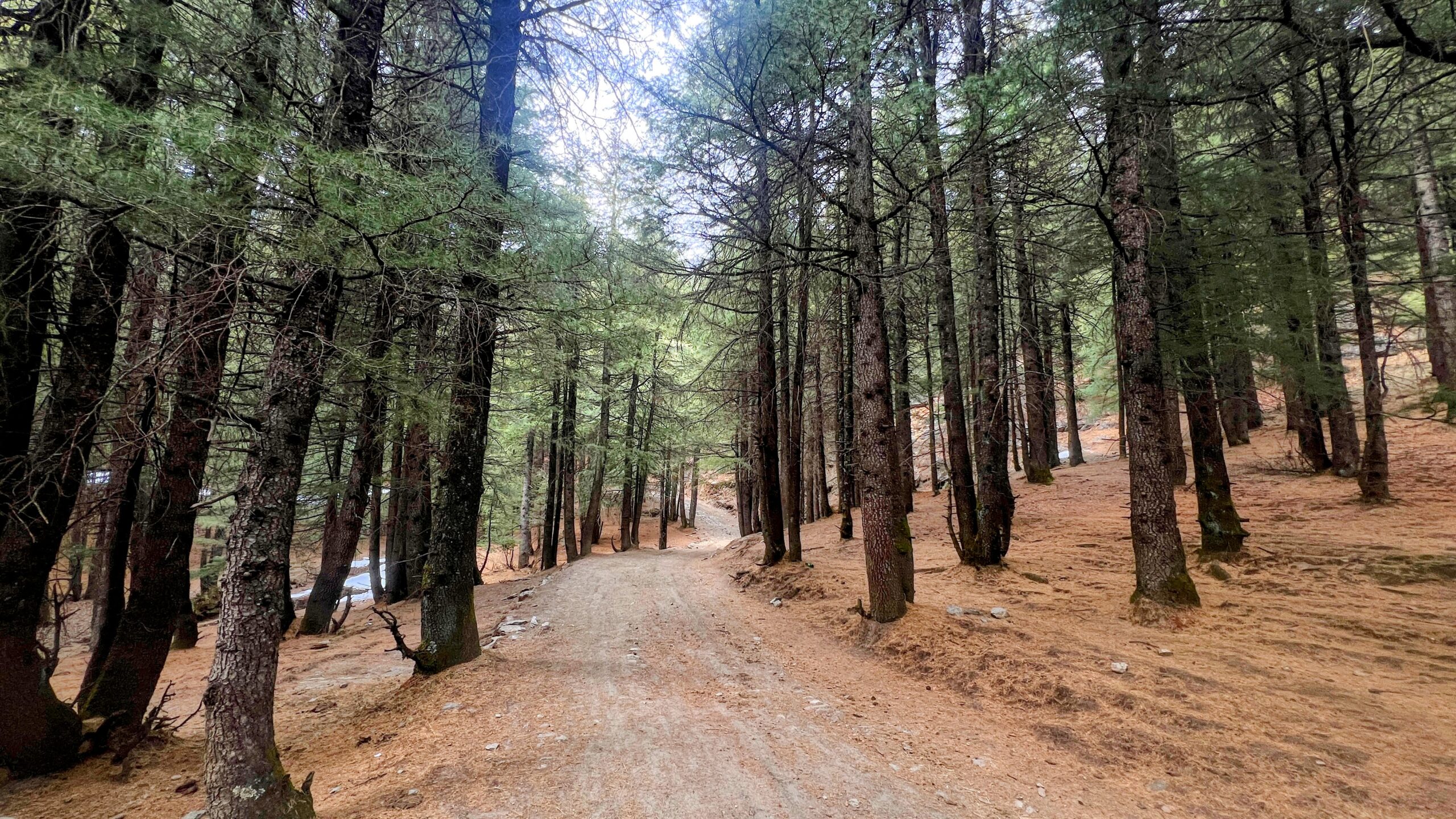
Mandi, Bilaspur & The Lower Hills
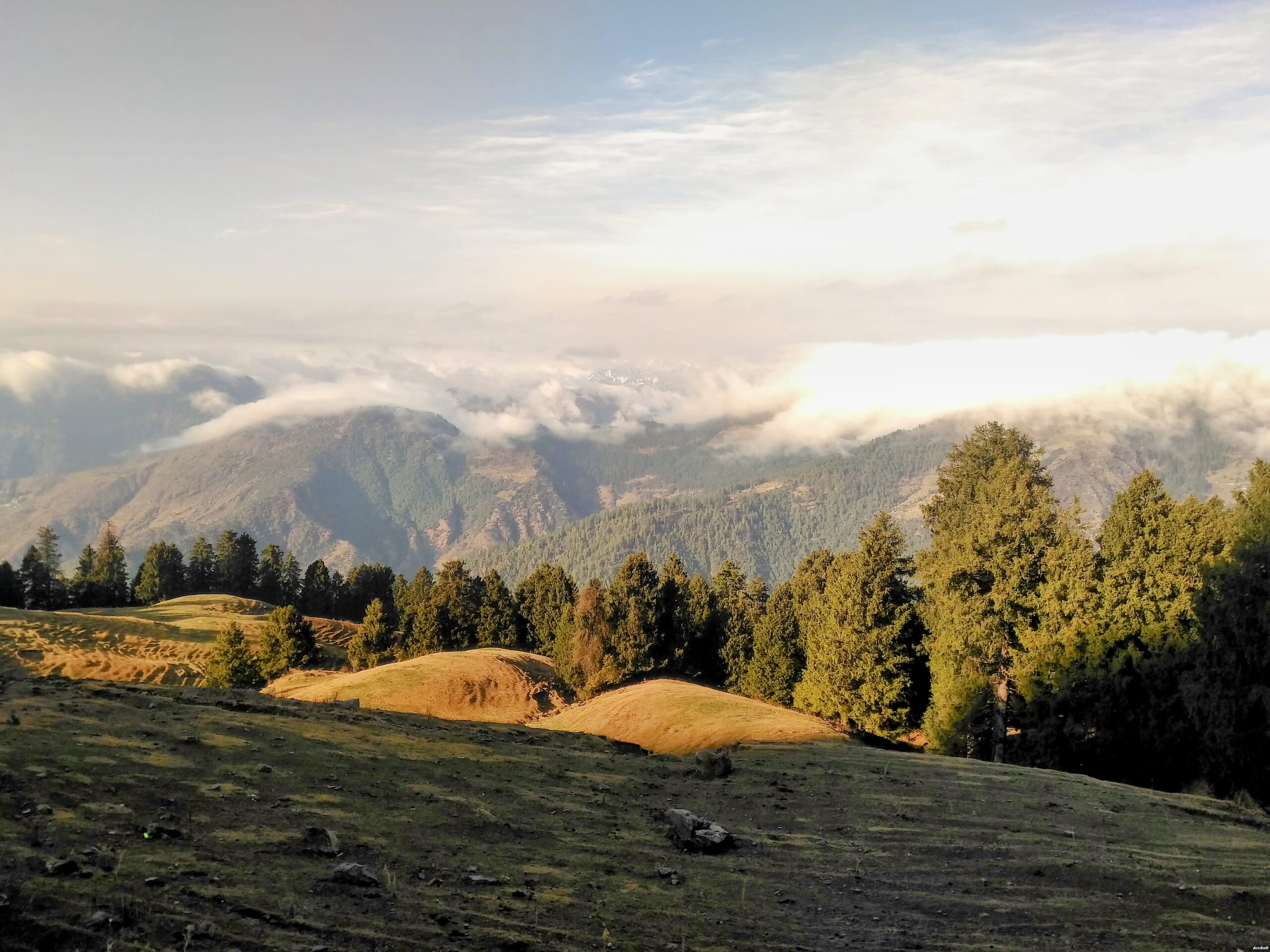
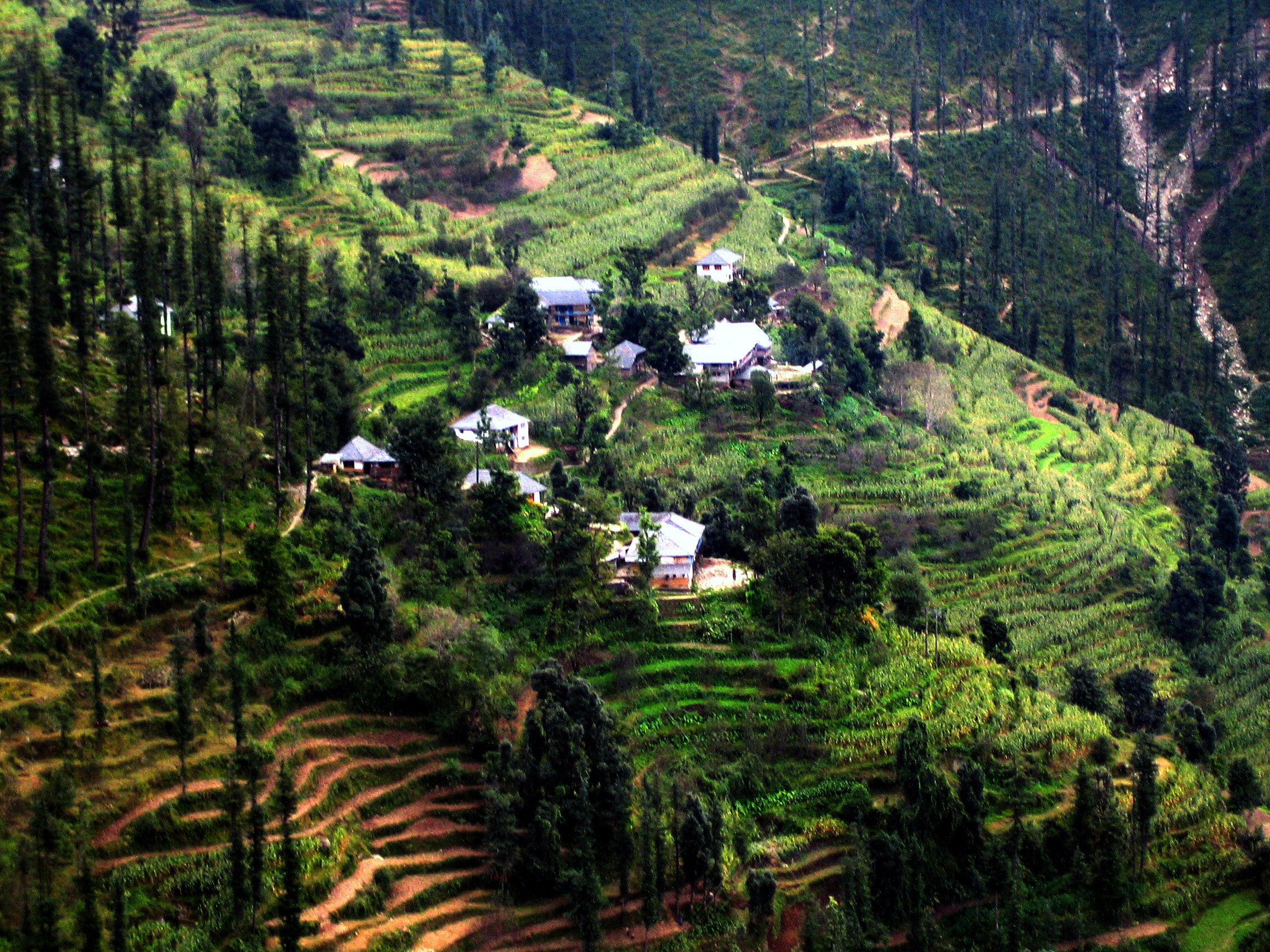
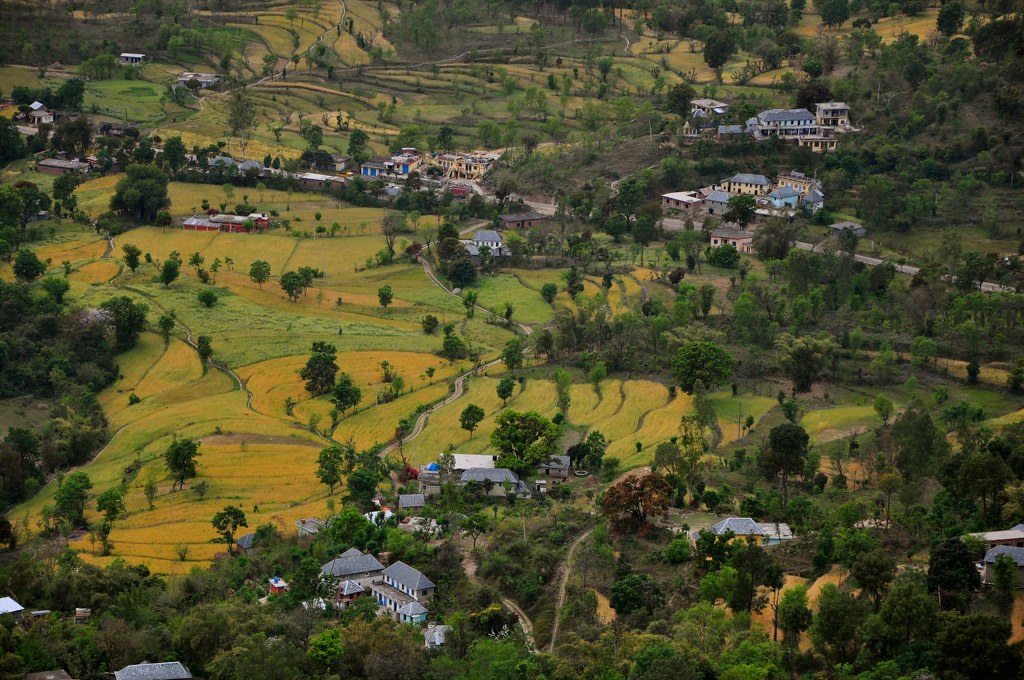
This region is the cultural heartland, rich with accessible, authentic Mandi film locations. Its cinematic value lies in its sacred landscapes, from ancient ghats to the vast inland sea of Gobindsagar, offering stunning opportunities for lake filming in India. The mystical beauty of Parashar Lake provides an iconic, high-impact visual. Perfect for stories grounded in local life and folklore, with easy access from Chandigarh or Kullu airport. This is a great all-season location for authentic backdrops with straightforward logistics.
Tattapani: River bends and hot spring stories. Water as character, not backdrop. Access: Shimla (1.5 hours).
Chindi: Apple country with gentle contours. Warm-tone drama and family arcs suit the place. Access: Tattapani (1 hour).
Rohanda: Ridge walks and mist pockets. Slow reveals through cloud curtains. Access: Karsog (30 mins).
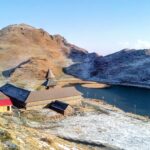
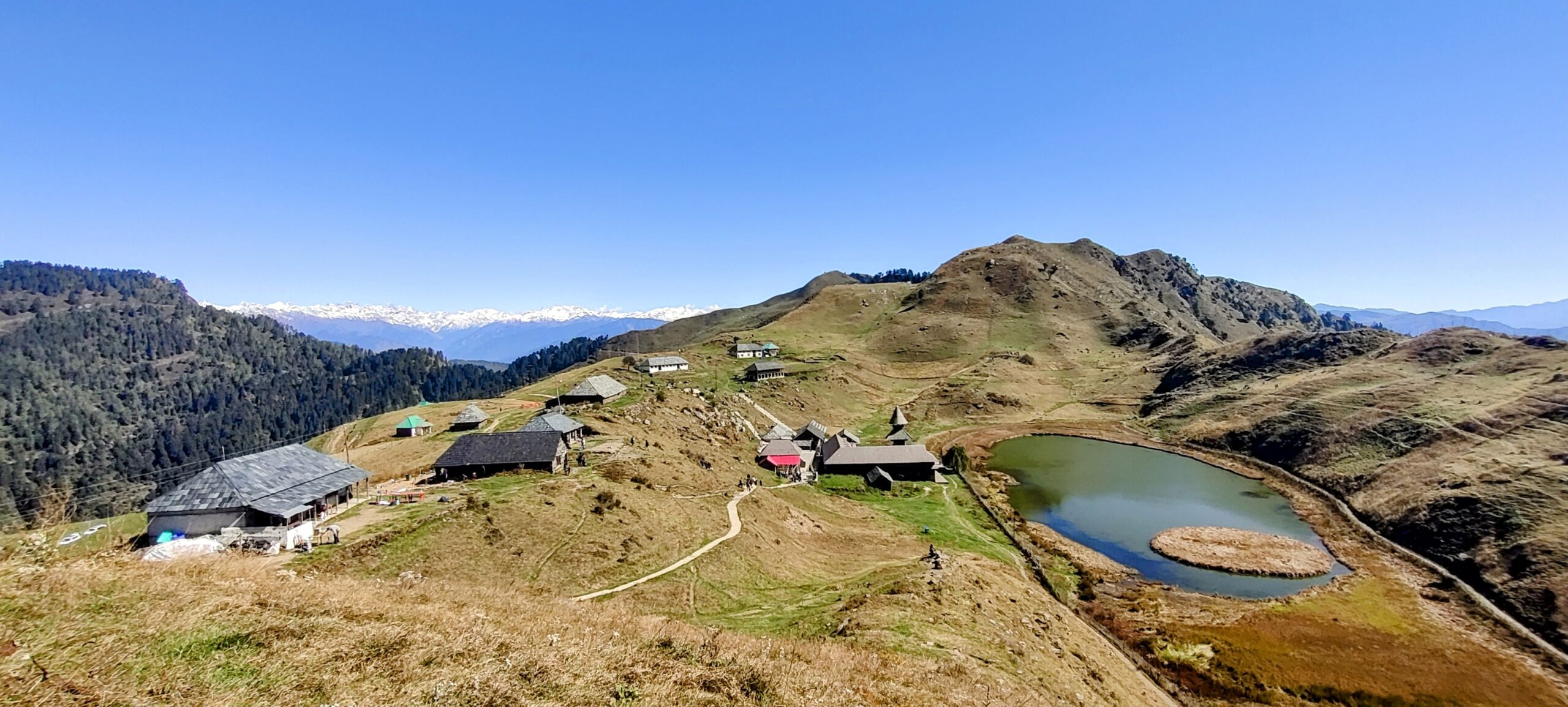
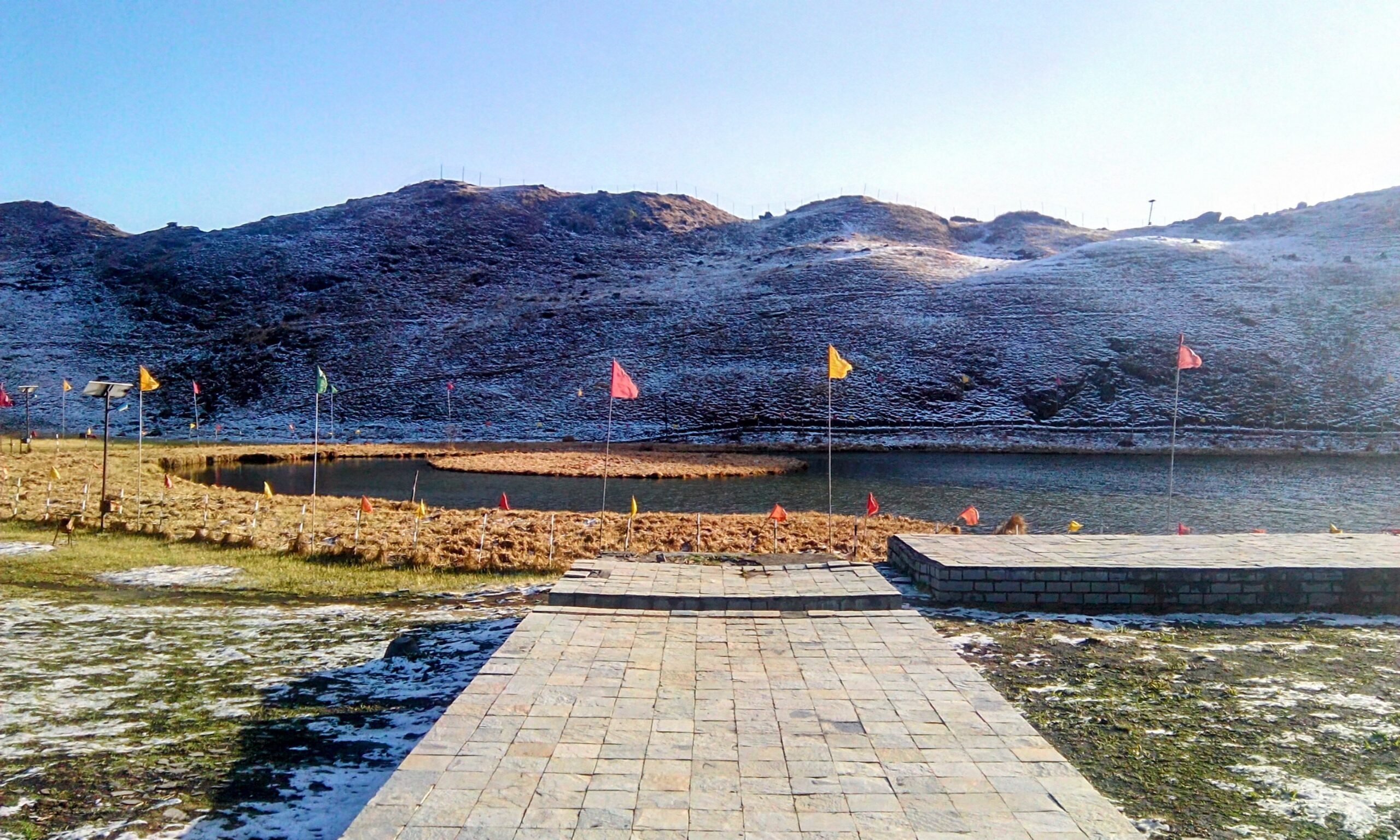
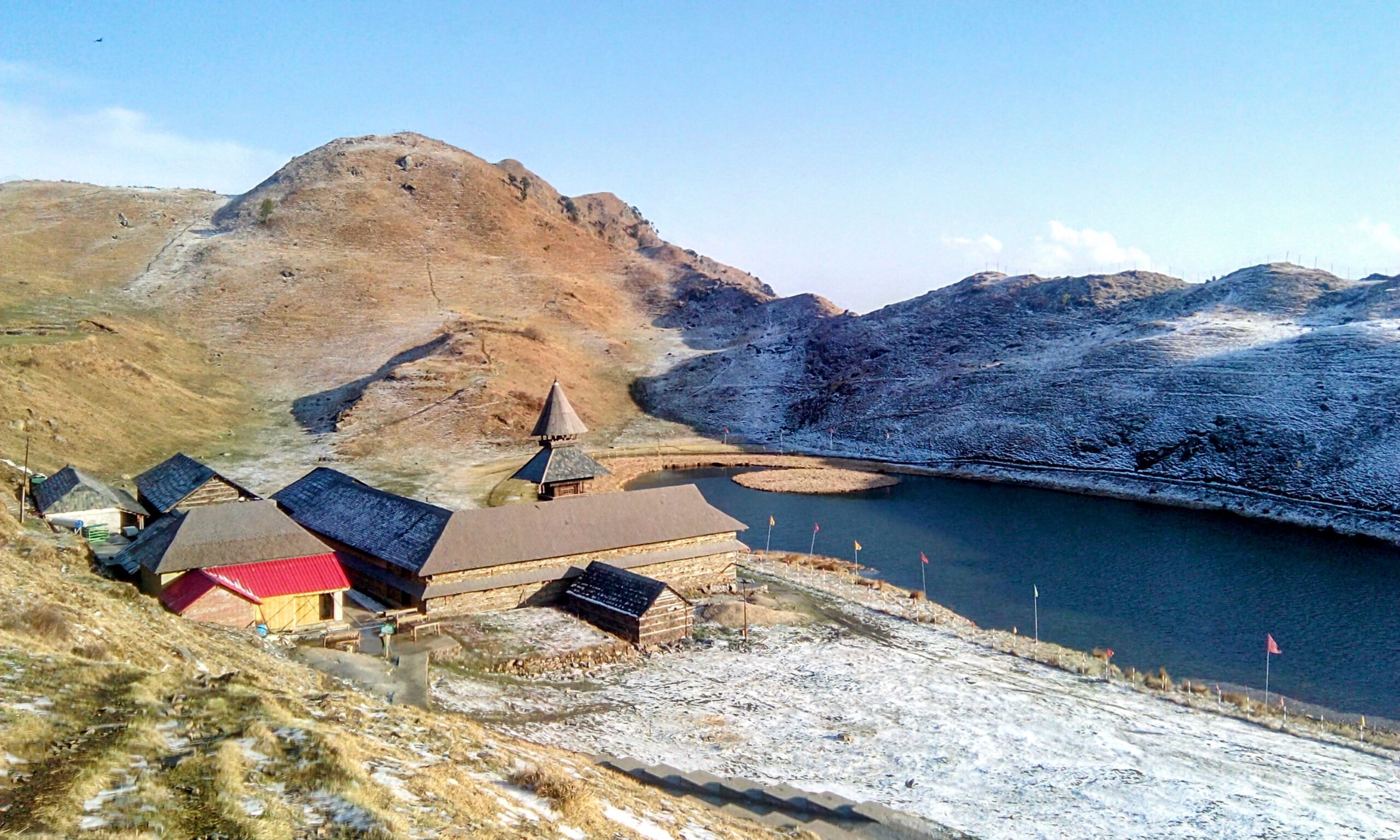
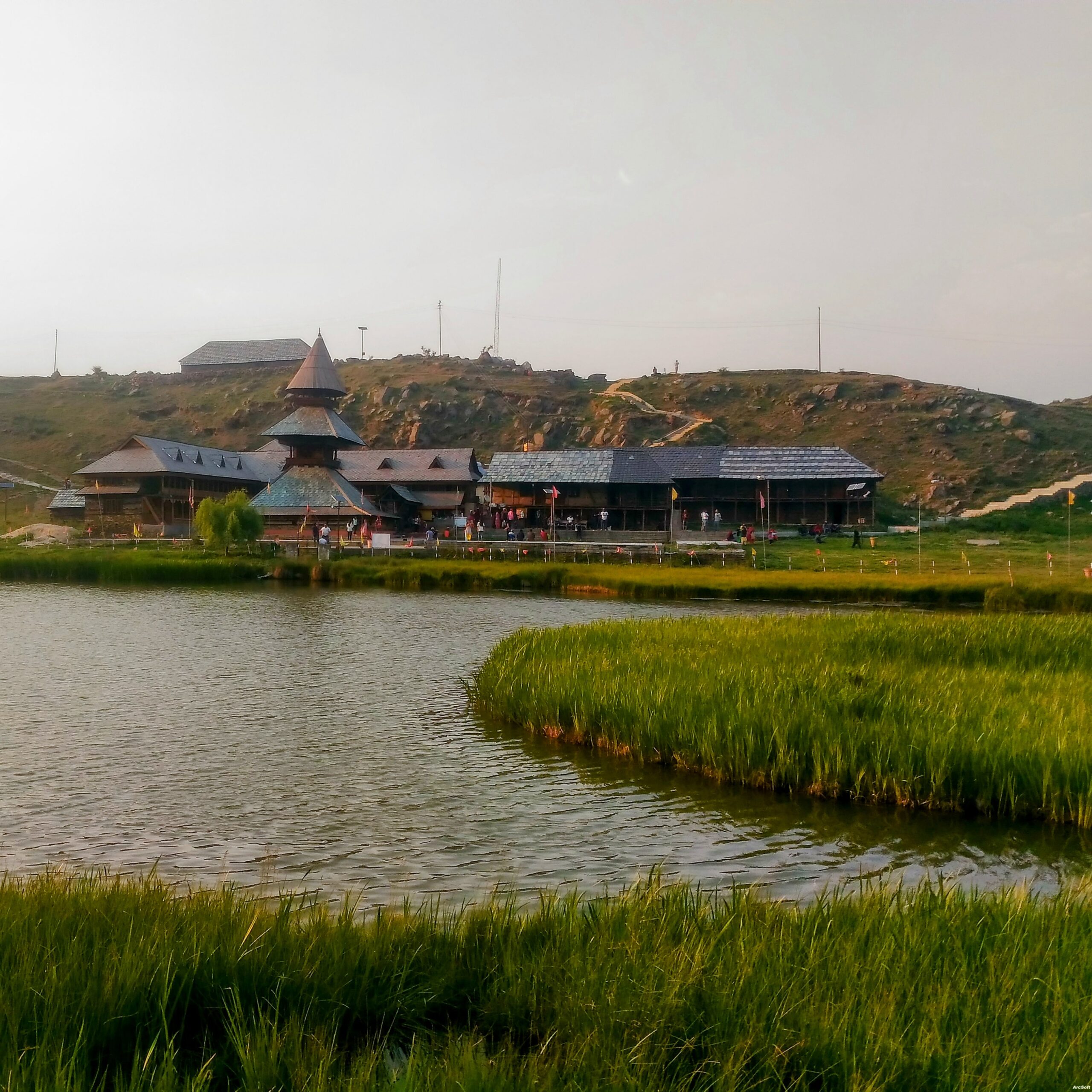
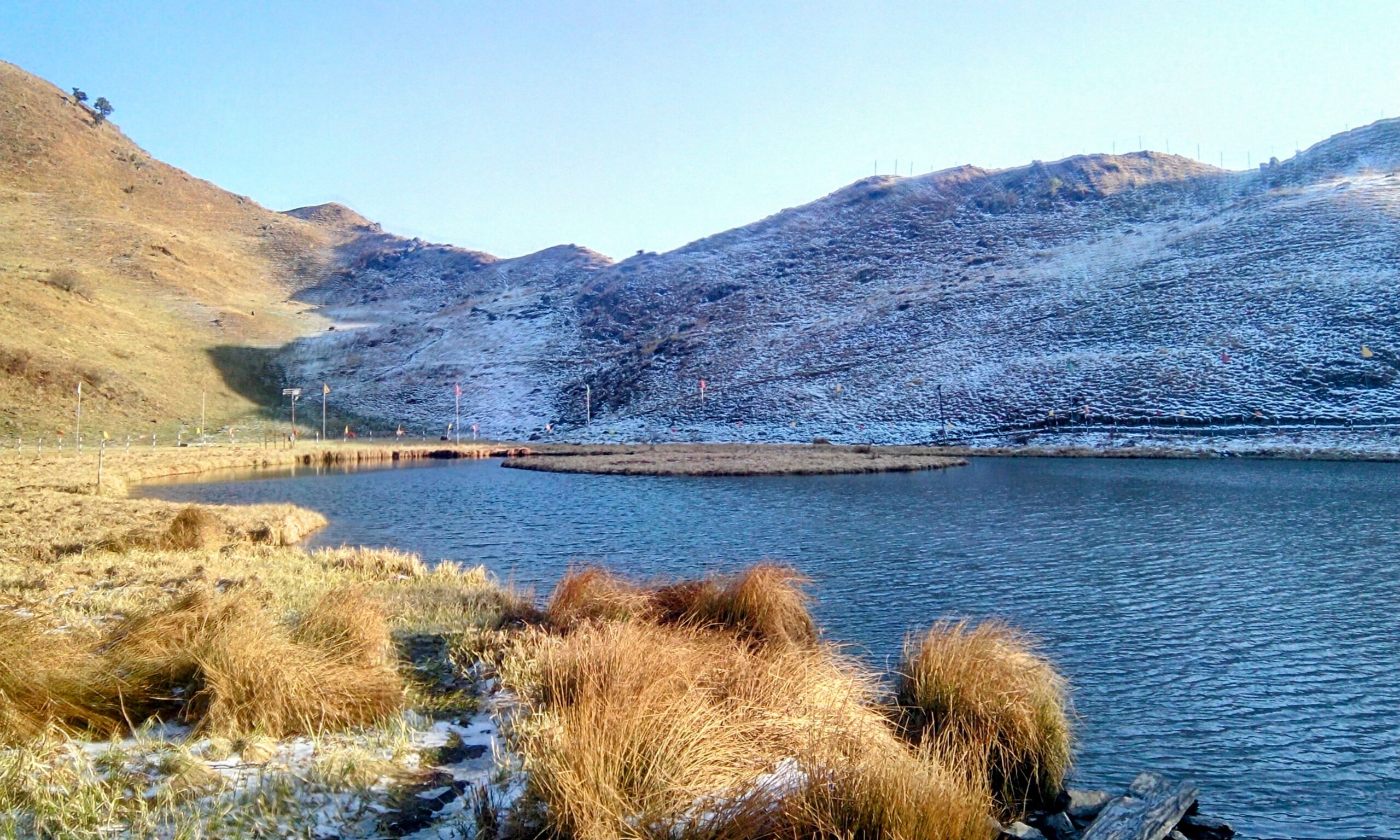
Parashar Lake: Floating island and alpine symmetry. Aerials become iconic within seconds. Access: Mandi (2 hours).
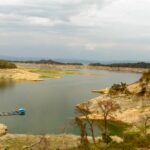
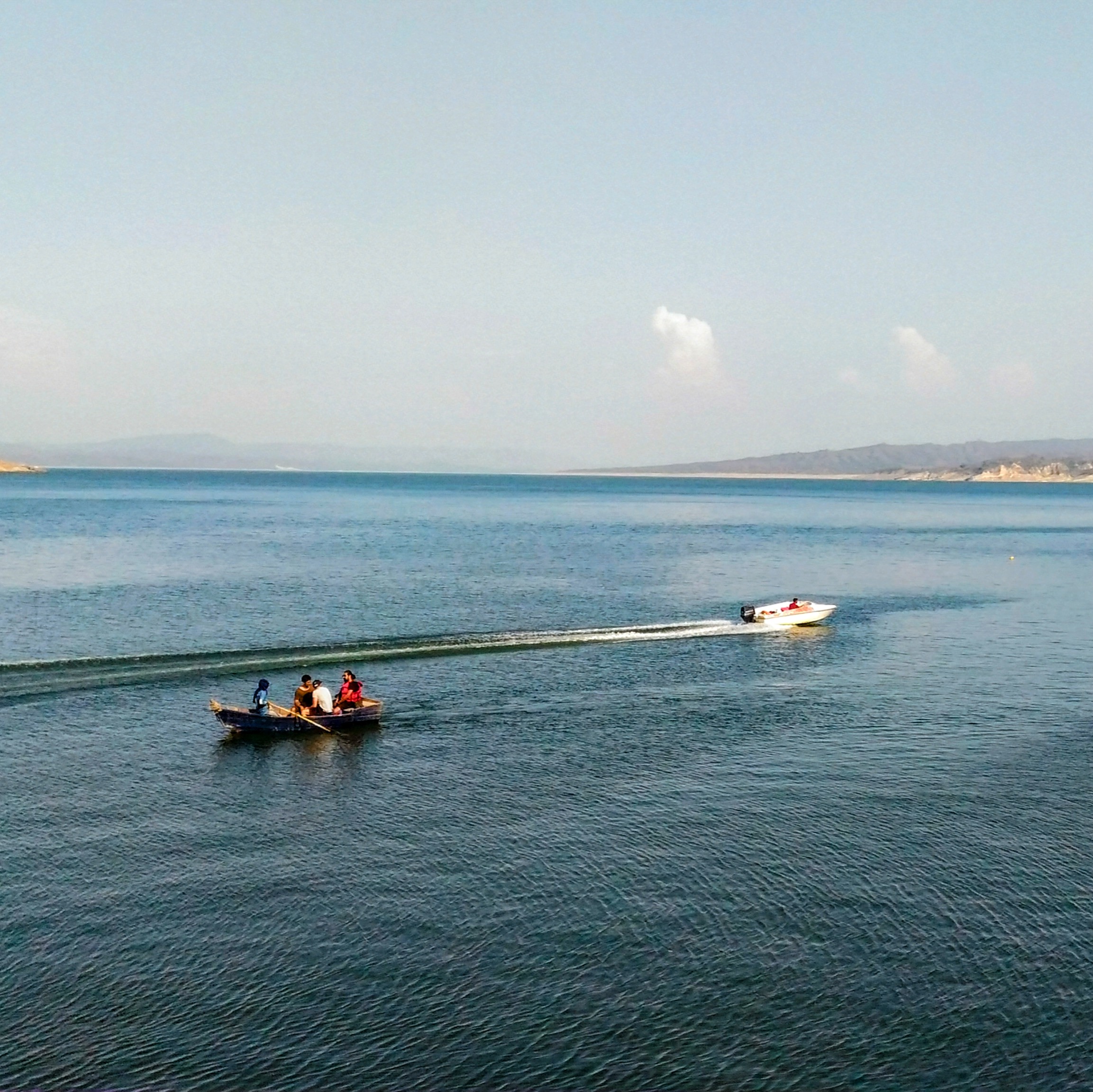
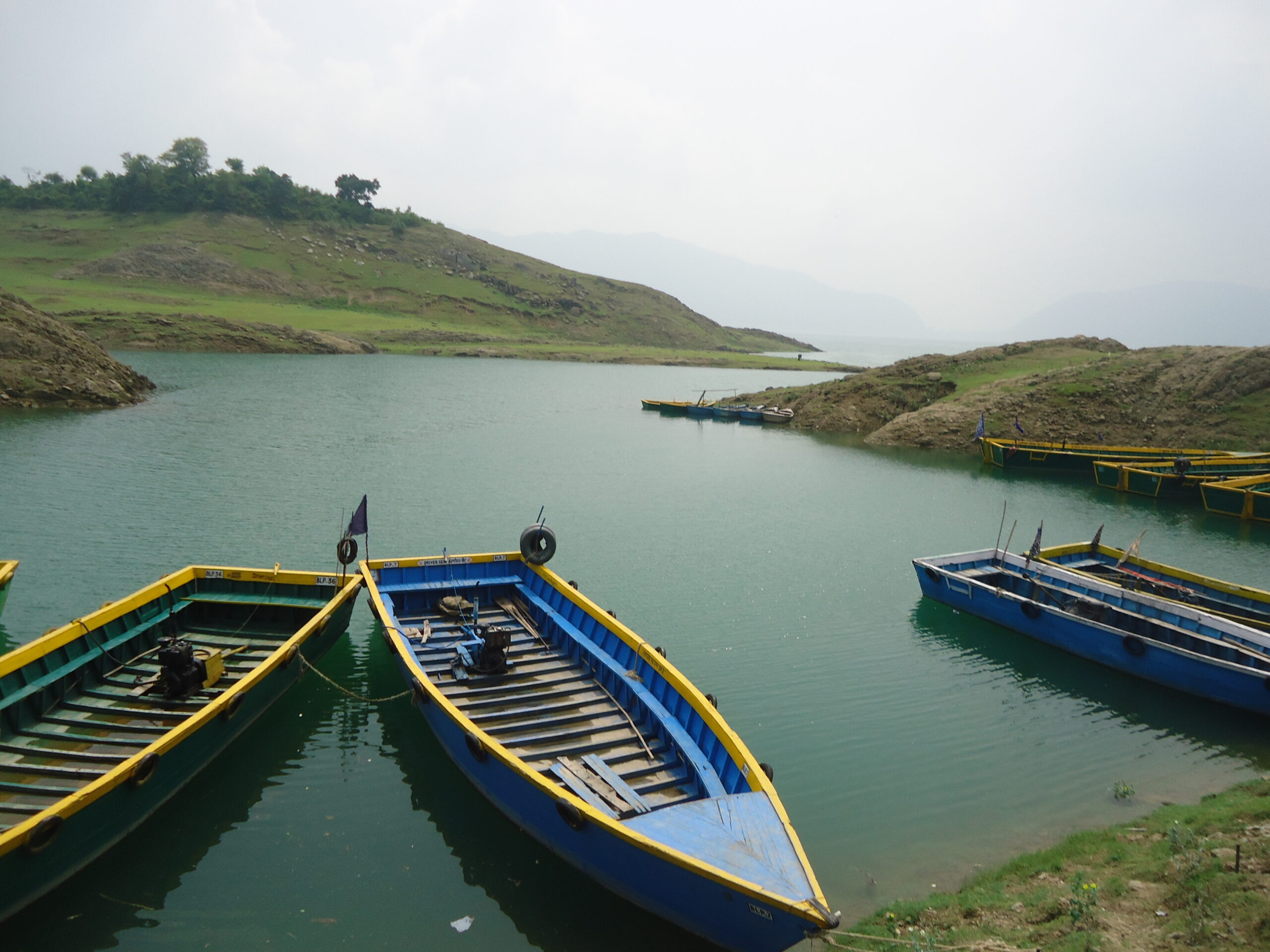
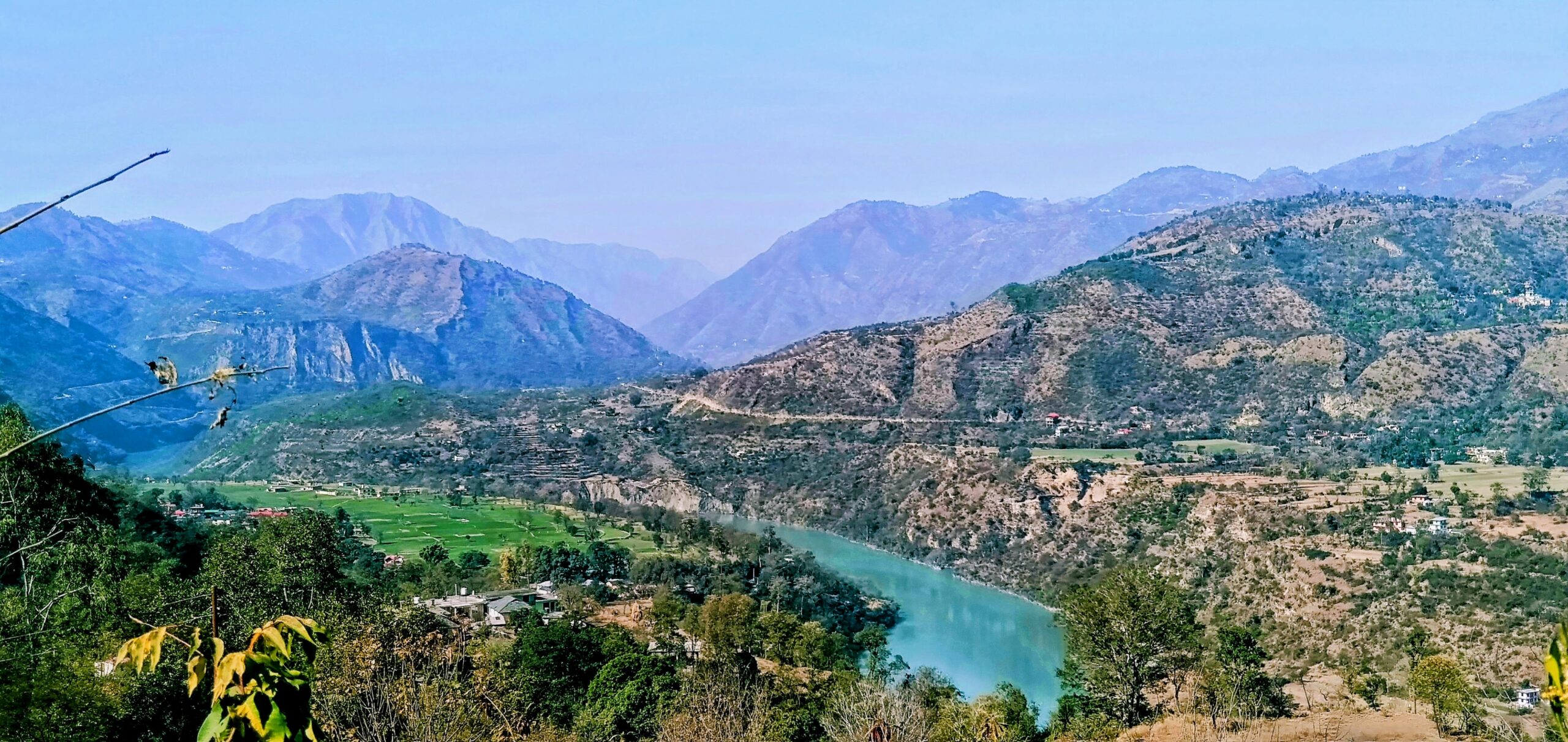
Gobindsagar: Large reservoir, stark shores. Wide water frames for scale. Access: Bilaspur (30 mins).
Bilaspur: Lake town approach to Gobindsagar. Bridges and bends for vehicles. Access: Chandigarh (2.5 hours).
Mandi: Ghats, bridges, and Shivratri culture. A river city with rhythm. Access: Kullu Airport (1.5 hours), Chandigarh Airport (4 hours)
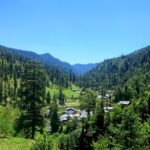
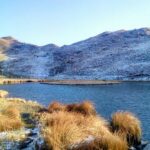
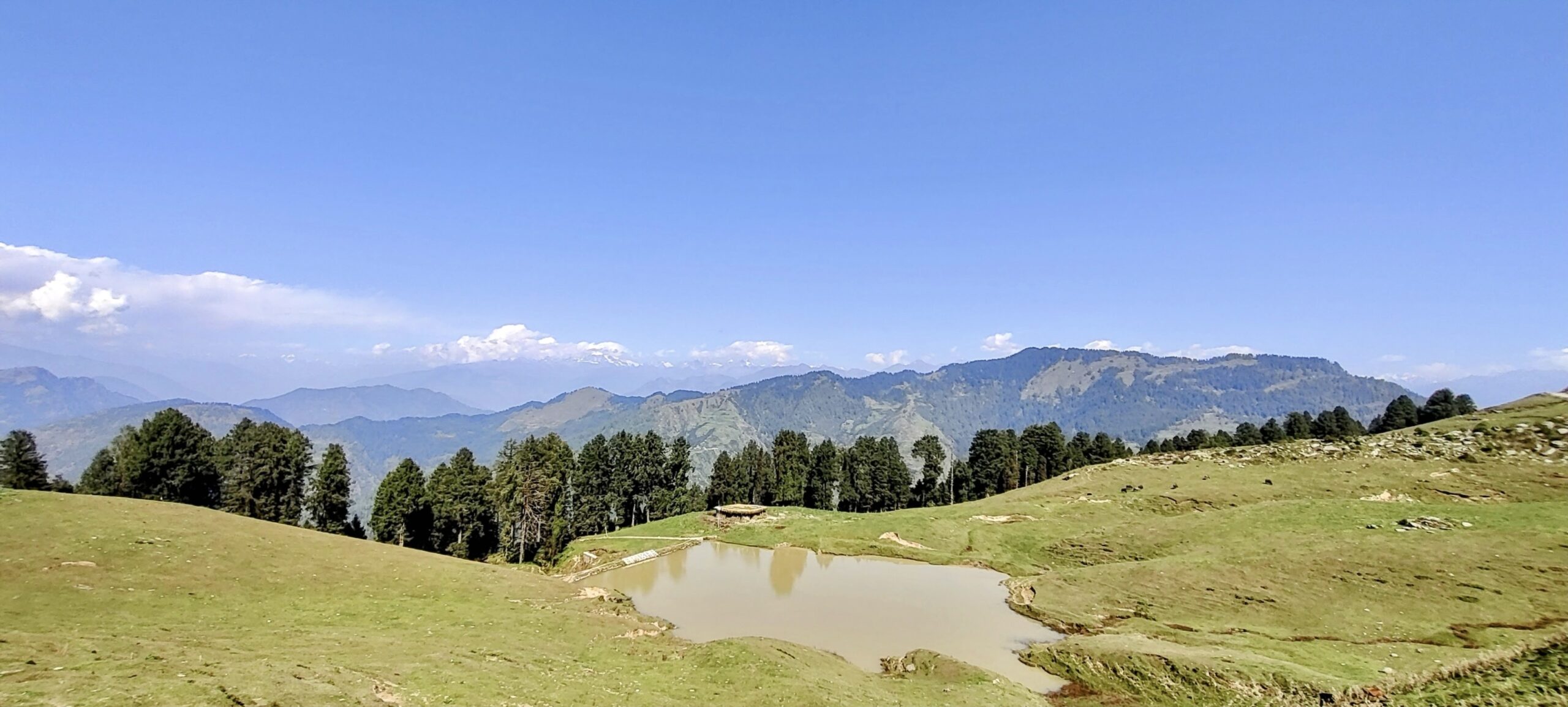
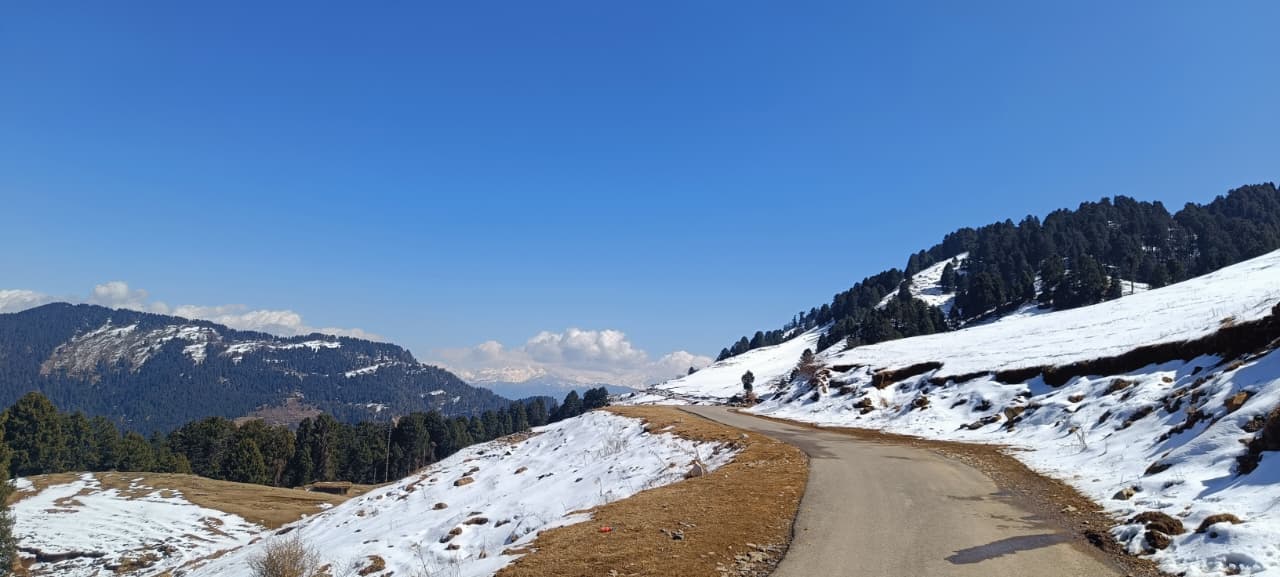
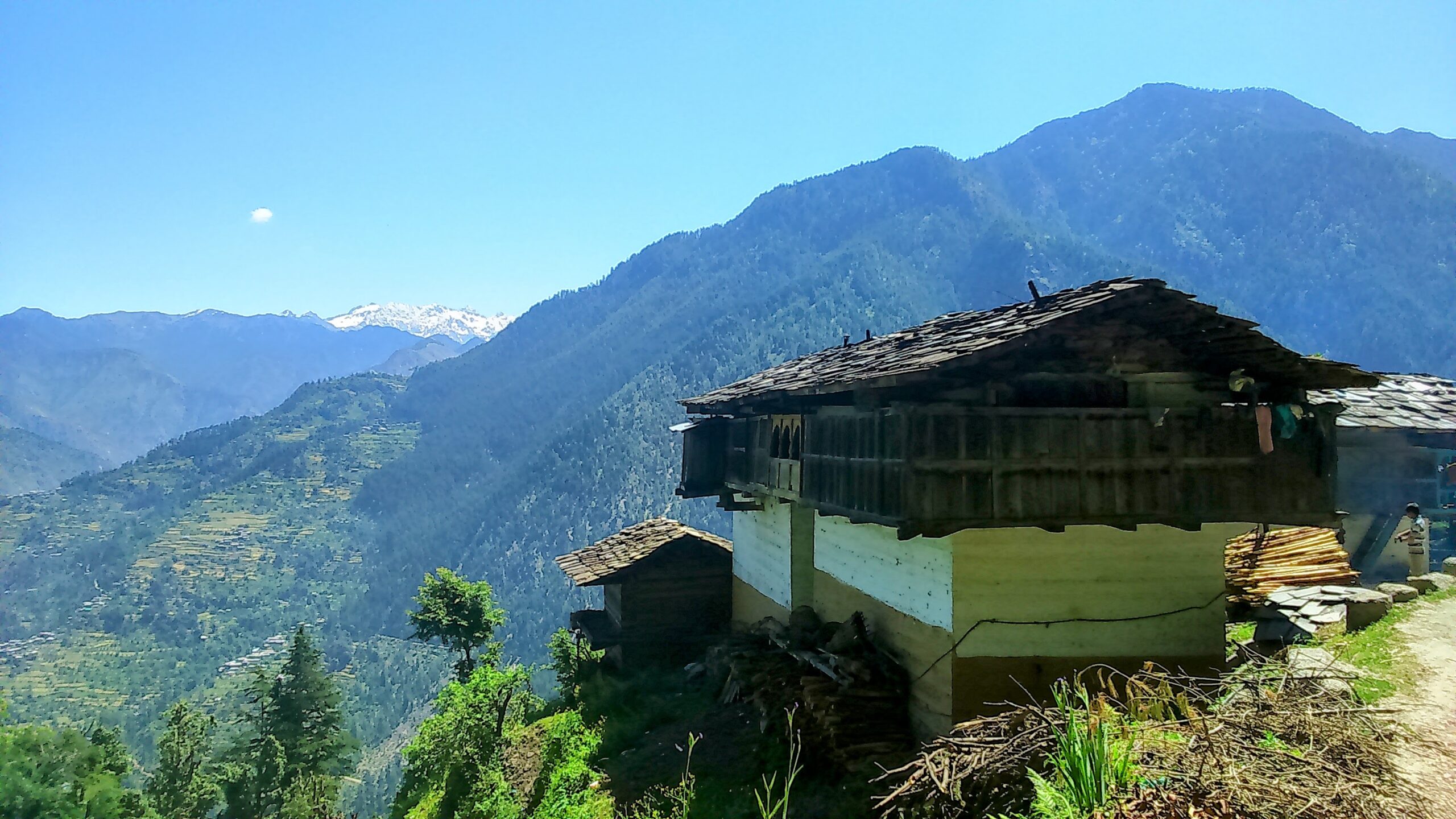
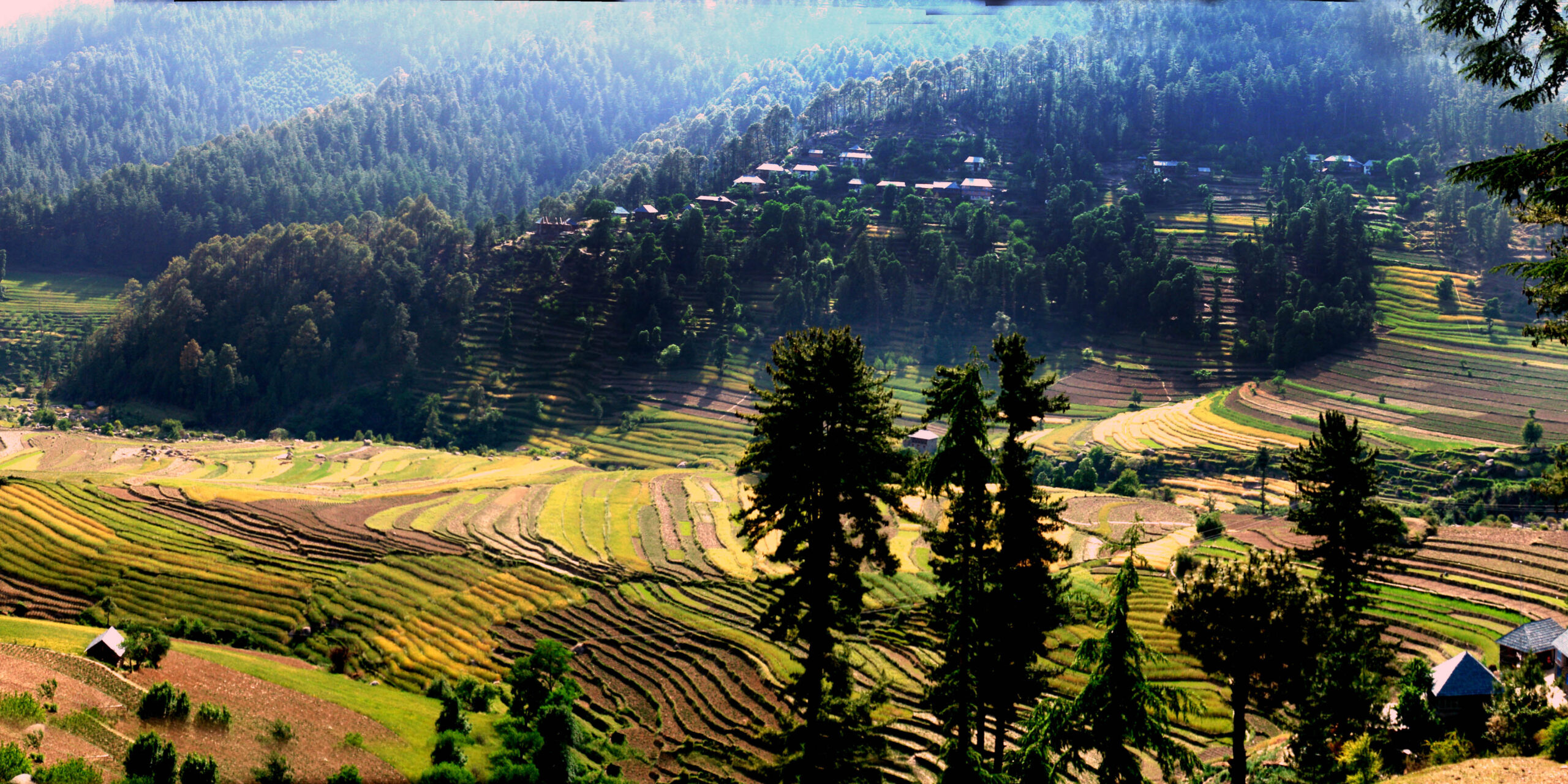
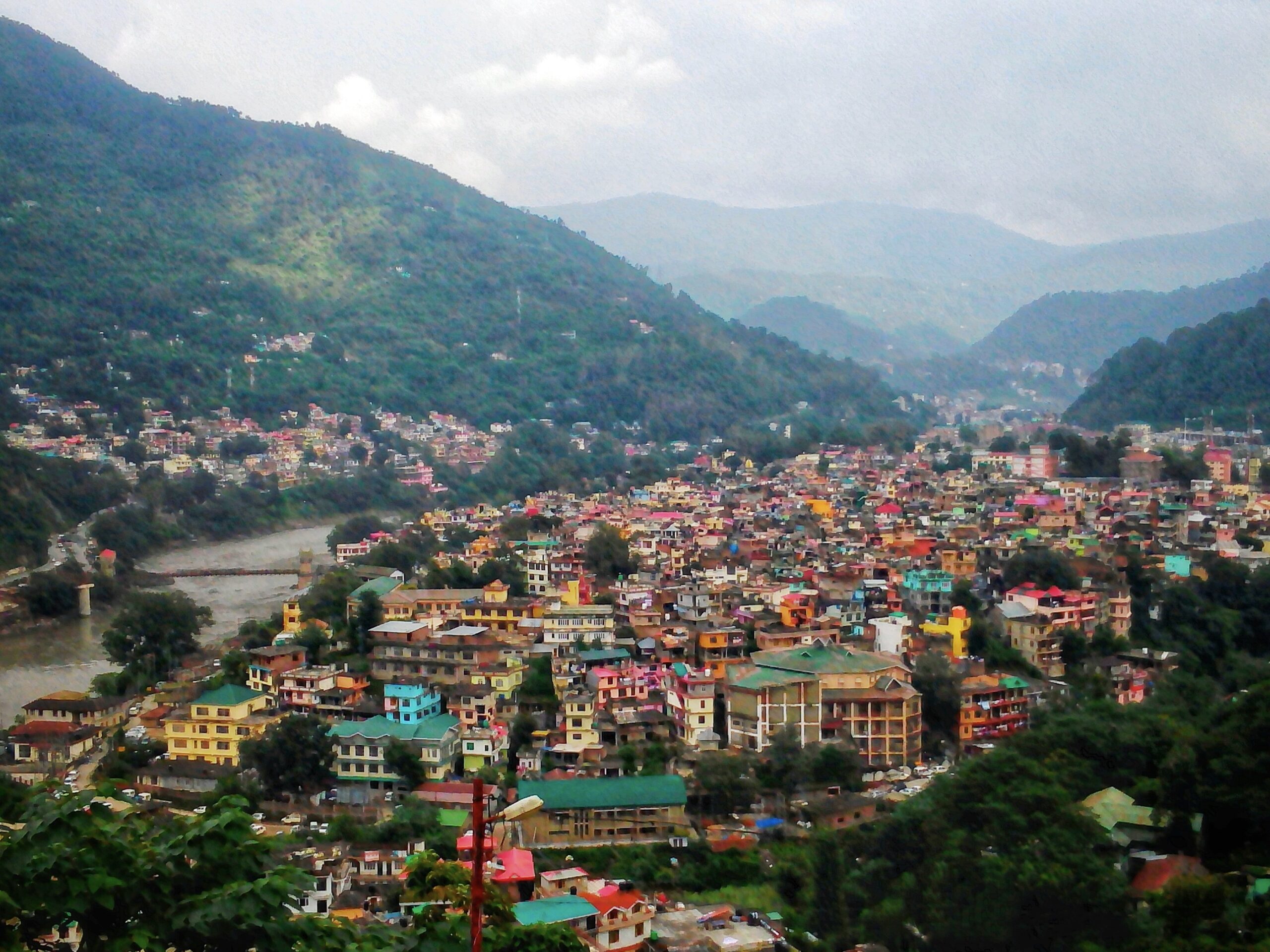
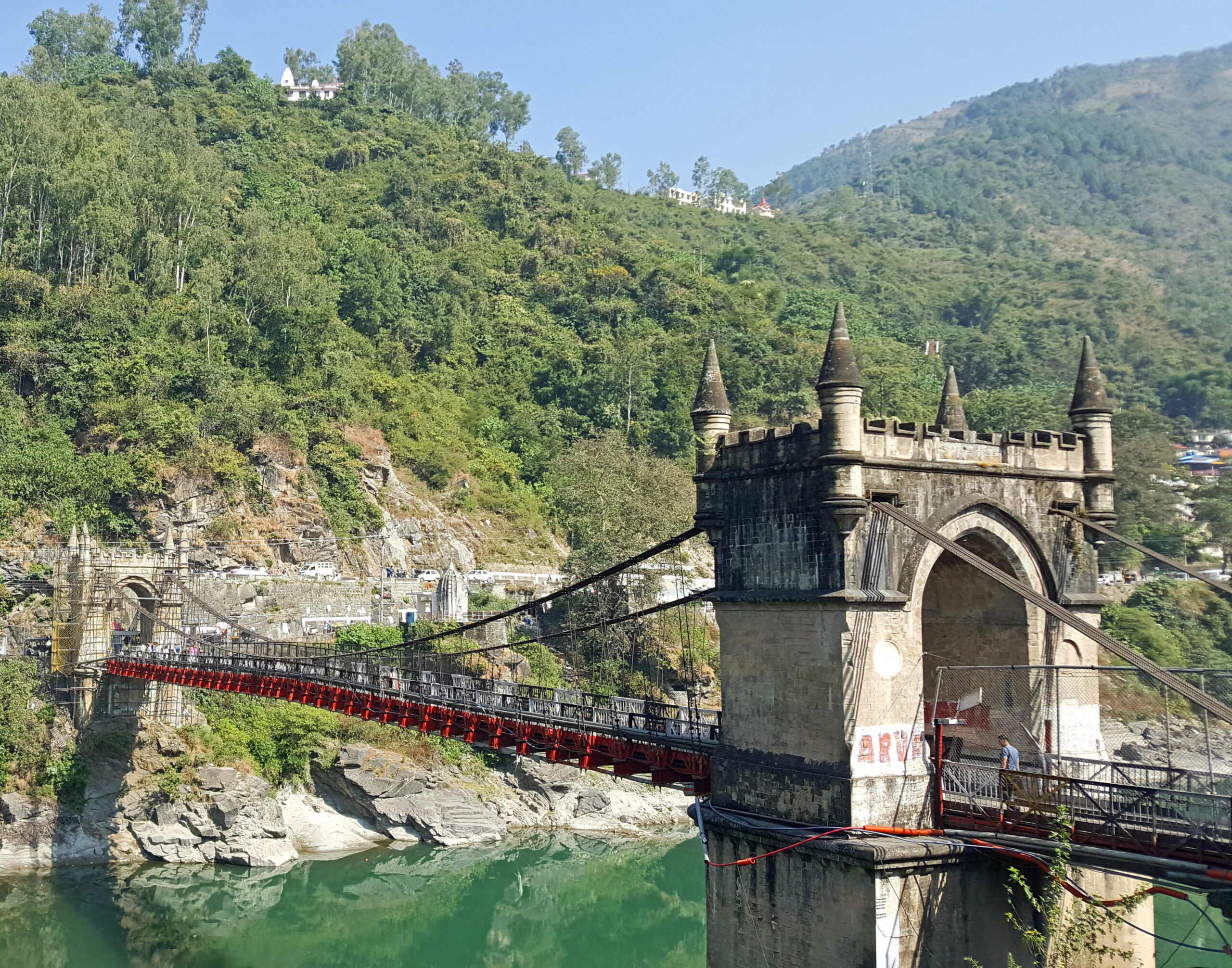
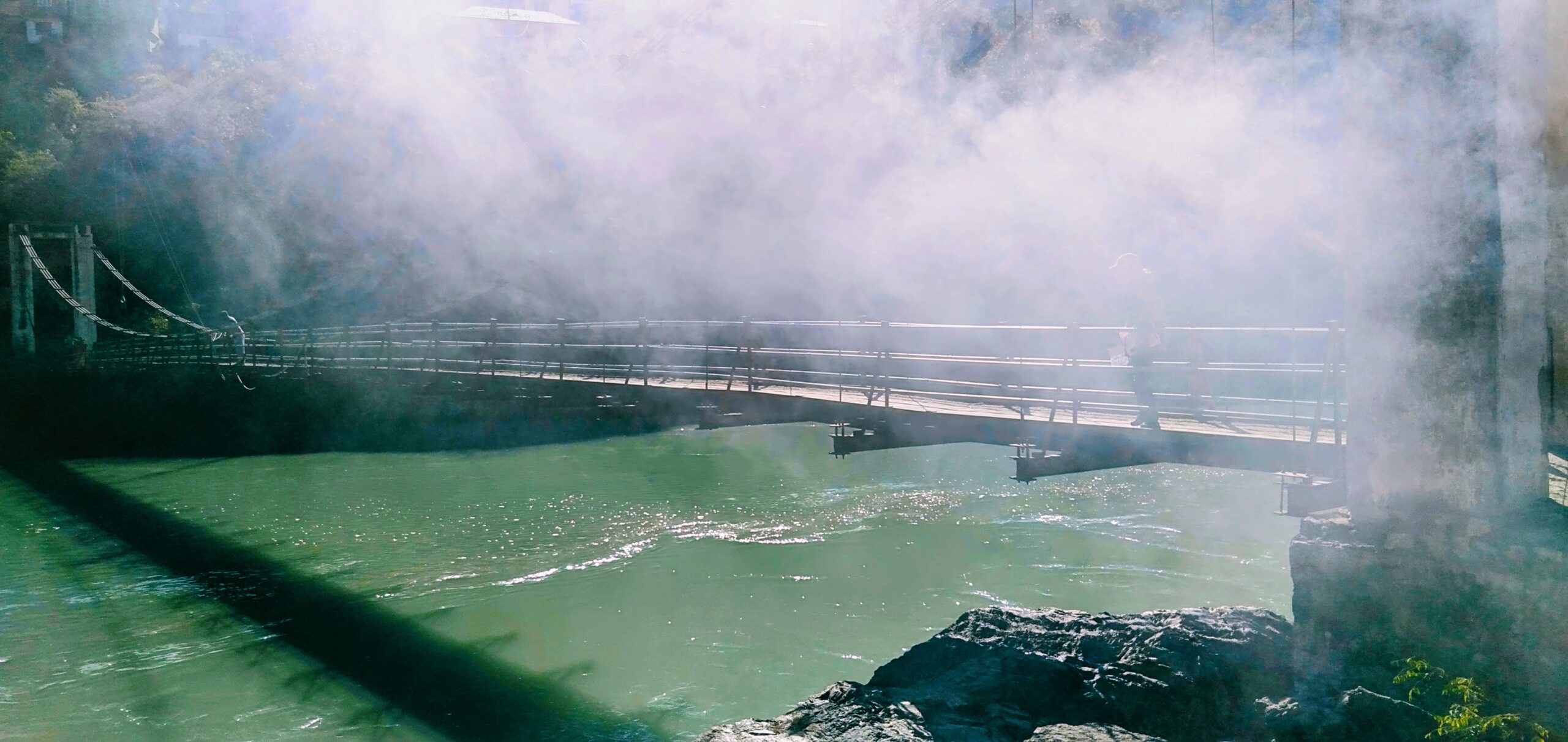
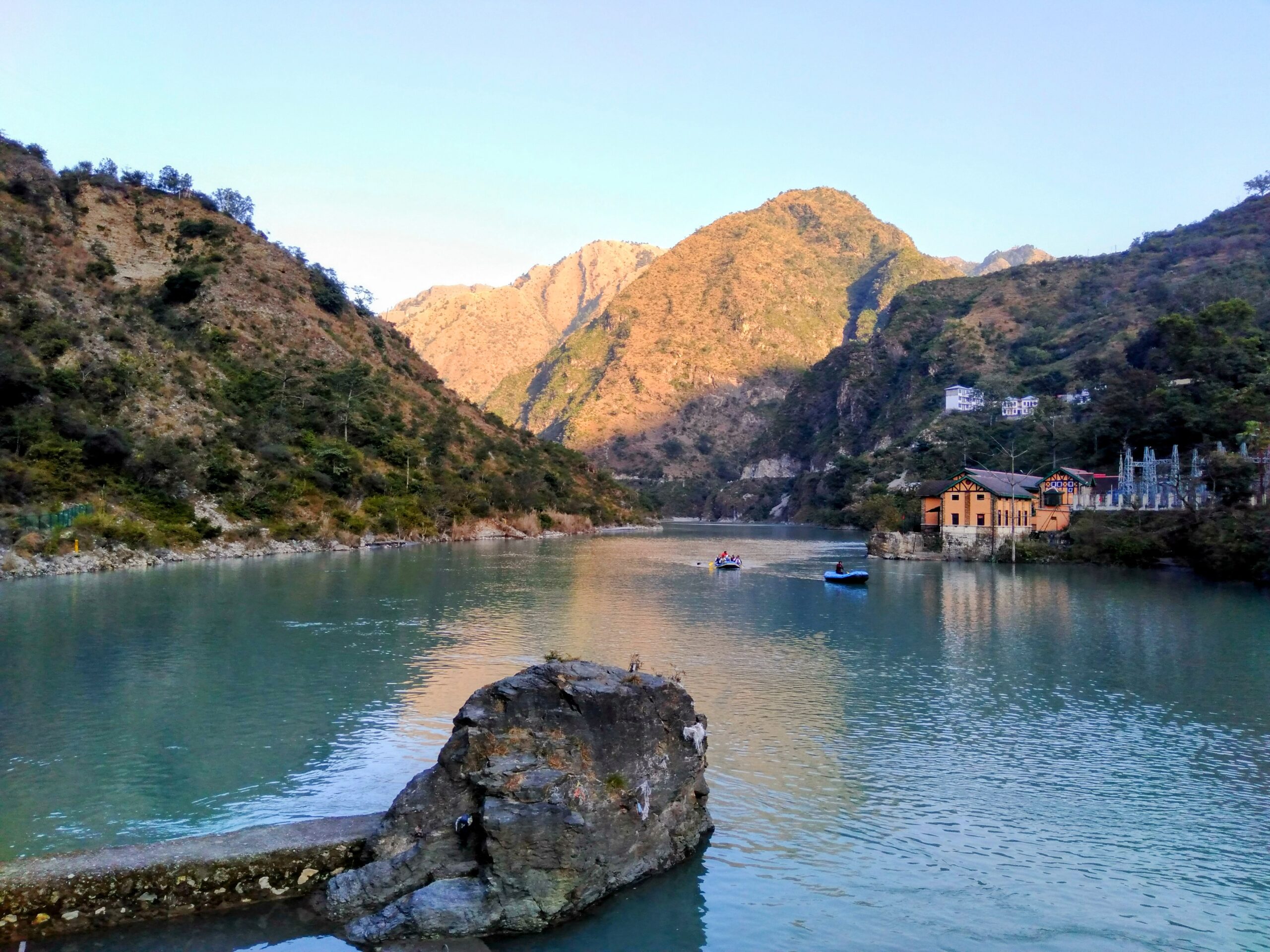
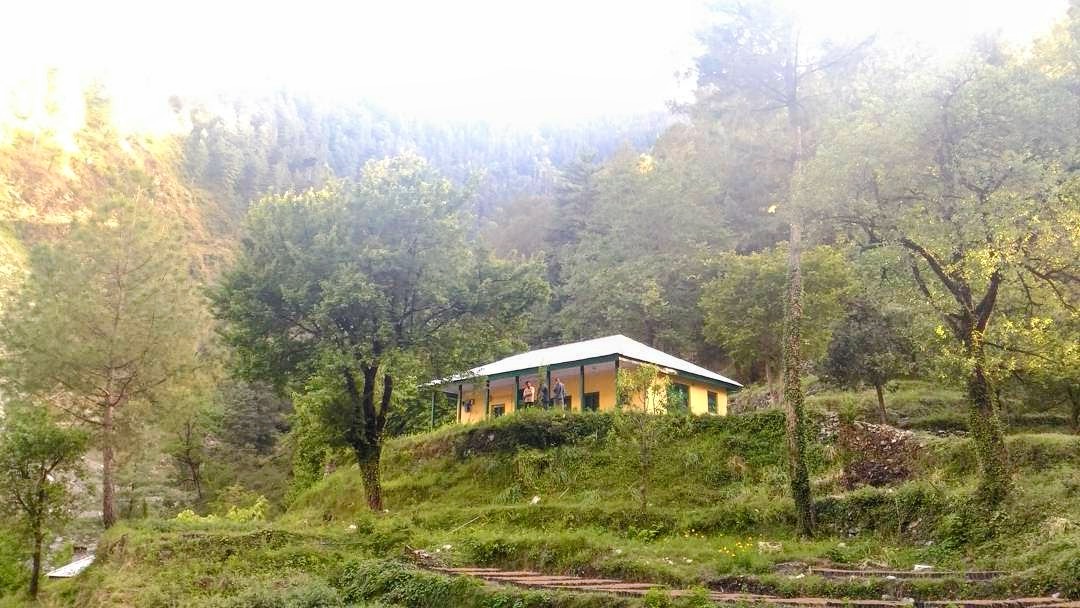
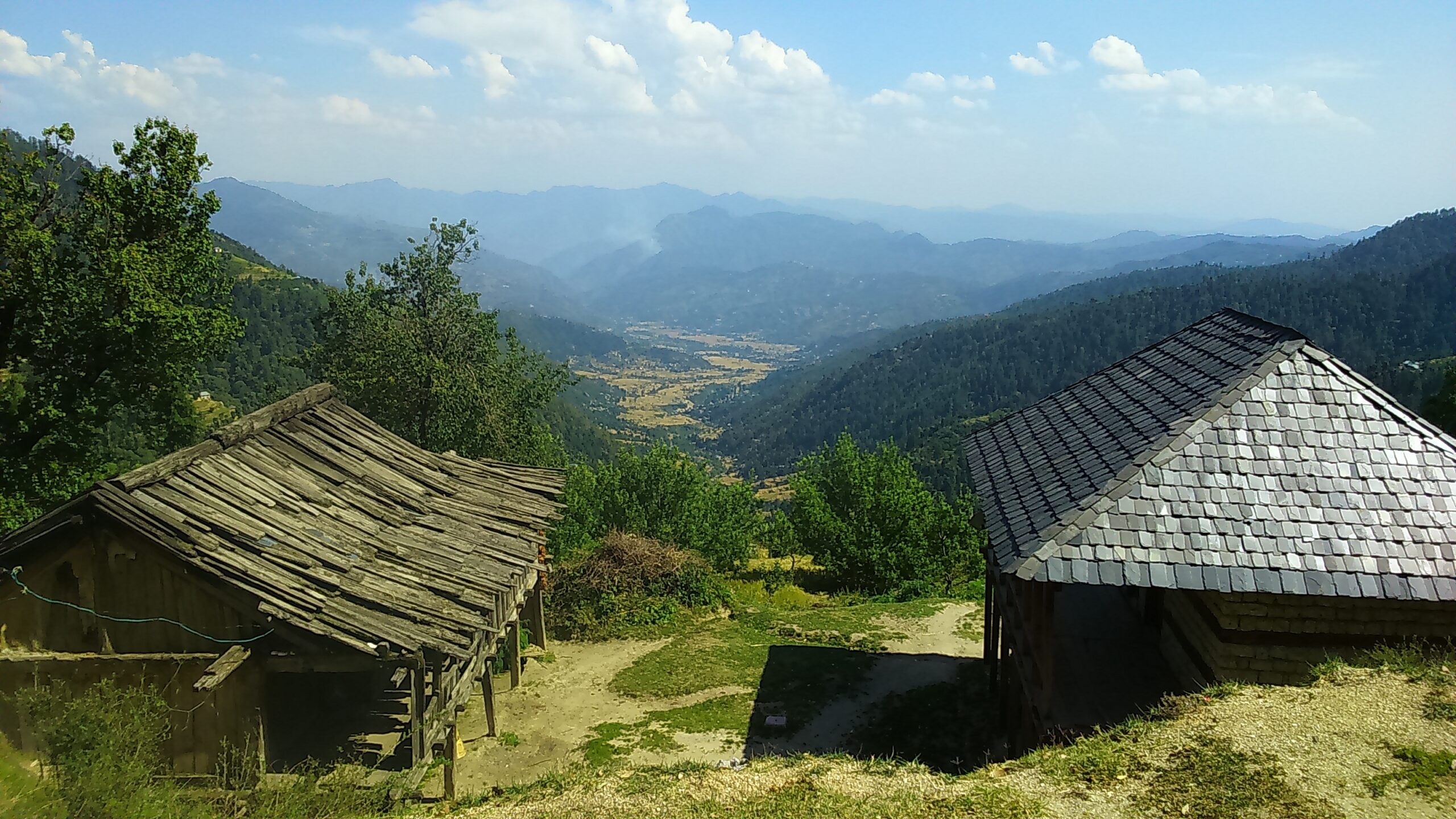
Kangra, dharamshala & The Dhauladhar Range
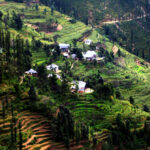
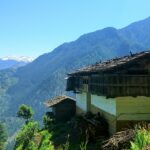
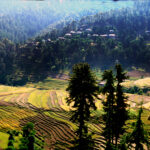
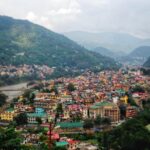
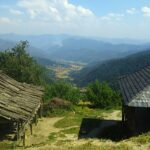
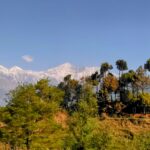
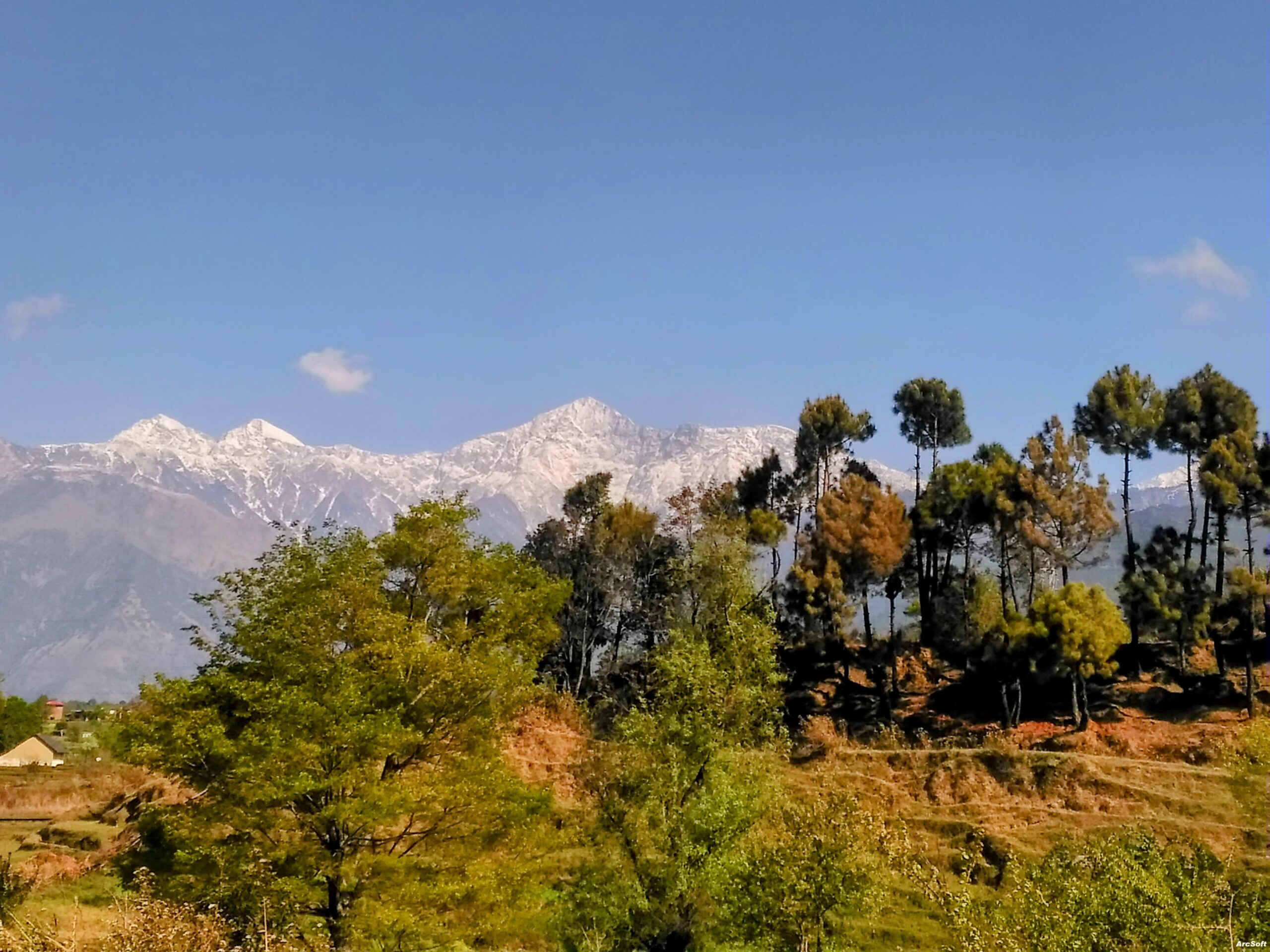
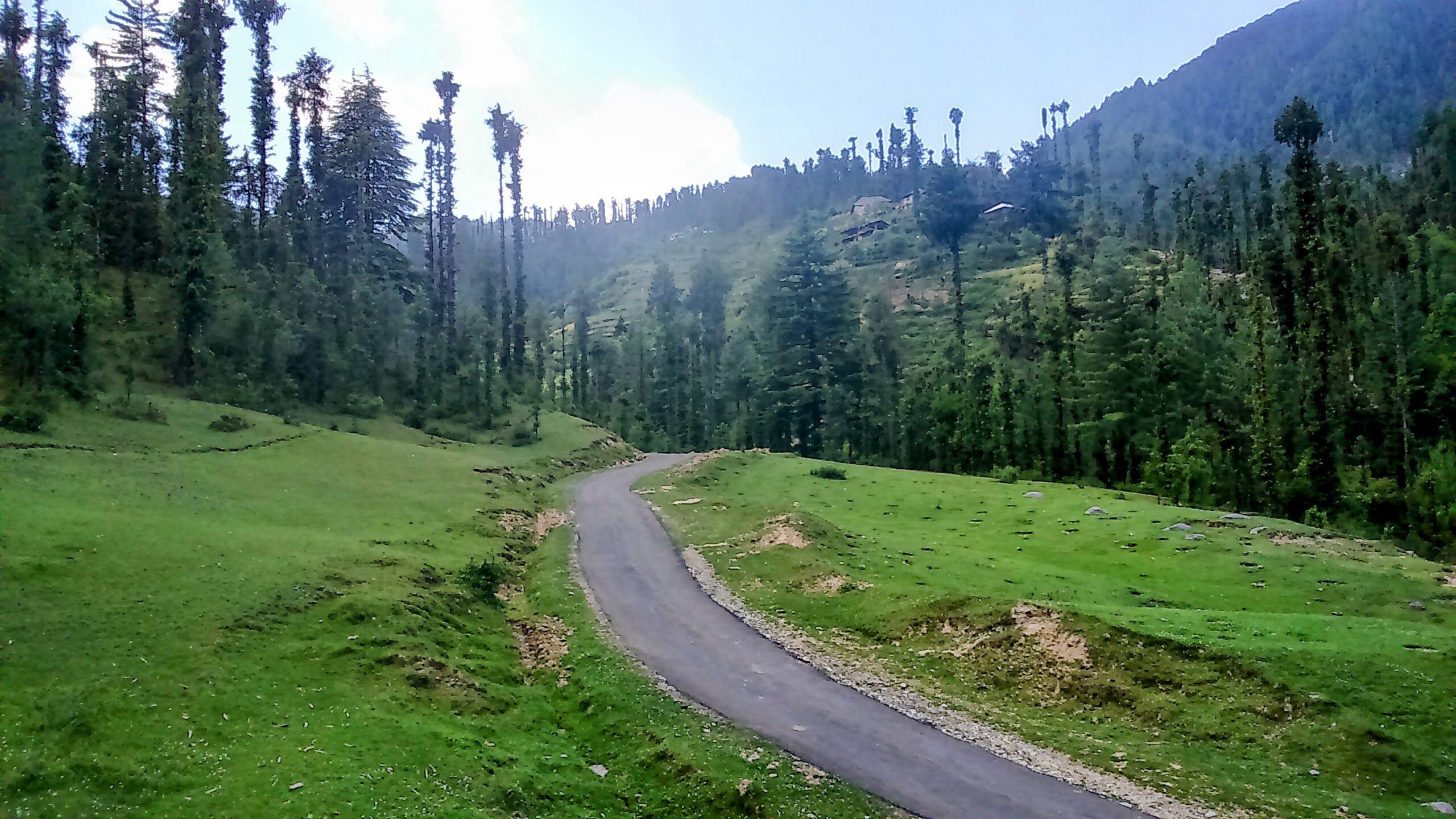
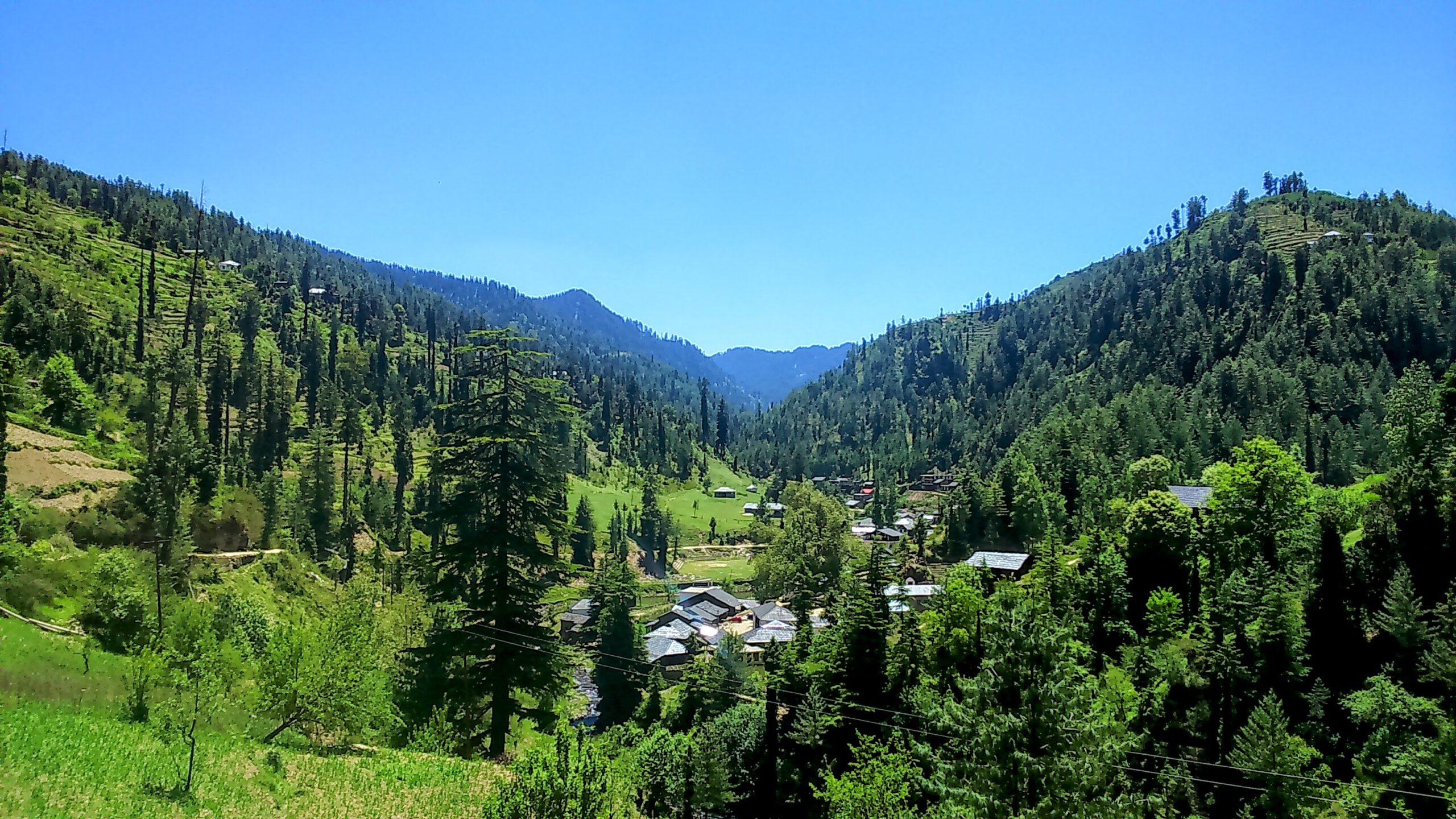
Here, serene landscapes ideal for tea garden shooting meet the dramatic Dhauladhar mountains. The region offers a uniquely layered palette, from the vibrant culture of the best Dharamshala film locations to the open skies perfect for Bir-Billing filming. Its production value is exceptionally high due to this versatility and excellent connectivity via Dharamshala (DHM) airport. It’s a four-season location that offers incredible visual depth, providing a landscape of culture, calm, and powerful contrast.
Bir-Billing: Tea gardens, Tibetan settlements, and paragliding takeoffs. A serene color palette and sky-sport inserts that sell aspiration. Access: Dharamshala (DHM) Airport (1.5 hours).
Barot: Uhl river, old hydel textures. A rustic-industrial blend that reads unique. Access: Joginder Nagar (1 hour).
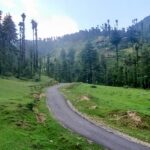
Rajgundha Valley: Trail-linked villages under big skies. Night-sky frames dazzle here. Access: Barot (trek).
Poling Village: High-village charm with minimal noise. Hushed, human-scale cinema. Access: Barot (1 hour).
Dyna Park: Local green pockets. Crisp, contained frames for quick-turn shoots. Access: Baijnath (20 mins).
Phulladhar: Wide meadows and layered ridges. Title cards and sweeping opens thrive. Access: Mandi (4 hours).
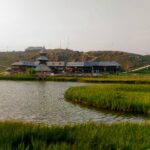
Pong Dam: Vast inland sea, islands, mirrored skies. Oceanic illusions with a Himalayan context. Access: Dharamshala 3 hours
Nagrota Surian: Access to Pong edges and rural lanes. Perfect for transition scenes and local color. Access: Dharamshala (1.5 hours).
Dharamshala: Stadium, tea gardens, Tibetan culture. Urban-meets-mountain versatility, famously seen in Rockstar. Access: Dharamshala (DHM) Airport.
McLeodganj: Monasteries, alleys, and prayer wheels. Texture-rich cultural sequences. Access: Dharamshala (30 mins).
Palampur: Tea estates and soft light. Gentle camera moves read premium. Access: Dharamshala (1 hour).
Andretta: Artist village heritage. Studios, mud houses, and creative subtext. Access: Palampur (20 mins).
Kangra Fort: Cliff-side grandeur. Perfect for battle, memory, and empire scale. Access: Dharamshala (45 mins).
Jaisinghpur: Rural Kangra textures. Ideal for river scenes and capturing local life. Access: Palampur (1 hour).
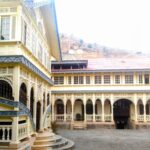
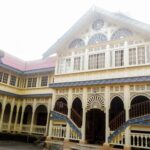
Garli-Pragpur: Heritage twin villages. Haveli streets perfect for period frames. Access: Dharamshala (2 hours).
Chamba, dalhousie, Pangi & The Remote Frontiers
This is a journey to the untamed edges, ideal for stories requiring remote Himalayan filming. The region offers a potent mix, from historic Chamba film locations and settings for Dalhousie period films, to the stark beauty of Sach Pass. Its value is in its authenticity and palpable sense of discovery, perfect for survival thrillers or historical epics. Main access is via Pathankot. Best from summer to early autumn, this is where stories feel elemental and visuals feel earned.
Chamba:** *Temples, river, and old-town vistas.* Elegant, layered historic frames. **Access: Pathankot (3 hours).**
* **Dalhousie:** *Victorian streets and mist.* Period-friendly without heavy build. **Access: Pathankot (2.5 hours).**
* **Sach Pass:** *Wild pass with dramatic exposure.* Ideal for raw action and survival setups. **Access: Chamba (4-5 hours).**
* **Pangi Valley:** *Remote, rugged, and powerful.* A truth-first storytelling terrain. **Access: Sach Pass.**
* **Miyar Valley:** *Glacial meadows and granite walls.* Alpine drama with calm floors. **Access: Udaipur (Lahaul).**
* **Bharmaur:** *Chaurasi temple complex and shepherd stories.* Culture and migration arcs. **Access: Chamba (2 hours).**
* **Kalatop:** *Dark forest moods.* Sound design and shadow play excel here. **Access: Dalhousie (30 mins).**
* **Khajjiar:** *”Mini-Switzerland” meadow and lake.* High-impact wides for easy recall. **Access: Dalhousie
Solan & Sirmaur: The Southern Gateways
These southern gateways offer regal forts and colonial charm with unmatched accessibility, perfect for quick **weekend film shoots**. The quiet lanes of Kasauli and the heritage of nearby **forts near Chandigarh** provide premium visuals without high-altitude logistics. The production value is in efficiency, making these premier **Kasauli film locations** ideal for commercials, music videos, and projects on a tight schedule. Access from Chandigarh is swift (1.5-3 hours), making this a practical year-round region for high cinematic impact.
Kasauli:** *Colonial cantonment charm.* Quiet lanes and a golden-hour glow. **Access: Chandigarh (1.5 hours).**
* **Arki Fort:** *Fortified hillscape and murals.* Period texture that is compact and cinematic. **Access: Shimla (1.5 hours).**
* **Nalagarh Fort:** *Courtyards, arches, and views.* Royal frames for brand and narrative. **Access: Chandigarh (1.5 hours).**
* **Nahan:** *Orderly hill town.* Clean civic frames for story anchors. **Access: Dehradun (2 hours) / Chandigarh (3 hours).**
* **Renuka Lake:** *Serpentine lake with forest edges.* Myth and nature blend seamlessly. **Access: Nahan (1 hour).**
* **Kuthar Palace:** *Stone corridors and wooded slopes.* Compact royal visuals with privacy. **Access: Solan (30 mins).
More Hero Locations & Hidden Gems
This collection represents some of the most **unique Himachal locations**, strategic aces that can serve as true **hero locations for filming**. These are the **hidden film locations in India** that can anchor a film’s visual identity, from the magical monsoon forests of Jalori Pass to the intimate royal grandeur of Jubbal Palace. Their value lies in offering production-ready looks that feel undiscovered. Access varies, but they are often gems within larger, well-connected regions, providing the secret ingredients for creating unforgettable frames.
Kothkhai:** *Orchards, slopes, and quiet roads.* Family dramas and seasonal arcs. **Access: Shimla (2 hours).**
* **Khara Pathar:** *Cool ridgelines and fog lanes.* Slow cinema thrives here. **Access: Kothkhai (45 mins).**
* **Bashleo Pass:** *Forest transition to big sky.* Walk-and-talks with reveal moments. **Access: Ani (2 hours).**
* **Kasol:** *Parvati vibes, cafes, and river.* Youth culture and mellow motion. **Access: Bhuntar (1 hour).**
* **Pulga:** *Woods and fairy-forest energy.* Dreamy handheld sequences. **Access: Kasol (trek).**
* **Sarchi:** *Terraced village beauty.* Sunrise steps and human-scale stories. **Access: Tirthan Valley (1 hour).**
* **Mashobra:** *Pine corridors and colonial echoes.* Calm, classy locations near Shimla. **Access: Shimla (30 mins).**
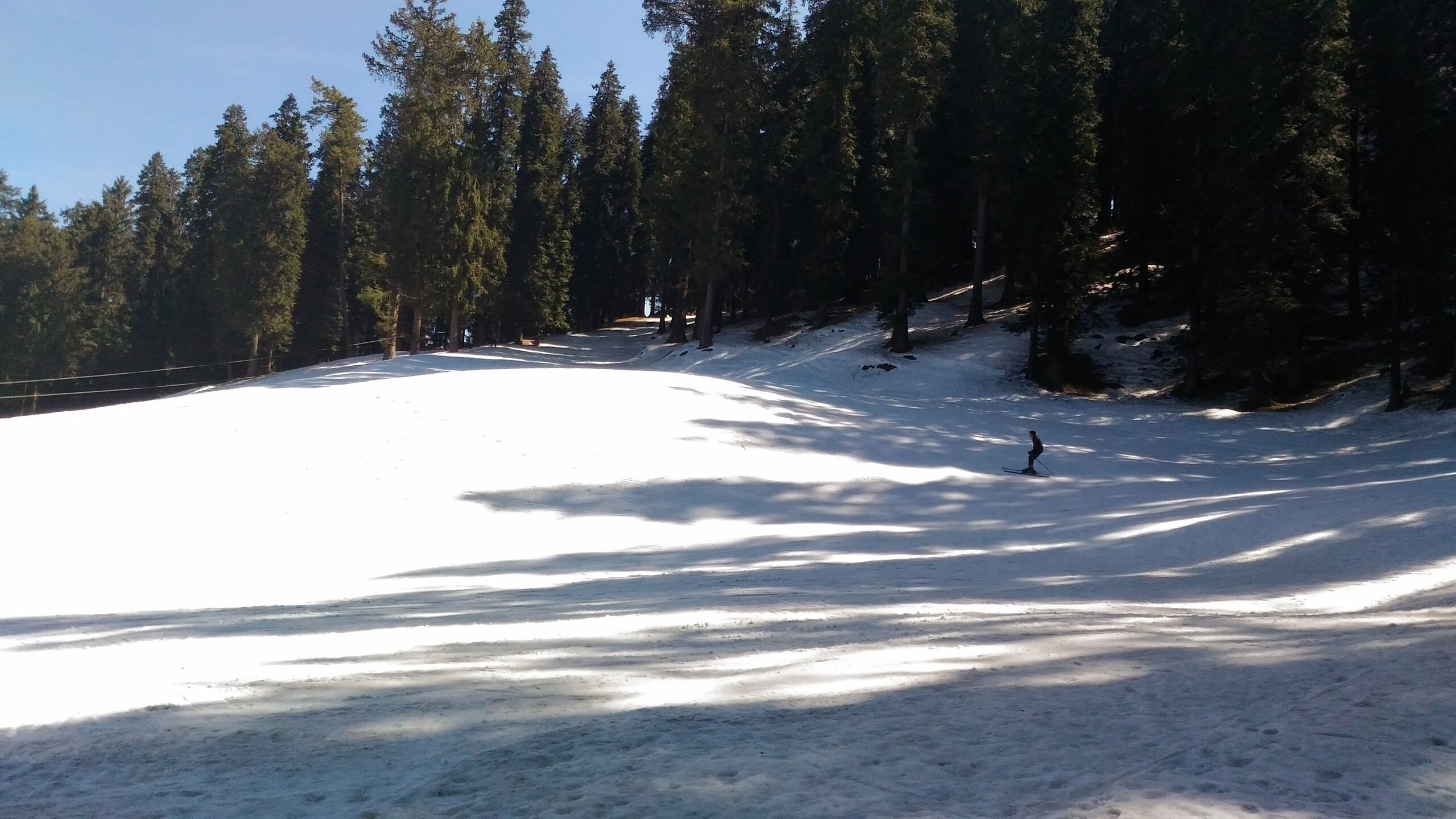
* **Fagu & Kufri:** *Fog drama, snow play, and ridgeline views.* All-season, quick access. **Access: Shimla (45 mins).**
* **Old Hindustan Tibet Road:** *Heritage mountain road.* A narrative spine linking epochs and edges. **Route: Shimla to Spiti.**
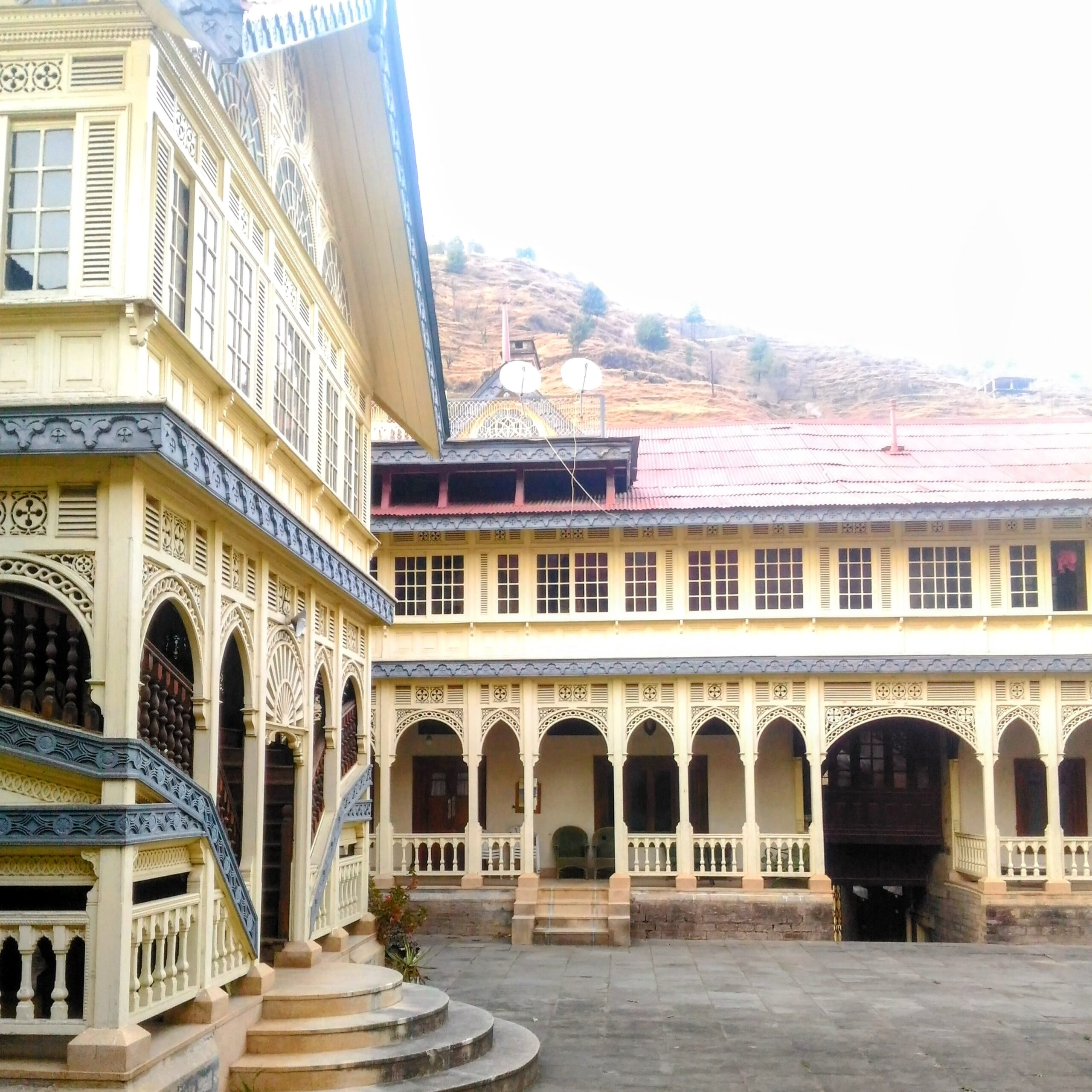
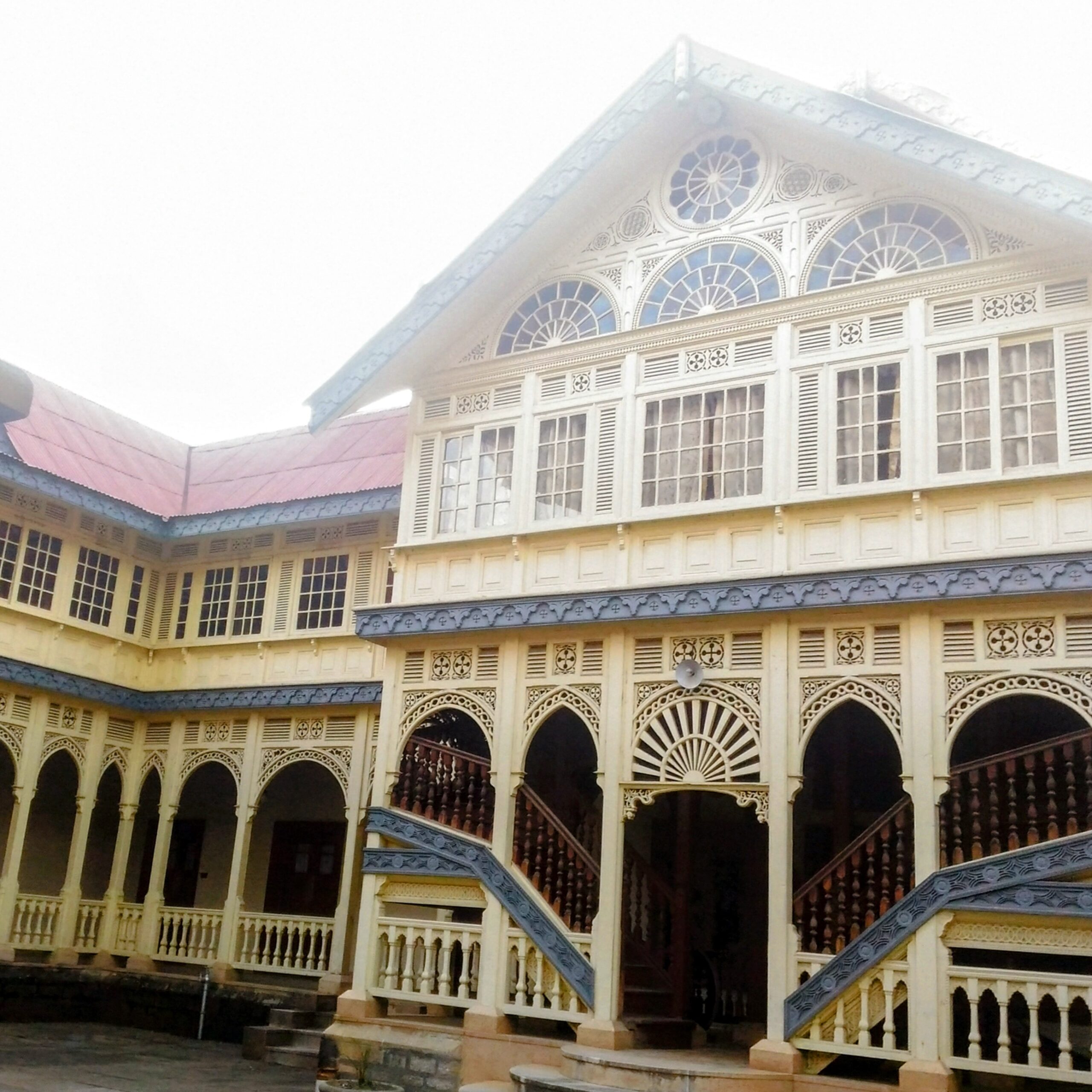
* **Jubbal Palace:** *Wood-and-stone elegance.* Royal intimacy for period or luxury. **Access: Rohru (1.5 hours).**
* **Tungasidhar:** *Pristine secret valley ambiance.* Untouched frames feel new. **Access: Chopal (2 hours).**
* **Rewalsar Lake:** *Sacred lake, multi-faith shrines.* Reflections that carry meaning. **Access: Mandi (1 hour).**
* **Chail:** *Palace, cricket ground, and deodar belts.* Prestige frames with altitude. **Access: Shimla (1.5 hours).**
* **Junga Palace:** *Regal hideaway feel.* Intimate palace sequences with privacy. **Access: Shimla (1 hour).**
* **Sujanpur Tira:** *Fort ruins and wide grounds.* Stage scale without heavy builds. **Access: Hamirpur (1 hour).